Is Teak Wood Water Resistant? Proven Best
Yes, teak wood is incredibly water-resistant, often considered one of the best woods for outdoor and wet environments due to its natural oils and dense grain structure. This makes it the premium choice for decking, boat building, and patio furniture.
Welcome to the workshop! If you’re new to building projects that face rain, splashes, or even full immersion in water, choosing the right material can feel overwhelming. Many folks hear about “weatherproof” wood but worry if it will really hold up season after season. We often see frustrating results when less durable woods swell, crack, or mold after just one winter.
But don’t worry! This guide will give you total confidence by diving deep into why teak is the king of water resistance. We will break down the science in simple terms so you know exactly what you are buying and how to care for it. Get ready to learn the secrets behind this amazing timber and see why your investment is worth every penny!
Is Teak Wood Water Resistant? The Beginner’s Definitive Guide
When you are planning outdoor furniture, bathroom vanities, or boat trim, water damage is the number one enemy. This is where teak wood shines brighter than almost any other common hardwood. But why is it so resistant? Is it just marketing hype, or is there solid proof? As a mentor, I want you to feel confident about your wood choices, ensuring your DIY projects last for decades, not just years.
We are going to explore the natural components within teak that repel water, examine its proven track record in extreme conditions, and look at what beginners need to know about maintaining that resistance over time.
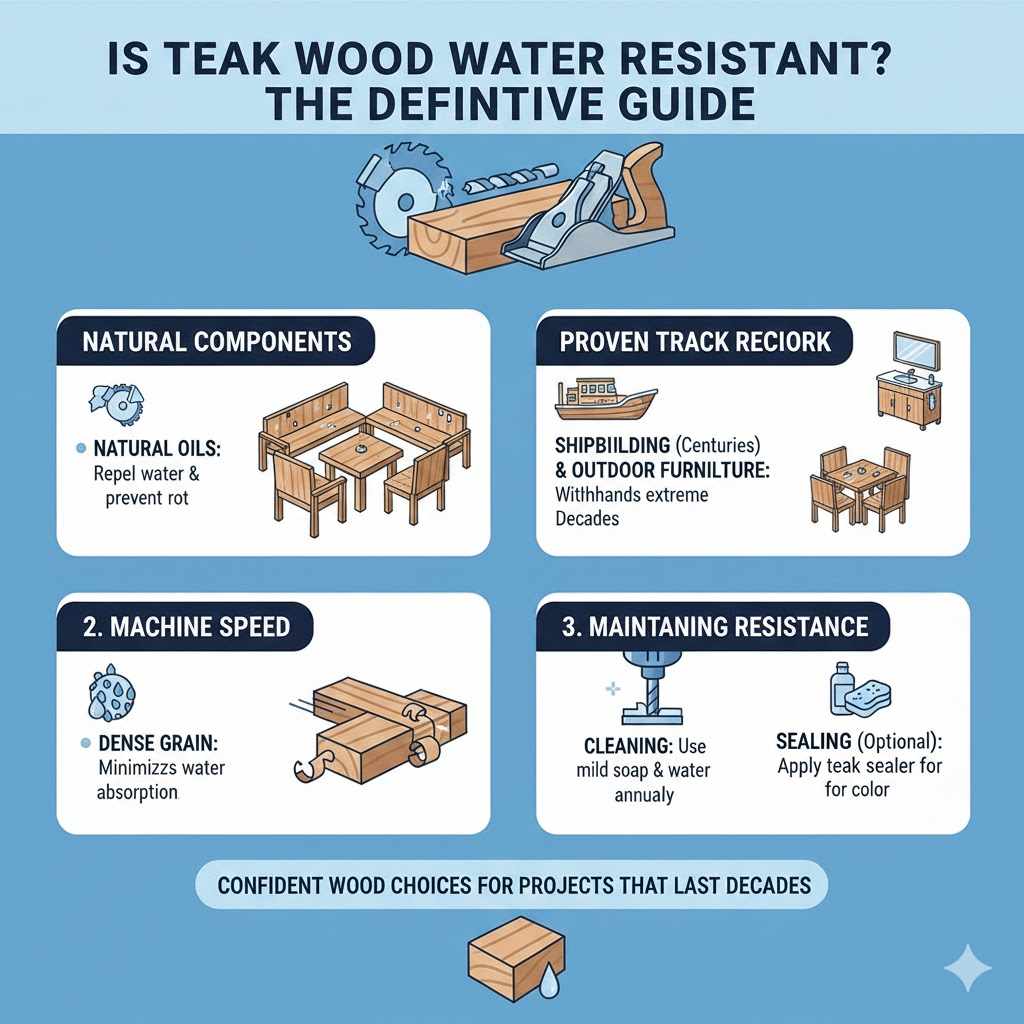
The Secret Ingredient: Why Teak Naturally Repels Water
Most common woods (like pine or oak) soak up water like a sponge. When they get wet and then dry repeatedly, they expand and shrink unevenly. This constant movement causes warping, splitting, and makes them easy targets for fungi and rot. Teak sidesteps all these problems because of what is already inside the wood.
Natural Oils: The Ultimate Waterproof Sealant
The primary reason is teak wood water resistant comes down to its natural composition. Teak trees (Tectona grandis) grow slowly in humid, tropical climates. To survive, they developed natural defense mechanisms:
- Silica Content: Teak naturally contains high levels of silica, a mineral that hardens the wood structure and helps resist abrasion from water movement.
- High Oil Concentration: This is the superstar! Teak is rich in natural rubber and oily compounds (especially tectoquinone). These oils are inherently water-repellent. They fill the pores of the wood, acting like an invisible, built-in water sealant that constantly refreshes itself.
- Density: Teak has a tight, closed grain structure. This density makes it physically harder for water molecules to penetrate deep into the wood fibers, even without the oils.
Think of it this way: applying a traditional sealer or stain to standard wood is like putting on rain gear. Applying a finish to teak is like giving the wood its own permanent, built-in hydrophobic coating. It’s simply remarkable woodworking magic!
Comparing Teak’s Moisture Resistance to Other Woods
To really appreciate teak’s superiority, let’s see how it stacks up against some common materials you might use for outdoor projects. We often see requests for cheaper alternatives, but comparing their durability tells the real story.
| Wood Type | Natural Water Resistance | Rot/Insect Resistance | Common Use Cases |
|---|---|---|---|
| Teak (Tectona grandis) | Excellent (High Oil Content) | Excellent | Outdoor Furniture, Boat Decks, Docks |
| White Oak | Good (Closed Grain) | Good (if heartwood is used) | Whiskey Barrels, Flooring |
| Pressure-Treated Pine (Chemically Treated) | Variable (Depends on Treatment) | Good (Chemical Dependent) | Framing Lumber, Simple Decks |
| Red Oak | Poor (Open Grain Structure) | Poor | Indoor Furniture, Cabinets |
Notice that White Oak is good, but it relies on its grain structure alone. Teak gets the benefit of both structure and the protective oils. This is why experienced boat builders and high-end patio furniture makers consistently turn to teak—they need reliability that treated wood simply can’t guarantee long-term.
Proven Applications: Where Teak Dominates Wet Environments
The best proof that teak is water-resistant isn’t found in a lab report; it’s found in how long teak structures have survived in the world’s wettest environments. These real-world examples should give you all the confidence you need for your own home projects.
1. Marine and Boat Building
Historically, teak has been the gold standard for shipbuilding, especially for exterior decking and brightwork (exposed wood). For centuries, ships sailed the rough oceans, and their longevity often depended on the wood used for the decks they stood on. Teak resists the constant cycle of soaking from saltwater and drying in the sun. Furthermore, its natural oils prevent mildew and rot—a nightmare for enclosed wooden structures on boats.
Even today, naval architects highly recommend teak for superior longevity on the water. For more information on how different woods perform under constant moisture, you can check resources like The Wood Database, which compiles physical properties for comparison.
2. Outdoor Furniture and Patio Sets
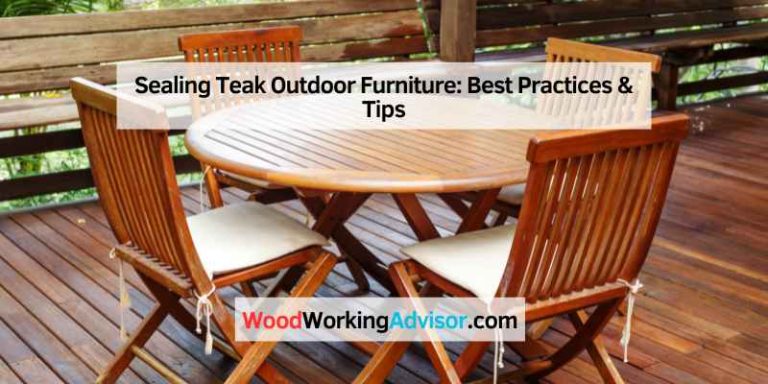
If you have ever bought affordable “all-weather” patio furniture, you likely know it fades, cracks, or develops green fuzzy spots within a few years. High-quality outdoor teak furniture, however, can easily last 25 to 50 years with minimal maintenance.
When you buy teak furniture, you are paying for material that will stand up to four-season use, handling everything from tropical humidity to freezing snowmelt. It’s an investment that truly pays off over time.
3. Exterior Decking and Siding
While expensive for a full deck, premium decking installations often use teak or similar hardwoods like Ipe. Teak does not suffer from the warping or splitting that plagues softer exterior woods when exposed to rain, snow, and humidity swings.
What Happens When Teak Gets Wet? The Color Change Factor
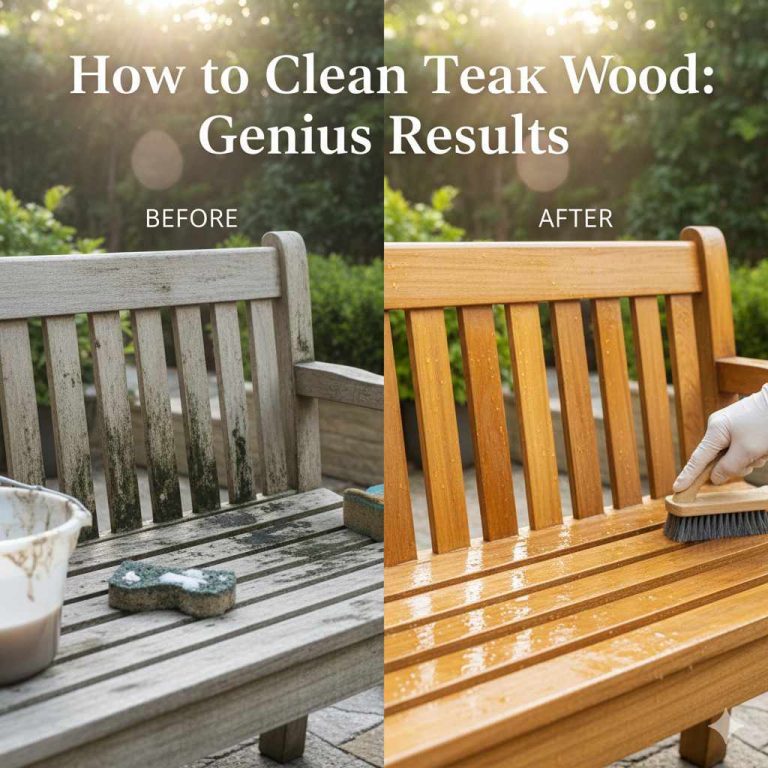
One common point of confusion for beginners is that teak changes color when exposed to water and UV light. This isn’t a sign of decay; it’s just part of the wood’s natural aging process.
When teak is first installed or bought, it typically has a warm, golden-brown honey color. If you leave it untreated and exposed to the elements:
- Initial Wetting: The water activates the surface oils.
- UV Exposure: The sun’s UV rays react with the oils and exposed lignin (a binding material in the wood cells).
- The Result: Over several months of outdoor exposure, the rich brown color will slowly fade into a distinguished, elegant, silvery-gray patina.
This gray patina is beautiful and entirely superficial. Crucially, the wood beneath the gray surface remains just as strong, dense, and water-resistant as it was when new. This color change does not mean the wood is rotting or failing its core duty.
Controlling the Color: Do You Need to Oil Teak?
Many people ask: “If it’s already water-resistant, why do people apply teak oil?”
The answer is entirely aesthetic. Teak oil (often a mix of mineral spirits and light varnish) does not make the wood more water-resistant—that’s already built-in. It simply rehydrates the surface and replenishes the natural color you see right after purchase.
Here are the basic maintenance choices:
- Option 1: Let it Go Gray (Recommended for Durability): Apply nothing. The wood stays dimensionally stable and strong indefinitely. Requires almost zero work.
- Option 2: Maintain Golden Color (Requires Effort): Apply a specific teak sealant or oil at least once or twice a year. This keeps the rich honey color but requires regular upkeep to maintain the finish coat, not the wood itself.
For a beginner focusing on pure durability and minimal fuss, letting the wood weather to gray is the simplest path to enjoying teak’s legendary water resistance without annual maintenance.
Dispelling Myths: Teak and Water Absorption
Because teak is so heavy and dense, people sometimes assume it sinks instantly, like metal, or that it’s somehow “impervious” to water penetration altogether. We need to keep things realistic. No wood is truly 100% immune to water absorption over indefinite periods, but teak is as close as you can get naturally.
Myth vs. Fact About Teak’s Water Behavior
| The Claim (Myth) | The Reality (Fact) |
|---|---|
| Teak will never absorb any water. | It absorbs minimal surface moisture but rarely soaks through due to tight pores and high oil content. |
| Untreated teak will fall apart if submerged long-term. | Decades of use in shipbuilding prove it performs excellently underwater (e.g., docks, pilings). |
| Teak oil makes it water-resistant. | The oils inherent in the wood do the heavy lifting; surface oils just restore color. |
The crucial factor for durability isn’t avoiding water; it’s avoiding prolonged stagnant water that allows mold and fungus spores to take hold. Because teak’s oils act as a natural fungicide and insecticide, even when wet, it is extremely difficult for decay organisms to colonize the wood.
Understanding Wood Grain and Water Flow
When working with teak, always consider how water flows across your project. Water tends to follow the grain. When building things like shower benches or exterior railings:
- Slope Surfaces Slightly: Ensure surfaces that might hold standing water (like the seat of a chair) are subtly sloped so that any moisture drains away quickly rather than pooling.
- Allow Airflow: When constructing furniture, avoid placing solid, large surfaces directly against damp ground or walls without any air gap. Good airflow helps the wood dry faster after exposure, even though teak doesn’t strictly need to dry quickly for survival.
- Proper Joinery: When gluing or screwing, make sure your joints are tight. While the wood won’t swell much, sharp, water-collecting corners are the weak points in any wood construction.
Beginner Focus: Sourcing Quality Water-Resistant Teak
You can buy teak that promises all the above benefits, but if you buy poorly sourced material, you might get frustrated. For DIY projects, knowing where your wood comes from matters.
Heartwood vs. Sapwood
This is perhaps the single most important distinction when purchasing teak for exterior or wet use. You absolutely must use Heartwood for true water resistance.
- Heartwood (The Core): This is the dark, central part of the tree. It is dense, rich in those protective natural oils, and displays the classic golden color. This is what you pay a premium for, and this is the part that resists rot and water effectively.
- Sapwood (The Outer Layer): This is the lighter, usually yellowish, outer ring of wood nearer the bark. It has far fewer protective oils and is porous. Sapwood is susceptible to decay, absorbs water readily, and often invites insect attack.
If a supplier is selling teak very cheaply, there’s a high chance they are including a significant amount of sapwood, or it might even be “reconstituted” or “bonded” teak. Always check that your lumber explicitly states it is 100% heartwood for guaranteed performance in wet conditions.
Plantation Grown vs. Old Growth Teak
In the past, almost all teak came from slow-growing, old-growth forests (like in Myanmar or India). Today, most legally traded teak comes from fast-growing, managed plantations (like those in Central America or Indonesia).
The main challenge with plantation teak is that it grows faster, meaning the grain is wider and the wood has less time to naturally concentrate its precious oils and silica. Therefore, plantation teak may require slightly more diligent oiling if you want to maintain the golden color, though it remains far superior to almost any other wood species.
Tool Tip for the Home Workshop: Working with Teak
While teak is durable against nature, it can be slightly challenging for beginners to cut and machine because of its density and silica content. Here are quick tips:
- Use Sharp Blades: The silica content dulls standard steel blades very quickly. Invest in high-quality carbide-tipped saw blades for your table saw and router to ensure clean cuts and preserve your machine components. Dull blades cause burning and tear-out.
- Machine Speed: Run your planer or jointer slightly slower than you would with softer woods. Too much aggressive force can lead to snipe or chipping, especially near knots.
- Drilling: Drill slowly and clear out dust frequently. Heat generated by friction can cause burning or scorch marks if the hole isn’t cleared properly.
Proper handling means your projects look better when new, and they fit together more securely, minimizing weak spots where water might try to infiltrate the structure later on. Good construction helps good materials last even longer!

Frequently Asked Questions (FAQ) for New Teak Owners
What is the average lifespan of untreated teak furniture outdoors?
Untreated teak furniture, left to weather naturally to gray, can easily last 25 to 50 years or even longer, especially if it is made from solid, thick heartwood pieces with quality construction.
Can I use standard exterior wood glue on teak?
You should avoid standard yellow wood glue (PVA). Teak’s natural oils resist bonding. For high-stress, water-exposed joints, use a high-quality waterproof adhesive rated for marine environments, such as a two-part epoxy or a high-strength polyurethane glue. Always clean the gluing surfaces well first!
Does teak bleed tannin when it first gets wet?
Yes, sometimes! Fresh teak heartwood can bleed tannins (the brown/black staining compounds) when it first gets thoroughly soaked. This dark stain can run onto lighter surfaces like concrete patios or light decking underneath the furniture. It’s best practice to place a temporary barrier underneath new, unweathered teak for the first few weeks.
Is teak better than Cedar for water resistance?
Teak is generally considered superior to Cedar for water resistance and structural stability. While Cedar naturally resists decay (thanks to its extractives), it is much softer and prone to denting and erosion when constantly exposed to physical wear alongside water. Teak’s high density and oils give it the edge in strength and long-term resistance.
How do I clean my water-resistant teak wood?
For general cleaning, mild soap and water with a soft-bristle brush are all you need. If you have stubborn green mildew or heavy stains, you can use a specialized teak cleaner or a very diluted solution of oxygen bleach. Always rinse thoroughly afterward. Avoid harsh abrasives that scratch the surface.
Will teak attract termites or other bugs?
Because of its natural oils (especially tectoquinone), teak heartwood is naturally repellent to most common wood-boring insects, including termites and powderpost beetles. This is a major advantage over non-durable woods like pine or fir.
Conclusion: Embracing the Proven Durability of Teak
You asked, and the answer is a resounding yes: teak wood is proven, time-tested, and arguably the best naturally water-resistant wood you can choose for your demanding projects. Its high density, combined with those unique, built-in natural oils, creates a barrier against moisture, rot, and pests that few other materials can match without constant chemical intervention.
For the beginner DIY enthusiast, choosing teak means you are opting for fewer headaches down the line. You might pay a little more upfront compared to alternatives, but you skip the frustrating cycle of treating, repairing, and replacing deteriorating wood. Whether you let it mellow to that beautiful silver-gray or take the time to maintain its honey tone, you have secured a material that laughs in the face of rain and humidity.
Go forward with confidence! Select that solid heartwood, cut carefully with sharp tools, and enjoy crafting something truly lasting. Knowing the “why” behind teak’s performance makes all the difference, turning a good project into a durable heirloom. Happy building!