Is Shellac Water Resistant? Not Really — It Softens With Moisture
Shellac is water-resistant, not waterproof — three to four fully cured coats shrug off hours of water contact, but standing water still raises a cloudy white bloom in the film. Dewaxed shellac resists moisture noticeably better than waxed shellac, since wax makes the cured coat more porous. This guide covers how long shellac actually holds up wet, dewaxed vs. waxed performance, and when a polyurethane topcoat is worth adding instead.
How Water-Resistant Is Shellac, Really?
Best Water-Resistant Shellac Pick
Zinsser Bulls Eye SealCoat Universal Sanding Sealer – $24.79
100% dewaxed shellac — the exact property this guide identifies as more water-resistant than waxed shellac, and it seals under any topcoat without the wax adhesion problems covered above.
- Best for: sealing tabletops and furniture before a polyurethane or lacquer topcoat
- Why we picked it: dewaxed formula matches the water-resistance advantage this article covers, dries fast enough to recoat same day
- Main drawback: flat sheen on its own — needs a topcoat for a glossy look
Compare more shellac options
 Option 1 Zinsser Bulls Eye Clear Shellac Spray – $14.86
|
 Option 2 De-Waxed Blonde Shellac Flakes 1 lb – $43.99
|
 Option 3 Rustins Shellac Sanding Sealer – $20.00
|
As an Amazon Associate we earn from qualifying purchases.
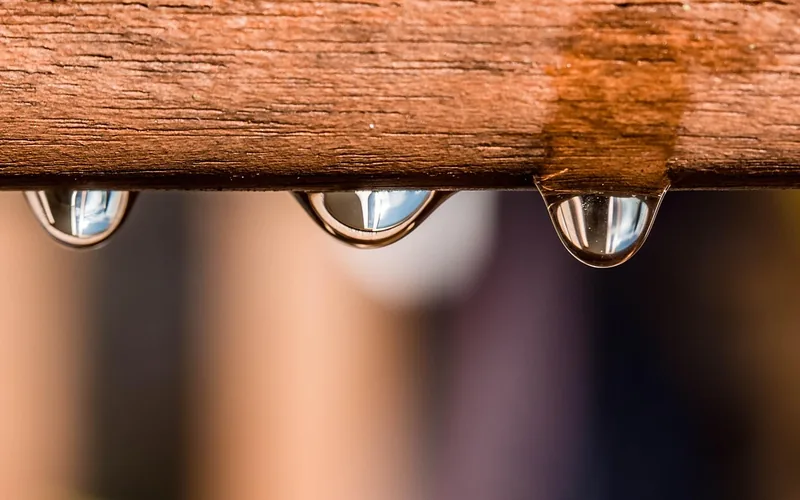
A properly applied shellac finish — three or four thin coats, fully cured for several days — will resist a spilled glass of water or a wet coaster for hours without any visible damage. The trouble starts with standing water: a sweating glass left overnight, or a dripping vase, works moisture into the film and raises a cloudy white “bloom.” That bloom is almost always cosmetic rather than structural. A light wipe with denatured alcohol on a soft cloth, followed by a thin fresh coat over the spot, typically clears it.
Shellac isn’t hygroscopic in the way raw wood is, but its resin does soften when wet, which is why it can scuff or dent under hand pressure while damp. Lacquer performs similarly against water, while catalyzed finishes like polyurethane hold up to standing moisture far longer — the trade-off is that polyurethane can’t match shellac’s repairability or its warm amber color.
📊 A properly applied shellac finish — three or four coats, fully cured — will resist water for hours of contact without blushing. Standing water is the exception that still causes a white bloom. — Source: Shellac.net, Common Questions About Shellac
Dewaxed vs. Waxed Shellac: Which Holds Up Better in Moisture?
Dewaxed shellac is shellac with its natural wax content filtered out during processing. That wax is the reason ordinary waxed shellac is more porous and more prone to white ring formation — removing it gives dewaxed shellac better adhesion and noticeably better water resistance. It’s also required under any finish coat that isn’t itself shellac (polyurethane, lacquer, water-based finish), since wax blocks those topcoats from bonding. For a full breakdown of when each type makes sense, see our waxed vs. dewaxed shellac comparison.
| Property | Waxed Shellac | Dewaxed Shellac |
|---|---|---|
| Water resistance | Lower — more prone to white rings | Higher — better moisture resistance |
| Adhesion for topcoats | Poor — blocks poly/lacquer bonding | Excellent — safe under any topcoat |
| Clarity | Slightly hazier | Clearer, especially blonde/platina grades |
| Best use | Stand-alone traditional finish, French polish | Sealer coat, high-moisture furniture, tabletops |
How Many Coats and What Cut Actually Improve Water Resistance
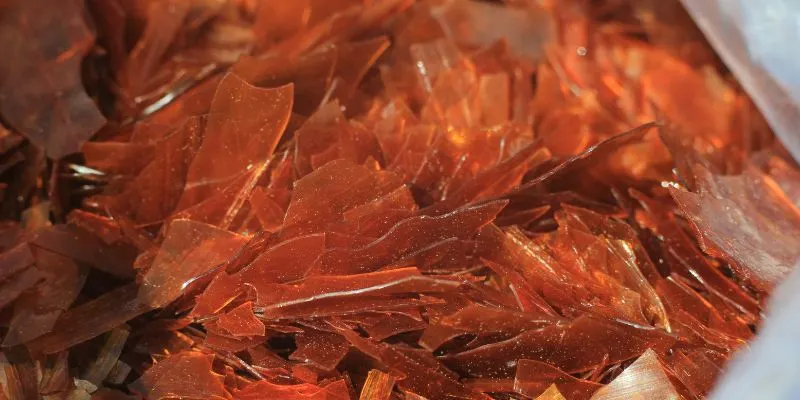
Coverage matters more than any additive. Three to four thin coats, each fully dry before the next, build a film thick enough to shrug off normal contact — a single coat won’t. When you’re mixing your own shellac from flakes, the ratio is described as a “pound cut”: a 1 lb cut dissolves one pound of dry flakes in one gallon of denatured alcohol. For a sealer coat that’s going under a topcoat, a thinner 1-2 lb cut flows better; for a stand-alone finish meant to resist moisture on its own, a heavier 3 lb cut builds film faster with fewer coats.
Let each coat cure — not just dry to the touch — before testing it against water. Shellac feels dry within minutes but keeps hardening for several days, and a coat that hasn’t finished curing will bloom under far less moisture than the same finish a week later.
Does Old or Expired Shellac Still Resist Water as Well?
No — and this is the part most water-resistance guides skip entirely. Dissolved shellac has a short working life: about three months is a reasonable assumption once flakes are mixed with alcohol, even though an unopened, factory-sealed can may last longer. Dry flakes keep far longer than mixed shellac, holding up for years in a cool, dry container. Shellac that has passed its working life takes noticeably longer to cure fully, and a coat that hasn’t cured resists water worse than fresh shellac applied the same way — so a bottle that’s been open on the shelf for a year is a real, overlooked reason a “properly applied” finish might still bloom under normal use.
Protecting Shellac From Water Day to Day
- Use coasters and placemats under glasses, mugs, and vases — the goal is to stop standing water before it starts, not to repair it after.
- Wipe up any spill immediately with a soft, dry cloth rather than letting it sit.
- Keep shellacked pieces away from high-moisture rooms like un-vented bathrooms, or add a polyurethane topcoat if the piece has to live there.
- Avoid ammonia-based cleaners on shellac — ammonia dissolves shellac much the way alcohol does.
How to Fix a White Water Ring on a Shellac Finish
- Dry the area: Blot excess moisture immediately with a soft, dry cloth — don’t let it sit any longer than it already has.
- Test in a hidden spot: Dab a small amount of denatured alcohol on an inconspicuous area first, since alcohol will soften shellac on contact.
- Rub out the bloom: Wipe the ring with a cloth barely dampened in denatured alcohol, working with the grain, until the cloudiness lifts.
- Recoat if needed: If the ring doesn’t fully clear, brush on one thin fresh coat of shellac over the spot and let it cure fully before using the surface again.
Frequently Asked Questions
Is Shellac Waterproof or Just Water-Resistant?
Water-resistant, not waterproof. A fully cured shellac finish handles brief contact and normal household moisture without issue, but it will not hold up against standing water or full submersion the way a marine-grade epoxy or polyurethane would.
How Long Does Shellac Last When Exposed to Water?
A properly applied, fully cured shellac finish resists water for hours of contact without blushing. Standing water — a sweating glass left overnight, a dripping plant pot — is the exception that can raise a white bloom well before that.
Is Dewaxed Shellac More Water-Resistant Than Waxed Shellac?
Yes. Removing the natural wax during processing gives dewaxed shellac better adhesion and noticeably better resistance to moisture than waxed shellac, which is more porous and more prone to white ring formation.
Does Old or Expired Shellac Resist Water As Well As Fresh Shellac?
No. Dissolved shellac has a working life of roughly three months once mixed with alcohol. Past that point it cures more slowly and less completely, and an incompletely cured coat resists water worse than a fresh one applied the same way.
Can Shellac Be Used for Outdoor Projects?
Not on its own. Shellac breaks down under direct sun and repeated rain far faster than exterior-rated finishes. For outdoor furniture or trim, use a marine varnish or exterior polyurethane instead, or reserve shellac for indoor pieces only.
“A properly applied shellac finish — three or four coats, fully cured — will resist water for hours of contact without blushing… water-resistant is not waterproof.”
Shellac.net, Common Questions About Shellac
Bottom Line
Shellac holds up to normal household moisture for hours once it’s fully cured, and dewaxed shellac closes most of the gap with harder finishes like polyurethane. What it won’t do is survive standing water, outdoor exposure, or a coat that never fully cured because the shellac was mixed too long ago. Match the cut and coat count to the job, keep mixed shellac fresh, and add a polyurethane topcoat for anywhere water sits for more than a few minutes. See our full wood finishing guide for how shellac compares to every other finish option.
Sponsored / affiliate links. As an Amazon Associate I earn from qualifying purchases. I may earn additional commission from eligible campaigns.