Is Wood Ash Good for Potatoes: Essential Grow Tips
Yes, wood ash can be beneficial for potato plants by adding valuable nutrients like potassium and calcium, and by raising soil pH. Use it sparingly and correctly to avoid harming your plants or soil.
Growing your own potatoes can be a truly rewarding experience. There’s nothing quite like digging up a basket of firm, earthy potatoes you’ve nurtured from a tiny seed potato. Many gardeners are always looking for ways to give their crops a little extra boost, and you might have heard whispers about using wood ash from your fireplace or wood stove. But is wood ash actually good for potatoes? As your woodworking and DIY friend, I’m here to take the guesswork out of it. We’ll explore how this common byproduct can become a gardener’s friend, ensuring you use it safely and effectively for a healthier harvest. Let’s dig into the details and unlock the potential of wood ash in your potato patch!
Understanding Wood Ash: What’s Inside?
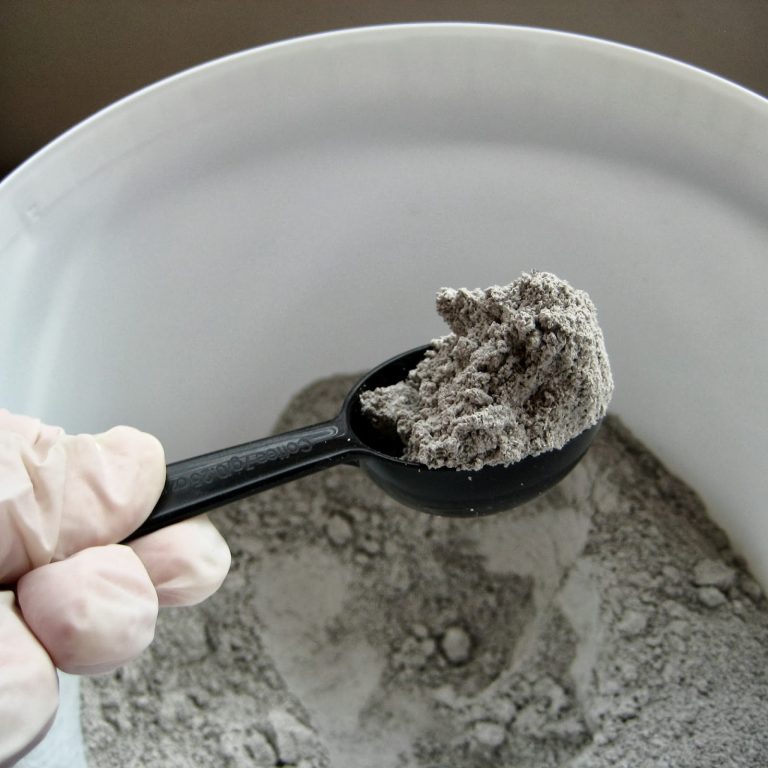
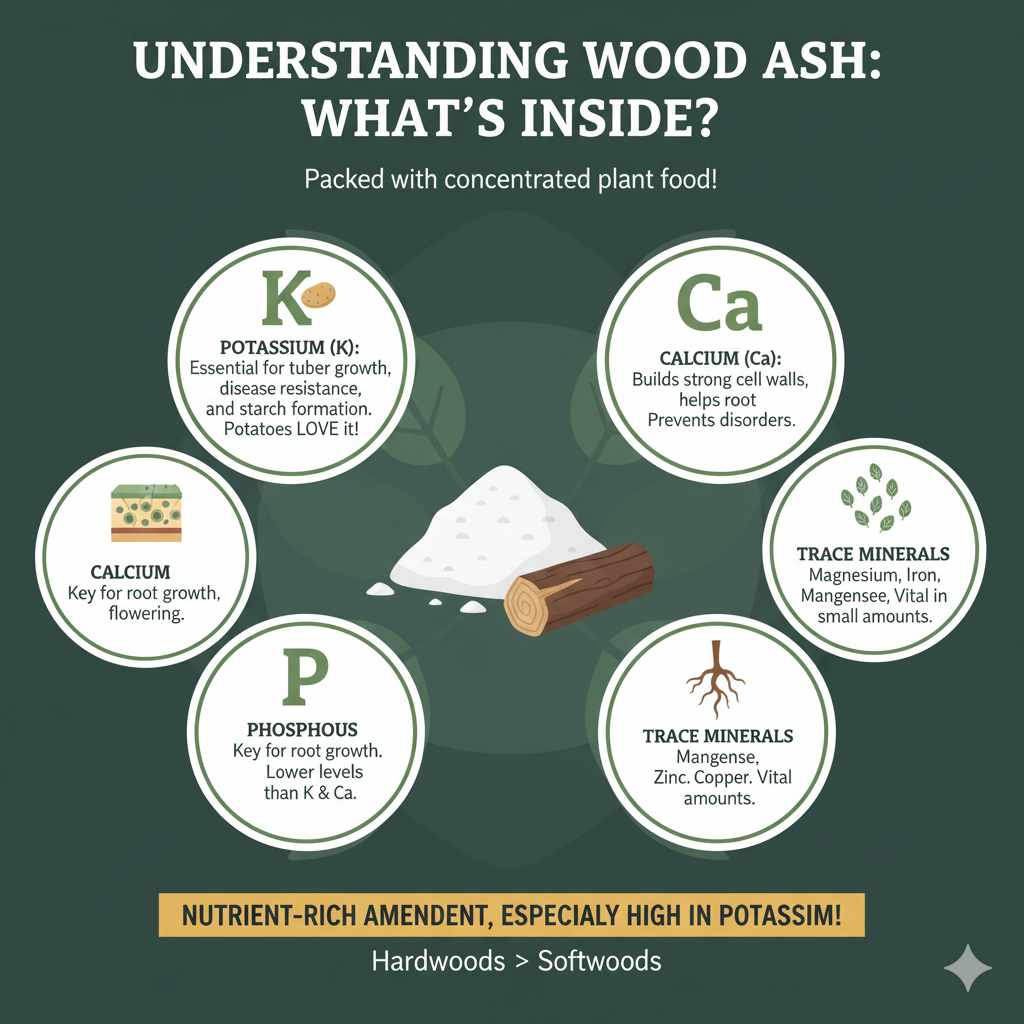
When you burn wood, you’re left with ash. This isn’t just dusty debris; it’s packed with minerals released from the wood. Think of it as concentrated plant food! The exact composition of wood ash varies quite a bit depending on the type of wood burned. Hardwoods generally produce ash with more beneficial minerals than softwoods.
Here’s a look at what you’ll typically find:
Potassium (K): This is perhaps the most significant nutrient in wood ash for plants. Potatoes are heavy feeders of potassium, which is crucial for their growth, disease resistance, and tuber development. It helps regulate water within the plant and is vital for forming starches and sugars, which directly impacts the quality of your potatoes.
Calcium (Ca): Wood ash is a good source of calcium. Calcium is essential for building strong cell walls in plants. For potatoes, adequate calcium can help prevent disorders like blossom end rot (though this is more common in tomatoes and peppers, a healthy plant is always better). It also plays a role in root development.
Phosphorus (P): While present, phosphorus levels in wood ash are generally lower compared to potassium and calcium. Phosphorus is key for root growth, flowering, and fruiting, so while wood ash contributes, it’s not its primary strength.
Trace Minerals: You’ll also find smaller amounts of other essential micronutrients like magnesium, iron, manganese, zinc, and copper. These are needed in tiny quantities but are vital for various plant functions.
The key takeaway is that wood ash provides essential nutrients that can directly benefit your potato plants, particularly potassium, which potatoes love.
The Benefits of Wood Ash for Potatoes
Using wood ash correctly can offer several advantages for your potato crop. It’s like giving your soil a natural mineral supplement!
Here are the main ways wood ash helps potatoes:
Nutrient Supply: As mentioned, the high potassium content is a major plus. Potassium improves overall plant health, increases resistance to diseases and pests, and is critical for forming good quality tubers. Calcium is also beneficial for sturdy plant structure.
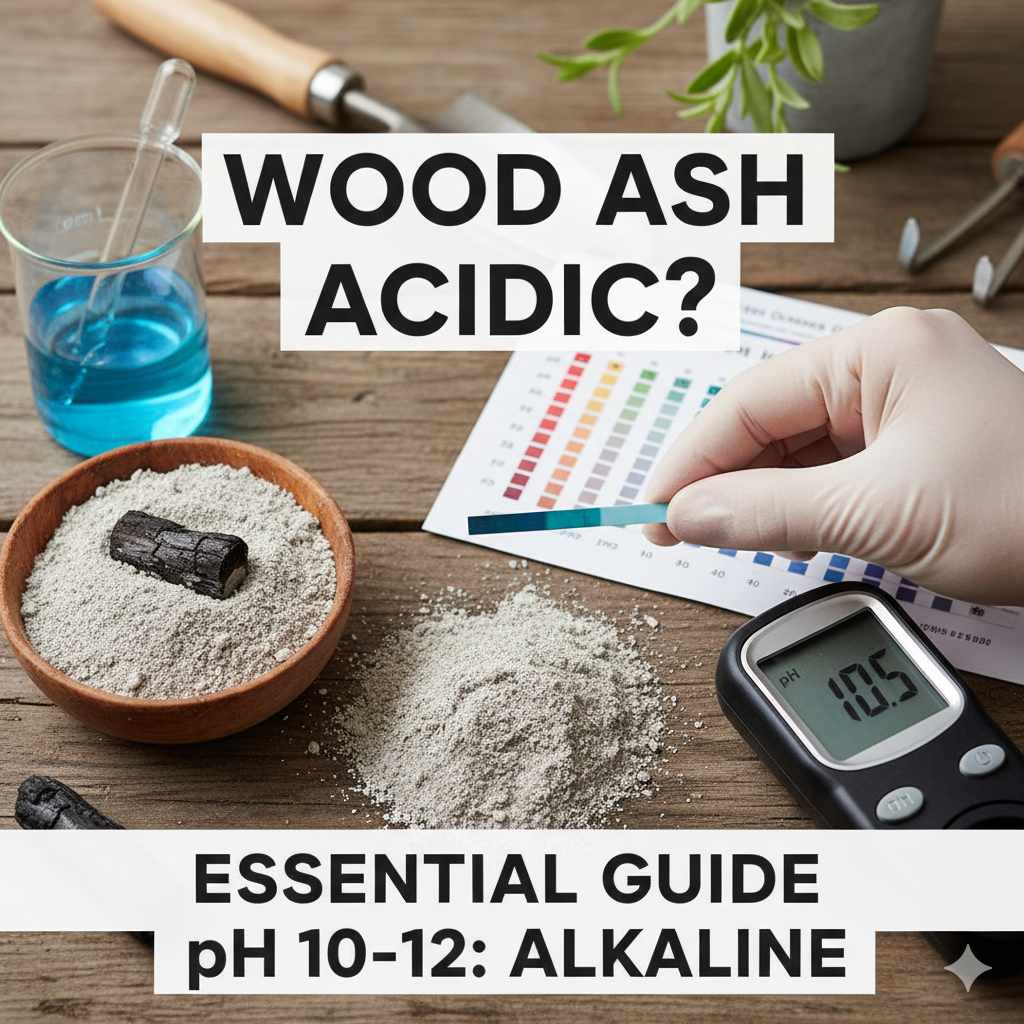
Soil pH Adjustment: This is a critical benefit, especially for potatoes. Potatoes prefer slightly acidic to neutral soil, with an ideal pH range between 5.0 and 6.0. Many soils tend to become more acidic over time, especially in wetter climates or with certain fertilizers. Wood ash is alkaline, meaning it will raise the pH of your soil gradually. This can be a great way to bring soil that’s too acidic into the optimal range for potato growth. This is particularly important as high soil acidity can lead to issues like potato scab.
Improved Tuber Quality: Adequate potassium helps potatoes develop better, bigger tubers with improved starch content, leading to that perfect fluffy texture when cooked.
Disease Resistance: A well-nourished plant, especially one with sufficient potassium, is generally more robust and better able to fend off diseases that can plague potato crops.
While the benefits are clear, it’s crucial to remember that moderation and correct application are key.
Potential Downsides and Risks of Wood Ash for Potatoes
Wood ash isn’t a magic bullet, and using too much or applying it incorrectly can cause more harm than good. It’s essential to be aware of the potential pitfalls.
Here are the risks to consider:
Raising pH Too Much: The biggest risk is making your soil too alkaline. If your soil pH is already neutral or alkaline, adding wood ash can push it too high. Potatoes thrive in slightly acidic conditions. A high pH can lock up essential nutrients like iron and manganese, making them unavailable to your plants, which can lead to deficiencies and stunted growth. It can also increase the risk of certain fungal diseases if not managed. According to the University of Wisconsin-Madison, potatoes generally prefer a pH between 5.0 and 6.0, and too high a pH can exacerbate scab.
Salt Accumulation: Wood ash contains salts. In large quantities, these salts can burn plant roots and seedlings, leading to wilting and death.
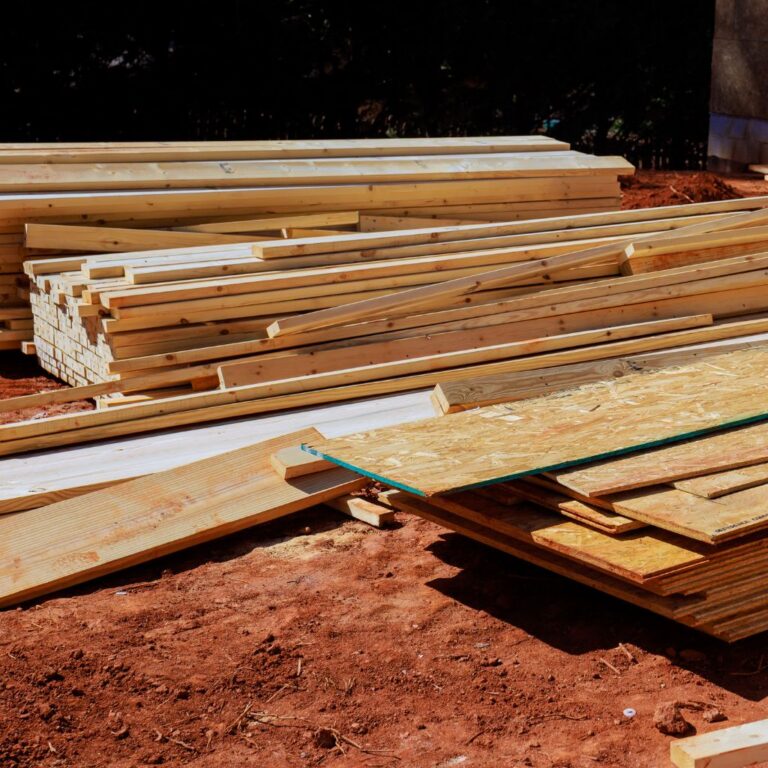
Heavy Metal Contamination: If you burn treated lumber, painted wood, or materials other than natural, untreated wood, the ash can contain harmful chemicals, heavy metals (like lead or arsenic), and toxins. Always ensure you are only using ash from clean, natural wood. Never burn particle board, pressure-treated wood, or anything with paint or finishes.
Nutrient Imbalance: While it adds potassium and calcium, wood ash is low in nitrogen, phosphorus, and sulfur. Relying solely on wood ash for fertility can lead to specific nutrient deficiencies.
Application Difficulties: Ash is very fine and dusty, making it difficult to spread evenly. It can also be easily blown away by the wind before it has a chance to incorporate into the soil.
Understanding these risks helps us implement safe and effective application methods.
How to Properly Apply Wood Ash to Your Potato Garden
The key to safely using wood ash is to treat it with respect and apply it thoughtfully. It’s not something to just dump generously around your plants. Think of it as a targeted supplement, not a broad-spectrum fertilizer.
Here’s a step-by-step guide:
1. Test Your Soil First
This is the absolute most important step! Before you even think about adding wood ash, get your soil tested. A soil test will tell you your current pH and nutrient levels. Your local agricultural extension office (e.g., University of Missouri Extension offices) can often help with affordable soil testing. This information will tell you if your soil is too acidic and needs liming (which wood ash can help with) or if it’s already at a good pH.
2. Use Ash from Clean, Natural Wood Only
Only use ash from burning seasoned, untreated, natural hardwoods (like oak, maple, fruitwoods). Avoid ash from softwoods (like pine, fir) as they contain fewer minerals and can be more acidic. NEVER use ash from:
Pressure-treated lumber
Painted or stained wood
Plywood or particle board
Coal or charcoal briquettes
Newspaper or magazines
3. Let the Ash Age
Freshly produced ash can be intensely alkaline. Letting it sit for a few months allows some of its alkalinity to leach out, making it a bit milder. Store it in a dry place in a metal trash can with a lid – never plastic, as it can become brittle.
4. Apply Sparingly and at the Right Time
Frequency: Do not apply wood ash more than once every 1-2 years.
Amount: This depends heavily on your soil test.
Too Acidic Soil (pH below 5.5): You might apply 1-2 pounds of ash per 100 square feet. This is roughly a generous shovel full for that area.
Good pH Soil (5.5 – 6.5): It’s best to avoid adding wood ash altogether directly to the garden, or use only a very small amount (less than half a pound per 100 sq ft) for surface dressing.
Alkaline Soil (pH above 6.5): Do not add wood ash.
Timing: The best time to apply wood ash is in the fall after harvest or very early in the spring, before planting. This gives the ash a chance to break down and integrate into the soil. Avoid applying it directly to emerging seedlings or established plants, as the salts can cause damage.
5. Incorporate it into the Soil
Do not just sprinkle ash on the soil surface. This can blow away, cause immediate burning, or create a crust that prevents water penetration. Instead, lightly fork or till it into the top few inches of soil (about 2-4 inches deep). This helps it distribute evenly and reduces wind loss.
6. Avoid Direct Contact with Seed Potatoes or Sproutings
If you are adding ash to the planting trench, do so judiciously. Mix it thoroughly with the soil at the bottom of the trench, and then place your seed potatoes on top of a layer of soil, not directly on the ash. A good rule is to ensure at least 4-6 inches of soil between the ash and the seed potato.
7. Use a Dry Day
Apply ash when the air is very still and dry. This helps with even distribution and prevents the ash from clumping and becoming difficult to manage.
When NOT to Use Wood Ash on Potatoes
There are specific situations where adding wood ash to your potato patch is a bad idea. Knowing these will save you from potential problems:
Your Soil pH is Already Neutral or Alkaline: If your soil test shows a pH of 6.5 or higher, your soil is already in the neutral to alkaline range. Potatoes prefer slightly acidic conditions, and adding alkaline wood ash will only make things worse, hindering nutrient uptake and potentially promoting diseases like potato scab.
You Have a History of Potato Scab: Potato scab is a disease that thrives in alkaline soil conditions. If you’ve struggled with scab before, it’s best to avoid adding wood ash, as it will raise the soil pH and create a more favorable environment for the disease.
You Burn Treated or Contaminated Wood: As discussed earlier, ash from treated, painted, or otherwise contaminated wood is toxic and should never be used in the garden. Stick to clean, natural wood ash only.
You Burn Softwoods Exclusively: While some ash is better than none if your soil is acidic, ash from softwoods is less potent in beneficial minerals and can burn roots more easily. Ash from hardwoods is generally preferred.
You Haven’t Tested Your Soil: Guessing about your soil’s pH and nutrient needs is risky. A soil test gives you the data to make informed decisions. Without it, you could be doing more harm than good.
You Have Very Young Seedlings or Sproutings: Direct contact with fresh, potent wood ash can be harsh and burn delicate plant tissues. It’s best applied well in advance of planting or during soil preparation.
Wood Ash vs. Other Soil Amendments for Potatoes
How does wood ash stack up against other common soil amendments used for potatoes? Understanding these differences can help you decide if and when wood ash is the right choice for your garden.
Here’s a comparison:
| Amendment | Primary Benefit(s) for Potatoes | When to Use | Cautions |
|---|---|---|---|
| Wood Ash | Potassium, Calcium, raises soil pH (corrects acidity). | When soil is acidic (pH < 5.5) and low in potassium. Apply in fall or early spring, lightly tilled in. | Can raise pH too high; risk of salt burn; only use clean, natural hardwood ash; avoid if scab is an issue. Never use more than once a year or two. |
| Compost | Improves soil structure, adds organic matter, slow-release nutrients (including N, P, K), beneficial microbes. | Always beneficial for all plant types, including potatoes. Incorporate generously before planting. | Generally no downsides if well-rotted. Avoid fresh, uncomposted materials that can tie up nitrogen or burn roots. |
| Lime (Agricultural) | Primarily raises soil pH (corrects acidity). | When soil is acidic (pH < 5.5) and needs significant pH adjustment. Often prescribed by soil tests. | Can raise pH too high if over-applied. Apply based on soil test recommendations. Forms of lime vary (e.g., dolomitic lime adds magnesium). |
| Potassium Sulfate | Direct, readily available source of potassium, and sulfur. | When soil test confirms potassium deficiency AND you want to avoid raising pH. Useful for plants that need potassium but are sensitive to high pH. | Can be more expensive than wood ash. Ensure a soil test confirms the need for added potassium. |
| Bone Meal | Source of phosphorus and calcium. Slow-release. | When soil test indicates low phosphorus levels. May be added at planting time with seed potatoes. | Relatively low in potassium. Can be slow to break down. Avoid if soil is already high in phosphorus. |
| Manure (Aged) | Adds organic matter, nitrogen, phosphorus, potassium, and trace minerals. Improves soil structure. | Excellent all-around soil amendment. Incorporate well in advance of planting for best results. | Must be well-aged to avoid burning plants and introducing weed seeds. Specific nutrient analysis varies by animal and diet. |
As you can see, wood ash has a specific role, primarily as a pH adjuster and potassium source for acidic soils. It’s not a replacement for compost or other balanced fertilizers but can be a valuable, natural supplement when used judiciously and informed by a soil test.
FAQs About Wood Ash and Potatoes
Q1: Can I use wood ash on potato plants while they are growing?
A: It’s best to avoid applying fresh wood ash directly to actively growing plants. The salts and alkaline nature of ash can burn the foliage and roots. If you must, do so very sparingly on the soil surface between rows, far from the plant base, and only if your soil is quite acidic and desperately needs it. A safer bet is fall application or early spring before planting and then lightly incorporated.
Q2: How much wood ash should I use per potato plant?
A: Applying a specific amount “per plant” is tricky and not the best method. It’s far more effective to apply wood ash based on the square footage of your garden bed and your soil test results. For acidic soil, a common guideline is 1-2 pounds per 100 square feet, lightly worked into the soil. This is hard to measure precisely for individual plants.
Q3: What kind of wood ash is best for potatoes?
A: Ash from seasoned hardwood trees (like oak, maple, ash, fruitwoods) is generally best. Hardwood ash tends to be richer in beneficial minerals like potassium and calcium and is less acidic than softwood ash (like pine or fir). Always ensure the wood was clean and untreated.
Q4: How long does it take for wood ash to affect soil pH?
A: The effects of wood ash on soil pH are relatively gradual. It will begin to raise pH fairly soon after application, but its full impact can take several months. This is why applying it in the fall or very early spring is ideal, giving it time to interact with the soil before the plants are actively growing and sensitive.
Q5: My soil test says my pH is 6.8. Should I use wood ash on my potatoes?
A: No, if your soil pH is 6.8, it’s already neutral to slightly alkaline. Potatoes prefer slightly acidic soil (5.0-6.0). Adding wood ash, which is alkaline, will raise the pH further, potentially causing nutrient tie-ups and increasing the risk of potato scab. In this case, it’s best to avoid wood ash and consider slightly acidic amendments if needed (like sphagnum peat moss, but use those cautiously as well).
Q6: Can wood ash help deter pests from my potatoes?
A: Some gardeners believe that a light dusting of wood ash around plants can act as a deterrent to slugs, snails, and some crawling insects due to its abrasive texture and alkalinity. However, this effect is generally temporary, and the ash can be washed away by rain or dew. Relying solely on wood ash for pest control is not recommended; it’s better used for its soil amendment properties. Its primary benefit is soil conditioning.
Q7: What if I don’t have a soil test? Can I still use wood ash?
A: It’s highly advisable to get a soil test. Without one, you’re essentially guessing, which can be detrimental. If you absolutely cannot get a soil test and are in a region known for acidic soils without evidence of alkaline issues, you might consider using a very small amount (like a dusting, half a pound per 100 sq ft) on your soil in the fall, but this is venturing into risky territory. It’s much safer to wait until you have accurate soil data.
Conclusion: A Little Wood Ash Goes a Long Way
So, to circle back to our initial question: is wood ash good for potatoes? Yes, when used thoughtfully and in the right circumstances, wood ash can be a beneficial, natural amendment for your potato patch. It’s a readily available source of potassium and calcium, and crucially, it can help correct overly acidic soil, creating a more welcoming environment for your spuds to thrive and produce those delicious tubers.
Remember Md Meraj’s woodworking mantra: measure twice, cut once. In gardening terms, this means test your soil first. This single step will guide you on whether your soil needs the alkaline boost wood ash provides.