Ash Burl Wood: Grain, Uses, Cost and How to Dry It
Ash burl is a rounded, knobby growth on an ash tree whose wood has swirling, tightly packed grain instead of straight lines. It is sold as turning blanks, veneer and slabs, and it costs far more than ordinary ash because clean, well-figured pieces are hard to find. The catch is that the same tangled grain that looks so good also dries unevenly and cracks easily, so the way you dry it matters more than the way you finish it.
This guide covers what actually causes a burl, how ash burl differs from plain ash, what it costs in sheets and blanks, how to seal and dry a fresh one, and when stabilizing resin is worth the money. One point that trips up buyers: olive ash and ash burl are two different things, and listing names often blur them.
How Ash Burl Forms
Best Burl End Sealer Pick
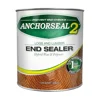 |
Anchorseal 2 Log and Lumber End Grain Sealer, 1 Quart A wax-based end sealer that slows moisture loss from fresh-cut ends, the first job when a green burl arrives.
|
As an Amazon Associate we earn from qualifying purchases.
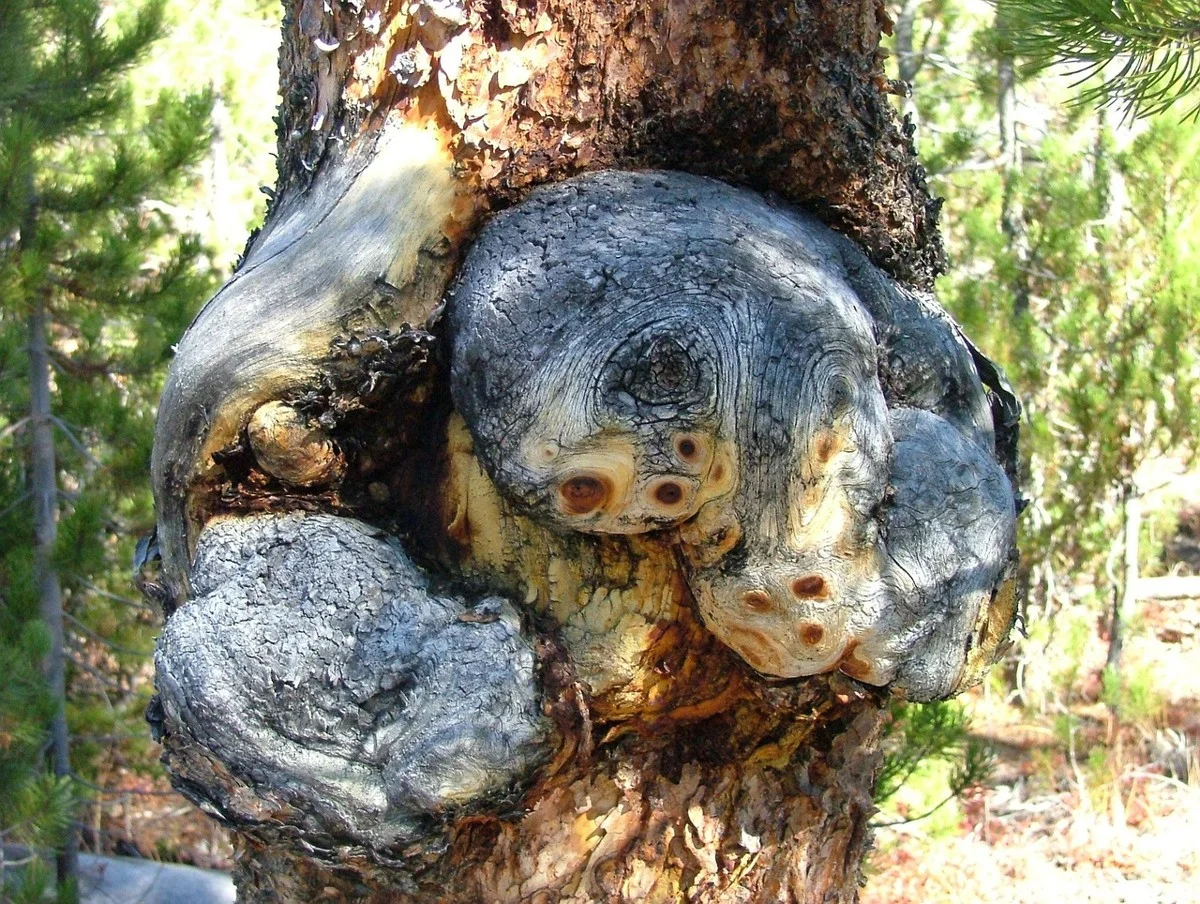
A burl is a place where a tree’s cells grow in a tangle instead of in orderly rings. Researchers have linked many burls to disrupted growth hormones after a virus, fungus or bacterium hijacks the tree’s metabolism, and crown gall bacteria are behind a good share of them. The organism can be long gone by the time the burl is large, so the exact cause is often impossible to confirm. Injury and dormant buds are also associated with burls, but neither explains every case.
Two things buyers often get wrong. First, a burl does not usually kill or weaken the tree: the water-carrying vessels keep working through the twisted grain. Second, and because of that, cutting a burl off a living tree is a bad idea, since the large wound invites infection. Most burl wood on the market comes from trees already being removed or from fallen limbs and trunks.
What the Grain and Color Look Like
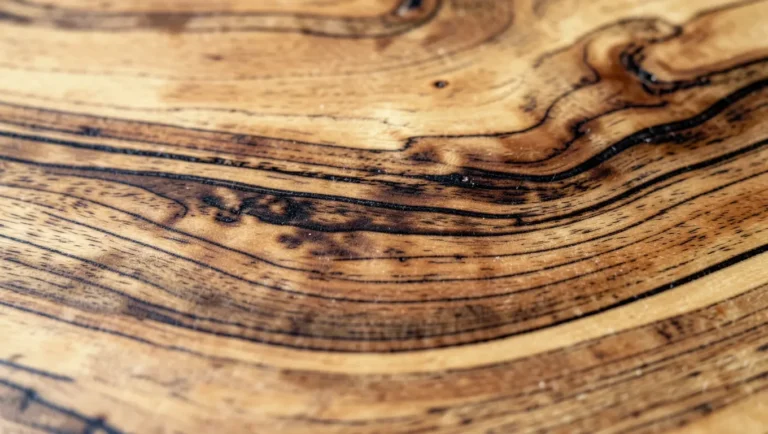
Plain ash is a pale, straight-grained, ring-porous wood, so its burl is easy to tell from walnut burl at a glance. Expect cream to light tan wood with swirled figure, clusters of small knots (often called eyes), and dark brown or black specks and streaks where the grain folds. Large, clean, evenly figured sheets are the scarce part; small dark knots scattered across a creamy background are far more common.
White ash burl vs olive ash burl
White ash (Fraxinus americana) is the pale North American species. Olive ash comes from European ash (Fraxinus excelsior), whose heartwood can show light to medium brown color with darker streaks, giving a two-tone look. Veneer sellers list both “white ash burl” and “olive ash burl” in the same sheet sizes, so check the species and color in the listing rather than assuming the name tells you the grain.
Ash Burl Properties: What Is Known and What Is Not
Ash burl has no published hardness rating of its own. The numbers below are for ordinary white ash and European ash from the Wood Database, and they are the best baseline you can get. A burl’s interlocked grain makes hardness uneven inside one piece, so treat these as a starting point, not a guarantee. This also corrects a common claim that ash burl is always “denser than regular ash”: no published test backs that up, and what you can count on is that it varies from spot to spot.
| Property | White ash | European ash |
|---|---|---|
| Janka hardness | 1,320 lbf | 1,480 lbf |
| Density (12% MC) | 42 lb/ft3 | 42 lb/ft3 |
| Modulus of rupture | 15,000 psi | Not listed here |
| Shrinkage (radial / tangential) | 4.9% / 7.8% | Not listed here |
| Decay resistance (heartwood) | Perishable | Perishable |
| Machining note | Good with hand and machine tools | Good; moderately unpleasant smell when machining |
Two practical takeaways from that table. A tangential shrinkage of 7.8% and a tangential-to-radial ratio of 1.6 for ordinary ash already means it moves noticeably as it dries, and a burl’s grain runs in every direction at once, so it shrinks against itself. And with perishable heartwood, ash burl belongs indoors: keep it away from ground contact and weather.
What Ash Burl Is Used For
- Turned bowls, hollow forms and pens: the classic use, because a lathe follows the swirled grain from every angle.
- Veneer: thin sheets stretch a small amount of burl over large panels, tabletops and cabinet doors. Compare it with the glues used on veneer before you buy.
- Small accents: knife scales, box lids, call and pipe parts, and inlay where only a few square inches show.
- Slabs: rare in ash, and prone to cracking unless dried very slowly.
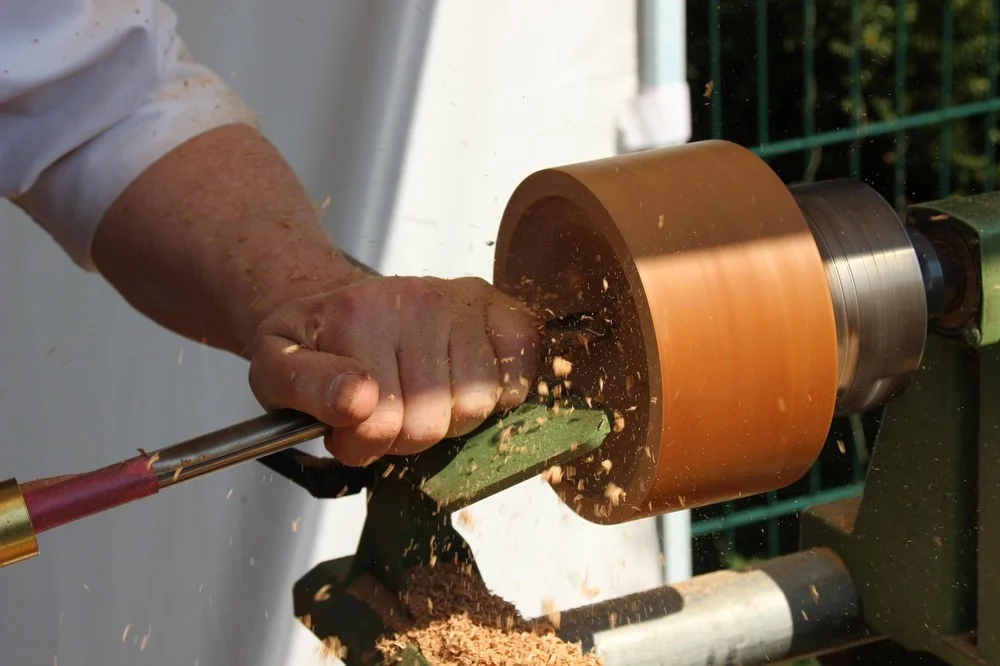
If you are choosing a wood for the lathe, our best wood for turning comparison puts several blanks side by side, and burled walnut is the usual darker alternative.
What Ash Burl Costs
Prices swing with figure, size and who is selling. These are real listings checked in September 2026 from veneer and marketplace sellers, so use them as a range rather than a quote. For a broader look at burl pricing across species, see what burl wood is worth.
| Form | Example listing | Price seen |
|---|---|---|
| Turning blank | White ash burl blank, marketplace seller | From about $28 |
| Raw veneer, small | Ash burl 12 in x 12 in, unbacked, 1/42 in thick | $38.80 |
| Raw veneer, strip | Ash burl 8 in x 51-3/4 in, unbacked | $27.50 |
| Veneer lot | AAA ash burl veneer lots | $81.84 to $140.28 |
| Full sheet, 4 ft x 8 ft | White or olive ash burl, low figure | $607.68 |
| Full sheet, 4 ft x 8 ft | White or olive ash burl, medium figure | $863.68 |
The lesson from the table: veneer is how you get the burl look on something bigger than a pen or bowl without paying for solid burl, and figure grade moves the price more than species does. Ask for photos of the exact piece, because two blanks at the same price can look nothing alike.
How to Dry and Seal a Fresh Ash Burl
Treat any burl you buy as green wood, even if it arrives wrapped in stretch film. Burls dry unpredictably because interlocked fibers shrink in competing directions, and moisture leaves unevenly, so end-grain checks can start within hours in dry air. The goal is slow, even moisture loss.
- Seal the cut faces. Brush a wax-based end sealer on cut ends and flat faces, and leave a small patch unsealed so moisture has somewhere to leave. One burl dealer’s handling guide describes exactly this.
- Cut small slits in the shipping wrap if you leave a wrapped burl to acclimate, so it does not sweat.
- Rough-turn, then dry. For bowls, turners commonly rough-turn to a thick wall (about one-tenth of the diameter is a frequently cited figure), let it dry for months, then re-turn. Air-drying an uncut burl can take a year or more per inch of thickness.
- Consider gentle heat. The same dealer describes a homemade dry box held near 100 F with a small fan. Ovens and microwaves can scorch or crack a burl, so most turners avoid them.
Should You Stabilize Ash Burl?
Stabilizing means soaking a dry blank in a resin under vacuum so the resin fills the wood cells, then curing it with heat. It hardens punky, soft or spalted areas and keeps small pieces from moving. It makes the most sense for pen blanks, knife scales and call parts, where a tiny crack ruins the piece. For a large bowl, the cost and equipment rarely pay off: dry it slowly instead. Stabilizing also does not replace drying, since the resin needs dry wood to soak in.
Turning and Finishing Ash Burl Safely
- Wear a face shield and a respirator. Fine wood dust is an irritant, and burl blanks can hide bark inclusions, voids or cracks that throw chips.
- Start at a low lathe speed until the blank is round and balanced, then bring it up.
- Keep tools razor sharp. Tear-out happens where grain changes direction; light shear cuts and fine grits work better than force.
- Fill small cracks with thin cyanoacrylate glue or tinted epoxy so they do not spread.
- Finish with oil or a thin film. Oil shows the swirls; test on a scrap first. See our ash wood color guide for how ash shifts with finish.
Ash Burl vs Other Burls
Ash burl is lighter and calmer than walnut burl, which has strong dark and light contrast, and it usually costs less than the showier species. If you already own a burl piece that has dulled or cracked, our burl restoration guide covers fill, sanding and oil. For the raw wood itself, ash wood pros and cons lists the numbers for plain ash.
Is ash burl rare?
Good ash burl is scarce, mainly clean, evenly figured pieces. Small dark knots on a creamy background are much easier to find than large, uniform figure.
Is olive ash the same as ash burl?
No. Olive ash is a color and figure of European ash, while a burl is a growth deformity. Sellers list both, so read the species and photos.
How long does ash burl take to dry?
It depends on size. Guides commonly cite three to six months for a rough-turned bowl and a year or more per inch for an uncut burl, and drying slowly matters more than speed.
Can ash burl be used outdoors?
It is best kept indoors. Ash heartwood is rated perishable for decay, and a burl’s irregular grain moves more with moisture.
Does cutting a burl hurt the tree?
The burl itself does not appear to shorten a tree’s life, but cutting it off leaves a large wound that can become infected. Most burl wood comes from trees already being removed.
Do I need to stabilize ash burl?
Only for small, delicate pieces like pens or knife scales. Bowls and larger pieces usually just need slow, careful drying.
Sponsored / affiliate links. As an Amazon Associate I earn from qualifying purchases. I may earn additional commission from eligible campaigns.