Dye vs Stain for Wood: Which Should You Use?
Wood dye and wood stain both add color to wood, but they do it in different ways. Dye usually gives clearer, deeper, more transparent color because the colorant dissolves into a liquid carrier. Stain usually uses pigment, dye, or both to color the wood, and pigment can collect in pores, grain lines, and surface texture. For the full process from bare wood to topcoat, see our wood finishing guide.
Use wood dye when you want vibrant, transparent color that keeps the grain clear. Use wood stain when you want easier application, traditional wood tones, more grain definition, or better control on common DIY projects. For the richest furniture finish, many woodworkers use dye first for base color and then stain or glaze for grain contrast before applying a protective clear coat. If you’re weighing dye and stain against paint or bleach as well, our complete guide to changing the color of wood walks through when each method fits.
Disclosure: This post may contain affiliate links. As an Amazon Associate we earn from qualifying purchases.
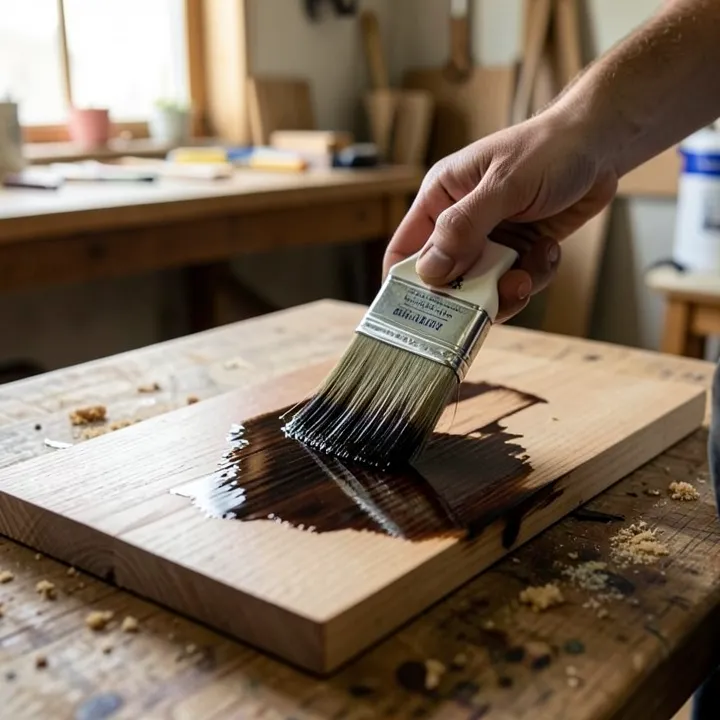
Wood dye is better for deep, transparent, even color that keeps the grain clear. Wood stain is better for easier DIY color, traditional brown tones, grain highlighting, and more forgiving application. Use dye for color depth, stain for grain character, and a clear topcoat over either one for protection.
Dye vs Stain for Wood: Fast Decision Table
Best Wood Dye Pick
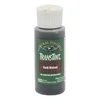
TransTint Liquid Dye Concentrate, Dark Walnut 2 oz
A concentrated liquid dye that dissolves into the wood instead of sitting on top, giving the deep, transparent color this article recommends for maple, cherry, and figured furniture wood.
- Best for: Tight-grained wood (maple, cherry) where pigment stain colors unevenly
- Why we picked it: Mixes with water, alcohol, or shellac, so strength is easy to dilute and test on scrap first
- Main drawback: Needs a protective topcoat and can fade faster than pigment stain without UV protection
Compare more dye and stain options
 Budget Dye Kit Keda Aniline Wood Dye Powder 5-Color Kit
|
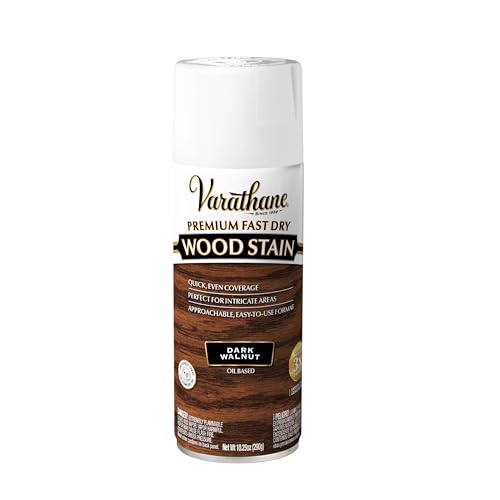
 Best Traditional Stain Varathane Premium Fast Dry Wood Stain, Dark Walnut
|
 Best for Pine Varathane Total Control Gel Stain, Dark Walnut
|
As an Amazon Associate we earn from qualifying purchases.
| Goal | Better Choice | Why | Watch Out For |
|---|---|---|---|
| Deep transparent color | Wood dye | Dye colors the wood without muddying the grain | Can fade if not protected from UV |
| Traditional brown furniture tone | Wood stain | Stain is easier to find in ready-made wood colors | Can blotch on pine, maple, birch, and cherry |
| Highlight open grain on oak or ash | Pigment stain | Pigment collects in pores and emphasizes grain | Can make sanding scratches more visible |
| Color maple evenly | Dye | Dye can color tight-grained wood more evenly than pigment stain | Requires careful test samples |
| Fix blotchy pine color | Gel stain or conditioner plus stain | Thicker stain gives more control than thin penetrating stain | Dye alone may still show uneven absorption |
| Bright blue, red, black, or custom color | Wood dye | Dyes are often available in strong, mixable colors | Color can look intense before topcoat |
| Beginner-friendly color | Wood stain | Ready-to-use stains are simpler for most DIY projects | Still needs prep and testing |
| Professional layered finish | Dye plus stain or glaze | Dye gives base color; stain/glaze adds grain contrast | More steps and more testing required |
What Is Wood Dye?
Wood dye is a colorant that dissolves into a liquid carrier such as water, alcohol, or another solvent. Because the dye color is dissolved, it can color the wood with a very transparent look. It usually does not leave heavy pigment particles sitting in the pores the same way a pigment stain can.
This is why dye is often used when the goal is clarity. It can make figured maple, curly maple, cherry, walnut, or tight-grained wood look rich without hiding the figure. Dye is also useful when you want non-traditional colors such as black, blue, red, green, or bright custom tones.
Wood dye is not usually the final protective finish. It colors the wood, then you protect it with shellac, lacquer, polyurethane, varnish, oil, or another compatible clear coat. Without a topcoat, dyed wood can be vulnerable to wear, moisture, and fading. Choosing the right lacquer or polyurethane over stain is the next step.
What Is Wood Stain?
Wood stain is a wood-coloring product that usually contains pigment, dye, or both, carried in water, oil, solvent, gel, or another binder system. Many common stains are sold ready to use in familiar wood colors such as walnut, oak, cherry, mahogany, espresso, gray, and natural brown tones.
Pigment stain behaves differently from dye. Pigment particles are larger and tend to lodge in pores, grain lines, open grain, sanding scratches, and surface texture. That can be very useful when you want to highlight oak grain or give pine a traditional stained look. It can also make sanding defects and blotchy absorption more obvious.
For more help choosing stain by project, read our guide on what is the best wood stain.
Main Difference Between Dye and Stain
| Feature | Wood Dye | Wood Stain |
|---|---|---|
| Colorant behavior | Dissolved colorant | Pigment, dye, or both |
| Look | Clear, transparent, deep color | Traditional wood tone with more grain definition |
| Grain effect | Colors wood without heavy pore build-up | Pigment can collect in open grain and pores |
| Best woods | Maple, cherry, figured wood, tight-grained woods | Oak, ash, pine with prep, common DIY lumber |
| Ease of use | Requires more testing and mixing | Usually easier for beginners |
| Color options | Strong custom colors and deep tones | Ready-made traditional wood colors |
| Protection | Needs a clear finish | Often still needs a clear finish indoors |
| Best use | Fine furniture, custom color, layered finish | Furniture, cabinets, trim, decks, fences, general projects |
When Wood Dye Is Better
Wood dye is better when you want color depth without hiding the grain. It is especially useful on figured maple, curly maple, cherry, walnut, and other furniture woods where clarity matters. Dye can also help create modern colors that are harder to achieve with regular brown stain.
Dye is also useful when pigment stain does not color the wood the way you want. On some tight-grained woods, pigment stain may not lodge well in the pores. Dye can color the wood more evenly because the color is dissolved into the carrier.
Choose wood dye when:
- You want deep transparent color
- You want to keep figure and grain clear
- You are coloring maple, cherry, or figured wood
- You want custom colors like black, blue, red, or green
- You plan to apply a clear protective finish afterward
- You are comfortable testing and adjusting color strength
When Wood Stain Is Better
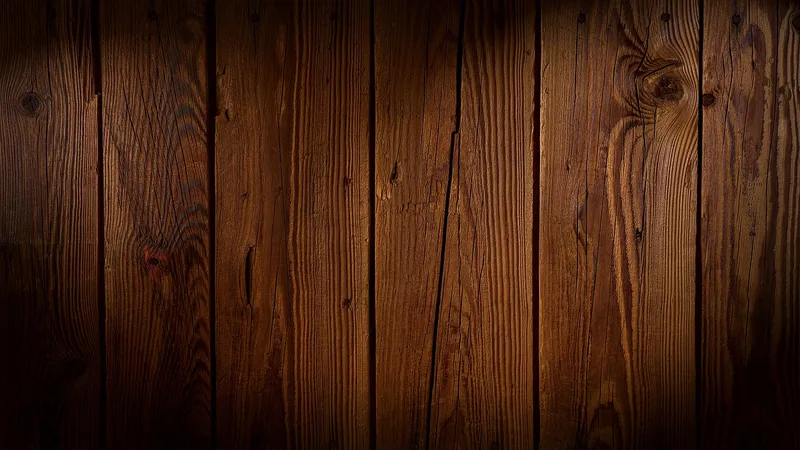
Wood stain is better when you want a ready-to-use product, traditional wood tones, or more visible grain contrast. Pigment stain can make oak, ash, and other open-grain woods look more dramatic because pigment settles into pores and grain lines.
Stain is also easier for many DIY projects because it is commonly available in hardware stores and comes in familiar colors. If you are staining shelves, trim, basic furniture, cabinets, or outdoor wood, stain is usually simpler than mixing dye.
Choose wood stain when:
- You want an easier ready-made color
- You want walnut, oak, cherry, espresso, gray, or brown tones
- You want to highlight open grain
- You are staining oak, ash, cedar, pine, or common project wood
- You are working on decks, fences, trim, cabinets, or furniture
- You want a more familiar DIY process
Can You Use Dye and Stain Together?
Yes, you can use dye and stain together. This is one of the best ways to create a rich furniture finish. Dye can create the base color inside the wood, then pigment stain or glaze can add grain contrast on top. After the color work is complete, a clear topcoat protects the finish; options like shellac or polyurethane work well as a topcoat.
A common layered schedule looks like this:
- Sand the wood evenly.
- Apply wood dye to create the base color.
- Let the dye dry completely.
- Seal lightly with shellac or another compatible sealer if needed.
- Apply pigment stain or glaze to add grain contrast.
- Wipe back the excess.
- Apply a protective clear coat.
This approach can make flat-looking wood look deeper and more dimensional. It is not the fastest method, but it can create a more professional finish than one-step stain alone.
Dye vs Stain on Different Wood Species
The best choice changes by wood species. Pine does not behave like oak. Maple does not behave like cedar. Always test on scrap from the same project before applying dye or stain to the full piece.
| Wood Species | Better Choice | Reason | Tip |
|---|---|---|---|
| Maple | Dye | Tight grain can resist pigment stain | Use dye for even transparent color |
| Cherry | Dye or light stain | Cherry darkens naturally and can blotch | Use light dye/stain and test carefully |
| Oak | Pigment stain or dye plus stain | Open pores hold pigment well | Use stain to highlight grain |
| Ash | Pigment stain | Open grain shows contrast well | Consider grain filler for smooth finish |
| Pine | Gel stain or conditioner plus stain | Softwood absorbs unevenly | Read our guide on best finish for pine wood |
| Walnut | Dye, light stain, or clear finish | Natural color is already rich | Avoid muddying the grain |
| Cedar | Exterior stain/sealer | Often used outdoors and needs weather protection | See how to stain cedar |
Dye vs Stain for Pine
Pine is one of the hardest common woods to color evenly. It is soft, porous, and uneven. Thin dye can make pine look blotchy if the wood absorbs color at different rates. Regular penetrating stain can also blotch.
For pine, gel stain or pre-stain conditioner plus stain is usually easier than dye alone. Gel stain gives more control because it is thicker and sits more on the surface. Conditioner can reduce uneven absorption before regular stain. If you use dye on pine, test first and consider sealing or washcoating to control absorption.
Dye vs Stain for Oak
Oak often looks excellent with pigment stain because the open pores hold pigment and create strong grain contrast. Dye can color oak too, but dye alone may look flatter if you want dramatic pore definition.
For a deep oak finish, a layered approach works well: dye first for base color, then pigment stain or glaze to emphasize pores. This gives both depth and grain contrast.
Dye vs Stain for Maple
Maple is tight-grained and can be difficult to color with pigment stain. Pigment may not lodge evenly, and blotching can happen. Dye is often better when you want a uniform transparent color on maple.
Figured maple can look especially good with dye because dye can make curl, flame, and figure appear deeper. However, strong dye can also exaggerate sanding marks, so prep matters.
Dye vs Stain for Outdoor Wood
For outdoor wood, stain is usually the better choice than dye alone. Outdoor wood needs more than color. It needs weather resistance, UV resistance, water repellency, mildew resistance, or a compatible exterior clear finish.
Dye can be used in some exterior finishing systems, but most homeowners should choose exterior-rated stain, deck stain, fence stain, or exterior sealer. For outdoor projects, read our guides on what is the best deck stain, what is the best fence stain, and what is the best wood sealer.
Does Dye or Stain Protect Wood?
Dye is mainly for color, not protection. Many stains also focus mainly on color, especially interior stains. Some exterior stains include protective additives, but indoor stained wood usually still needs a clear topcoat for durability.
For furniture, cabinets, tabletops, trim, and shelves, plan to apply a compatible clear finish after the dye or stain dries. Common topcoats include shellac, lacquer, polyurethane, varnish, oil, and water-based clear finishes. For painted surfaces, see our guide on best clear coat for painted wood.
📊 Why dye fades faster than pigment stain: dye color comes from dissolved molecules with no physical mass sitting in the wood, so UV light breaks the color down directly. Pigment particles in stain are larger and partly opaque, so they scatter and block some UV instead of absorbing it. For dyed pieces that will see direct sunlight, a UV-inhibiting topcoat (or an amber shellac wash coat before the topcoat) measurably slows the fade — plain lacquer or straight water-based poly offers little UV protection on its own.
How to Apply Wood Dye
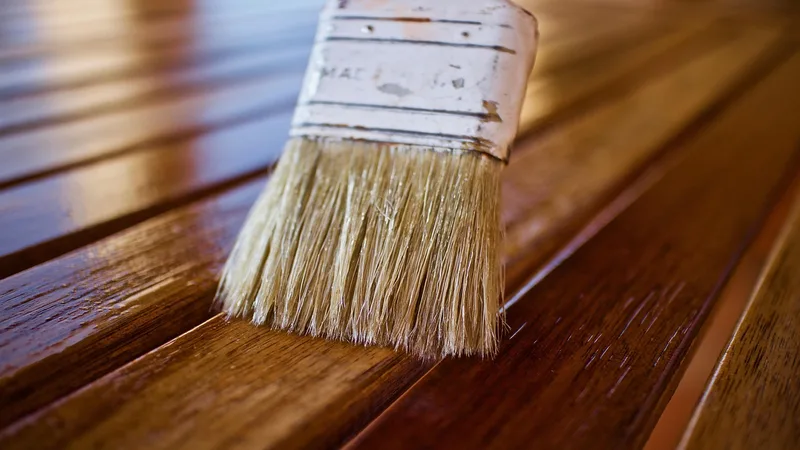
Wood dye can be applied with a rag, sponge, brush, pad, or sprayer depending on the product. The most important step is testing. Dye strength can be adjusted by dilution, so start lighter than you think you need.
- Sand the wood evenly.
- Remove dust with vacuum and clean cloth.
- Mix or dilute the dye according to the label.
- Test on scrap wood from the same project.
- Apply evenly with a rag, sponge, brush, or sprayer.
- Keep a wet edge to reduce lap marks.
- Let the dye dry fully.
- Apply another dye coat if deeper color is needed.
- Seal and topcoat with a compatible finish.
How to Apply Wood Stain
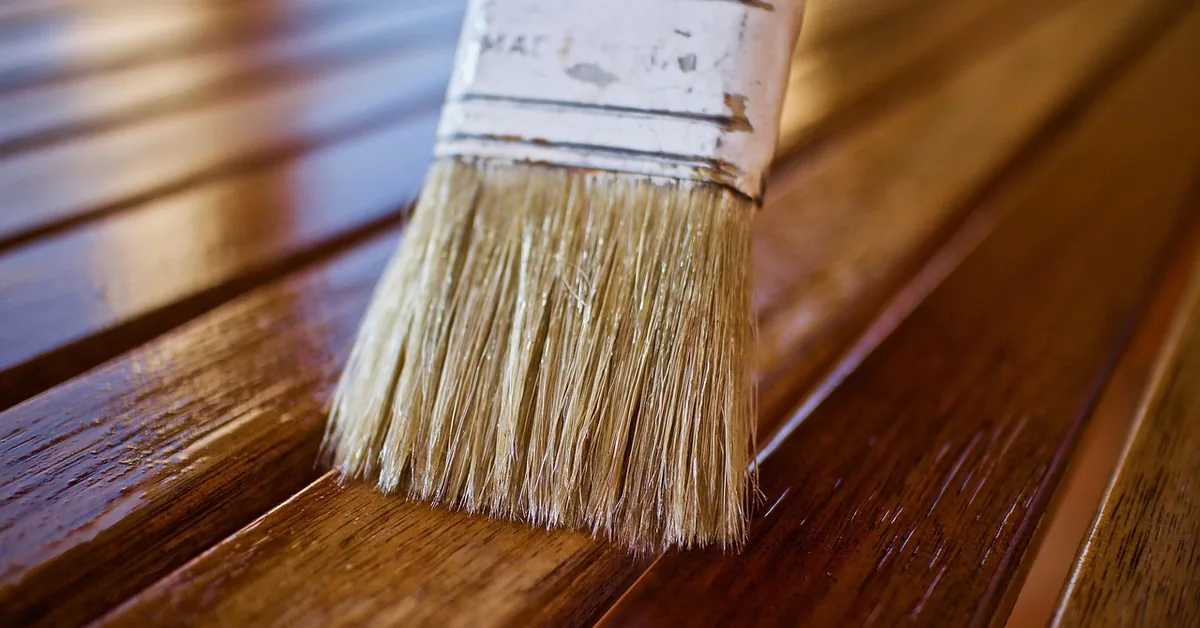
Wood stain is usually applied with a rag, brush, pad, or sponge. Many stains are wiped off after a short time, but the exact process depends on the product. Always follow the label.
- Sand evenly and remove dust.
- Use pre-stain conditioner on blotch-prone wood if needed.
- Stir stain thoroughly so pigments are evenly mixed.
- Apply stain in the direction of the grain.
- Let it sit only as long as the label allows.
- Wipe off excess stain evenly.
- Let the stain dry completely.
- Apply a compatible clear coat when protection is needed.
Common Mistakes With Wood Dye and Stain
Skipping test boards
Dye and stain can look very different on different wood species. Test on scrap from the same project before finishing the whole piece.
Assuming stain is a topcoat
Interior stain often needs a protective clear coat. Color alone is not enough for tabletops, cabinets, shelves, and furniture that gets used.
Using dye outdoors without protection
Dye can fade if it is not protected from sunlight. For outdoor wood, use an exterior-rated finishing system.
Not stirring pigment stain
Pigments can settle at the bottom of the can. Stir stain thoroughly before and during use for consistent color.
Over-sanding or uneven sanding
Uneven sanding changes how color absorbs. Very fine sanding can reduce stain penetration on some woods, while coarse scratches can become darker after staining.
Using dark stain on pine without conditioner
Dark stain on pine can look blotchy. Use conditioner, gel stain, washcoat, or test carefully before committing.
Dye vs Stain for Wood: Final Recommendation
Use wood dye when you want deep transparent color, custom colors, or clear figure on maple, cherry, walnut, and fine furniture woods. Use wood stain when you want easier application, traditional wood tones, grain highlighting, and a familiar DIY process. Use gel stain or conditioner plus stain for pine and other blotch-prone woods.
For the best furniture finish, do not think of dye and stain as enemies. Dye can create the base color. Stain or glaze can add grain contrast. A clear topcoat can protect the final result. The right choice depends on the wood species, the color goal, the project location, and how much control you want during application.
FAQs About Dye vs Stain for Wood
Is wood dye better than stain?
Wood dye is better when you want deep transparent color and clear grain. Wood stain is better when you want easier application, traditional wood tones, and more grain contrast.
What is the main difference between wood dye and wood stain?
The main difference is how the color works. Dye dissolves into the carrier and gives transparent color. Stain usually contains pigment, dye, or both, and pigment can collect in pores and surface texture.
Can you stain over wood dye?
Yes, you can stain over wood dye after the dye is dry. Many woodworkers dye first for base color, then use stain or glaze to add grain contrast.
Can you dye over wood stain?
Dye over stain is less predictable because stain may block absorption. It is usually better to dye bare wood first, then stain or glaze if more color depth is needed.
Does wood dye need a topcoat?
Yes, wood dye usually needs a protective topcoat. Dye adds color but does not provide enough wear, water, or scratch protection by itself.
Does wood stain need a topcoat?
Most indoor wood stains need a clear topcoat for protection. Some exterior stains and stain-and-sealer products include protection, but they still need maintenance over time.
Is dye or stain better for maple?
Dye is often better for maple because maple is tight-grained and pigment stain may not color it evenly. Always test first because maple can still blotch.
Is dye or stain better for oak?
Stain is often better for oak when you want strong grain contrast. Dye can also work, especially when layered under a pigment stain or glaze.
Is dye or stain better for pine?
For pine, gel stain or pre-stain conditioner plus stain is usually easier than dye alone. Pine absorbs color unevenly, so testing is important.
Can wood dye be used outside?
Wood dye can be used outside only as part of a compatible exterior finishing system. For most outdoor projects, exterior stain, deck stain, fence stain, or exterior sealer is the safer choice.
Sponsored / affiliate links. As an Amazon Associate I earn from qualifying purchases. I may earn additional commission from eligible campaigns.