
Mahogany Wood Properties: Strength & Elegance Unveiled
Mahogany wood is known for its durability, rich color, and resistance to decay. It also boasts excellent workability and stability.
Mahogany has long captivated woodworkers and furniture makers due to its striking appearance and exceptional qualities. This hardwood features a deep, reddish-brown hue that can deepen with age, adding character to any piece. Renowned for its strength, mahogany resists warping and is less prone to scratches and dents compared to other woods.
Its fine grain allows for smooth finishes and detailed carvings, making it a favorite for high-end cabinetry and decorative items. Beyond aesthetics, mahogany is also sustainable when sourced responsibly, contributing to eco-friendly practices. Understanding its properties can help you appreciate why mahogany remains a top choice in woodworking.
Introduction To Mahogany Wood
Mahogany wood is renowned for its beauty and durability. This prized hardwood comes from tropical trees. It is highly valued in furniture making and cabinetry. Its rich color and fine grain make it a favorite among artisans.
The Majesty Of Mahogany
Mahogany exhibits several remarkable properties:
- Color: Deep reddish-brown hue.
- Grain: Straight, fine, and often interlocked.
- Durability: Highly resistant to wear and tear.
- Workability: Easy to cut and shape.
- Stability: Minimal shrinkage and swelling.
These features make mahogany ideal for various applications:
- Furniture
- Cabinetry
- Musical Instruments
- Boat Building
- Flooring
Historical Significance
Mahogany has a rich history. It was popular in the 18th century. Shipbuilders valued it for its strength. Furniture makers loved its beauty.
Many famous pieces of furniture are made from mahogany. It symbolizes luxury and craftsmanship. Historical documents often mention mahogany’s importance.
Today, mahogany remains a sought-after material. Its legacy continues in modern design.
Botanical Profile
The botanical profile of mahogany wood reveals its rich diversity. This wood comes from several species of trees in the genus Swietenia. Each species offers unique characteristics and properties.
Species Variations
Mahogany includes several notable species:
- Swietenia macrophylla – Commonly known as Honduras mahogany.
- Swietenia mahagoni – Known as Caribbean mahogany.
- Swietenia humilis – Also called Pacific mahogany.
Each species has distinct qualities:
| Species | Color | Grain Pattern | Durability |
|---|---|---|---|
| Swietenia macrophylla | Reddish-brown | Straight to interlocked | High |
| Swietenia mahagoni | Deep brown | Straight | Moderate |
| Swietenia humilis | Yellowish-brown | Wavy | Low |
Natural Habitat
Mahogany trees thrive in specific environments. They prefer warm, tropical climates. They grow in areas with abundant rainfall.
Common regions include:
- Central America
- South America
- The Caribbean
These trees often flourish in rainforests. They require well-drained soil. They grow best in locations with plenty of sunlight.
Physical Characteristics
Mahogany wood is known for its stunning appearance and durability. Understanding its physical characteristics helps in choosing the right applications. The two main aspects to explore are color and grain, and density and hardness.
Color And Grain
Mahogany wood is famous for its rich, warm tones. The color ranges from a light pinkish-brown to a deep reddish-brown. Over time, the wood darkens, enhancing its beauty.
The grain of mahogany is straight and tight. It often displays a fine, interlocking pattern. This unique grain pattern gives mahogany a luxurious look.
- Color Variations:
- Light Pinkish-Brown
- Deep Reddish-Brown
- Dark Brown with Age
- Grain Patterns:
- Straight
- Tight
- Interlocking
Density And Hardness
Mahogany wood is dense and strong. Its density ranges from 600 to 800 kg/m³. This makes it suitable for various applications.
The hardness rating of mahogany is around 1,000 lbf on the Janka scale. This rating indicates its resistance to wear and denting.
| Property | Measurement |
|---|---|
| Density | 600 – 800 kg/m³ |
| Hardness | 1,000 LDF (Janka scale) |
These properties contribute to mahogany’s popularity in furniture making. Its durability ensures longevity in various products.
Mechanical Properties
Understanding the mechanical properties of mahogany wood is crucial for its application in various projects. These properties determine how well the wood performs under different conditions. Below, we explore the strength factors and durability of mahogany.
Strength Factors
Mahogany wood is known for its impressive strength. Here are some key strength factors:
- Compression Strength: High resistance to forces that push together.
- Tensile Strength: Excellent ability to withstand pulling forces.
- Bending Strength: Robust against bending and flexing forces.
| Strength Type | Measurement (psi) |
|---|---|
| Compression | 8,000 |
| Tensile | 14,000 |
| Bending | 15,000 |
These strength factors make mahogany a preferred choice for furniture and cabinets. Its strong structure supports heavy loads easily.
Durability And Longevity
Durability is one of mahogany’s standout features. This wood can last for many years with proper care. Here are some reasons:
- Natural Resistance: Mahogany is resistant to rot and decay.
- Pest Resistance: It repels insects, reducing damage.
- Weather Resistance: Suitable for both indoor and outdoor use.
With regular maintenance, mahogany maintains its beauty over time. This wood is often used for:
- Outdoor furniture
- Boat building
- High-end cabinetry
Investing in mahogany means investing in quality and longevity. Its natural properties ensure it stands the test of time.
Working With Mahogany
Mahogany wood is a favorite among woodworkers. It offers beauty and durability. Understanding how to work with this wood is essential. This section covers machining, tooling, and finishing techniques.
Machining And Tooling
Machining mahogany requires sharp tools. This wood can dull blades quickly. Here are some tips for effective machining:
- Use high-speed steel (HSS) or carbide-tipped tools.
- Keep tools sharp to avoid tearing.
- Maintain a steady feed rate for smooth cuts.
Mahogany machines well with both hand and power tools. It responds positively to:
- Saws
- Planers
- Jointers
It’s crucial to take precautions:
- Wear a dust mask. Mahogany dust can irritate.
- Ensure proper ventilation in your workspace.
Finishing Techniques
Finishing mahogany enhances its natural beauty. It has a rich, warm color. Follow these steps for the best results:
- Sand the surface with fine-grit sandpaper.
- Clean the dust thoroughly before applying finish.
- Use a wood conditioner to prevent blotching.
Common finishes include:
| Finish Type | Characteristics |
|---|---|
| Oil | Enhances grain, easy to apply. |
| Varnish | Durable, provides a glossy look. |
| Lacquer | Fast-drying, smooth finish. |
Always test your finish on a scrap piece first. This ensures the desired look. Mahogany’s natural beauty shines through with the right techniques.
Sustainability And Sourcing
Mahogany wood is not just beautiful. Its sustainability and sourcing practices matter greatly. Responsible sourcing ensures that forests remain healthy. This benefits both the environment and communities. Let’s explore the key aspects of sustainability in mahogany wood.
Environmental Impact
The environmental impact of mahogany wood depends on how it is sourced. Sustainable practices minimize harm to ecosystems. Here are some important points:
- Mahogany trees grow slowly. This makes overharvesting a serious issue.
- Unsustainable logging leads to deforestation.
- Deforestation affects wildlife habitats and biodiversity.
- Healthy forests help combat climate change.
Choosing sustainably sourced mahogany supports environmental health. It reduces the carbon footprint. Consumers can help by selecting products from responsible suppliers.
Certified Forestry Practices
Certified forestry practices ensure that wood comes from responsible sources. These certifications help protect forests. Here are key certifications to look for:
| Certification | Description |
|---|---|
| FSC (Forest Stewardship Council) | Ensures sustainable forest management and eco-friendly practices. |
| PEFC (Programme for the Endorsement of Forest Certification) | Promotes sustainable forest management on a global scale. |
Choosing certified mahogany wood guarantees responsible sourcing. It supports local communities and preserves natural resources. Look for these certifications in your next purchase.
Common Uses Of Mahogany
Mahogany is a popular wood known for its beauty and strength. Its rich color and durability make it a favorite in various industries. Below, we explore two primary uses of mahogany: furniture and cabinetry, and musical instruments.
Furniture And Cabinetry
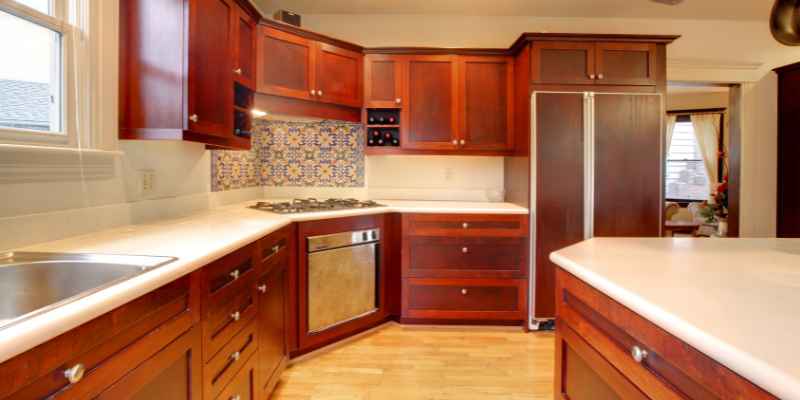
Mahogany wood is often used for making furniture and cabinetry. Its stunning appearance adds elegance to any room.
- Tables
- Chairs
- Dressers
- Cabinets
This wood is easy to work with and finishes beautifully. It resists warping and cracking, ensuring long-lasting pieces. Here’s a quick comparison:
| Property | Mahogany | Other Woods |
|---|---|---|
| Durability | High | Medium |
| Appearance | Rich color | Varies |
| Workability | Easy | Varies |
Musical Instruments
Mahogany is not just for furniture. It is also used in making musical instruments. Its tonal properties enhance sound quality.
- Guitars
- Pianos
- Violins
Musicians love mahogany for its warm tones. It provides a rich sound that resonates beautifully. This wood adds both beauty and function to instruments.
Care And Maintenance
Maintaining the beauty of mahogany wood requires simple care routines. Proper cleaning and timely repairs keep it looking great. Here are essential tips to care for your mahogany furniture.
Cleaning Tips
Regular cleaning helps preserve the shine of mahogany wood. Follow these steps for effective cleaning:
- Use a soft, dry cloth to dust the surface.
- For deeper cleaning, use a damp cloth with mild soap.
- Avoid harsh chemicals; they can damage the finish.
- Always dry the wood thoroughly after cleaning.
Consider using a wood polish occasionally. This enhances the natural luster of mahogany.
Repair And Restoration
Even with care, mahogany wood may need repairs. Here are some common issues and solutions:
| Issue | Solution |
|---|---|
| Scratches | Use a wood filler or matching wax crayon. |
| Dents | Apply steam from a wet cloth to raise the wood. |
| Fading | Reapply wood polish or stain to refresh color. |
For extensive damage, seek professional help. Proper restoration can bring your mahogany back to life.
Future Of Mahogany
The future of mahogany wood is bright and promising. As demand grows, innovative practices emerge. Sustainability and responsible sourcing will shape this future. Mahogany’s beauty and durability ensure its popularity in various markets.
Innovations In Cultivation
New techniques are enhancing the growth of mahogany trees. These innovations focus on sustainability and efficiency.
- Genetic Engineering: Scientists develop faster-growing mahogany strains.
- Agroforestry: Combining mahogany with crops improves biodiversity.
- Water Management: Advanced irrigation systems increase tree survival rates.
These methods promote healthier forests and reduce environmental impact. Farmers are adopting these techniques to meet market demands.
Trends In Mahogany Utilization
Mahogany wood is gaining popularity in various industries. Here are some key trends:
| Industry | Use of Mahogany |
|---|---|
| Furniture | High-end tables, cabinets, and chairs. |
| Musical Instruments | Guitars, pianos, and more. |
| Construction | Decking, flooring, and paneling. |
Craftsmen appreciate mahogany for its rich color and grain. The demand for eco-friendly products boosts its market value.
Frequently Asked Questions
What Are The Key Properties Of Mahogany Wood?
Mahogany wood is known for its durability and resistance to decay. It features a fine grain and rich color, making it visually appealing. This hardwood is also easy to work with and finishes beautifully. Additionally, mahogany is stable, which means it resists warping over time.
Is Mahogany Wood Good For Furniture?
Yes, mahogany wood is excellent for furniture. Its strength and durability make it ideal for both indoor and outdoor pieces. The beautiful grain adds an elegant touch to any design. Moreover, mahogany ages well, enhancing its charm and value over the years.
How Does Mahogany Compare To Other Woods?
Mahogany stands out for its rich color and durability. Compared to other woods, it offers superior resistance to moisture and pests. While softer woods may dent easily, mahogany maintains its shape under pressure. Its long lifespan also makes it a more cost-effective choice in the long run.
Is Mahogany Wood Sustainable?
Sustainability varies based on sourcing practices. Some mahogany comes from responsibly managed forests, while others may contribute to deforestation. Always check for certifications like the Forest Stewardship Council (FSC). Choosing sustainably sourced mahogany helps protect ecosystems and supports ethical forestry practices.
Conclusion
Mahogany wood is a timeless choice for furniture and decor. Its durability and rich color make it highly sought after. Understanding its properties helps in making informed choices. Whether for crafting or home design, mahogany offers beauty and longevity. Embrace this magnificent wood for your next project.
You’ll appreciate its unique qualities.