Mahogany Wood Wall Paneling: Cost ($15-$75/Sq Ft) & Care
Mahogany wood wall paneling costs $15 to $75 per square foot, with solid slat panels commanding the premium over thin veneer sheets. Skip the FSC certification check and you risk buying wood labeled “mahogany” that isn’t the real tropical hardwood, and packing too much of the dark tone into a dim room can make it feel heavy instead of warm. This guide covers real cost ranges, installation steps, and how to keep panels looking sharp for decades.
What Is Mahogany Wood Wall Paneling?
Best Budget Mahogany-Look Wall Pick

JSEVEM Mahogany Wood Grain Peel & Stick Wallpaper (24" x 354") – $45.99
A removable, waterproof way to get the mahogany reddish-brown grain this guide describes without paying $20-$75 per sq ft for solid slat paneling – good for renters or a low-risk accent wall test before committing to real wood.
- Best for: Renters, accent walls, and testing the mahogany look before a solid-wood install
- Why we picked it: Matches the reddish-brown mahogany grain covered above at a fraction of the solid-wood cost, and it’s removable if it doesn’t work in the room
- Main drawback: Vinyl surface, not real wood – won’t take an oil finish or match the depth of genuine mahogany grain up close
As an Amazon Associate we earn from qualifying purchases.
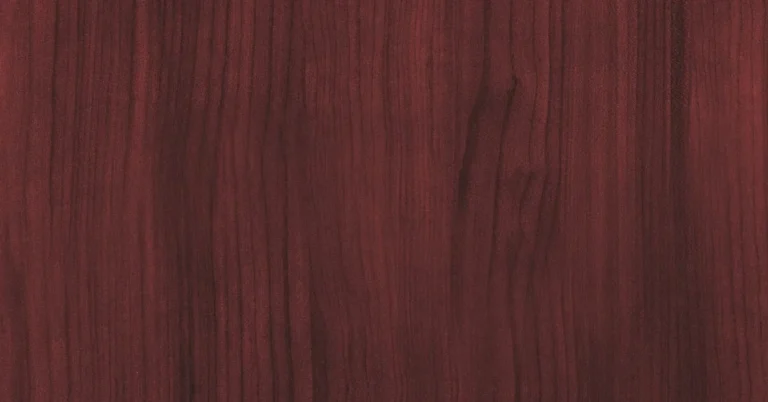
Mahogany wood wall paneling is a wall covering made from tropical hardwood, either as solid slats or a thin veneer laminated to a plywood or MDF backer. It is prized for a deep reddish-brown color that darkens with age and a tight, workable grain. Use solid mahogany where budget allows and durability matters most; use veneer where the look matters more than long-term resale value.
Mahogany wood has been used in furniture and shipbuilding for centuries because of its stability and resistance to decay. Homeowners and designers still favor it in both traditional and contemporary interiors. It also tolerates moderate humidity swings better than many domestic hardwoods, which is part of why it holds up on walls in kitchens and bathrooms.
The Origin of Mahogany
Mahogany trees grow in tropical regions. They are found in Central and South America, as well as the Caribbean and West Africa. The species sold commercially include:
- Swietenia macrophylla (Big-leaf/Honduran mahogany) – the most common commercial species today
- Swietenia mahagoni (Spanish/Cuban mahogany) – largely depleted in the wild and rarely sold new
- Khaya species (African mahogany) – a lower-cost, widely available substitute with a similar look
Because “mahogany” isn’t a legally protected name in every market, some sellers apply it to look-alike species like sapele or meranti. Check the species name on the invoice, not just the word “mahogany,” before you buy.
Characteristics of Mahogany Wood
| Characteristic | Description |
|---|---|
| Color | Rich reddish-brown that deepens with age and UV exposure. |
| Grain | Straight and fine, with occasional interlocked waves. |
| Durability | Naturally resistant to decay and most wood-boring insects. |
| Workability | Cuts, sands, and finishes cleanly with standard woodworking tools. |
| Weight | Moderately heavy (about 35-45 lb per cubic foot dried). |
Mahogany Wall Paneling Cost Breakdown
Cost is the question most homeowners actually search for, and it swings widely depending on whether you buy solid wood or veneer.
| Panel Type | Average Cost per Sq Ft | Best For |
|---|---|---|
| Mahogany veneer sheet (paper or wood-backed) | $3 – $16 | Accent walls, furniture facing, budget projects |
| Engineered/laminated mahogany panel | $10 – $25 | Feature walls, moderate-traffic rooms |
| Solid mahogany slat/plank paneling | $20 – $75 | High-end libraries, dining rooms, resale value |
Whichever you choose, budget for extra costs beyond the panel price: shipping (mahogany is heavy and often freight-shipped), acclimation time, adhesive or fasteners, and finish. A contractor-installed accent wall typically adds $3-$8 per sq ft in labor on top of material.
Cost-Saving Tips
- Buy panels for a single accent wall instead of a whole room – most of the visual impact comes from one focal wall.
- Use mahogany veneer over MDF instead of solid boards; it looks identical from normal viewing distance.
- Ask suppliers about African mahogany (Khaya) as a lower-cost substitute with a nearly identical grain and color.
- Buy in bulk and add 10% overage for cutting waste rather than reordering mid-project.
Installing Mahogany Wall Panels
Installing mahogany wood panels transforms a room, but the wood needs to acclimate before it goes up or you’ll see gaps and buckling later.
Preparing for Installation
Preparation determines whether the finished wall stays flat. Follow these steps:
- Choose panels from the same production run/dye lot so color matches across the wall.
- Measure the wall area accurately and add 10% for waste.
- Confirm the wall surface is clean, dry, and flat.
- Gather a level, a fine-tooth saw, a nail gun, and construction adhesive.
Mahogany expands and contracts with moisture. Let panels acclimate flat in the installation room for at least 48-72 hours before fastening anything.
Step-by-Step Installation
- Mark the wall: Snap a level line to keep the first row straight – everything else follows from this line.
- Cut the panels: Measure and cut each panel to size, numbering pieces as you go.
- Apply adhesive: Run construction adhesive on the back of each panel in a zigzag pattern.
- Set the panels: Press firmly against the wall, starting from one corner and working outward.
- Fasten for stability: Add finish nails or a nail gun at stud locations for long-term hold.
- Fill gaps: Use color-matched wood filler on seams and nail holes.
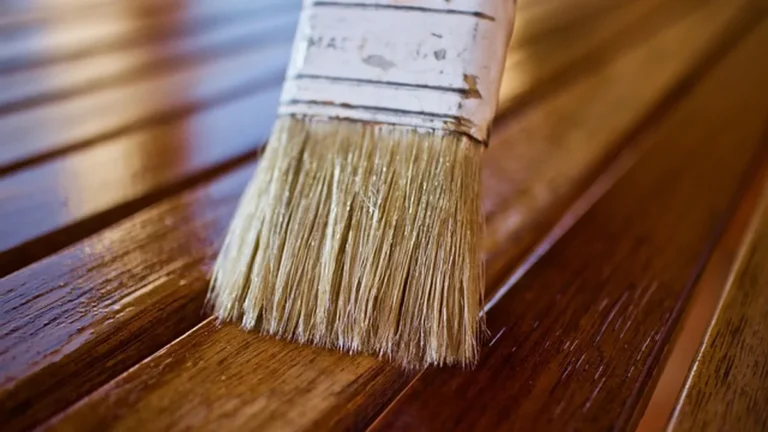
- Finish the surface: Sand lightly and apply an oil or polyurethane finish for UV and moisture protection.
Durability and Maintenance
Mahogany wood walls hold up well with minimal upkeep. Properly finished and cared for, mahogany paneling routinely lasts 50-100 years.
Why Mahogany Lasts
- Natural resistance: Mahogany resists moisture, insects, and fungal decay better than most domestic hardwoods.
- Color stability: The color deepens rather than fading or graying with age.
- Structural stability: Low seasonal movement means fewer cracked seams over time.
Caring for Mahogany Walls
Routine care is simple:
- Dust weekly with a soft, dry microfiber cloth.
- Clean occasionally with a barely damp cloth and mild soap – never soak the wood.
- Re-oil or polish every 6-12 months depending on finish type and sun exposure.
- Limit direct sunlight with sheer curtains or UV-filtering film to slow color shift and prevent uneven fading.
- Hold indoor humidity between 40-60% to minimize seasonal gap and cupping.
Design Ideas for Mahogany Wood Walls
Mahogany pairs with more styles than its formal reputation suggests. Here’s where it works best, and where to be careful.
Where Mahogany Shines
- Single accent walls: One mahogany wall against lighter walls creates a focal point without darkening the whole room.
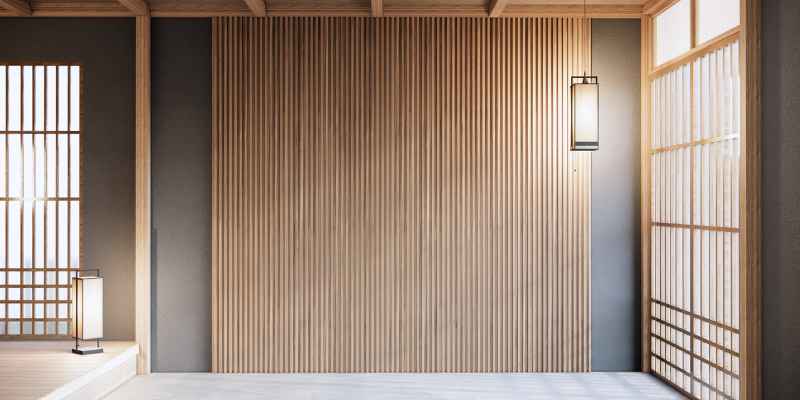
- Vertical slat paneling: Adds height and texture to a modern great room or home office.
- Traditional libraries and studies: The classic pairing, especially with brass hardware and leather furniture.
- Dining rooms: Warm tone works well under low, warm-temperature lighting.
Where to Be Careful
A room that’s already short on natural light will feel smaller and heavier with a full mahogany wall. In that case, use mahogany on a single wall opposite the main window, or mix it with a lighter material like the pairings below, instead of covering every wall. For lighter-weight alternatives like shiplap or board-and-batten, see this wood paneling living room ideas guide.
Pairing Mahogany With Other Materials
The right pairing keeps a mahogany wall from feeling too heavy or dated.
Materials That Complement Mahogany
| Material | Effect |
|---|---|
| Light marble or quartz | Brightens the space and adds contrast/luxury |
| Brushed brass or matte black metal | Modernizes a traditionally “formal” wood tone |
| Clear or frosted glass | Adds light transmission next to a dark, solid surface |
| Light-colored linen or cotton textiles | Softens the visual weight of the wood |
Avoid pairing mahogany with other dark, high-contrast woods (like ebony or walnut) in a small room – two competing dark tones without a light anchor color reads as heavy rather than rich.
Is Mahogany Wall Paneling Sustainable?
Sourcing matters more with mahogany than with most woods, because several original mahogany species are now restricted or endangered in the wild.
- Look for FSC (Forest Stewardship Council) or PEFC chain-of-custody certification on the invoice, not just a claim on the product listing.
- Ask whether the species is genuine Swietenia/Khaya mahogany or a substitute species marketed under the mahogany name.
- Reclaimed mahogany (salvaged from old furniture, flooring, or boats) avoids new harvesting entirely and often costs less than new solid stock.
Frequently Asked Questions
How Much Does Mahogany Wood Wall Paneling Cost?
Mahogany wall paneling costs $3 to $75 per square foot. Veneer sheets over MDF sit at the low end ($3-$16), engineered laminated panels fall in the middle ($10-$25), and solid mahogany slat paneling runs highest ($20-$75). Installation labor typically adds $3-$8 per square foot on top of material costs.
How Do You Maintain Mahogany Wood Walls?
Dust mahogany walls weekly with a soft, dry cloth, and clean occasionally with a barely damp cloth and mild soap. Re-oil or polish every 6-12 months, keep direct sunlight off the wood with sheer curtains or UV film, and hold indoor humidity between 40-60% to prevent seasonal gaps.
Is Mahogany Wood Eco-Friendly?
Mahogany can be a sustainable choice when sourced responsibly. Look for FSC or PEFC chain-of-custody certification on the invoice, since some mahogany species are restricted or endangered in the wild. Reclaimed mahogany, salvaged from old furniture or flooring, is the most eco-friendly option and often costs less than new stock.
Does Mahogany Wall Paneling Darken A Room?
Yes, if you cover every wall. Mahogany’s deep reddish-brown tone absorbs more light than pale woods, so a room with limited natural light can feel smaller and heavier when fully paneled. Most designers limit mahogany to one accent wall opposite the main light source and keep the remaining walls light.
Can Mahogany Wood Walls Increase Home Value?
Yes, in the right setting. Mahogany’s durability and formal appearance appeal to buyers in traditional or luxury markets, and it needs less refinishing than softer woods over time. In a strongly modern or minimalist market, a full mahogany room can read as dated, so an accent wall is the safer resale bet.
Conclusion
Mahogany wood wall paneling brings a level of warmth and durability that’s hard to match with painted drywall, but the $3-$75 per square foot range means the buying decision comes down to veneer versus solid stock, not just “mahogany or not.” Verify FSC certification, acclimate the panels before installing, and keep it to one accent wall in dimmer rooms so the color reads as rich rather than heavy.
Sponsored / affiliate links. As an Amazon Associate I earn from qualifying purchases. I may earn additional commission from eligible campaigns.