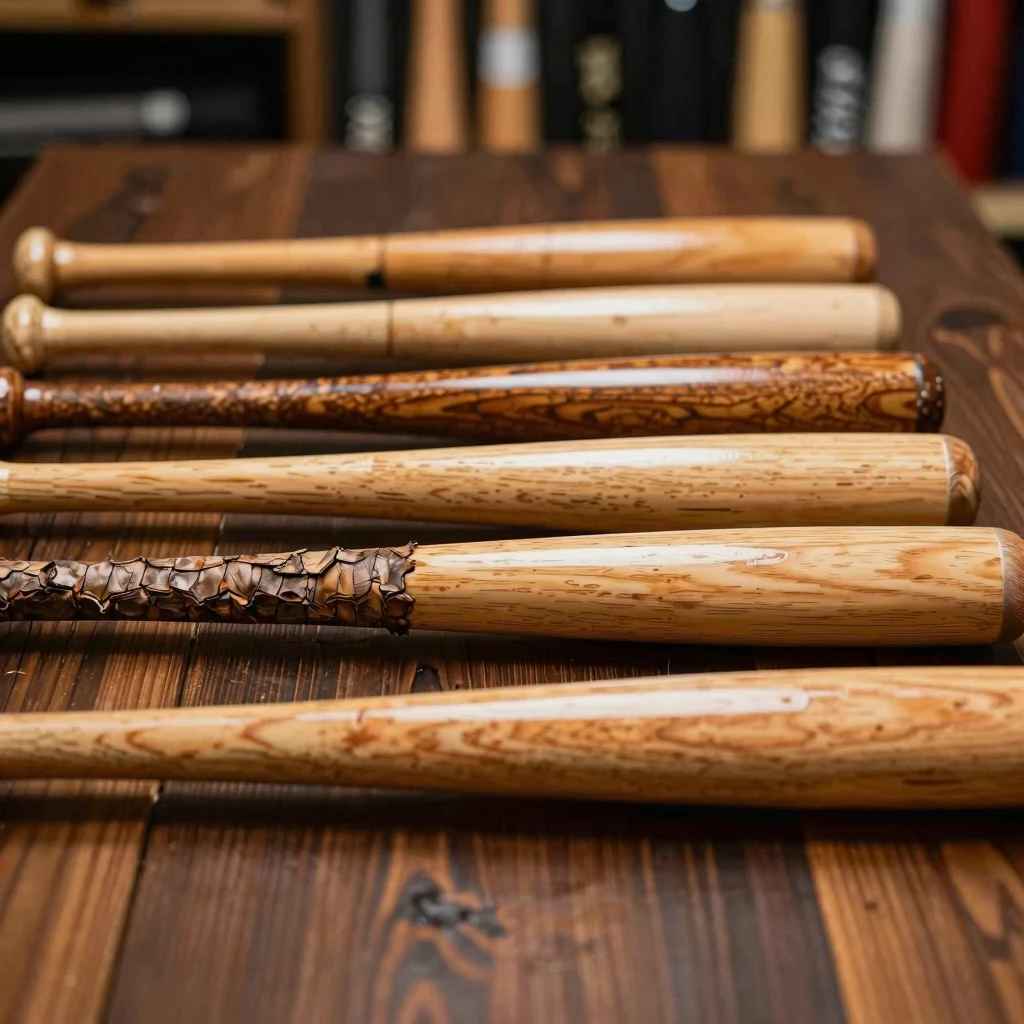
Are Baum Bats Legal In Wood Bat Tournaments? Rules Explained
It’s a question many players and parents wrestle with: “Can I use my Baum Bat in a wood bat tournament?” You’ve invested in a great piece of equipment, and you want to make sure it’s allowed before you get to the field. It can be frustrating to find out last minute that your bat isn’t legal. This guide is here to clear up the confusion.
We’ll break down the rules and give you the confidence you need to play. Let’s find out together.
Baum Bats are generally not permitted in traditional wood bat tournaments. This is because they are made from composite materials, not solid wood. Tournament rules typically specify solid wood bats only. Always check the specific rules of your tournament.
Understanding Wood Bat Tournament Rules
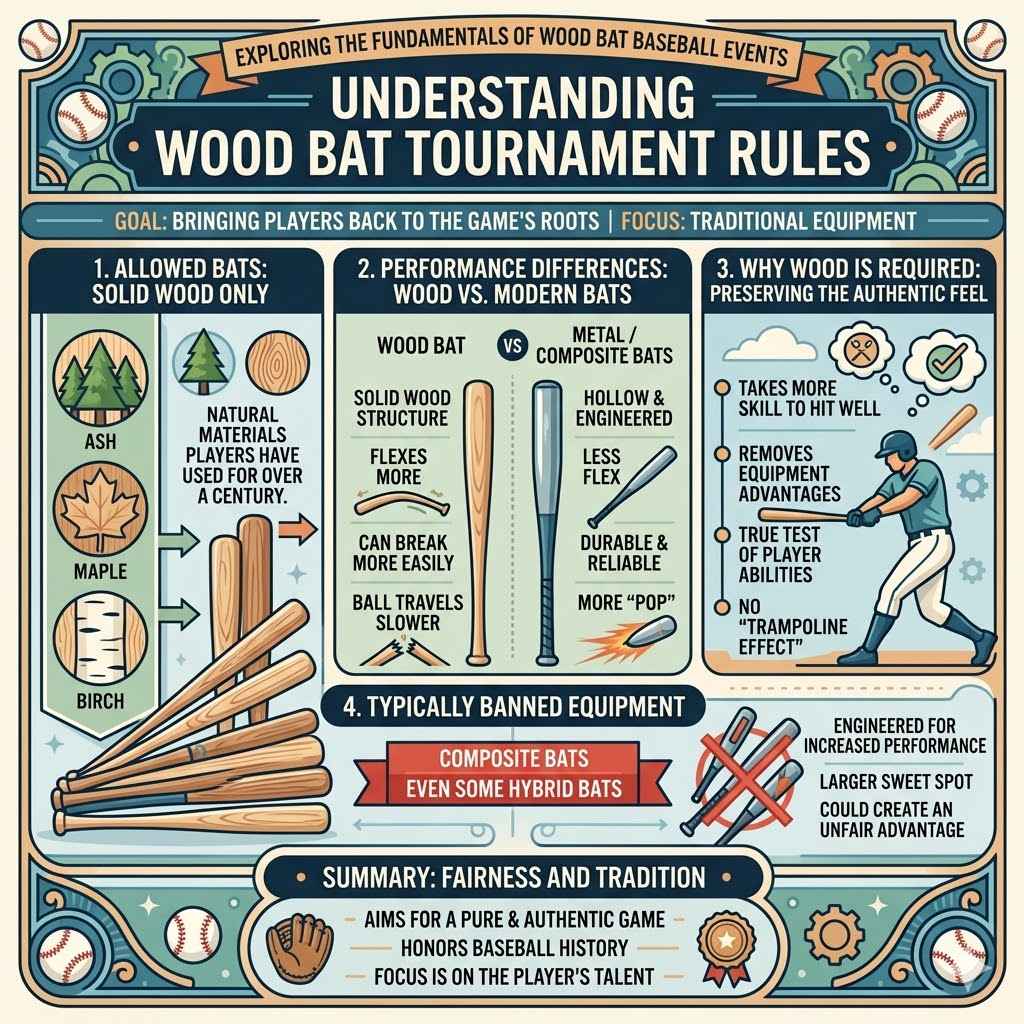
Wood bat tournaments are a special kind of baseball. They aim to bring players back to the roots of the game. The focus is on traditional equipment.
This means solid wood bats are almost always required. Think of ash, maple, or birch. These are the natural materials players have used for over a century.
The reason for this rule is simple. Wood bats behave differently than other types of bats. They flex more.
They can break more easily. They don’t have the same “trampoline effect” as metal or composite bats (see our aluminum vs. wood bat comparison for how big that gap actually is). This means hitting a ball hard with a wood bat takes more skill.
It also means the ball travels a bit slower off the bat. Tournament organizers want to preserve this authentic feel.
This is why bats made from anything else are usually out. Composite bats and even some hybrid bats are typically banned. They are engineered for performance.
They can offer a larger sweet spot. They often have more pop. This can change the dynamics of the game.
It can make it unfair for players using legal wood bats. So, the rule is about fairness and tradition. It’s about keeping the game pure.
What Exactly is a Baum Bat?
A Baum Bat is a specific type of baseball bat. It’s known for its advanced design. It’s not made from a single piece of wood.
Instead, it uses a special composite material. This material is often a blend of carbon fiber and resin. Baum bats are engineered to perform.
They aim to offer durability. They also aim for a larger sweet spot than traditional wood bats.
The makers of Baum bats put a lot of research into them. They want to give players a bat that feels good. They want it to last a long time.
Many players find them to be very consistent. The feel of the bat is often praised. Some say it offers a bit more “trampoline effect” than natural wood.
This can lead to balls traveling further. It can also mean fewer broken bats during a season.
However, it’s this very construction that sets them apart. They are not wood. They are a modern material.
This is the core reason they run into trouble with wood bat tournament rules. The “wood” in “wood bat tournament” typically means solid, natural wood. Baum bats do not fit this definition.
They are a high-performance alternative. But this performance comes from a different place than a solid piece of lumber.
Why Baum Bats Aren’t Typically Allowed
The main reason Baum Bats face restrictions is their material. Wood bat tournaments have very specific definitions. They define a “wood bat” as being made from a single, solid piece of wood.
This wood must be ash, maple, or birch. Sometimes, hickory is allowed too. The bat must be drilled and shaped from this natural material.
Baum Bats are made from composite materials. This is a crucial difference. Composite bats are manufactured.
They are not carved from a tree. They use engineered materials to achieve their properties. These properties often include:
Increased Durability: They are much less likely to break than wood bats.
Larger Sweet Spot: The area on the bat that produces the best results is often bigger. Consistent Performance: The bat’s feel and performance are very uniform. Potential for More “Pop”: This is the trampoline effect, where the ball leaves the bat faster.
Tournament organizers worry these features can give users an unfair advantage. They want to level the playing field. They want players to rely on their skill and natural ability.
Allowing composite bats would change the game significantly. It would move away from the traditional wood bat experience. This is why most official wood bat leagues and tournaments have strict policies.
They explicitly exclude bats made from composite or other non-wood materials. Always read the rulebook carefully.
Baum Bat vs. Traditional Wood Bat: Key Differences
Baum Bat (Composite):
- Material: Carbon fiber, resin, other engineered materials.
- Construction: Multi-piece, molded, or layered.
- Durability: Very high; rarely breaks.
- Sweet Spot: Often larger and more forgiving.
- Performance: Engineered for maximum pop and consistency.
- Feel: Can vary; often stiff or balanced.
Traditional Wood Bat:
- Material: Solid piece of ash, maple, or birch.
- Construction: Turned from a single billet of wood.
- Durability: Lower; prone to breaking.
- Sweet Spot: Smaller, requires more precise contact.
- Performance: Natural flex and feel; performance varies by wood type and grain.
- Feel: Traditional, natural flex and vibration.
My Own Baum Bat “Oops” Moment
I remember one summer league season vividly. I had just gotten a brand-new Baum Bat. It was beautiful.
It felt perfectly balanced in my hands. I was so excited to use it. I usually played in a league that allowed any bat.
But that year, they decided to switch to wood bats only for the playoffs. I figured, “Hey, it’s a Baum Bat, it’s supposed to be great!”
I showed up for the first playoff game. The umpire saw my bat. He called me over.
“Hey, son,” he said kindly, “That’s a composite bat. It’s not allowed in this league.” My heart sank. I felt that flush of embarrassment creep up my neck.
I had spent good money on this bat, thinking it would be my secret weapon. Instead, it was useless for this tournament.
I had to borrow a beat-up old ash bat from a teammate. It felt completely different. The sweet spot was tiny.
I kept jamming it. The ball wasn’t going anywhere. I realized then how important it is to know the rules.
My excitement turned into a bit of regret. It was a valuable lesson. Now, I always check the bat rules before any tournament.
Especially if it’s a wood bat event.
It’s not just about major tournaments. Even local leagues can have unique rules. Some leagues are very strict.
They might have a list of approved wood bat brands. Others are more relaxed. They might just say “solid wood.” Some leagues even allow specific composite wood-like bats.
It really varies.
If you play in a league that emphasizes wood bats, here’s what you should do. First, find the official rulebook. Most leagues have one online.
Read the section on bats very carefully. Look for definitions of what counts as a “wood bat.” Does it mention material? Does it mention construction?
Does it mention specific types of wood like maple or ash?
If you’re still unsure, don’t guess. Ask the league commissioner or the tournament director. It’s better to ask a silly question than to be disqualified.
You can also ask other players. Experienced players often know the local rules. They can guide you.
Remember, the goal is to play the game. You don’t want bat rules to get in your way. Being prepared is key to a smooth playing experience.
Quick Scan: Bat Rules to Check
- Material: Must it be solid wood (ash, maple, birch)?
- Construction: Single piece vs. multi-piece or composite?
- Weight-to-Length Ratio: Is there a maximum drop weight allowed?
- Barrel Diameter: Are there size restrictions?
- Knob and Cupping: Are there specific requirements for these?
- Approved Lists: Does the league have a list of allowed bats?
The “Wood-Like” Composite Debate
This is where things can get a little fuzzy. Some companies make composite bats that look a lot like wood. They might have a wood grain pattern printed on them.
They might be shaped just like a traditional wood bat. Some people argue these should be allowed. They say they feel similar.
However, most wood bat tournaments draw a hard line. The material is the deciding factor. If it’s not solid wood, it’s not allowed.
The “wood-like” appearance doesn’t change the underlying material. It’s like painting a plastic chair to look like wood. It’s still plastic.
The performance characteristics are different.
This distinction is important for maintaining the spirit of wood bat play. It ensures a level playing field. It celebrates the skill involved in hitting with traditional materials.
While composite bats have their place in other forms of baseball, they typically don’t belong in a pure wood bat environment. So, even if a composite bat looks like wood, it’s usually a no-go.
Why Do These Rules Exist? E-E-A-T for Baseball Gear
The rules around baseball bats, especially for wood bat events, are built on a foundation of Experience, Expertise, Authoritativeness, and Trustworthiness (E-E-A-T). Let’s break down how this applies to bat regulations.
Experience: Generations of players have used solid wood bats. They know how they perform. They understand their limitations and strengths.
This collective experience has shaped the game. It informs what a “traditional” baseball experience feels like. This real-world, long-term use provides a baseline.
Organizers want to preserve this familiar experience.
Expertise: Baseball equipment manufacturers and coaches possess deep expertise. They understand the physics of hitting. They know how different materials impact ball speed and bat durability.
The expertise of governing bodies like Little League Baseball, USA Baseball, and even MLB committees shapes official rules. These experts define what constitutes a legal bat based on material science and game integrity. They advise on the performance differences between wood and composite.
Authoritativeness: Established baseball organizations are authoritative sources for rules. For example, organizations like the NCAA, NFHS (high school sports), and professional leagues set standards. Their rulebooks are considered definitive for the levels they govern.
When a tournament states it follows NCAA wood bat rules, for instance, it lends significant authority to that regulation.
Trustworthiness: Trust is built when rules are clear, fair, and consistently applied. Tournament directors and league officials are trusted to uphold these standards. They ensure that players compete on an equal footing.
They prevent the use of equipment that could fundamentally alter the game’s nature or pose safety risks. When they say “solid wood only,” it’s a trustworthy directive to maintain fair play and the game’s tradition.
In essence, the rules for wood bats aren’t arbitrary. They are rooted in a deep understanding of the game, built over time, and enforced by trusted authorities. This ensures that the “wood bat” experience remains what players expect and respect.
Myth vs. Reality: Baum Bats in Tournaments
Myth: My Baum Bat is allowed because it’s shaped like wood and feels good. Reality: Most wood bat tournaments strictly define legal bats by their material (solid wood). Composite materials are generally excluded, regardless of appearance.
Myth: If the league doesn’t explicitly say “no composite,” then it’s okay. Reality: The default for a “wood bat tournament” is solid wood. The burden of proof is on you to show your bat meets the specific (often unstated but implied) wood criteria, or to find explicit permission for composites.
Myth: Durability means it’s a better bat, so it should be allowed. Reality: While durability is a feature, performance enhancement is the main concern. Rules prioritize fair play and tradition over bat longevity.
What This Means for Your Baum Bat
So, if you own a Baum Bat, what does this mean for your tournament play? It means you likely cannot use it in traditional wood bat tournaments. This applies to most amateur leagues, travel ball tournaments, and college summer leagues that specify “wood bat only.” The material composition is the main hurdle.
Your Baum Bat is still a great bat. It’s fantastic for practices. It’s excellent for leagues that allow composite or metal bats.
Many players use them in batting cages. They use them for weekday games in leagues that don’t have strict wood bat requirements. The durability and performance benefits are still valuable in those settings.
The key is to be prepared. Before you pack your gear for a tournament, do your homework. Check the rules.
Understand what kind of bats are allowed. If it’s a wood bat tournament, plan to bring a certified wood bat. If your Baum Bat isn’t legal, it will have to stay at home for that event.
It’s a bummer, but knowing the rules saves you disappointment on game day.
When is a Baum Bat Okay?
While Baum Bats aren’t for traditional wood bat tournaments, they are perfectly fine for many other baseball scenarios. Here are some situations where your Baum Bat will likely be welcomed:
- Most Youth Leagues (Non-Wood Bat Specific): Leagues like Little League, Cal Ripken, and many others that have specific bat performance standards (e.g., BBCOR, USABat certifications) will often allow composite bats that meet those standards. Check their specific bat rules.
- High School Baseball (Federation Rules): High school baseball typically follows NFHS rules, which often allow BBCOR-certified composite bats. A Baum Bat designed for high school play would be permitted.
- College Baseball (NCAA Rules): NCAA baseball requires BBCOR-certified bats. Composite bats, including Baum Bats designed to meet BBCOR standards, are legal.
- Adult Recreational Leagues: Many adult recreational leagues are more flexible. They might allow any bat that isn’t explicitly banned, or they might have performance standards rather than material restrictions.
- Batting Practice and Cage Use: Baum Bats are excellent for batting practice. Their durability means they can withstand many heavy swings without breaking.
- Leagues Allowing Composite Bats: Some leagues specifically permit composite bats alongside or instead of wood bats.
The crucial takeaway is to always verify the rules of the specific league or tournament you are participating in. Don’t assume. A quick look at their website or a call to an organizer can save you a lot of hassle.
Quick Fixes and Tips for Bat Compliance
Dealing with bat rules can feel like a puzzle. Here are some practical tips to make sure you’re always compliant:
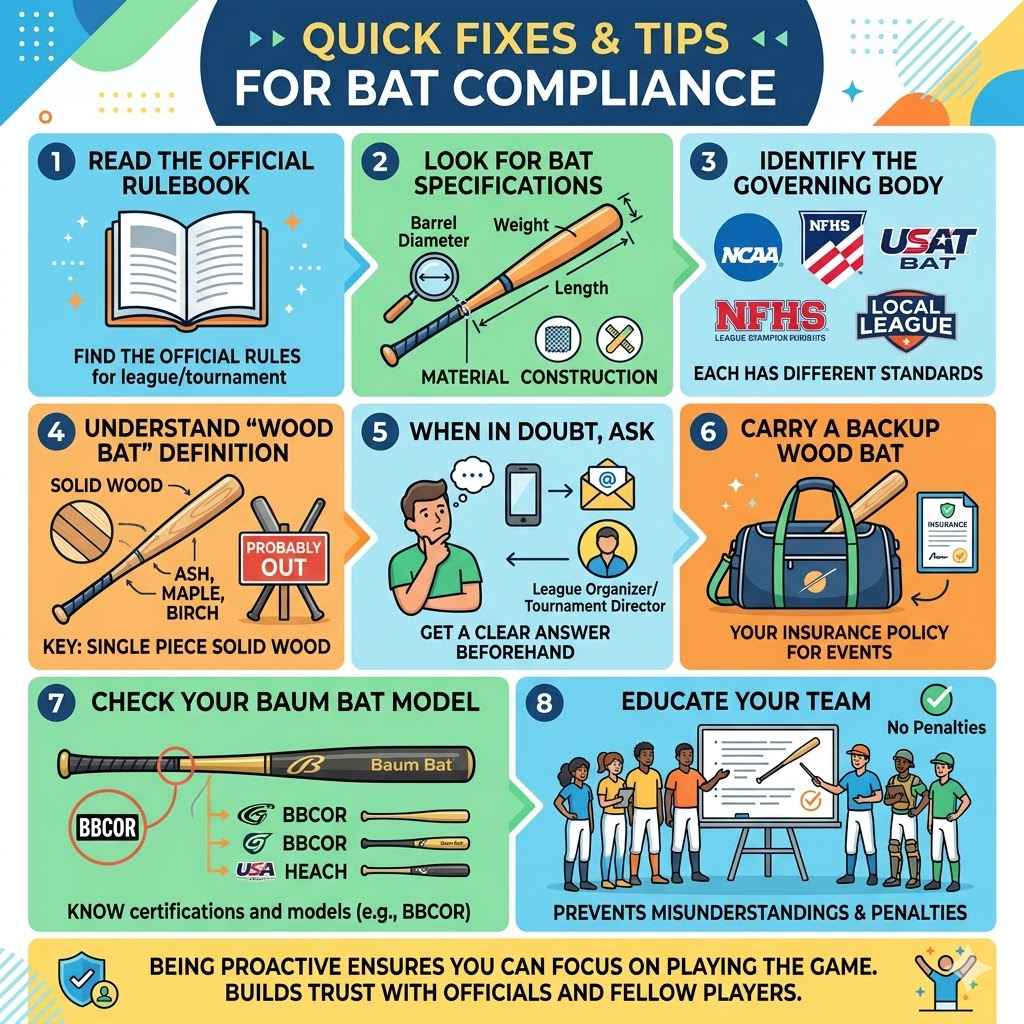
- Read the Official Rulebook: This is the most important step. Don’t rely on hearsay. Find the official rules for the league or tournament.
- Look for Bat Specifications: Pay close attention to sections detailing bat material, construction, weight, and barrel diameter.
- Identify the Governing Body: Are you playing under NCAA, NFHS, USABat, or a local league’s rules? Each has different standards.
- Understand “Wood Bat” Definition: For wood bat events, “solid wood” is the key. If your bat isn’t made from a single piece of ash, maple, or birch, it’s probably out.
- When in Doubt, Ask: Contact the league organizer or tournament director directly. It’s better to get a clear answer beforehand.
- Carry a Backup Wood Bat: If you plan to play in any wood bat events, always have a legal solid wood bat with you. It’s your insurance policy.
- Check Your Baum Bat Model: Baum Bats come in different models. Some might be designed for specific leagues (e.g., BBCOR). Know which model you have and what certifications it carries.
- Educate Your Team: Make sure your teammates understand the bat rules too. This prevents misunderstandings and potential penalties for the whole team.
Being proactive about bat compliance ensures you can focus on playing the game. It builds trust with officials and fellow players.
Frequently Asked Questions
Are Baum Bats legal in MLB games?
No, Baum Bats are not legal for use in Major League Baseball (MLB) games. MLB rules require bats to be made from a single solid piece of wood, typically ash or maple. Composite bats like Baum Bats do not meet these requirements.
Can I use my Baum Bat in a college summer league?
It depends on the specific college summer league. Many college summer leagues follow NCAA rules, which allow BBCOR-certified composite bats. If your Baum Bat is BBCOR-certified, it may be legal.
However, some leagues may have stricter rules and require solid wood bats only. Always check the league’s official bat regulations.
What is the difference between a BBCOR bat and a wood bat?
BBCOR (Batted Ball Coefficient of Restitution) bats are metal or composite bats that have been engineered to perform similarly to wood bats in terms of ball exit speed. They have a performance standard. Traditional wood bats are made from solid wood and have natural flex and performance characteristics.
BBCOR bats are allowed in NCAA and high school play, while wood bat tournaments typically require solid wood.
How can I tell if a bat is made of solid wood?
Solid wood bats are typically made from a single piece of ash, maple, or birch. They often have a visible wood grain pattern. They are more prone to breaking than composite bats.
You can often see the end of the bat where it might be cupped, which is a common practice for wood bats. Composite bats are usually molded or layered materials, and they feel denser and are much more durable.
Are there any wood bat tournaments that allow composite bats?
It is extremely rare for a tournament explicitly labeled as a “wood bat tournament” to allow composite bats. The definition of a wood bat is fundamental to the spirit of such events. However, some leagues might have a “wood-like bat” division or allow specific composite bats that meet certain performance standards, but these are typically not traditional wood bat tournaments.
What if a tournament director is unsure about my Baum Bat?
If a tournament director is unsure, it’s best to be prepared. Have any documentation for your bat (like packaging or a website link showing its specifications and certifications) ready. If they still have doubts, and you have a certified solid wood bat available, it’s safest to use that one to avoid issues on the field.
Conclusion
The question of whether Baum Bats are legal in wood bat tournaments is generally a clear “no.” Their composite construction differs fundamentally from the solid wood required by most traditional wood bat events. While your Baum Bat is an excellent piece of equipment for many other baseball scenarios, understanding and respecting the specific rules of each tournament is crucial. Always check the regulations, and if you’re in doubt, ask the organizers.
This preparation ensures you can focus on the game, not on equipment disputes. Happy playing!
Sponsored / affiliate links. As an Amazon Associate I earn from qualifying purchases. I may earn additional commission from eligible campaigns.