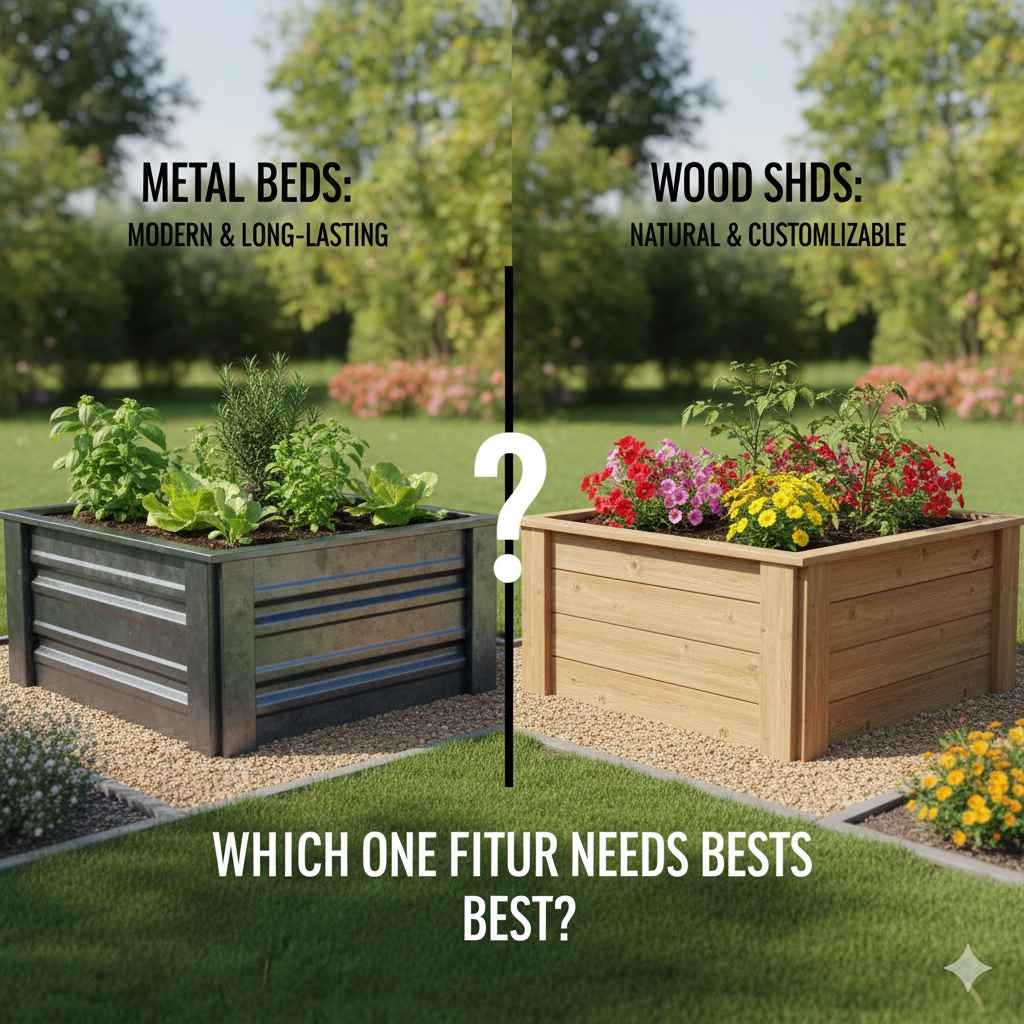
Metal vs Wood Garden Beds: A Gardener’s Decision
Choosing the right garden bed can feel tough, especially if you’re just starting. The question of Metal vs Wood Garden Beds: Best Choice? pops up often for beginners. It’s a common dilemma! This post simplifies things. We’ll explore the pros and cons of each type, making it easy to decide what works best for your garden and your needs. You’ll soon see a clear path for building your dream garden. Let’s get started!
Considering Garden Bed Options
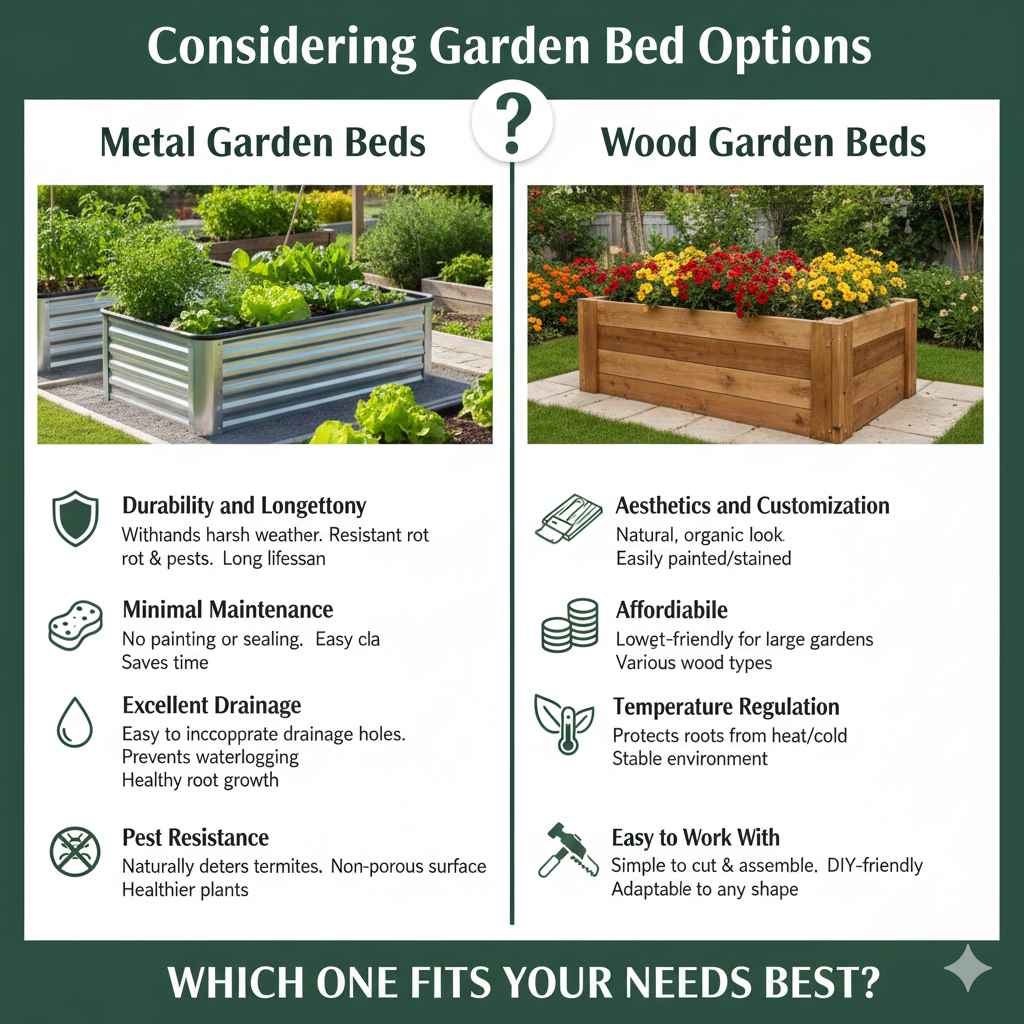
When planning your garden, one of the first decisions involves the garden beds themselves. These structures not only define the growing space but also influence the health of your plants and the overall aesthetics of your yard. The choice between metal and wood garden beds often hinges on several factors, including budget, durability, appearance, and ease of maintenance. Each material presents its own set of advantages and disadvantages. Evaluating these aspects carefully helps you select the option that best suits your gardening goals and environmental considerations.
Advantages of Using Metal Garden Beds
Metal garden beds are gaining popularity due to their durability and sleek appearance. They often feature a modern design that can enhance the look of any garden. However, there are many key benefits to consider when choosing this option. You can get a long-lasting and aesthetically pleasing option by simply choosing this alternative. To make an informed choice, consider these benefits.
- Durability and Longevity: Metal beds, particularly those made from galvanized steel or aluminum, are extremely durable. They can withstand harsh weather conditions, including rain, snow, and extreme temperatures, without deteriorating quickly. Unlike wood, metal doesn’t rot or attract pests such as termites. This resilience translates to a longer lifespan, often exceeding that of wooden alternatives.This means your investment in a metal garden bed is likely to last many years, providing a consistent growing environment and reducing the need for frequent replacements. Steel can also resist warping, unlike wood, which can change shape over time due to moisture exposure. This strength is why many gardeners see metal as a dependable option.
- Minimal Maintenance: Metal garden beds typically require very little maintenance. You don’t need to paint or seal them, unlike wood beds that need regular treatment to prevent rot. Occasional cleaning is usually enough to keep them looking good. This low-maintenance aspect appeals to gardeners who prefer spending time on their plants rather than on upkeep of their structures.Simply wiping down the sides with soap and water is usually sufficient to remove any dirt or debris that may accumulate. This saves time and effort, letting you focus on the actual gardening tasks. Plus, with a metal bed, there’s no need to worry about splinters or wood decay, making it a safer option, too.
- Excellent Drainage: Metal beds often promote good drainage because of the materials. The design and construction of metal beds can easily incorporate drainage holes, ensuring excess water drains away from the roots of your plants. This is key to preventing waterlogging, which can lead to root rot and other issues.Good drainage is crucial for healthy plant growth. Metal beds, with their design flexibility, can be easily tailored to provide optimal conditions for different plant varieties. This feature is particularly useful in areas with heavy rainfall or soils that tend to retain water.
- Pest Resistance: Metal is naturally resistant to pests that commonly affect wood, such as termites and other wood-boring insects. This resistance reduces the risk of structural damage and the need for chemical treatments to protect the bed. This advantage is especially beneficial in areas where pests are prevalent.Because of this, you don’t have to worry about these pests infesting your garden beds. In addition, metal’s non-porous surface also deters other common garden pests. This can contribute to a healthier growing environment for your plants and less hassle for you.
Drawbacks of Using Metal Garden Beds
While metal garden beds offer numerous advantages, there are some downsides to keep in mind. Understanding these potential challenges allows you to make an informed decision and prepare for any issues that might arise. Here are some of the drawbacks to consider before going with this option.
- Cost: Metal garden beds are often more expensive upfront than wood options. The cost depends on the type of metal used, the size of the bed, and any additional features. Although metal beds have a longer lifespan, the initial investment may be a barrier for some gardeners, especially those on a tight budget or with large gardens.However, the long-term benefits, such as durability and minimal maintenance, can help offset this initial expense over time. Many gardeners find that the reduced need for replacements and repairs justifies the higher initial cost of a metal bed. When choosing the type of metal, consider the price and benefits of each metal available.
- Heat Absorption: Metal can absorb heat, potentially raising the soil temperature in the beds, especially in direct sunlight. This can be problematic for plants that prefer cooler soil conditions. The degree of heat absorption varies depending on the type of metal, the color of the bed, and the climate.To mitigate this issue, you can consider painting the metal bed a lighter color to reflect sunlight or placing it in a location that receives partial shade. Alternatively, you might choose plants that are heat-tolerant or use a thick layer of mulch to help regulate soil temperature. These steps can lessen the impact of heat absorption.
- Potential for Rust: Some types of metal, such as standard steel, are susceptible to rust, especially when exposed to moisture and the elements. Rust can weaken the structure of the bed and reduce its lifespan. While galvanized steel and aluminum are more resistant to rust, they may still show signs of corrosion over time.To prevent rust, choose rust-resistant materials or regularly inspect and maintain the bed, such as by applying rust-preventative coatings. Ensuring proper drainage and avoiding prolonged exposure to standing water can also help prevent rust formation. By taking these steps, you can help protect the integrity of your metal garden bed.
- Appearance and Aesthetics: While many people appreciate the sleek, modern look of metal garden beds, the appearance may not appeal to every gardener. Some may prefer the more natural look of wood, which can blend seamlessly with the garden environment. The style and design of metal beds may also be limited compared to the versatility of wooden structures.If aesthetics are a top priority, consider the design of the metal bed and how it complements your overall garden style. You may want to choose a color or finish that blends well with your surroundings or use decorative elements to soften the look. Alternatively, consider wood as a way to enhance your garden.
Examining the Benefits of Wooden Garden Beds
Wooden garden beds offer a classic and natural look that appeals to many gardeners. Wood’s versatility allows for a wide range of designs and sizes, making it a flexible option for various garden settings. However, like any material, wood has its own set of strengths and weaknesses. It’s important to explore these qualities, helping gardeners make an informed decision on whether this is the perfect option.
The Positives of Using Wooden Garden Beds
Wooden garden beds bring a certain charm and warmth to a garden space. Their natural appearance blends well with plants and the surrounding environment, creating a welcoming and organic feel. There are many benefits of selecting this option, and it’s important to consider each of them. Let’s explore the positives together.
- Natural Aesthetics: Wood’s natural appearance offers a rustic and organic look that many gardeners find appealing. The warm tones and textures of wood complement the greenery of plants, creating a harmonious garden environment. Unlike the often-industrial appearance of metal, wooden beds can enhance the visual appeal of any garden.The look of wood can also be customized. Staining, painting, or using different types of wood allows for a high degree of aesthetic customization. This means you can easily tailor your garden beds to match your personal style and the overall design of your outdoor space. This is a very beneficial component.
- Versatile and Easy to Customize: Wood is a flexible material that can be easily cut, shaped, and assembled to fit any garden size or layout. You can build wooden beds in a variety of shapes and sizes, from small raised beds to large, custom-designed structures. Wood is often easier to work with than metal.Whether you’re building a simple rectangular bed or a complex terraced design, wood offers the flexibility to bring your vision to life. This means you can create a garden bed that fits your space, your needs, and your aesthetic preferences exactly.
- Affordability: Wooden garden beds can be a more budget-friendly option, especially if you build them yourself using readily available lumber. The cost of wood varies depending on the type and quality, but it’s often more affordable than metal. The DIY aspect also reduces the overall expense.For gardeners on a tight budget or those who enjoy building projects, this can be a significant advantage. Even if you purchase a pre-made wooden garden bed, the cost may still be lower than a comparable metal bed. This affordability can make gardening more accessible to a wider range of people.
- Good Insulation: Wood offers natural insulation, helping to regulate soil temperature. This can be beneficial for plant growth, particularly in extreme climates. In the summer, wood can help keep the soil cooler than metal, and in the winter, it can help retain heat, extending the growing season.This temperature regulation can improve plant health by protecting roots from temperature extremes. It can also reduce the need for excessive watering, as the soil is less likely to dry out quickly. This aspect makes wood an excellent choice in areas with significant temperature fluctuations.
The Negatives of Using Wooden Garden Beds
While wooden garden beds have many appealing qualities, they also come with a few drawbacks. Understanding these potential challenges allows you to make a more informed choice and be prepared for any necessary maintenance or adjustments. It’s important to know the negatives so you can choose the right option.
- Susceptible to Rot and Decay: Wood is vulnerable to rot, decay, and damage from moisture, pests, and the elements. Without proper treatment and maintenance, wooden garden beds can deteriorate quickly, reducing their lifespan and requiring more frequent replacements. Certain types of wood are more resistant than others, but all wood is affected by these factors.Regular maintenance, such as sealing, painting, or treating with preservatives, is essential to prolong the life of a wooden garden bed. Even with maintenance, wooden beds may not last as long as metal ones. This can be a concern, especially if you want a low-maintenance, long-term solution.
- Maintenance Requirements: Wooden garden beds require more ongoing maintenance than metal beds. They typically need to be sealed or painted regularly to protect against moisture and decay. This maintenance can be time-consuming and add to the overall cost of ownership. The frequency of maintenance depends on the type of wood and the climate.You may need to inspect the beds periodically for signs of rot, insect damage, or wear and tear. Repairs or replacements of damaged sections may be necessary. For gardeners who prefer a low-maintenance approach, the upkeep of wooden beds might be a downside.
- Risk of Pest Infestation: Wood is a haven for pests like termites, carpenter ants, and other wood-boring insects. These pests can damage the structural integrity of the bed and compromise the health of your plants. This is especially true if you are in an area where these pests are prevalent.You may need to take steps to protect against pests, such as using treated lumber, applying pest control treatments, or regularly inspecting the beds for signs of infestation. Pest control adds another layer of maintenance and cost that can increase over time.
- Wood Treatment Concerns: Many wood treatments contain chemicals that can leach into the soil. These chemicals can contaminate the soil and potentially harm plants, beneficial organisms, and even humans if you are growing edible crops. Choosing non-toxic wood treatments can be more costly.When selecting a wooden bed, you should consider the type of wood and any treatments it may have undergone. Always read labels to ensure that any treatments you apply are safe for your plants and the environment. Consider using naturally rot-resistant wood like cedar or redwood without treatments.
Comparison of Metal vs Wood Garden Beds
When selecting between metal and wood garden beds, a detailed comparison can help clarify the decision. Both materials offer distinct benefits and downsides, impacting factors such as durability, cost, aesthetics, and required upkeep. A systematic comparison ensures you select the option best aligned with your needs, garden conditions, and preferences.
| Feature | Metal Garden Beds | Wooden Garden Beds |
|---|---|---|
| Durability | High: Resists rot, pests, and harsh weather conditions. Often lasts for many years. | Variable: Can rot, attract pests, and degrade over time. Lifespan depends on wood type and treatment. |
| Maintenance | Low: Typically requires minimal upkeep, such as occasional cleaning. | High: Needs regular sealing, painting, or treatment to prevent rot and pest damage. |
| Cost | Can be higher upfront, though long-term durability may offset the initial investment. | Can be more affordable, particularly if you build it yourself, but costs can rise with maintenance. |
| Aesthetics | Modern, sleek appearance. Can be a design element. | Classic, natural look that blends well with gardens. Customizable appearance. |
| Heat Absorption | Can absorb heat, potentially raising soil temperature. | Offers natural insulation, helping to regulate soil temperature. |
| Pest Resistance | Excellent: Resistant to pests that affect wood, such as termites. | Vulnerable: Can be damaged by pests and wood-boring insects. |
| Drainage | Often has excellent drainage due to design and construction. | Drainage can depend on the design, requiring attention to prevent waterlogging. |
This table can act as a reference point, highlighting the key differences and allowing for a direct comparison based on your specific requirements and garden conditions. Choosing the right material depends on your priorities, weighing these factors, and aligning them with your gardening goals.
A gardener in a rainy climate might prioritize the durability and drainage of metal beds. This is because these attributes help prevent waterlogging and extend the life of the garden bed. On the other hand, a gardener on a tight budget might prefer the cost-effectiveness and aesthetic flexibility of wood beds.
Statistic: According to a study by the University of California, approximately 30% of wooden garden beds show signs of rot within 5 years of installation, highlighting the impact of material selection on garden longevity.
Best Situations for Using Metal and Wood Garden Beds
Identifying the ideal settings for each type of garden bed material enhances the success of your gardening endeavor. Understanding the unique strengths of metal and wood allows you to match the material with the specific needs of your garden environment, soil conditions, and gardening goals. To achieve optimum outcomes, think about where each option thrives.
Ideal Scenarios for Metal Garden Beds
Metal garden beds perform exceptionally well in particular settings. By matching these conditions with the specific features of metal, you can create a beautiful and productive garden space. Metal garden beds have a variety of features that work great under specific conditions.
- Areas with Harsh Weather Conditions: In regions that experience significant rainfall, heavy snowfall, extreme temperatures, or high humidity, metal garden beds offer superior durability. They resist rot, warping, and pest damage, making them a long-lasting choice. This is especially true for galvanized steel or aluminum beds.The resilience of metal means the beds withstand weather-related wear and tear, reducing the need for replacements or repairs. This provides consistent growing conditions and lowers maintenance requirements. Therefore, for gardeners in areas where the weather can be tough, metal can be a valuable option.
- Locations with Pest Problems: Metal garden beds are an excellent choice in areas with pest concerns, like termites or carpenter ants. Metal’s non-porous nature and resistance to these pests protect your plants and the structure of the bed. This advantage is especially beneficial in regions where these pests are prevalent.The resistance to pests reduces the need for chemical treatments or frequent inspections, simplifying maintenance and safeguarding your plants. You’re giving your plants a healthier environment to grow in without the worry of pests.
- Gardens Requiring Minimal Maintenance: If you want a low-maintenance garden, metal beds can be perfect. These beds usually need very little upkeep, such as occasional cleaning to keep them looking great. This makes them ideal for busy gardeners or those who want to spend more time on their plants instead of the structures.This feature lets you concentrate on planting, watering, and other garden activities. With a metal bed, there’s no requirement for regular sealing, painting, or pest control treatments, which can save you time and money over the years.
- Urban Gardens and Modern Landscapes: Metal garden beds have a contemporary, sleek appearance that complements urban settings and modern landscape designs. They can be integrated into patios, balconies, and other small areas, adding style and structure to the garden. Metal’s clean lines can enhance the overall aesthetic of your space.Metal beds can create a stylish and functional growing area, even in a small or urban setting. Their modern appearance makes them a great option for gardeners who like a contemporary design aesthetic and want to improve the appearance of their outdoor area.
Situations Where Wooden Garden Beds Excel
Wooden garden beds are often ideal for specific scenarios. When you match wood’s unique features with specific garden conditions and personal preferences, you can create a charming and effective growing space. Think about the following when selecting this option.
- Gardens Where Aesthetics Are a Priority: Wooden garden beds offer a natural, rustic appearance, blending in harmoniously with the garden. Wood’s warm tones and organic textures complement plants, creating a welcoming and visually appealing environment. This is perfect for gardeners wanting a garden that is beautiful.Wood also offers many customization options through staining, painting, or using various types of wood. It provides a way to match your garden beds to your unique style. These aesthetic properties add to the appeal of any garden design.
- Gardens Where DIY is Preferred: Wood is a flexible material, making it simple to cut, shape, and assemble, offering a DIY-friendly choice. This is perfect for those who like hands-on projects, allowing them to personalize the beds to their exact specifications. You can create unique shapes and sizes.This flexibility also lowers costs because you can build your garden beds with your own hands. You’ll not only save money but also get the satisfaction of creating something yourself. This flexibility allows for a better experience, too.
- Gardens in Mild Climates: Wood’s natural insulation properties help regulate soil temperature, especially in locations with milder climates. Wood helps to moderate soil temperatures, preventing extreme temperature shifts, and supporting plant health. This helps to extend the growing season.This attribute is particularly advantageous for plants that have sensitivity to temperature changes. It will result in improved growth. The insulating effects of wooden beds give your plants a more stable environment, promoting their well-being.
- Budget-Conscious Gardens: Wooden garden beds can be a more budget-friendly option. This is especially true if you are building them yourself with affordable lumber. Wood prices vary depending on the type and quality, but they are often cheaper than metal. This can be key for small-scale projects.DIY options and the use of locally sourced materials can reduce costs even more, making gardening more accessible. Wood makes gardening more accessible because it gives a great option without breaking the bank. It also helps you meet your budgetary needs.
Statistic: A survey by the National Gardening Association revealed that 65% of gardeners choose wooden beds for their aesthetic appeal, highlighting the influence of appearance on garden design choices.
Choosing the Right Option for You
Making a decision between metal and wood garden beds depends on balancing various needs and your gardening style. By considering the factors that matter most to you, you can make a choice that enhances your garden and suits your individual needs. Weighing several factors helps determine the perfect fit for your garden.
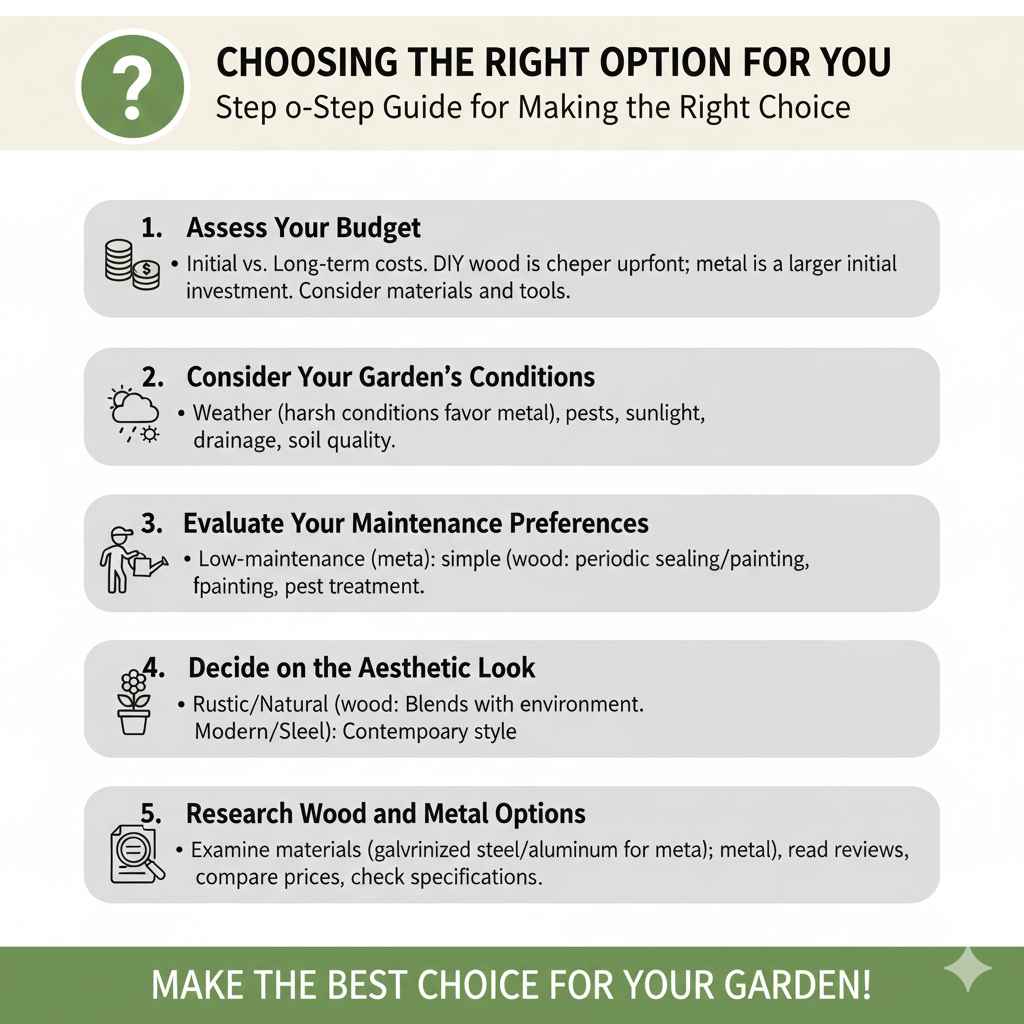
Step-by-Step Guide for Making the Right Choice
- Assess Your Budget: Evaluate how much you want to invest in garden beds, considering both the initial cost and any ongoing maintenance expenses. Wood options can be more cost-effective upfront, particularly if you are making them yourself, while metal options may have higher initial costs. Think about your available budget.Factor in the costs of supplies, materials, and any tools. Remember that cheaper options might need more maintenance, increasing costs over time. Determine how much you can spend from the start, as well as the long-term cost.
- Consider Your Garden’s Conditions: Determine the weather conditions and potential pest threats. If you live in an area with harsh weather conditions or pest issues, metal beds might be a better choice due to their durability and pest resistance. Think about what is happening in your area.Assess the amount of sunlight, drainage, and soil quality in your garden, which might impact the performance and maintenance of each type of bed. Look at the specific environment in your yard to help guide your choice.
- Evaluate Your Maintenance Preferences: Determine how much time and energy you want to dedicate to upkeep. Metal beds generally require less maintenance, while wooden beds need periodic sealing, painting, or treatment. Consider how often you are willing to maintain your garden beds.If you would like a low-maintenance option, metal may be better. If you have time to dedicate to maintenance, wood might work. Determine how much work you want to put into this aspect of your garden.
- Decide on the Aesthetic Look: Reflect on what appearance you desire for your garden. Wood provides a rustic, natural look. Metal brings a modern, sleek appearance. Consider your style.If you prefer a natural, classic look, wood might be best. If you would like a modern look, choose metal. Consider how the beds will blend into the surroundings and make a choice.
- Research Wood and Metal Options: Before making a purchase, look at the varieties available in both metal and wood. Look for materials like galvanized steel or aluminum if you choose metal. Examine the quality of both options.Assess reviews, look at product specifications, and compare prices. This ensures you are picking the best bed for your garden needs. A little research will help you make a great choice.
By following these steps, you’ll feel confident in your decision, choosing a garden bed that complements your needs and enhances your garden experience. This will help you make the best choice possible!
Frequently Asked Questions
Question: What type of metal is best for garden beds?
Answer: Galvanized steel and aluminum are excellent choices for metal garden beds due to their high resistance to rust and corrosion, providing durability and longevity.
Question: How long do metal garden beds last?
Answer: Metal garden beds, particularly those made from high-quality, rust-resistant materials, can last for 15-20 years or longer, making them a long-term investment for gardeners.
Question: What are the best types of wood for garden beds?
Answer: Naturally rot-resistant woods like cedar and redwood are often favored for garden beds, requiring less maintenance and offering longer lifespans compared to untreated softwood options.
Question: Are metal garden beds safe for growing food?
Answer: Yes, metal garden beds are safe for growing food. Ensure the metal is non-toxic and doesn’t leach harmful substances into the soil. Choose materials like food-grade galvanized steel or aluminum for added safety.
Question: Can I paint a metal garden bed?
Answer: Yes, you can paint a metal garden bed to change its appearance or add extra protection against rust. Use paints designed for metal surfaces and follow the manufacturer’s instructions for preparation and application.
Final Thoughts
In the end, deciding between Metal vs Wood Garden Beds: Best Choice? depends on what is important to you. Metal garden beds are known for their durability and low maintenance. Wooden beds offer a classic look and more opportunities for customization. Carefully assessing factors such as your budget, climate, and personal style makes the choice straightforward. You have the tools to make an informed decision and create a garden that thrives.
Choose the option that resonates with you and your gardening goals. Now, you can build a garden bed that not only looks great but also helps you grow a beautiful garden. Happy gardening!