Replacing Wood Spindles With Metal: Cost, Code Rules, and How to Do It Right
A wood spindle only has to look good and stay put – a metal one has to clear a building inspection too. Before you pull a single baluster off your staircase, it helps to know the actual numbers: what a full swap costs installed versus DIY, the spacing rule almost every article on this topic skips, and which of the two common installation methods (drilled baluster shoes or no-drill twist-lock connectors) fits the tools you already own. This guide covers all of it, in the order you’ll actually need it.
Wood vs. Metal Spindles: Which Fits Your Staircase
Spindles (also called balusters) do double duty: they’re a safety barrier and one of the most visible design elements on a staircase, since you look straight through them from almost every angle in the room. Wood has been the default for a century because it’s easy to match to existing trim and easy to refinish. Metal has caught up fast over the last decade, mostly because manufacturers now sell drop-in metal balusters sized to fit standard 1/2-inch or 5/8-inch holes already drilled for wood – meaning the swap doesn’t require rebuilding the rail system underneath it.
Best DIY-Ready Metal Spindle Set
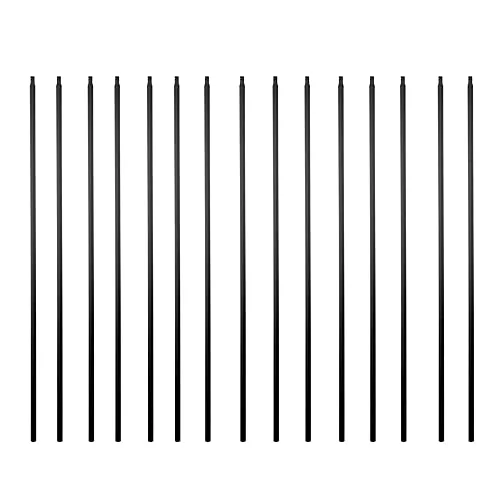 |
Elecmate Iron Balusters, Box of 15 (1/2″ Square, Satin Black) – $56.97 A straightforward, code-friendly 1/2-inch square metal spindle sized to drop into the same holes as a standard wood spindle.
|
Wood Spindle Styles and Where They Still Win
Turned wood spindles come in three families you’ll see repeated across most stair-parts catalogs: colonial (a simple taper with a fat middle bulge), craftsman (mostly straight, square-edged, minimal ornamentation), and Victorian (heavily carved, multiple beads and coves along the length). All three can be painted, stained, or left natural, and because the wood is solid all the way through, a scratch or dent can usually be sanded out rather than replaced. The tradeoff is upkeep: an exterior wood spindle exposed to weather needs a fresh coat of paint or sealant every 2-4 years, or moisture will get into the end grain and start rot from the inside out, usually at the base where it meets the tread.
Metal Spindle Design and Material Choices
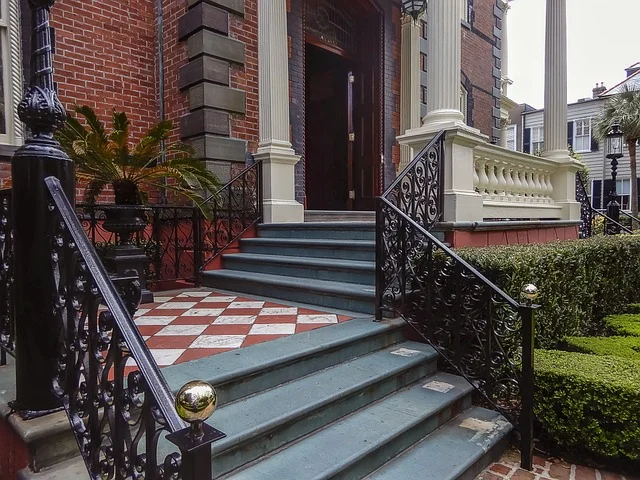
Most metal spindles sold for residential stairs are hollow wrought iron or steel, square (1/2-inch is the standard size) or round, powder-coated in satin black. Powder coating matters more than the base metal for how the spindle actually holds up – it’s a baked-on finish that resists chipping far better than sprayed paint, which is why a powder-coated iron spindle can go a decade outdoors without a touch-up. Aluminum spindles exist too and won’t rust at all, but they dent more easily than iron or steel and typically cost 15-25% more for the same design. Design options range from a plain straight bar to double-basket and knuckle patterns that mimic old ironwork, so matching a specific aesthetic (modern minimalist vs. traditional wrought iron) is just as achievable as it is with wood.

The Code Rule Most Guides Skip: Baluster Spacing
Under the International Residential Code (adopted with minor local tweaks in most U.S. jurisdictions), the gap between any two adjacent balusters has to be small enough that a 4-inch sphere can’t pass through it. In practice, that caps the clear space between 1/2-inch square spindles at roughly 3.5-3.75 inches on center once you account for the spindle’s own width – tighter than a lot of decorative wood spindle spacing built decades ago, which is one reason an older staircase sometimes needs an inspector’s sign-off before you swap materials. Two other numbers matter just as much and get missed even more often: a guard (the railing along an open stair side or landing) has to be at least 36 inches high, and a graspable handrail has to sit between 34 and 38 inches above the stair nosing. If you’re only replacing spindles and not touching the rail height, you’re fine on that front – but if the project grew to include a new top rail, check both numbers before you order material.
A quick way to plan spacing without doing the math by hand: measure the total open run length, decide on your spindle width, and divide – most baluster calculators (including code-compliance checks) will flag it immediately if your gap exceeds the 4-inch rule. It’s worth running this before you buy, not after; returning 40 custom-cut metal spindles because the spacing came out wrong is a genuinely bad afternoon.
Cost Comparison: Wood vs. Metal Spindles
A full professional staircase spindle replacement (12-14 step run, one side) typically lands between $2,000 and $5,000 installed, with the material itself usually only 20-30% of that total – labor and any structural rail work make up the rest. Buying materials yourself changes the math a lot. A box of 15 metal spindles (1/2-inch square, powder-coated) runs $50-$100 depending on finish and pattern, which works out to roughly $4-$7 per spindle before hardware. Wood spindles are usually cheaper per piece – often $3-$6 for a basic turned colonial style – but that gap narrows or reverses once you add the recurring cost of repainting or restaining every few years, something a powder-coated metal spindle simply doesn’t need.
The connecting hardware is the line item most people forget to budget for. Metal spindles need either baluster shoes (decorative covers that hide the connection point at the tread and rail, sold separately for $1-$2 each) or drop-in connectors, and neither is optional – a spindle resting loose in a hole isn’t structurally sound. Add roughly $1.50-$3 per spindle for shoes or connectors to whatever the spindle price tag shows.
Durability and Safety Considerations for Spindle Materials
Strength and Longevity of Wood Spindles
A solid wood spindle handles direct lateral force (someone leaning hard against the rail) reasonably well as long as it’s sound wood with no internal rot or checking. The failure mode to watch for is moisture damage at the base – because that joint sits in a routed hole where water can pool, a wood spindle can look fine on the surface while the bottom two inches have gone soft. Press a screwdriver tip firmly into the base of each spindle during any inspection; if it sinks in easily, that piece needs replacing regardless of what the rest of the run looks like.
Metal Spindle Durability and Safety Features
Hollow iron and steel spindles resist the moisture-rot failure mode entirely, but they carry a different structural requirement: because they’re hollow, the connection to the rail and tread does all the structural work, not the spindle body itself. A spindle that’s only pushed into a shoe without a screw, weld, or adhesive anchor can work loose over a few years of vibration and foot traffic, which is a real safety issue on an open guard. If you’re doing the installation yourself, don’t skip the mechanical fastener just because the spindle “fits snugly” – snug isn’t the same as secured.
The Installation Process: Wood Versus Metal
Installing Wood Spindles: Step-by-Step
- Measure and mark: record the exact spacing of the existing spindles before removing anything, so the new layout matches without extra math.
- Remove the old spindle: cut through any glue with a utility knife along the joint, then tap it free from the top and bottom rail holes.
- Cut to length: wood spindles almost always need trimming to the exact rise between rails – measure twice, since the angle at the top (if the stair is raked) isn’t the same as a level run.
- Glue and pin: apply wood glue in both holes, seat the spindle, and drive a finish nail through the rail into the spindle at an angle for extra hold while the glue cures.
- Finish: sand, then stain, paint, or clear-coat to match the rest of the run.
Metal Spindle Installation Methods
There are two realistic DIY-friendly methods for installing metal spindles into an existing wood rail system, and which one fits depends on whether your rails already have holes drilled for the old wood spindles.
- Drilled baluster-shoe method: drop the spindle’s tang into the existing (or newly drilled) hole, secure it with a set screw or epoxy, then slide a decorative shoe down over the joint to hide the hardware. This is the sturdier of the two methods and the one most inspectors expect to see on a guard rail, not just a handrail.
- No-drill twist-lock connectors: a plastic or metal bracket screws directly to the surface of the rail and tread (no hole required), and the hollow spindle end snaps or twists into it. Faster for a full-run replacement and the better option if your rails are solid (no pre-drilled holes) and you don’t want to cut into finished wood, though it’s a slightly less rigid connection than a drilled shoe for a heavily-used exterior guard.
Either method is realistic for an experienced DIYer over a weekend for a single flight of stairs. A full exterior deck or a structural guard rail replacement – especially anywhere the local code office requires a permit – is worth quoting with a contractor first, since a failed inspection on a rail height or spacing issue means redoing the work.
Frequently Asked Questions
Question: Are metal spindles stronger than wood spindles?
Answer: Generally, metal spindles, particularly those made of steel or wrought iron, are stronger and more durable than wood spindles. They’re more resistant to impacts and wear, and they don’t fail from internal moisture rot the way an aging wood spindle base can.
Question: Can I install metal spindles myself, or do I need a professional?
Answer: A single flight of interior stairs is a realistic weekend DIY project using drilled baluster shoes or no-drill twist-lock connectors. Structural guard-rail work on an exterior deck, or any job that needs a permit in your area, is worth hiring a professional for – both for the welding/anchoring skill involved and for code sign-off.
Question: Do metal spindles require less maintenance than wood spindles?
Answer: Yes. Powder-coated metal spindles resist chipping far better than painted wood and don’t need repainting or restaining every few years the way an exterior wood spindle does.
Question: What’s the best metal for spindles in terms of durability and looks?
Answer: Powder-coated wrought iron or steel offers the best balance of strength and cost for most homes. Aluminum won’t rust at all, but it dents more easily and typically costs 15-25% more for a comparable design.
Question: How do I measure for new spindles when replacing old ones?
Answer: Measure the height from the base rail to the top rail, and the spacing between posts. Then check that spacing against the 4-inch-sphere code rule before ordering – a gap that’s too wide on an existing older staircase is one of the most common reasons a spindle swap fails inspection.
Question: How far apart can metal spindles be spaced by code?
Answer: Under the standard IRC guard rule, the opening between spindles has to be small enough that a 4-inch sphere can’t pass through – in practice, roughly 3.5-3.75 inches of clear space between 1/2-inch square spindles. Always confirm against your local building department, since some jurisdictions apply stricter local amendments.
Final Thoughts
Deciding between wood and metal spindles comes down to three numbers more than personal taste: your budget (materials plus hardware, or the full $2,000-$5,000 professional range), how much repeat maintenance you’re willing to take on, and whether your existing spacing already clears the 4-inch code rule. Wood keeps upfront cost lower and matches traditional trim more easily. Metal costs more per spindle but removes the repainting cycle entirely and, done with a proper baluster shoe or connector, holds up under decades of foot traffic without the moisture-rot risk wood carries at the base.
Whichever direction you go, measure and check spacing against code before you order material – it’s the step that gets skipped most often, and the one that costs the most to fix after the fact.
Sponsored / affiliate links. As an Amazon Associate I earn from qualifying purchases. I may earn additional commission from eligible campaigns.