Minwax vs Varathane Stain: A Comparison for Wood Finishing
Choosing the right wood stain can be tough, especially when you’re starting a project. Figuring out if Minwax vs Varathane Stain: Which Lasts Longer? is a common question. It can feel a bit overwhelming at first because there’s so much to consider. Don’t worry, though! This guide breaks down everything simply, so you can easily pick the perfect stain. We’ll explore the main differences, how they perform, and what to expect. Let’s get started!
What Sets Minwax and Varathane Apart?
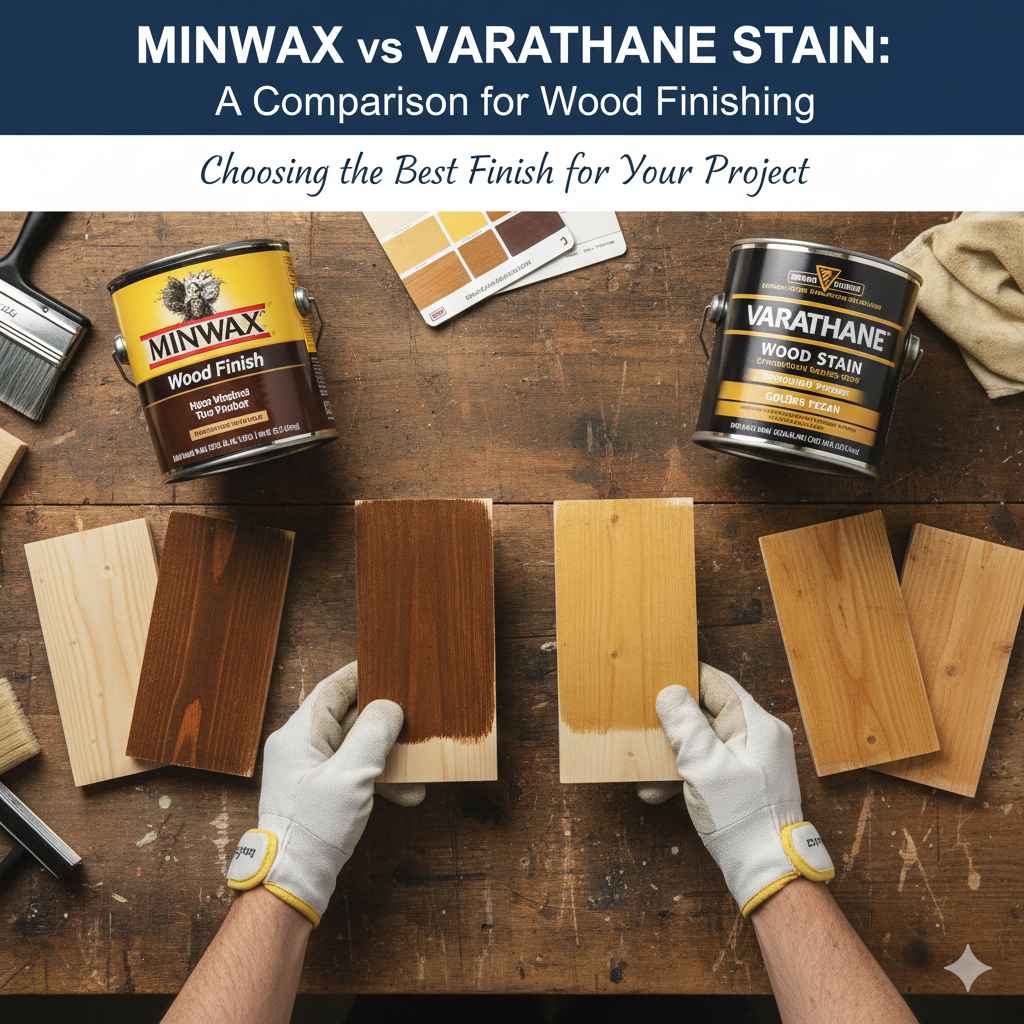
Minwax and Varathane are two of the most popular brands for wood stains, offering various products for different needs. The fundamental difference lies in their formulations and intended applications. Minwax often leans toward traditional oil-based stains, favored for their rich color and ease of application, especially for those new to woodworking. Varathane, on the other hand, is known for its advanced formulas, with many products being water-based, offering low odor and quick drying times.
The choice between them depends greatly on the project, the wood type, and the desired finish. Understanding these core differences is essential to selecting the right product for your needs.
Oil-Based vs. Water-Based Stains
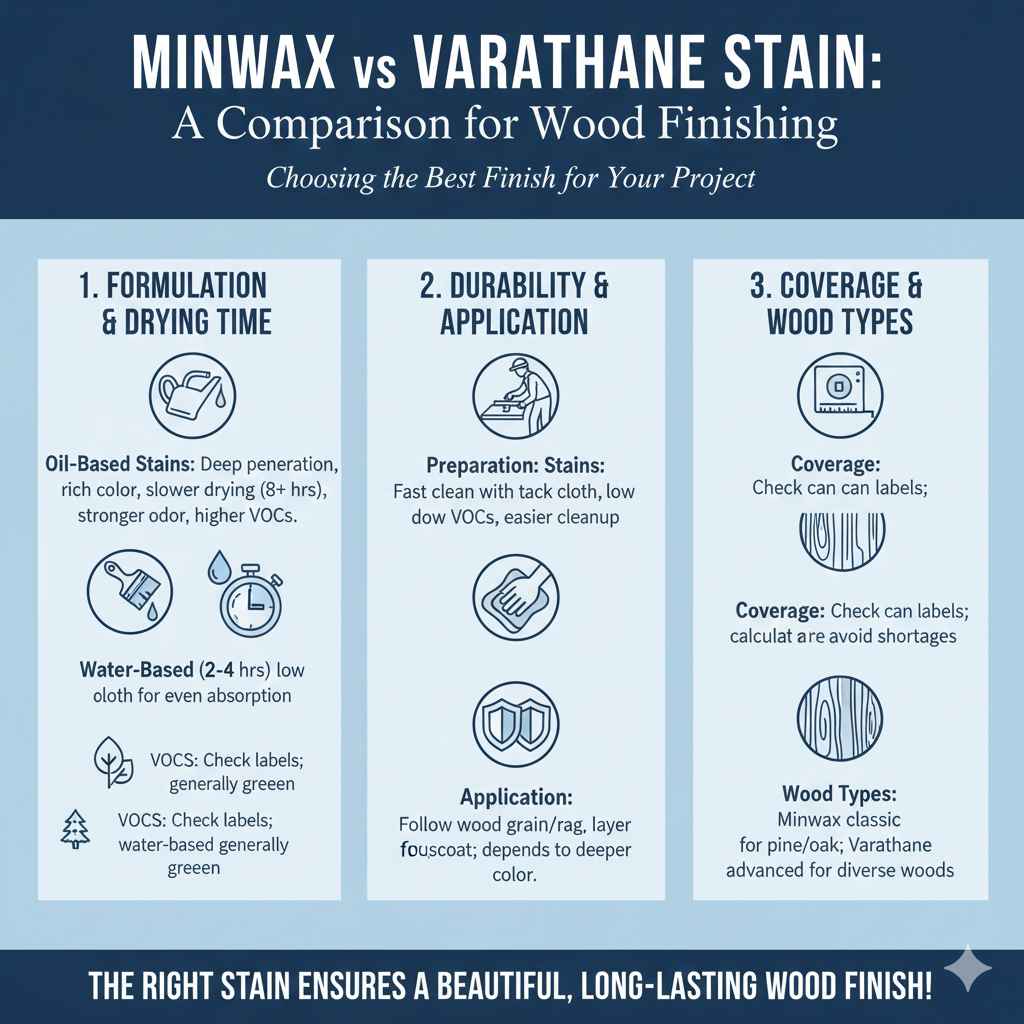
The core distinction between Minwax and Varathane products often revolves around their base composition. Oil-based stains, as you might guess, use oil as their carrier. This provides a deep, penetrating finish that enhances the wood grain and gives a classic look. They dry slower, which provides more work time, but the slower drying also means more time for dust and particles to settle.
Water-based stains use water, making them faster drying, easier to clean up (with water and soap), and often lower in VOCs (Volatile Organic Compounds), which are better for indoor air quality. The choice depends on personal preference, project needs, and how comfortable you are with the process.
- Oil-Based Stain Details: Oil-based stains are known for their ability to deeply penetrate the wood, resulting in a rich, consistent color. They generally take longer to dry, often needing several hours or even a day between coats. The slower drying time provides a more “open” window for applying the stain evenly. They have a stronger odor.
- Water-Based Stain Details: Water-based stains dry much faster, often in just a few hours. This allows for quicker project turnaround and reduces the chance of dust and debris getting trapped in the finish. Water-based stains tend to have a lighter color and less strong odor than oil-based, making them a good option for people who are sensitive to smells.
- VOC Considerations: VOCs can affect air quality and pose health risks. Oil-based stains often have higher VOC levels, while water-based stains generally have lower VOCs, making them the greener choice for people wanting to protect the environment. Always check the product label for VOC content.
- Durability and Performance: Both types of stains can provide durable finishes when applied correctly. The final durability depends on the type of topcoat used and the level of wear and tear the wood is expected to receive.
Coverage and Application
The amount of stain you’ll need depends on the surface area of your project. Both Minwax and Varathane offer clear instructions for calculating coverage, usually measured in square feet per can. Application methods also vary slightly. While both can be applied with brushes, rags, or sprayers, the specific techniques may differ depending on the product formulation. Proper surface preparation is also key. The wood surface should be smooth, clean, and free from any existing finishes to ensure the stain absorbs evenly and properly.
- Preparation is the Foundation: Start by sanding the wood. Use progressively finer grits of sandpaper to create a smooth surface. This creates a good bond for the stain. Clean the surface thoroughly with a tack cloth to remove dust.
- Application Techniques: Apply the stain evenly, following the wood grain. Use a brush, rag, or sprayer depending on the product instructions and your preference. Avoid excessive application to prevent drips and uneven color.
- Layering and Color: Apply multiple coats to deepen the color and build up protection. Allow each coat to dry completely before applying the next. The number of coats needed depends on the desired color intensity.
- Coverage Rates: Both brands provide coverage estimates on their product labels. Always calculate the area you’re staining to avoid running out of product. These estimates are a good reference.
Durability Showdown: How Long Do They Last?
When it comes to the question of Minwax vs Varathane Stain: Which Lasts Longer?, it’s not a simple one-size-fits-all answer. Several factors play a role in stain longevity. Wood type, environmental conditions, and the level of wear the surface receives affect how long the finish will last. Both brands produce stains that can last for many years if properly applied and maintained. However, the exact lifespan varies based on the specific products used and the environment they are exposed to.
Factors Affecting Stain Lifespan
Several elements impact how well a stain holds up over time. Direct sunlight can cause fading. Moisture, especially with outdoor projects, can lead to cracking, peeling, and mildew growth. The amount of foot traffic and usage directly impacts wear and tear. Therefore, the longevity of either Minwax or Varathane stain depends largely on how you treat the finished wood. Proper preparation and maintenance can extend the life of any stain.
- Sunlight Exposure: Direct sunlight can degrade the pigments in the stain, causing fading. Outdoor furniture and surfaces exposed to sunlight will likely need more frequent refinishing. Consider using stains with UV protection for outdoor projects.
- Moisture and Humidity: Wood exposed to moisture is at higher risk of damage. Water can cause the stain to peel and can lead to wood rot. Ensure the wood is completely dry and apply a waterproof topcoat, especially on outdoor projects.
- Wear and Tear: Surfaces that experience heavy use, like floors or tabletops, will experience more abrasion. The topcoat provides a protective layer, but scratches and wear will eventually affect the stain. Consider the expected use when choosing a stain and topcoat.
- Wood Type: Different types of wood absorb stain differently. Hardwoods tend to absorb stain more uniformly than softwoods. This affects the overall appearance and how long the finish lasts.
Real-World Performance: Case Studies
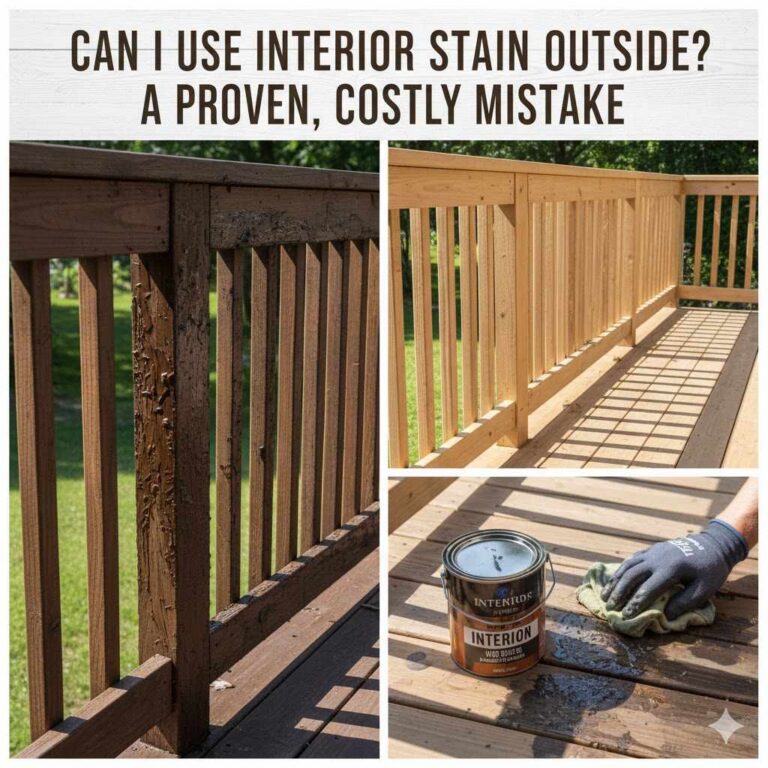
Let’s look at some real-life examples. For example, a homeowner stained their deck with Minwax oil-based stain. After two years of exposure to sun and rain, the stain showed signs of fading and some minor peeling. The homeowner re-stained the deck with Varathane water-based stain. The Varathane stain performed better, showing only minor wear and tear after three years. Another person used Varathane for their kitchen cabinets, and the stain still looked great after five years. This demonstrates the variability in stain performance.
- Deck Project: A homeowner chose a Minwax oil-based stain for their deck. After two years, the deck needed re-staining due to fading and wear.
- Cabinet Project: A kitchen was finished with Varathane water-based stain. After five years of use, the cabinets maintained their appearance.
- Outdoor Furniture: Someone used Minwax stain on outdoor furniture, and it lasted for about three years with proper maintenance.
Maintenance and Reapplication
Regular maintenance is important for maximizing the life of any stain. Regularly cleaning the stained surface removes dirt and grime that can damage the finish. Also, a fresh topcoat can provide an additional layer of protection, especially for high-traffic areas. When the stain begins to show signs of wear, like fading or peeling, it’s time to reapply it. The process will usually involve cleaning, light sanding, and applying a new coat of stain and topcoat. This ensures your wood surfaces look their best for years.
Choosing the Right Stain for Your Project
The best choice of stain depends on your specific needs. Both Minwax and Varathane offer a variety of products with different features. If you prefer the look of oil-based finishes or if you’re working on a project where quick drying isn’t a priority, Minwax can be a good option. If you need a fast-drying, low-odor stain or you’re concerned about VOCs, Varathane might be a better choice. The surface you’re staining, the environment where it will be used, and the desired final look are all important factors to consider.
Project-Specific Considerations
Consider the project. For furniture, a durable stain and topcoat may be more important than a fast drying time. For floors, the stain needs to withstand heavy use, so consider products designed for this purpose. Outdoor projects need stains that can resist weather elements like sun and rain. The type of wood will also affect how the stain appears and how well it absorbs. Always read the product labels carefully and choose a stain that is specifically designed for your project. This will guarantee a better outcome.
- Furniture: For furniture, consider durability and aesthetics. Choose a stain that enhances the wood’s appearance and is resistant to scratches and wear.
- Floors: Floor stains must withstand constant foot traffic. Look for stains made for floors, along with a topcoat.
- Outdoor Projects: Outdoor projects demand weather-resistant stains. Consider stains with UV protection and water-resistant properties to ensure longevity.
- Wood Type: Different woods stain differently. Research how the stain you choose works with your specific wood type.
Comparing Product Lines
Both brands offer multiple stain lines, each designed for different purposes. Minwax offers stains like “Wood Finish” (oil-based) and “Polyshades” (stain and polyurethane in one). Varathane has products like their “Classic” (oil-based) and “Premium Diamond Wood Finish” (water-based) stains, which are known for their durability. Reviewing the product specifications will give you a better idea of how the products work. These specifics will help you choose the best match for your needs.
| Feature | Minwax Wood Finish | Varathane Classic |
|---|---|---|
| Type | Oil-Based | Oil-Based |
| Drying Time | 4-6 hours | 4-6 hours |
| Durability | Good | Good |
| Best Use | Interior wood surfaces | Interior wood surfaces |
Frequently Asked Questions
Question: Is one brand universally “better” than the other?
Answer: Neither brand is universally better. The “best” choice depends on your specific needs, the project, and your preferences for application and drying time.
Question: Which stain dries faster?
Answer: Generally, Varathane’s water-based stains dry faster than Minwax’s oil-based stains.
Question: Are oil-based or water-based stains better for outdoor projects?
Answer: For outdoor projects, the key is choosing a stain specifically designed for exterior use, regardless of whether it’s oil- or water-based. Look for stains with UV protection and water resistance.
Question: How do I prepare the wood before staining?
Answer: Sand the wood, clean the surface, and remove any old finishes before staining for even absorption.
Question: What’s the best way to maintain stained wood?
Answer: Regularly clean the surface and reapply a topcoat when needed to keep the stain in top shape.
Final Thoughts
Deciding between Minwax vs Varathane Stain: Which Lasts Longer? doesn’t have a single answer. Both brands offer solid options. The right choice depends on your project, the wood, and what look you want. Oil-based stains from Minwax can give you a classic, rich color, while Varathane’s water-based options offer faster drying and lower odors. Considering factors like sun exposure, moisture, and how you use the finished wood will help you make the best choice. Explore different products, test them on a sample piece of wood first, and follow the instructions carefully. By taking these steps, you’ll be well on your way to a stunning and long-lasting wood finish.