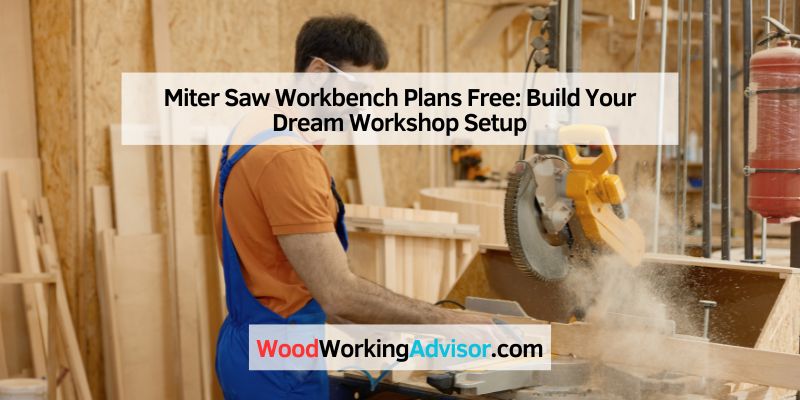
Miter Saw Workbench Plans Free: Build Your Dream Workshop Setup
Hey there! If you’re looking for miter saw workbench plans free to level up your woodworking game, you’re in the right place. I’ve spent years tinkering in my workshop, and a solid miter saw workbench is a game-changer. It’s not just about having a place to set your saw—it’s about creating a space that’s functional, sturdy, and tailored to your needs. In this article, I’ll walk you through everything you need to know to build your own miter saw workbench without spending a dime on plans. Let’s dive in and make something awesome together!
Why You Need a Dedicated Miter Saw Workbench
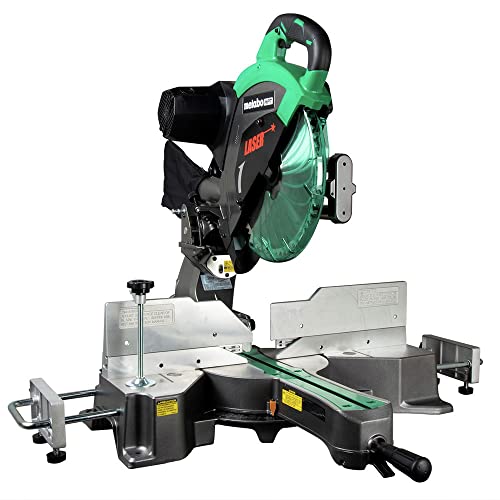
Let me tell you, when I first started woodworking, I used my miter saw on any flat surface I could find. Big mistake! A wobbly table or cramped workspace can mess up your cuts and make projects frustrating. A dedicated miter saw workbench gives you stability, precision, and a spot to organize your tools. It’s like having a trusty sidekick that keeps everything in place while you focus on creating.
A good workbench is designed to hold your miter saw securely, provide enough space for long boards, and keep your workspace clutter-free. Plus, it can double as a storage hub for your tools, blades, and accessories. Whether you’re a weekend DIYer or a seasoned woodworker, a custom workbench will make your cuts cleaner and your projects smoother.
Key Features of a Great Miter Saw Workbench
When I built my first workbench, I learned the hard way what works and what doesn’t. Here are the must-have features for a miter saw workbench that’ll make your life easier:
- Sturdy Base: Your workbench needs to handle the weight of the saw and the force of cutting without wobbling. Think heavy-duty lumber or plywood for the frame.
- Adjustable Height: The workbench should match your height for comfort. I’m 5’10”, and a 36-inch height works great for me, but you might need to tweak it.
- Extended Support Arms: Long boards need support on both sides of the saw. Foldable or adjustable arms are a lifesaver for big projects.
- Storage Solutions: Shelves, drawers, or pegboards keep your tools handy. I love having a spot for my tape measure and pencils right where I need them.
- Dust Collection: Miter saws create a mess. A built-in dust collection system or space for a shop vac will keep your workshop clean.
- Portability: If you move your workbench around, add casters with locks. I added wheels to mine, and it’s so easy to roll out of the way when I’m done.
Here’s a quick table summarizing these features:
| Feature | Why It Matters | My Tip |
|---|---|---|
| Sturdy Base | Prevents wobbling during cuts | Use 2x4s or 4x4s for legs |
| Adjustable Height | Reduces strain during long sessions | Aim for hip-height for comfort |
| Extended Support Arms | Supports long boards for accurate cuts | Make them foldable for small spaces |
| Storage Solutions | Keeps tools organized and accessible | Add a shelf under the bench |
| Dust Collection | Minimizes cleanup time | Attach a shop vac or dust bag |
| Portability | Easy to move in tight workshops | Use locking casters for stability |
Materials You’ll Need for a Free Miter Saw Workbench Plan
One of the best parts about building your own workbench is that you can use materials you already have. I’ve built a couple of these over the years, and you don’t need fancy stuff to get started. Here’s what I recommend:
- Lumber: 2x4s or 2x6s for the frame and legs. Plywood (¾-inch thick) works great for the tabletop and shelves.
- Screws and Fasteners: 2½-inch and 3-inch wood screws, plus some brackets for extra strength.
- Plywood or MDF: For a smooth, flat surface to mount your miter saw.
- Casters (Optional): If you want a mobile workbench, grab four heavy-duty casters with locks.
- Tools: A drill, circular saw, level, measuring tape, and a square. If you have a miter saw already, it’ll come in handy for cutting precise angles.
I usually raid my scrap pile for leftover lumber. If you’re buying new, check local hardware stores or lumberyards for deals. You can keep costs low by sticking to basic materials.
Step-by-Step Guide to Building Your Miter Saw Workbench
Building a miter saw workbench is easier than it sounds. I’ll break it down into simple steps based on a plan I’ve used myself. This design is sturdy, has foldable wings for support, and includes storage. Best of all, it’s customizable to fit your space.
Step 1: Plan Your Design
Before you start cutting, sketch out your workbench. Measure your miter saw to ensure the platform fits perfectly. My saw is about 24 inches wide, so I built a 30-inch-wide tabletop to give me some wiggle room. Decide on the height (around 36 inches is standard) and whether you want storage or wheels. A quick sketch on paper saves headaches later.
Step 2: Build the Frame
Start with the legs. Cut four 2x4s to your desired height (minus the tabletop thickness). For a 36-inch height with a ¾-inch plywood top, cut the legs to 35¼ inches. Then, create a rectangular frame using 2x4s for the top and bottom. I use two 2x4s across the width (about 30 inches) and two along the length (about 48 inches) for a solid base. Secure everything with 3-inch screws and check for squareness with a carpenter’s square.
Step 3: Add the Tabletop
Cut a piece of ¾-inch plywood to your desired tabletop size (mine’s 30×48 inches). Attach it to the frame with screws, making sure it’s flush. If your miter saw has a specific mounting system, drill holes in the plywood to bolt it down securely. I like to leave a little extra space around the saw for tools or jigs.
Step 4: Build Foldable Support Wings
Long boards need support, so I added foldable wings on both sides. Cut two pieces of plywood (12×36 inches each) for the wings. Attach them to the main tabletop with heavy-duty hinges so they can fold down when not in use. For extra support, add adjustable support braces (like metal shelf brackets) to hold the wings level with the tabletop.
Step 5: Add Storage and Shelves
I love a workbench with storage. Add a lower shelf by cutting another piece of plywood and attaching it halfway down the legs with 2×4 cross supports. You can also add a pegboard on the back for hanging tools or small bins for screws and bits. My favorite addition is a narrow drawer for pencils and small tools—super handy!
Step 6: Make It Mobile (Optional)
If you want to move your workbench, attach four locking casters to the bottom of the legs. Make sure they’re rated for at least 100 pounds each to handle the weight. I roll mine into a corner when I’m not using it, which saves so much space in my garage.
Step 7: Add Dust Collection
Miter saws kick up a lot of sawdust. I attached a dust bag to my saw, but you can also rig up a shop vac with a hose clamp for better collection. If your saw has a dust port, make sure your workbench design leaves room to access it.
Step 8: Test and Tweak
Once it’s built, set your miter saw on the workbench and make a few test cuts. Check if the height feels right and if the wings support long boards properly. I had to adjust my wing braces a couple of times to get them level, but it was worth it for perfect cuts.
Customizing Your Workbench for Your Needs
One thing I love about building my own miter saw workbench is making it my own. Here are some ideas to customize yours:
- Small Spaces: If your workshop is tight, make the workbench narrower (24 inches wide) and use foldable wings to save space.
- Heavy-Duty Use: If you’re cutting big timbers, use 4x4s for the legs and reinforce the frame with diagonal braces.
- Multi-Functionality: Add a router insert or a clamp system to turn your workbench into a multi-tool station.
- Aesthetics: Sand and stain the wood for a polished look. I used a walnut stain on mine, and it looks sharp in my shop.
Think about what you’ll use the workbench for most. If you’re doing crown molding, prioritize long support arms. If you’re into small projects, focus on storage for bits and blades.
Where to Find Free Miter Saw Workbench Plans
You don’t need to spend money to get great plans. Over the years, I’ve found tons of free miter saw workbench plans online. Here are my go-to sources:
- DIY Blogs and Websites: Sites like Ana White and Family Handyman offer free plans with detailed cut lists and diagrams. I built my first workbench using a plan from Ana White, and it was super easy to follow.
- Woodworking Forums: Communities like Reddit’s r/woodworking or Lumberjocks have users who share their plans for free. You’ll also find real-world tips from other woodworkers.
- YouTube Tutorials: Search for “miter saw workbench DIY” on YouTube. I’ve watched countless videos where creators walk you through their builds, often with downloadable plans in the description.
- Free PDF Downloads: Some woodworking magazines, like Wood Magazine, offer free PDF plans on their websites. Look for plans labeled “miter saw station” or “chop saw workbench.”
When picking a plan, make sure it matches your skill level and tools. Some plans require advanced joinery, but most are beginner-friendly with basic cuts and screws.
Tips for Maintaining Your Miter Saw Workbench
Once you’ve built your workbench, you’ll want to keep it in top shape. Here’s what I do to maintain mine:
- Clean Regularly: Sweep off sawdust and debris after every session. A clean workbench makes your cuts more accurate.
- Check for Wear: Over time, screws can loosen, or the tabletop might get nicked. Tighten fasteners and sand down rough spots as needed.
- Protect the Surface: If you’re staining or gluing on the workbench, cover it with a drop cloth to avoid damage.
- Inspect Casters: If you added wheels, check them monthly to ensure they lock properly and roll smoothly.
A little maintenance goes a long way. My workbench has been going strong for three years with just a bit of TLC.
Common Mistakes to Avoid
I’ve made plenty of mistakes building workbenches, so let me save you some trouble:
- Skipping Measurements: Double-check your miter saw dimensions before cutting. I once built a tabletop too small, and my saw didn’t fit!
- Using Weak Materials: Don’t skimp on lumber. Thin plywood or flimsy 2x2s won’t hold up to heavy use.
- Ignoring Ergonomics: If the workbench is too high or low, you’ll feel it in your back. Test the height before finalizing the build.
- Forgetting Dust Collection: Sawdust piles up fast. Plan for dust management from the start to avoid a messy shop.
Take your time and measure twice. It’s better to spend an extra hour planning than to redo the whole thing.
Why Free Plans Are a Great Starting Point
I’m all about saving money, and free miter saw workbench plans are a fantastic way to get started. They give you a blueprint to follow without breaking the bank. Plus, you can tweak them to fit your space, tools, and style. Whether you’re building a simple stand or a full-blown workstation with bells and whistles, free plans let you experiment without risking a big investment.
The best part? You’re not just following someone else’s design—you’re learning. Every workbench I’ve built has taught me something new about woodworking, from joinery to space-saving tricks. It’s like a project that keeps on giving.
Conclusion
Building a miter saw workbench has been one of the best decisions for my workshop. It’s not just a place to set your saw—it’s a hub that makes every project easier, cleaner, and more fun. With free miter saw workbench plans, you can create a custom setup that fits your needs without spending a fortune. From sturdy legs to foldable wings and clever storage, your workbench can be as simple or as fancy as you want.
So, grab your tools, pick a plan, and start building. Trust me, once you’ve got a dedicated workbench, you’ll wonder how you ever got by without it. Let’s make some sawdust and create something amazing together!
FAQs About Miter Saw Workbench Plans
What’s the best height for a miter saw workbench?
The best height depends on your body. I aim for hip-height, around 36 inches, so I’m not bending over or reaching up. Measure from the floor to your hip and adjust from there.
Can I use a miter saw workbench for other tools?
Absolutely! I’ve used mine as a router table and assembly station. Just make sure the tabletop is sturdy enough for heavier tools.
How do I make my workbench portable?
Add locking casters to the legs. I used 3-inch heavy-duty wheels, and they make moving my workbench a breeze.
Do I need advanced skills to build a workbench?
Not at all! Most free miter saw workbench plans are beginner-friendly. If you can measure, cut, and screw, you’re good to go.
How much will materials cost?
It depends on what you have on hand. I spent about $50 on lumber and screws, but you can keep costs down by using scrap wood.