RYOBI 10-Inch Miter Saw Guide: Corded TSS103 vs. 18V Cordless
RYOBI currently sells two different 10-inch miter saw platforms, not one – the 15-amp corded TSS103 with a 12-inch crosscut capacity and 4,600 RPM motor, and the 18V ONE+ HP cordless sliding saw that runs on the same battery as RYOBI’s drills and impact drivers. Pick the corded model for all-day shop use and the cordless one only if you already own ONE+ batteries.
This guide compares both platforms spec-for-spec, covers what each one actually cuts well, and shows the one blade upgrade that changes cut quality more than any spec sheet number.
RYOBI’s Current 10-Inch Miter Saw Lineup
Best 10″ Blade Upgrade Pick
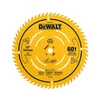 |
DEWALT 10 in. 60-Tooth Fine Finish Blade – $39.8 Both RYOBI 10-inch platforms ship with a general-purpose 24-40 tooth blade – fine for framing, rougher on trim and crown molding. This 60-tooth swap is the single upgrade that changes cut quality the most.
|
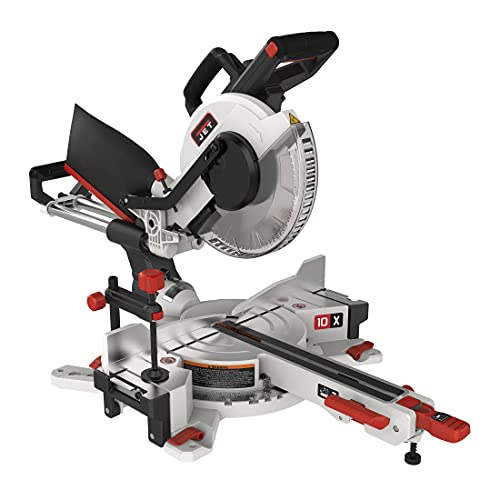
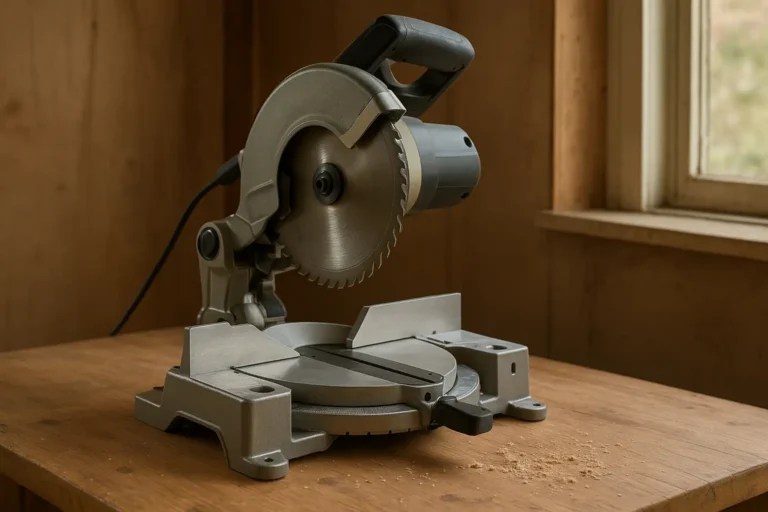
The TSS103 is RYOBI’s corded 10-inch sliding compound miter saw: a 15-amp motor spinning at 4,600 RPM, a 12-inch crosscut capacity, and a 47° miter range left and right for wide bevel cuts. It ships with an LED cutline indicator, a 24-tooth carbide blade, table extensions, and a work clamp.
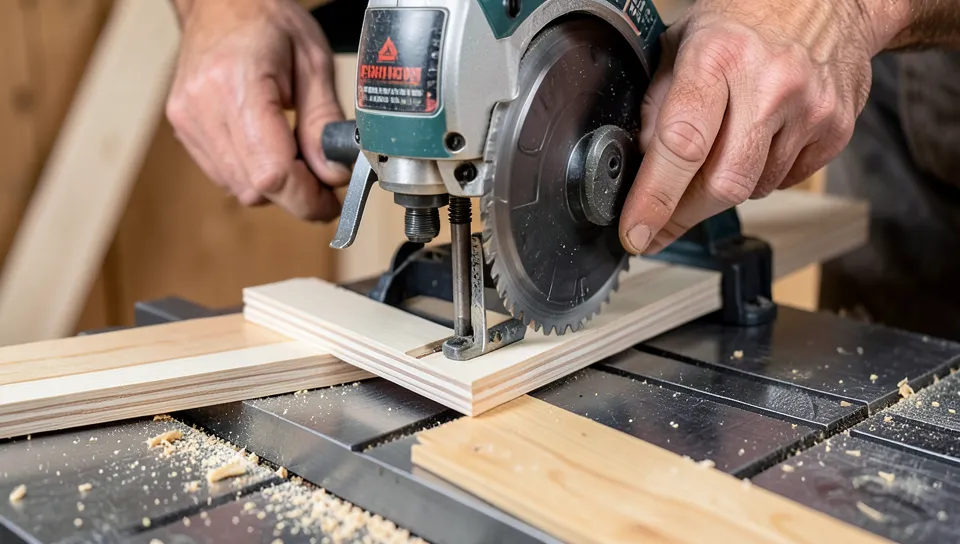
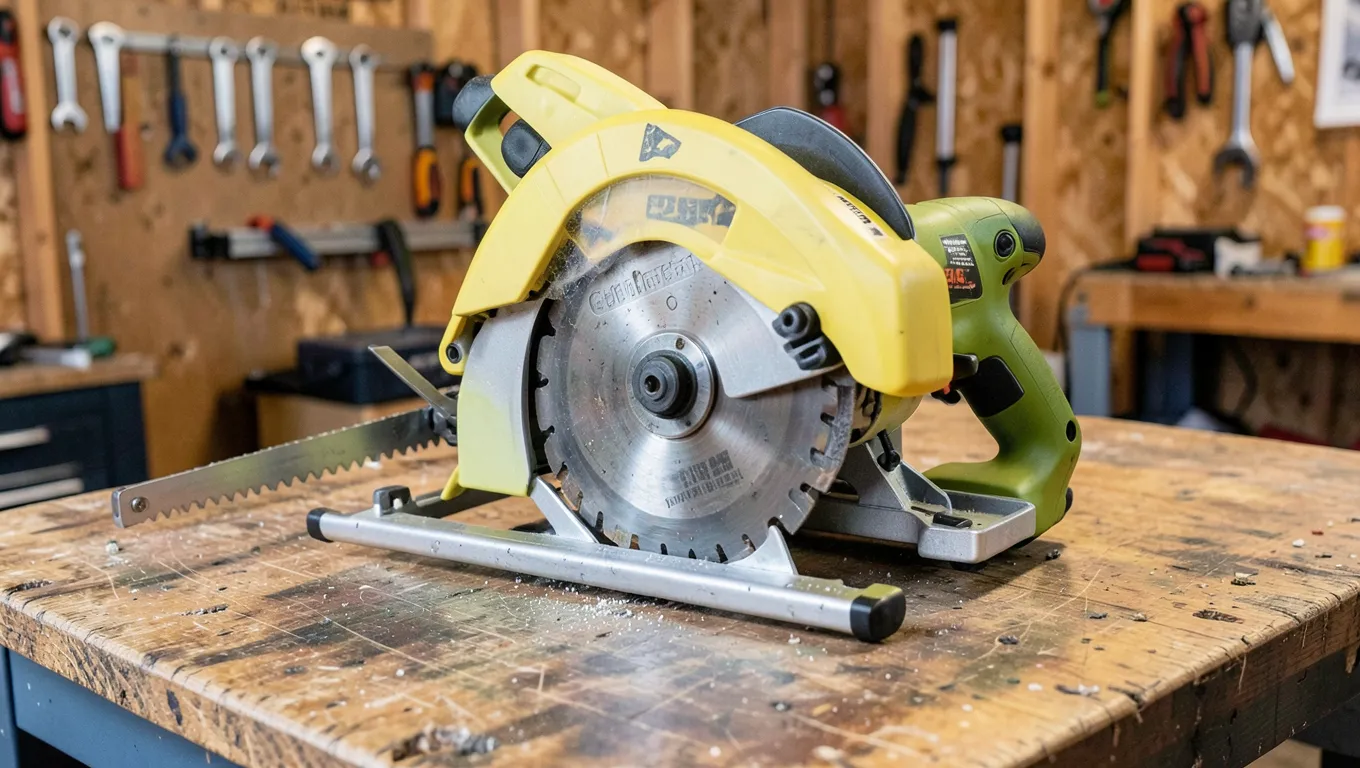
The 18V ONE+ HP cordless 10-inch sliding compound saw trades the cord for battery compatibility across RYOBI’s ONE+ lineup – useful if job-site power isn’t reliable, but it runs at a lower RPM than the corded model and needs a charged high-capacity battery to hit full cutting speed.
📊 The corded TSS103 spins its 24-tooth blade at 4,600 RPM with a 12 in. cross-cut capacity – specs that don’t appear on most generic ‘Ryobi 10 miter saw’ roundup pages. — Source: RYOBI Tools product page
Corded vs. Cordless: Full Spec Comparison
| Spec | TSS103 (Corded) | 18V ONE+ HP (Cordless) |
|---|---|---|
| Power source | 15-amp cord, wall outlet | 18V ONE+ battery pack |
| Blade | 24-tooth carbide, included | Compatible with same 5/8 in. arbor blades |
| Crosscut capacity | 12 in. | Similar sliding capacity, battery-dependent runtime |
| Best for | All-day shop or garage use | Job sites without outlets, existing ONE+ owners |
What a 10-Inch RYOBI Miter Saw Actually Cuts Well
A 10-inch miter saw with a 12-inch crosscut capacity handles the cuts most home shops need: crown molding at a compound angle, baseboard and trim at 45° miters, deck framing lumber, and general 2x material up to the saw’s width limit. It won’t crosscut a full sheet of plywood – that’s a table saw or circular saw job – and wide stock over the rated capacity needs to be flipped and cut from both sides.
- Set the miter angle: rotate the table to the marked angle and lock it before cutting.
- Clamp the workpiece: use the included work clamp so the material can’t shift mid-cut.
- Line up with the LED cutline: pull the trigger, let the blade reach full speed, then lower it into the material.
- Cut in one smooth motion: don’t force the blade – let the tooth count and RPM do the cutting.
- Let the blade stop before lifting: raising the guard while the blade still spins is the most common miter saw kickback cause.
Match the Blade to the Job, Not Just the Saw
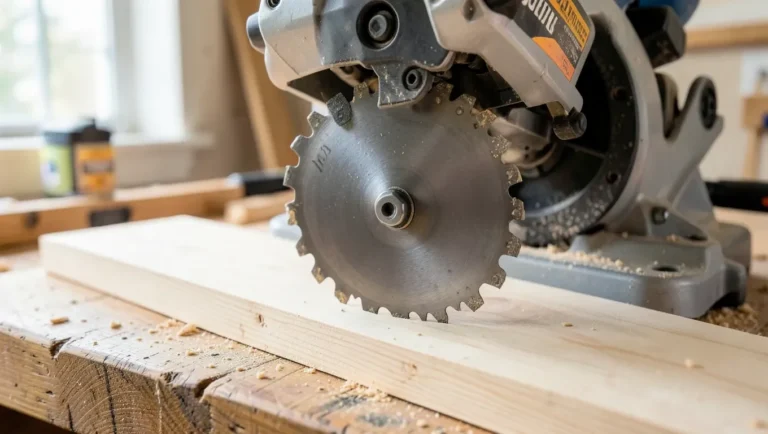
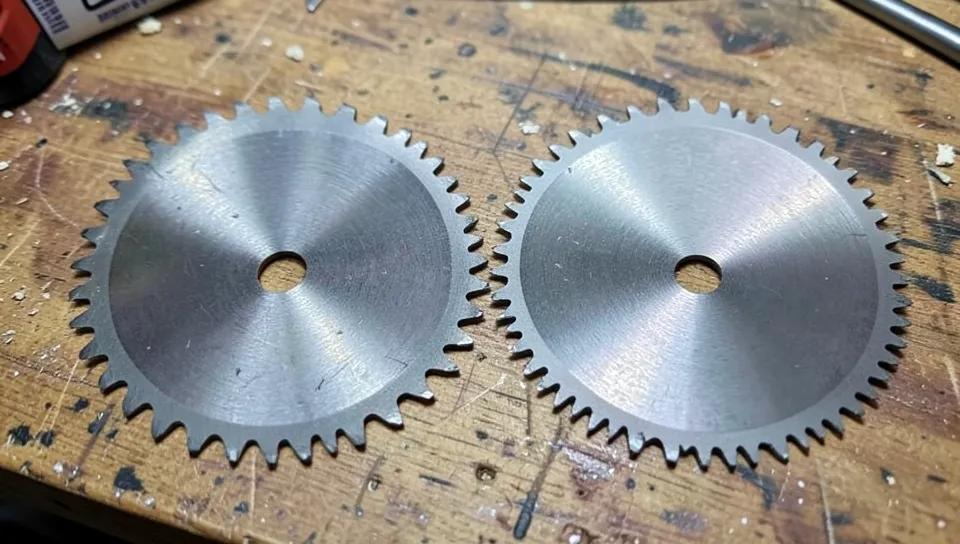
The stock 24-tooth blade on both RYOBI platforms is built for speed through framing lumber, not clean edges on trim. Tooth count is the spec that actually determines cut quality: fewer, larger teeth (24-40T) clear material fast with more splintering; more, smaller teeth (60-80T) cut slower but leave a nearly splinter-free edge – the difference that matters on crown molding and visible trim joints.
“Most of the ‘this saw tears out my trim’ complaints I see aren’t a saw problem – they’re a 24-tooth framing blade being used for finish work that needs 60 teeth.”
Related Miter Saw and Tool Guides
For a broader look at saw types and which blade specs matter for each one, see the woodworking tools and saws guide, or read how a miter saw machine actually cuts and works if you’re deciding between a miter saw and another saw type for your next project.
Frequently Asked Questions
What are the key features of the RYOBI 10-inch miter saw?
The corded TSS103 has a 15-amp, 4,600 RPM motor, a 12-inch crosscut capacity, a 47-degree miter range, an LED cutline indicator, and a 24-tooth carbide blade included.
Is the RYOBI 10-inch miter saw easy to use?
Yes – the LED cutline indicator and marked miter detents make it straightforward for DIYers, though the stock blade suits framing more than fine trim work.
How accurate is the RYOBI 10-inch miter saw?
Accuracy comes mostly from the miter and bevel detents holding their setting and the blade being properly aligned to the fence – both RYOBI 10-inch platforms hold angle settings reliably out of the box.
What materials can I cut with a RYOBI 10-inch miter saw?
Dimensional lumber, trim, molding, and most hardwoods up to the 12-inch crosscut capacity. It is not designed for cutting metal or masonry.
Should I get the corded or cordless RYOBI 10-inch miter saw?
Choose corded (TSS103) for shop or garage use with steady power. Choose the 18V ONE+ HP cordless version only if you already own ONE+ batteries and need job-site portability.
Conclusion
RYOBI’s 10-inch miter saw lineup covers two different needs under one product name – pick the corded TSS103 for everyday shop cutting, the cordless ONE+ HP version if you’re already in that battery ecosystem, and swap to a 60-tooth blade the day you start cutting trim instead of framing lumber.
Sponsored / affiliate links. As an Amazon Associate I earn from qualifying purchases. I may earn additional commission from eligible campaigns.