Exploring Unfinished Oak Hardwood Flooring: A Comprehensive Guide
Hey there! If you’re thinking about giving your home a fresh, timeless look, let me tell you about unfinished oak hardwood flooring. I’ve spent years diving into the world of woodworking, from browsing lumberyards to installing floors myself, and I can say there’s something special about this material. It’s like a blank canvas for your home, full of potential and charm. Unfinished oak hardwood flooring is raw, natural, and lets you customize your space exactly how you want it. In this article, I’m going to walk you through everything I’ve learned about it—what makes it great, how to choose it, and why it might be the perfect fit for your home. So, grab a coffee, and let’s get started!
What Is Unfinished Oak Hardwood Flooring?
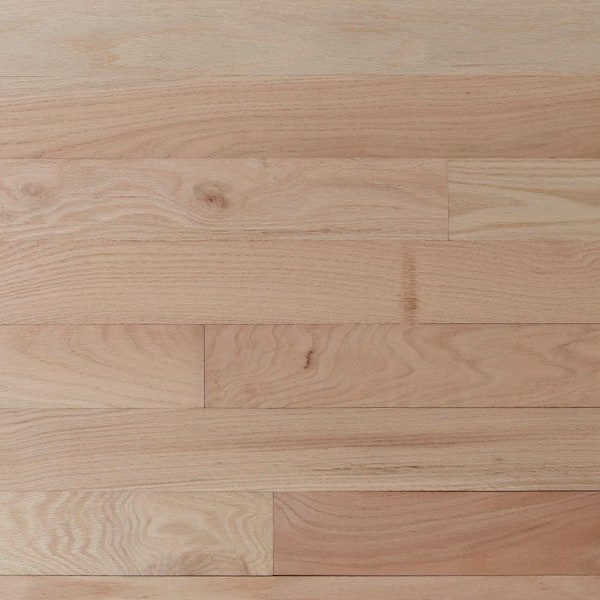
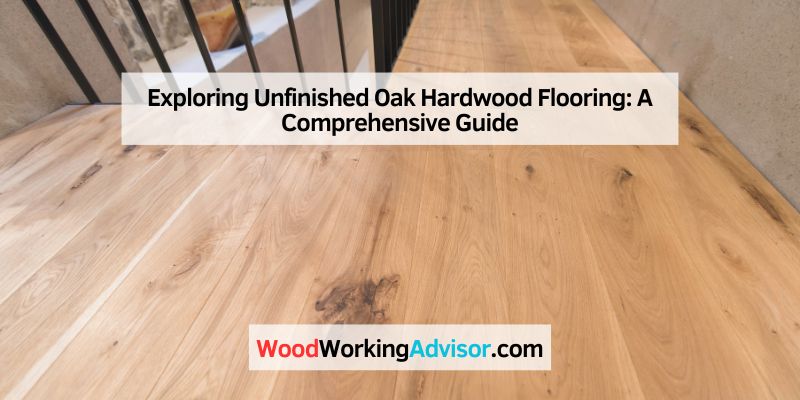
When I first came across unfinished oak hardwood flooring, I was intrigued by its raw beauty. It’s exactly what it sounds like: oak wood planks that haven’t been stained, sealed, or coated with any finish. They come straight from the mill, sanded down but bare, ready for you to add your personal touch. Think of it like buying a plain cake—you get to choose the frosting and decorations.
Oak is a classic choice for flooring because it’s strong, durable, and has a gorgeous grain pattern. Unfinished oak, in particular, gives you control over the final look. You can stain it to match your furniture, go for a natural vibe, or even experiment with bold colors. I remember visiting a friend’s house where they’d just installed unfinished red oak floors and stained them a warm honey tone—it completely transformed the room!
There are two main types of oak used for flooring: red oak and white oak. Red oak has a slightly warmer, pinkish hue, while white oak leans toward cooler, grayish tones. Both are stunning, and I’ll dive into the differences later. For now, know that unfinished oak is all about flexibility and letting your creativity shine.
Why Choose Unfinished Oak Hardwood Flooring?
I’ll be honest—when I first started exploring flooring options, I was tempted by prefinished floors because they seemed easier. But after working with unfinished oak, I’m hooked. Here’s why I think it’s worth considering.
First, it’s customizable. With prefinished floors, you’re stuck with the manufacturer’s stain and finish. Unfinished oak lets you pick the exact color and sheen you want. I once helped a neighbor stain their white oak floors a soft gray to match their modern decor, and it looked like something out of a magazine.
Second, it’s often more affordable. Unfinished oak tends to cost less upfront because it skips the factory finishing process. You’ll spend a bit on staining and sealing, but you can save money if you’re willing to put in some work. I’ve found that high-quality unfinished oak can be comparable in price to basic prefinished floors, which is a win in my book.
Third, it’s perfect for matching existing floors. If you’re renovating part of your home, like I did in my old Victorian fixer-upper, unfinished oak lets you blend new floors with old ones seamlessly. You can sand and finish everything together for a uniform look.
Finally, there’s something satisfying about the process. I remember the first time I sanded and stained an oak floor—it felt like I was crafting something unique for my home. It’s a hands-on project that makes your space feel truly yours.
Red Oak vs. White Oak: Which Should You Pick?
One of the biggest decisions you’ll make is choosing between red oak and white oak. I’ve worked with both, and each has its own personality. Let’s break it down so you can decide what’s best for your home.
Red oak is warm and inviting. Its grain is bold, with a slightly reddish tint that glows under a clear finish. I used red oak in my living room because I wanted a cozy, traditional vibe. It’s also a bit softer than white oak, which means it might dent more easily, but it’s still plenty durable for most homes.
White oak, on the other hand, is a bit harder and has a more subtle, refined grain. Its color leans toward cooler tones, like beige or light gray, which makes it a favorite for modern or minimalist spaces. I installed white oak in a friend’s kitchen, and we went with a matte finish to keep it sleek and understated.
Here’s a quick comparison to help you decide:
| Feature | Red Oak | White Oak |
|---|---|---|
| Color | Warm, reddish hues | Cooler, beige to gray tones |
| Grain | Bold, pronounced | Subtle, refined |
| Hardness | Slightly softer (Janka: 1,220) | Harder (Janka: 1,350) |
| Best For | Traditional, cozy spaces | Modern, minimalist spaces |
| Cost | Often slightly cheaper | Slightly more expensive |
Both are fantastic, but I’d lean toward red oak if you want a warm, classic feel and white oak if you’re after something sleek and versatile. It really comes down to your style and the vibe you’re going for.
Benefits of Unfinished Oak Hardwood Flooring
I’ve already touched on why I love unfinished oak, but let’s dive deeper into the benefits. These are the reasons I keep coming back to it for my projects.
Customization Freedom
With unfinished oak, you’re the artist. You can choose any stain color, from deep espresso to barely-there natural. You can also pick your finish—glossy, satin, or matte. I once stained an oak floor a rich walnut shade for a client who wanted a dramatic look, and it was a showstopper. You can’t get that level of control with prefinished floors.
Cost Savings
Unfinished oak is often cheaper than prefinished options because it skips the factory finishing process. For example, when I priced out flooring for my dining room, unfinished red oak was about 20% less expensive than prefinished planks of the same grade. You’ll need to factor in the cost of sanding, staining, and sealing, but if you’re handy or hire a good contractor, you can still come out ahead.
Seamless Blending
If you’re extending flooring in an older home, unfinished oak is a lifesaver. I had to match new floors to 50-year-old oak in my hallway, and using unfinished planks let me sand and stain everything together. The result was a smooth, cohesive look that made the new and old sections indistinguishable.
Durability and Repairability
Oak is naturally tough, and unfinished oak gives you an edge when it comes to repairs. If you get a scratch or dent, you can sand it down and refinish just that spot. With prefinished floors, repairs are trickier because the factory finish is hard to match. I’ve fixed small scuffs on my oak floors with a quick sand and touch-up, and they look as good as new.
Unique Aesthetic
There’s something about the raw, natural look of unfinished oak that feels authentic. Before you apply the finish, the wood has a soft, organic texture that’s beautiful in its own right. Even after finishing, the grain and character of oak shine through, giving your home a warm, lived-in feel.
Things to Consider Before Choosing Unfinished Oak
Now, I’m not going to sugarcoat it—unfinished oak isn’t for everyone. It’s amazing, but there are a few things I’ve learned to keep in mind.
First, it’s more work. You’ll need to sand, stain, and seal the floors after installation, which takes time and effort. When I did my first oak floor, I underestimated how long the finishing process would take. Plan for a few extra days, especially if you’re doing it yourself.
Second, it’s sensitive to moisture before finishing. Unfinished oak is raw wood, so it can absorb water or humidity if not handled properly. I learned this the hard way when I left some planks in a damp garage—they warped slightly and were a pain to install. Store your wood in a dry, climate-controlled space.
Third, you’ll need to choose a finish carefully. The type of finish—oil, polyurethane, or wax—affects how your floors look and hold up. I prefer water-based polyurethane for its durability and low odor, but oil-based finishes give a richer color. Do some research or test samples to find what works for you.
Finally, consider hiring a professional if you’re not confident in your DIY skills. Sanding and finishing require precision, and mistakes can be costly. I’ve seen uneven finishes ruin an otherwise beautiful floor, so it’s worth getting it right.
How to Install Unfinished Oak Hardwood Flooring
Installing unfinished oak flooring is a project I’ve tackled a few times, and it’s rewarding if you’re up for it. Here’s how I approach it, step by step.
Step 1: Prepare the Subfloor
Before you lay a single plank, make sure your subfloor is clean, level, and dry. I once skipped this step in a rush and ended up with creaky floors—don’t make that mistake. Check for moisture, fill any cracks, and sand down high spots.
Step 2: Acclimate the Wood
Oak needs to adjust to your home’s humidity and temperature. I stack my planks in the room where they’ll be installed for at least 48 hours. This prevents warping or gaps later on.
Step 3: Lay the Planks
Start along the longest straight wall and use a chalk line to keep things even. I prefer nailing or stapling the planks to the subfloor, but glue-down works for concrete. Stagger the seams for a natural look, and leave a small gap around the edges for expansion.
Step 4: Sand the Surface
Once the planks are down, sand the entire floor to smooth out imperfections. I use a drum sander with progressively finer grits—start with 36-grit and work up to 120-grit. It’s dusty work, so wear a mask and seal off the room.
Step 5: Stain and Finish
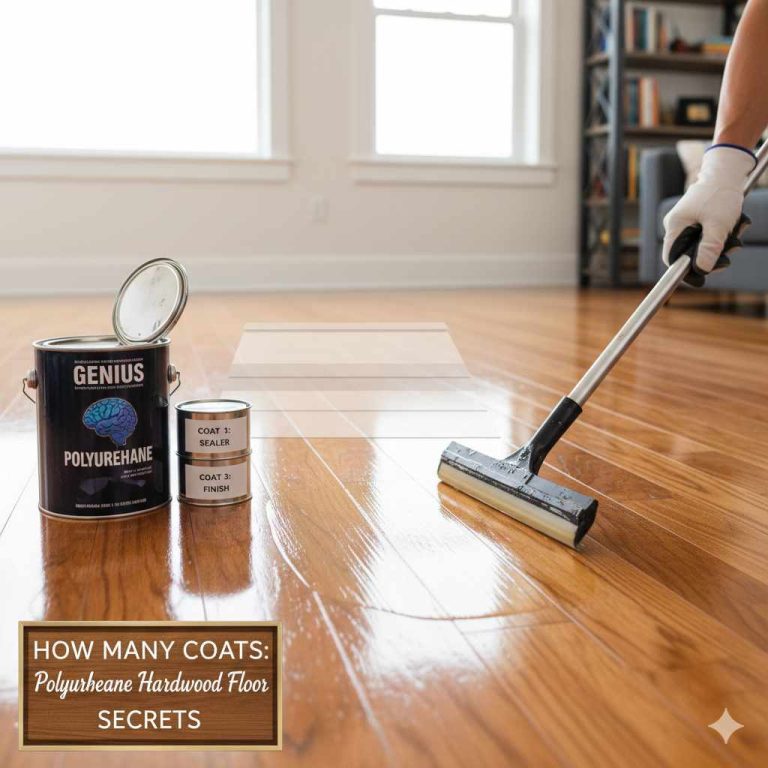
This is where the magic happens. Apply your chosen stain evenly with a brush or rag, wiping off excess to avoid blotches. After it dries, apply a sealant like polyurethane in thin, even coats. I usually do two to three coats for durability, sanding lightly between each one.
Step 6: Final Touches
Once the finish cures—usually a few days—install baseboards and clean the floor with a wood-safe cleaner. I was amazed at how my floors sparkled after this step.
If DIY isn’t your thing, hire a professional installer. It’s an investment, but a good one will save you headaches.
Choosing the Right Stain and Finish
Picking a stain and finish for your oak floors is where you can really make them your own. I’ve experimented with a lot of options, and here’s what I’ve learned.
For stains, you’ve got endless choices. Light stains, like natural or weathered oak, keep things bright and airy. Darker stains, like ebony or walnut, add drama and hide dirt better. I once tried a custom mix of gray and brown on white oak, and it gave the room a cozy, modern feel. Test samples on a spare plank to see how the color looks in your lighting.
For finishes, polyurethane is my go-to because it’s tough and easy to maintain. Water-based polyurethane dries fast and has less odor, while oil-based gives a warmer glow but takes longer to cure. I’ve also used penetrating oils for a more natural look, but they require more upkeep. Wax is another option, but it’s less durable and needs regular reapplication.
Here’s a quick guide to finishes:
| Finish Type | Pros | Cons |
|---|---|---|
| Water-Based Poly | Fast-drying, low odor | Slightly less warm color |
| Oil-Based Poly | Rich color, durable | Longer drying time, stronger odor |
| Penetrating Oil | Natural look, enhances grain | Needs frequent reapplication |
| Wax | Soft, classic sheen | Less durable, regular maintenance |
Whatever you choose, apply it in a well-ventilated area and follow the manufacturer’s instructions.
Maintaining Your Unfinished Oak Floors
Once your floors are installed and finished, keeping them looking great is easier than you might think. I’ve got a few tips from years of trial and error.
First, clean regularly with a damp mop and a wood-safe cleaner. Avoid soaking the floor—too much water can damage the wood. I learned this after a spill warped a small section of my floor.
Second, use rugs in high-traffic areas like entryways. They protect the finish and add style. I have a runner in my hallway that saves my oak floors from muddy boots.
Third, refinish as needed. Oak is forgiving, and you can sand and refinish every few years to refresh the look. I refinished my dining room floor after a decade, and it felt like a brand-new space.
Finally, keep an eye on humidity. Oak can expand or contract with moisture changes, so use a humidifier in winter and a dehumidifier in summer if you live in a humid area.
Where to Buy Unfinished Oak Hardwood Flooring
Finding high-quality unfinished oak can feel overwhelming, but I’ve got some go-to sources. Local lumberyards are great for seeing the wood in person and supporting small businesses. I found beautiful red oak at a mill near my home, and the owner even gave me tips on installation.
Online retailers like Panel Town & Floors or Hardwoods4Less offer a wide selection and often have competitive prices. I’ve ordered from both and was impressed with the quality, though shipping costs can add up, so get a quote upfront.
Big-box stores like Floor & Decor carry oak flooring too, and they’re convenient if you need it fast. Wherever you buy, check the grade—select, #1 common, or #2 common—affects the look and price. Select is the clearest, while lower grades have more knots and character, which I love for a rustic vibe.
Is Unfinished Oak Right for You?
After all my projects, I can say unfinished oak hardwood flooring is a fantastic choice if you want control, durability, and a timeless look. It’s not the easiest option, but the payoff is worth it. If you’re renovating, love customizing, or just want a floor that tells a story, this is the way to go. But if you need something quick and low-maintenance, prefinished might be better.
I still smile every time I walk across my oak floors, knowing I had a hand in making them my own. There’s a pride in that, and I think you’ll feel it too if you choose this path.
FAQs
What’s the difference between unfinished and prefinished oak flooring?
Unfinished oak comes raw, without any stain or sealant, so you can customize it yourself. Prefinished oak is already stained and sealed at the factory, ready to use right after installation. Unfinished gives you more control but requires extra work.
Can I install unfinished oak flooring myself?
Yes, if you’re handy and have the right tools! You’ll need to prepare the subfloor, acclimate the wood, and sand and finish carefully. If you’re not confident, hiring a professional is a smart move.
How long does it take to finish unfinished oak floors?
It depends on the size of the room, but sanding, staining, and sealing typically take 3-5 days. Each coat of finish needs time to dry, and you’ll want to sand lightly between coats for a smooth result.
Is unfinished oak flooring cheaper than prefinished?
Often, yes. Unfinished oak is usually less expensive upfront, but you’ll need to budget for staining and finishing supplies or labor. Overall, it can save you money if you DIY.
How do I maintain my unfinished oak floors after finishing?
Clean with a damp mop and wood-safe cleaner, use rugs in high-traffic areas, and control humidity to prevent warping. Refinish every few years to keep them looking fresh.