Why Is MDF So Expensive? 2026 Cost Breakdown ($35+/Sheet)
MDF costs $35–$55 for a 3/4-inch 4×8 sheet in 2026 — more than particleboard, usually 20–40% less than plywood — because resin and wood fiber, not labor, drive the price. A 3x rise in natural gas prices can add roughly 5% to that cost. This guide breaks down the real price drivers, compares MDF to plywood and particleboard sheet-for-sheet, and shows where to buy it cheaper.
What’s Actually in a Sheet of MDF
Best MDF Sealer Pick
Rustins Quick Drying MDF Clear Sealer – $17.50
Purpose-built for MDF edges rather than a general wood primer — the quick-dry formula matters when you’re already paying $35–$55 a sheet and don’t want the project to stall.
- Best for: sealing raw MDF edges and faces before priming
- Why we picked it: made specifically for MDF, not a general-purpose wood sealer
- Main drawback: the 250ml bottle only covers a few edges, not a full sheet face
Compare more MDF sealer and primer options
 Option 1 Zinsser B-I-N Shellac-Based Primer – $28.39
|
 Option 2 Zinsser Bulls Eye Primer & Sealer – $10.49
|
 Option 3 INSL-X Stix Bonding Primer – $25.39
|
As an Amazon Associate we earn from qualifying purchases.
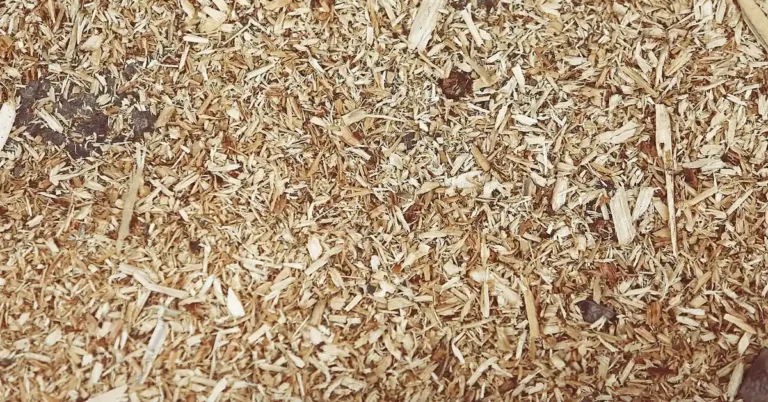
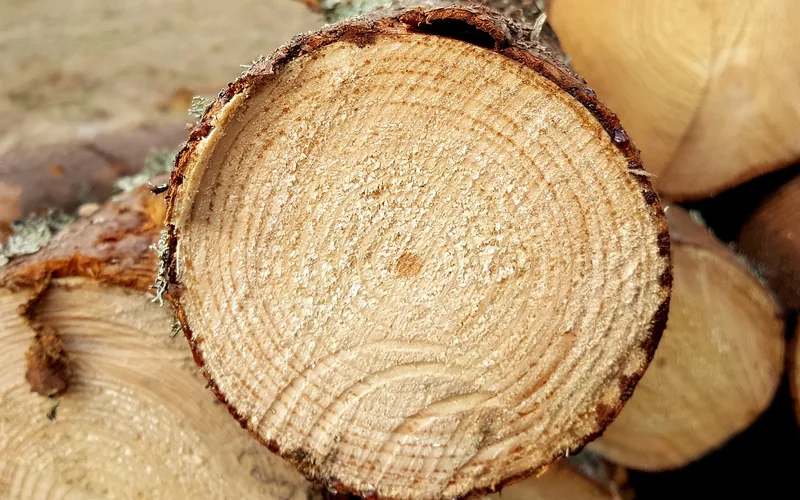
MDF is roughly 82% wood fiber, 9% urea-formaldehyde resin, 8% water, and 1% paraffin wax by weight — independent material analyses of standard-grade board put the numbers in that range. The wood fiber is usually sawmill residue (chips and sawdust left over from cutting lumber), which is why MDF itself is cheap to source as a raw material even though the finished sheet costs more at the register than particleboard.
That 9% resin figure is small by weight but large by cost — it’s the ingredient that swings MDF’s price the most, which is why the next section is worth reading before you assume a price jump means the mill is padding margins. We cover the rest of MDF’s material tradeoffs, including where it holds up and where it doesn’t, across our full MDF guide.
📊 Standard MDF: ~82% wood fiber, ~9% urea-formaldehyde resin, ~8% water, ~1% wax by weight. — Source: independent conservation-material composition analyses of commercial MDF.
What Actually Drives MDF’s Price
Urea-formaldehyde resin is made from formaldehyde, and formaldehyde production cost tracks natural gas prices almost linearly — industry cost trackers have shown roughly a 3x rise in gas prices lifting formaldehyde costs about 2x, which alone can add close to 5% to a sheet of MDF. Raw material (mostly urea) typically accounts for 70–80% of a resin plant’s operating cost, so when gas or urea prices move, MDF’s price moves with them faster than plywood’s, which relies less on resin by weight.
Energy also shows up a second time on the manufacturing floor: the wood fiber has to be steamed, refined, and then heat-pressed into a solid panel, and that heating step is the most energy-intensive part of the process. Add quality-control testing (each panel is checked for thickness and density consistency before it ships) and the freight cost of moving a heavy, bulky sheet from mill to warehouse to store, and resin plus energy plus logistics — not labor at the factory — make up most of what you’re paying for.
“For kitchen and bathroom builds we always price out moisture-resistant MDF instead of standard — it costs about 10–15% more per sheet, but that’s cheaper than replacing a swollen cabinet side after the fact.”
What a Sheet of MDF Costs in 2026
Here’s what buyers are actually paying for a standard 4×8 sheet at U.S. big-box and building-supply pricing in 2026, by thickness and material:
| Material | 1/4″–1/2″ sheet | 3/4″ sheet |
|---|---|---|
| Particleboard | $8–$15 | $8–$22 |
| MDF | $10–$25 | $35–$55 |
| Softwood plywood (B/C) | $15–$35 | $50–$70 |
| Oak-faced hardwood plywood | $25–$45 | $75–$130 |
By the square foot, that puts MDF around $0.31–$0.78 versus roughly $0.63–$1.50 for plywood — MDF still saves you 20–40% over comparable plywood even after the 2026 price increases, which is the number worth remembering if a supplier quote for MDF looks high in isolation. See our full MDF vs. plywood price breakdown for per-project cost examples.
Since resin already makes a sheet of MDF pricier than particleboard, sealing the raw edges properly the first time is what keeps you from paying for a second sheet after moisture gets in.
Quality Control and Market Demand
Every panel is checked for thickness and density consistency before it leaves the mill, and boards that fail get reworked or scrapped — that inspection cost is baked into the price rather than billed separately. On the demand side, MDF’s smooth, paintable surface keeps it popular for cabinet doors, trim, and shelving, and steady demand from that segment is part of why prices haven’t dropped even as particleboard has stayed flat.
Transportation Costs
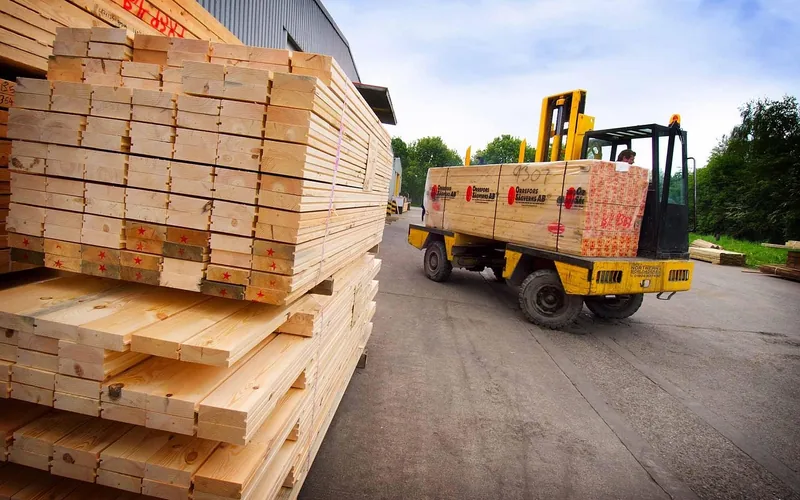
A 3/4-inch 4×8 sheet of MDF weighs roughly 95–100 lbs — heavier than the same size in plywood — and moving dense, bulky sheets from mill to warehouse to store adds real freight cost that scales with fuel prices. Each stop in that chain (mill → distributor → retailer) adds its own markup, which is one reason the same sheet can cost noticeably more depending on where you buy it.
Environmental Regulations
U.S. and California Air Resources Board (CARB2) formaldehyde-emission limits require mills to use lower-emission resin formulations and to test panels for compliance, both of which add cost over older, unregulated formulas. Factories also have to manage wood waste and meet workplace-safety inspections, and failed inspections mean fines or downtime — costs that get passed along in the sheet price rather than absorbed.
MDF vs. Plywood vs. Particleboard: Which Should You Buy
Particleboard is the cheapest option and fine for painted, load-light furniture, but it holds screws poorly and swells fastest if it gets wet. MDF costs more than particleboard but machines and paints more cleanly, which is why it wins for cabinet doors, trim, and shelving where a smooth finish matters more than raw strength. Plywood costs the most per sheet but holds screws and handles moisture far better, so it’s usually the better buy for cabinet boxes, subfloors, or anything structural — see our MDF vs. particle board breakdown and MDF vs. OSB comparison for project-specific picks.
If the $35–$55 price for a 3/4-inch sheet is the sticking point, buying from a lumberyard or cabinet-supply distributor instead of a big-box store is usually cheaper per sheet in volume, and it’s worth checking where to buy MDF online if a local supplier is out of stock or overpriced.
Frequently Asked Questions
How much does a sheet of MDF cost in 2026?
A standard 3/4-inch 4×8 sheet of MDF runs $35 to $55 at most U.S. big-box and building-supply stores in 2026. Thinner 1/4-inch to 1/2-inch sheets run $10 to $25. Moisture-resistant and pre-primed grades cost 10–20% more than plain interior MDF.
Does thicker MDF cost more per sheet?
Yes. Thicker MDF contains more compressed wood fiber and resin, so material cost rises directly with thickness — a 1/4-inch sheet can cost a third of what a 3/4-inch sheet costs, even though both are the same 4×8 footprint.
When did MDF get so expensive?
MDF prices jumped in 2020–2021 due to pandemic supply-chain disruptions, a construction-driven lumber shortage, and rising resin costs, and pricing has stayed elevated since as resin costs continue to track natural gas prices.
What are the disadvantages of MDF?
MDF absorbs moisture and swells if it isn’t sealed, doesn’t hold screws as well as plywood or solid wood, and standard-grade board releases some formaldehyde, though CARB2-compliant sheets keep emissions low. It’s also heavier per square foot than plywood of the same thickness.
Why is MDF banned in the US?
MDF isn’t banned in the US. Older formulations raised formaldehyde-emission concerns, but CARB2 and EPA TSCA Title VI standards now cap emissions for all MDF sold in the US, so checking for a compliance label is what actually matters, not avoiding MDF altogether.
Is MDF cheaper than plywood?
Yes, usually. A 3/4-inch MDF sheet runs $35–$55 versus $50–$70 for softwood plywood and $75–$130 for oak-faced hardwood plywood — roughly 20–40% savings for MDF, though plywood is the better buy anywhere moisture or screw-holding strength matters more than a smooth paintable face.
Conclusion
MDF’s $35–$55-a-sheet price in 2026 comes down mostly to resin and energy costs, not markup — and both are tied to natural gas prices that swing MDF’s cost faster than plywood’s. It’s still 20–40% cheaper than plywood and machines cleaner than particleboard, which is why it remains the standard choice for cabinet doors, trim, and shelving despite the price increases of the last few years.
Sponsored / affiliate links. As an Amazon Associate I earn from qualifying purchases. I may earn additional commission from eligible campaigns.