Spruce vs Dark Oak: Which One Actually Fits Your Project
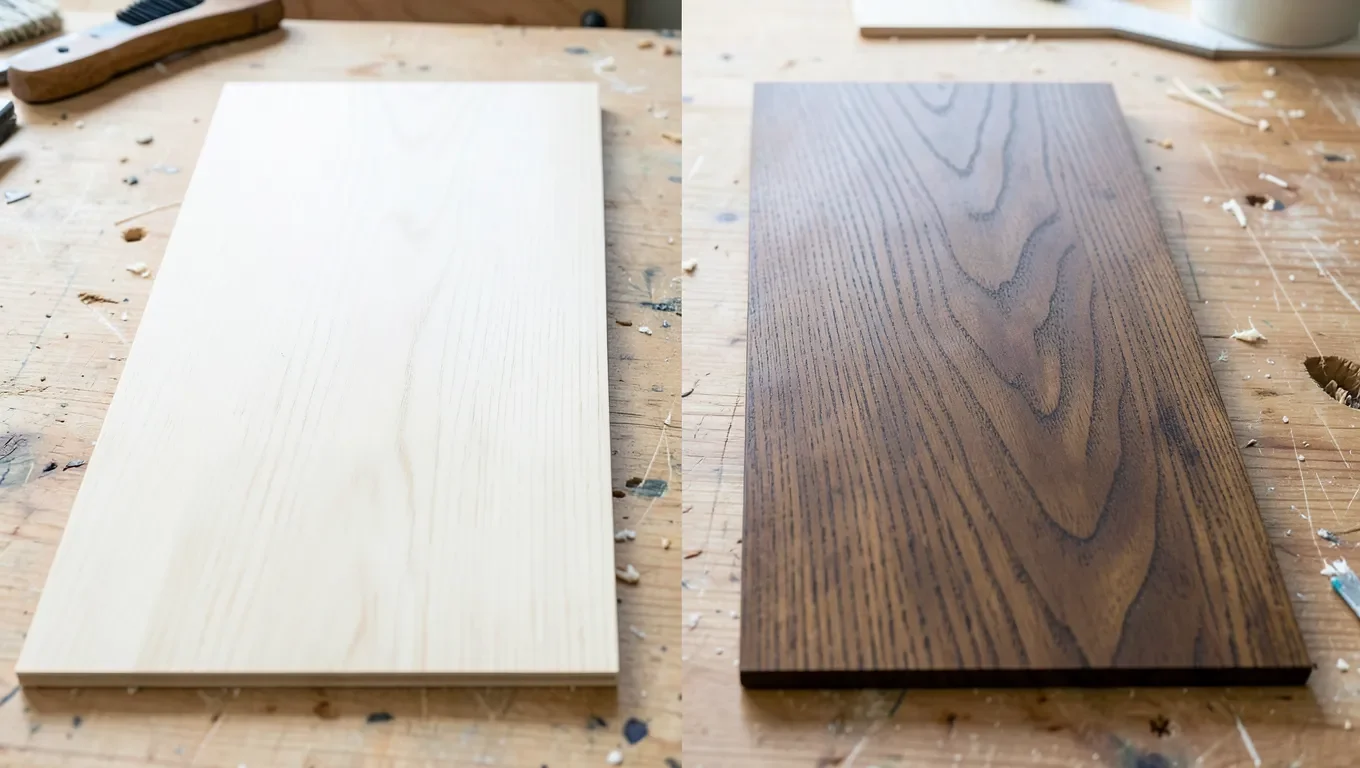
Spruce and dark oak sit at opposite ends of the wood spectrum: spruce is a pale, lightweight softwood around 490-510 lbf on the Janka hardness scale, while dark oak is a dense hardwood (oak typically runs 1,290-1,360 lbf) that’s either a naturally deep-toned species or, more often, a lighter oak given a dark stain. Here’s the real breakdown of looks, strength, cost, and where each one actually belongs in a project.
One thing worth clearing up before you compare them: “dark oak” almost never means a separate tree species. It’s usually red oak or white oak finished with a dark stain like walnut, ebony, or jacobean, though a handful of European oak boards do darken naturally with age and mineral content in the soil. That distinction matters, because it means you can get the dark oak look on a cheaper oak board with the right stain – something we’ll come back to below.
Spruce Wood: Characteristics
Spruce is a softwood harvested mostly from Sitka, white, and Engelmann spruce trees, and it’s one of the most common structural and craft woods in North America and Scandinavia. Its biggest selling points are weight and workability, not raw toughness – for how it stacks up against the full range of softwoods and hardwoods, see our complete wood types guide.
Appearance and Color
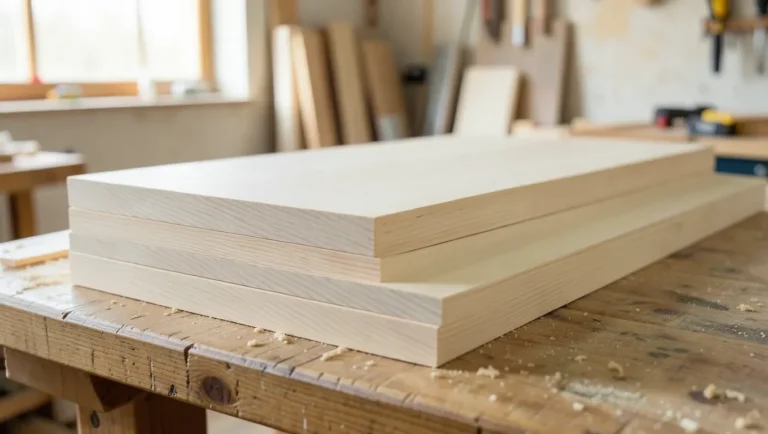
Fresh-cut spruce runs from nearly white to a pale straw yellow, with almost no visible color variation board to board. There’s rarely any dramatic figure in the grain – it reads as clean and understated rather than showy, which is exactly why it disappears so well under paint.
Grain and Texture
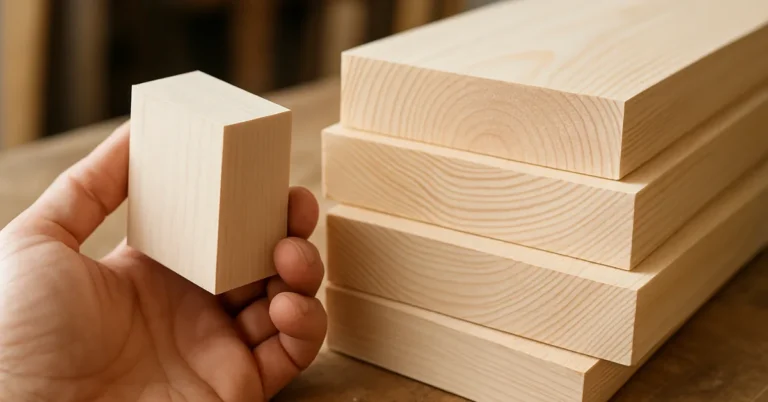
The grain runs straight and tight, with growth rings close enough together that the surface feels almost silky after sanding. That tight, low-resin structure is also why spruce is a first choice for guitar and violin soundboards: it’s stiff for its weight and transmits vibration efficiently, which is a genuine acoustic-engineering reason, not just tradition.
Durability and Strength
At roughly 490-510 lbf on the Janka scale, spruce is soft enough that a dropped tool or a shifted chair leg will leave a visible dent. It holds screws and nails acceptably for framing work, but it’s not a wood you’d choose for a surface that takes daily abuse. Left untreated and exposed to moisture, it’s also vulnerable to rot and insect damage faster than oak – sealing and dry storage matter more here than with denser hardwoods.
Common Uses
Spruce shows up constantly in house framing, roof trusses, and wall studs because it’s light, straight, and inexpensive relative to its strength-to-weight ratio. Beyond construction, it’s a staple for crates, paper pulp, and (as mentioned above) instrument soundboards. In furniture, it mostly appears in budget or painted pieces rather than statement furniture, since it doesn’t have the figure to carry a clear finish on its own.
Best For Even Staining on Blotch-Prone Softwoods
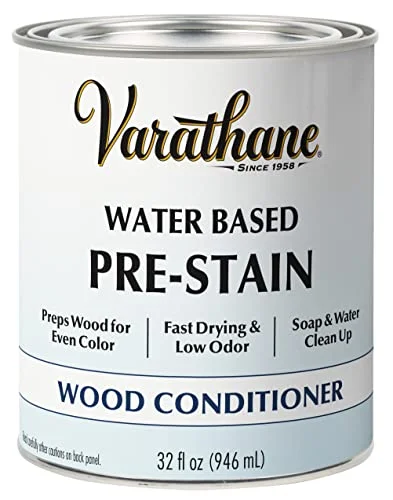 |
Varathane Pre-Stain Wood Conditioner, Quart – $18.29 Spruce’s tight, low-resin grain is prone to blotchy, uneven stain absorption – this conditioner seals the surface first so color goes on evenly instead of soaking in patches.
|
Dark Oak Wood: Characteristics
Dark oak covers red oak or white oak boards finished in a deep stain – walnut, ebony, jacobean, and similar tones are the usual routes – plus a smaller share of genuinely dark-toned European oak. Either way, you’re dealing with a true hardwood, and that changes almost every property compared to spruce.
Appearance and Color
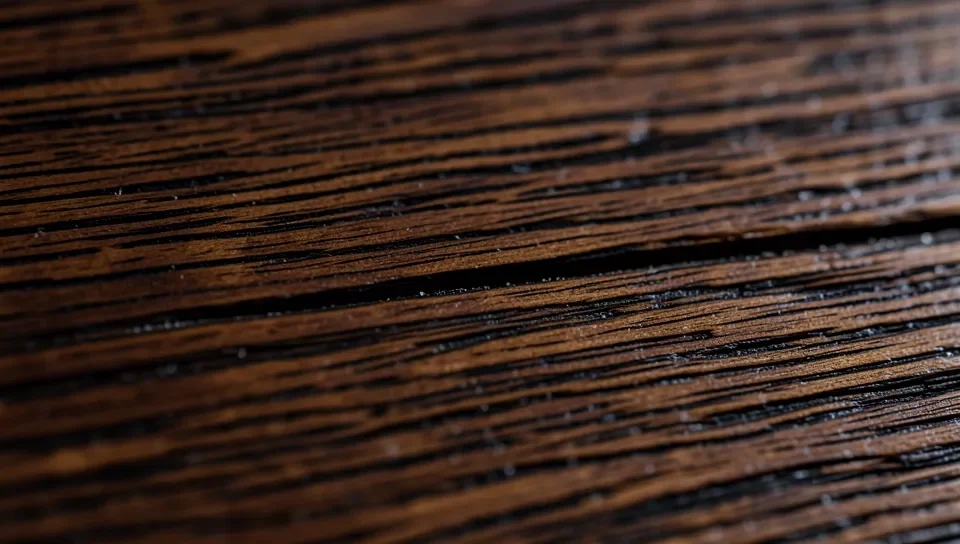
The color sits anywhere from medium chocolate brown to nearly black, often with warm red or amber undertones showing through in raking light. Because oak’s open pores take stain unevenly by nature, dark finishes tend to deepen the grain lines themselves, which is part of why the wood reads as more dramatic than spruce even before you factor in the color.
Grain and Texture
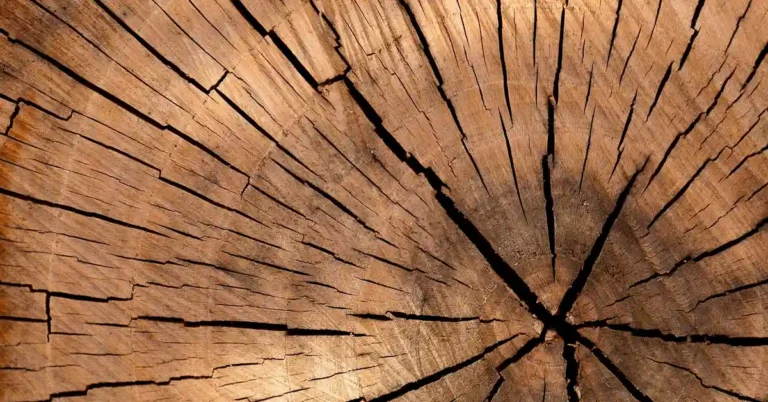
Oak has a coarse, open-pore grain with pronounced ray fleck patterns, especially in quarter-sawn boards. It’s a rougher wood to sand smooth than spruce, and it usually needs a pore filler if you want a glass-smooth finish rather than a texture you can feel under your hand.
Durability and Strength
Red oak lands around 1,290 lbf and white oak around 1,360 lbf on the Janka scale – roughly two and a half times harder than spruce. That translates directly into real-world performance: oak resists dents, dings, and foot traffic far better, and it holds up under decades of daily use in flooring and furniture where spruce would show wear within a few years.
Common Uses
Dark oak is a mainstay for flooring, staircases, cabinetry, and furniture meant to last generations rather than years. Its strength also makes it a common choice for structural beams and heavy-use tabletops. The dark stain itself is a style choice as much as a material one – it hides scuffs and dust better than a natural or golden oak finish, which is part of why it stays popular in high-traffic rooms.
Spruce vs. Dark Oak: Side-by-Side Comparison
Put the two side by side and the decision usually comes down to four factors: how it looks, how long it lasts, how hard it is to work with, and what it costs.
Visual Differences
Spruce brings a pale, uniform, almost blank canvas – it fits bright, Scandinavian-leaning, or painted interiors where you want the wood to recede. Dark oak does the opposite: bold color, pronounced grain, and a presence that anchors a room rather than blending into it. Neither is objectively better; it’s a question of whether you want the wood to be the background or the focal point.
Hardness and Longevity
This is the clearest gap between the two. Dark oak’s roughly 1,290-1,360 lbf hardness beats spruce’s 490-510 lbf by more than double, and that shows up as fewer dents, less visible wear, and a longer usable lifespan under the same conditions. Spruce is fine for low-traffic, low-impact uses; it’s simply not built for decades of abuse the way oak is.
Workability and Maintenance
Spruce cuts, planes, and sands with hand tools far more easily than oak, and it takes screws and nails without splitting. Oak’s density means slower cutting, faster tool dulling, and pre-drilling for most fasteners to avoid cracking. On upkeep, spruce needs a protective sealant to avoid dents and moisture damage, while dark oak mainly needs periodic oiling or waxing to keep the finish from drying out – less frequent, but the wood itself is less forgiving if you skip it for years.
Cost Considerations
Spruce is one of the more affordable construction-grade woods available, which is a big reason it dominates framing lumber. Dark oak costs noticeably more – both because oak lumber itself is pricier than softwood and because a quality dark stain job adds labor. For a budget-driven build, spruce (possibly stained to fake the dark oak look, discussed below) is the practical route; for a piece meant to be a long-term investment, oak’s price premium tends to pay for itself in lifespan.
Which One Fits Your Project
Furniture
For everyday, budget, or painted furniture, spruce’s light weight and easy machining make it a sensible pick, especially for pieces you plan to move often. For furniture meant to survive kids, pets, and decades of use – dining tables, dressers, heirloom pieces – dark oak’s density and richer appearance justify the extra cost.
Flooring
Dark oak is the stronger choice almost everywhere in a home except maybe a low-traffic guest room. Its hardness handles foot traffic, furniture legs, and dropped objects far better, and the dark tone is genuinely more forgiving of dust and minor scuffs between cleanings. Spruce flooring looks bright and warm but will show dents within a year or two in any room that sees regular use.
Decorative and Craft Work
Spruce is the better substrate for carving and painted decorative pieces since it’s soft enough to shape with hand tools and takes paint cleanly. Dark oak’s grain is the whole point in decorative work – shelving, paneling, and accent pieces where you want the wood itself to be visible and left in a natural or lightly-oiled finish rather than painted over.
Outdoor Projects
Neither wood is naturally rot-resistant the way cedar or redwood is, but oak’s density gives it a real edge in weather exposure – it simply degrades slower. Spruce used outdoors needs pressure treatment or a heavy sealant regimen and works best in covered spots like a porch ceiling rather than a deck surface. If you’re set on spruce outdoors, budget for re-sealing it far more often than you would an oak piece in the same spot.
Getting the Dark Oak Look on a Spruce Budget
Here’s the genuine workaround most comparison guides skip: since “dark oak” is usually a stain color rather than a species, you can apply a dark walnut or ebony-toned stain to spruce and get a visually similar result for a fraction of oak’s material cost. It won’t match oak’s hardness or grain depth up close, but from a few feet away – on trim, shelving, or furniture that won’t take heavy abuse – it’s a legitimate way to get the look without the price tag.
The catch is that spruce’s tight grain and low resin content make it prone to blotchy, uneven stain absorption, which is the opposite of the smooth, deep color you’re going for. Applying a pre-stain wood conditioner first (see the product box above) seals the surface so the stain soaks in evenly instead of pooling in random dark patches. Dark oak itself doesn’t need this step – its open, porous grain takes stain evenly on its own, which is one more reason the two woods behave so differently in the same finishing process. If you’re weighing which stain type to use once the wood is prepped, our gel stain vs oil stain comparison covers which one holds up better on each.
Environmental Impact
Spruce plantations typically reach harvest maturity in 25-40 years, which is fast enough that well-managed spruce forestry is generally considered more renewable than slow-growing hardwoods. Oak trees, by contrast, often take 60-100+ years to mature, so oak lumber tends to come from more carefully managed, selectively-logged forests rather than fast-rotation plantations. Both are widely recyclable into furniture, flooring, or engineered wood products at end of life – oak simply produces more sawdust and offcuts per board due to its density, while spruce’s softer structure means less material lost to milling.
Frequently Asked Questions
Is Dark Oak a Different Species From Regular Oak?
Usually not. “Dark oak” most often describes red oak or white oak finished with a dark stain rather than a separate tree species, though some European oak does darken naturally over time. The wood underneath has the same hardness and grain structure as any other oak of that species – only the color changes.
Which Wood Is Better for Furniture, Spruce or Dark Oak?
Dark oak is the stronger long-term choice for furniture that needs to survive daily use, thanks to a Janka hardness roughly two and a half times higher than spruce. Spruce works well for lightweight, budget, or painted furniture where dents and scratches matter less.
Can You Stain Spruce to Look Like Dark Oak?
Yes – applying a pre-stain wood conditioner followed by a dark walnut or ebony stain gets spruce visually close to a dark oak finish at a much lower material cost. It won’t replicate oak’s hardness or open-grain texture up close, so it’s better suited to trim, shelving, or furniture that won’t take heavy wear.
Is Spruce or Dark Oak More Cost-Effective?
Spruce is significantly cheaper, both as raw lumber and finished product, which is why it dominates budget framing and furniture. Dark oak costs more due to the hardwood itself plus the labor of a quality stain job, but its durability often means a better cost-per-year for pieces meant to last decades.
Bottom Line
Choose spruce when weight, cost, and ease of work matter most – framing, painted furniture, craft projects, or instrument work. Choose dark oak when the piece needs to survive decades of real use – flooring, dining furniture, staircases – and the richer look is worth the added cost. If you want dark oak’s appearance without its price tag, staining conditioned spruce is a genuine middle ground, just don’t expect it to match oak’s durability underneath the color.
Sponsored / affiliate links. As an Amazon Associate I earn from qualifying purchases. I may earn additional commission from eligible campaigns.