Can Poplar Be Used Outside? Rot Ratings and Paint Rules
Poplar can be used outside, but only when every face and edge is sealed under primer and exterior paint. The Wood Database rates poplar heartwood as moderately durable to non-durable against decay, and susceptible to insects, so a single gap in the paint is where rot starts. This guide shows how poplar compares with cedar, redwood, and white oak, the paint system that protects it, and which outdoor projects it suits.
Can Poplar Be Used Outside? Yes, Under Paint and Cover
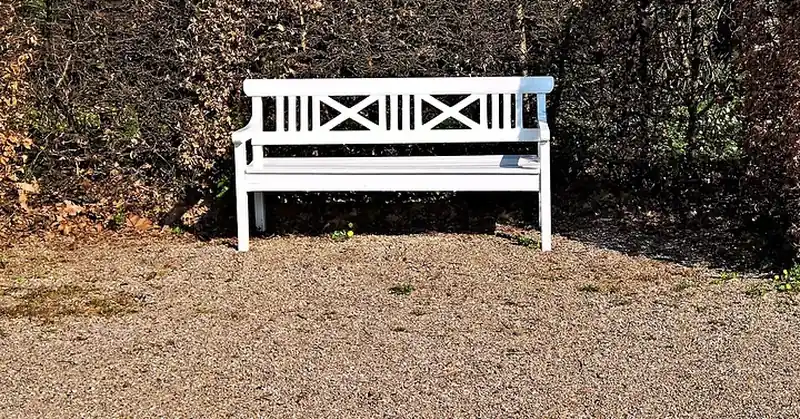
Poplar works outdoors on projects that are fully painted and kept out of standing water: porch trim under a roof overhang, shutters, birdhouses, and a painted bench on a covered patio. It is the wrong wood for anything that stays wet, such as deck boards, fence posts, or parts buried in soil.
The reason is simple. Poplar has no meaningful natural resistance to decay, so the paint film does all the protecting. Cedar, redwood, and white oak can sit outside with little help, while poplar cannot. Poplar earns its place when you want a smooth, paint-ready board that usually costs less than those species and you are willing to keep the paint intact. If you are still choosing a wood, our guide to what wood to use for outdoor furniture covers the full field, while this page answers the poplar question specifically.
Best Poplar Primer Pick
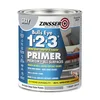 |
Zinsser Bulls Eye 1-2-3 All Surface Primer, Quart, Gray: $11.99 A water-based, interior and exterior primer that bonds to wood without sanding, which covers the prime-every-surface step in the paint system below.
|
As an Amazon Associate we earn from qualifying purchases.
Why Poplar Rots Outside: Hard Does Not Mean Durable
A common assumption is that a hardwood is a weatherproof wood. Poplar is botanically a hardwood, but hardness and rot resistance are two separate properties. Poplar measures 540 lbf on the Janka scale, which is harder than western red cedar at 350 lbf and redwood at 450 lbf. Yet cedar and redwood are the species rated durable outdoors, and poplar is not.
| Wood | Janka hardness (lbf) | Decay resistance (Wood Database rating) |
|---|---|---|
| Yellow poplar | 540 | Moderately durable to non-durable; susceptible to insect attack |
| Western red cedar | 350 | Durable to very durable |
| Coast redwood | 450 average | Moderately durable to very durable (better from mature trees) |
| White oak | 1,350 | Very durable |
Cedar is about a third softer than poplar and still outlasts it outdoors. Source: The Wood Database, yellow poplar and species profiles
Hardness mostly tells you how well a board resists dents. How long it survives rain depends on natural compounds in the heartwood that slow decay fungi, which poplar lacks. Fungi need sustained moisture, so what shortens a poplar board’s life is how often and how long it stays wet. End grain, joints, and any horizontal surface that holds water are the first places it fails.
Poplar is also soft, which the Wood Database names as its main downside. Soft boards dent from furniture feet, tools, and hail, and every dent that breaks the paint film lets water in.
How to Make Poplar Last Outside: The Paint System
Paint is the only protection that makes poplar a sound outdoor choice, so the system matters more than the brand. These steps follow Purdue Extension’s exterior finishing guidance for wood in general, applied to poplar.
- Finish all the cutting first. Drill, cut, and sand every piece before painting so no raw wood is exposed afterward. Poplar can leave fuzzy edges when sanded, so finish with a fine grit for a smooth surface.
- Treat joints and end grain first. Purdue notes that a water-repellent preservative should be applied liberally to joints and end grain, because paint normally fails in those areas first.
- Prime every surface. Use an exterior-rated primer on all faces, edges, and ends. Primer is what lets the topcoat grip the wood.
- Add two topcoats. Purdue recommends two coats of good-quality acrylic latex house paint over the primer.
- Keep it off the ground. Stand legs and posts on feet or standoffs so water drains away instead of wicking into the bottom ends.
- Inspect and touch up twice a year. Fix cracked or peeling spots right away. A small gap in the film is all the water needs.
Primer plus two topcoats can last up to 10 years on exterior wood, versus 4 to 5 years for primer plus one topcoat. Source: Purdue Extension, Selection and Application of Exterior Finishes for Wood
That second topcoat is the cheapest durability upgrade on the list, and it is the step most often skipped. These figures describe exterior wood in general rather than poplar specifically, so treat them as a planning range, not a guarantee.
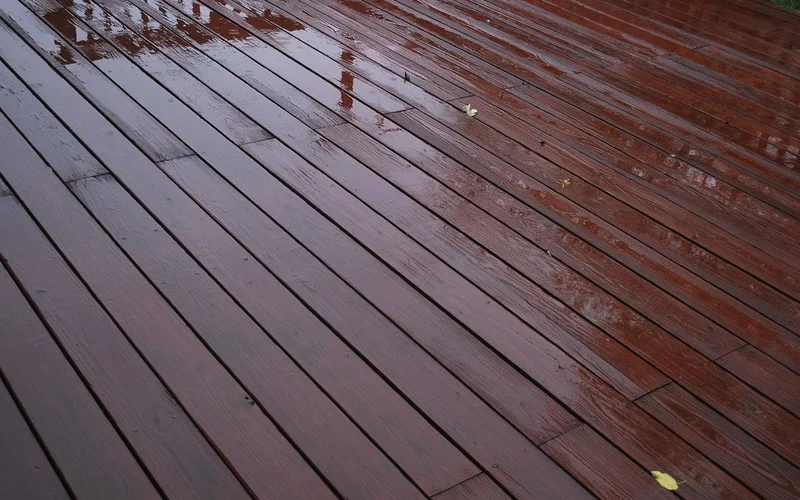
Paint or Clear Finish on Outdoor Poplar?
Paint is the better choice. Purdue Extension notes that in severe exposures clear film finishes may last barely one year, while pigmented paint gives the wood far better protection from sun. A water-repellent preservative on its own has a life expectancy of only 1 to 2 years, depending on the wood and exposure, so it works best as a first step under paint rather than a stand-alone finish.
If you want to keep poplar looking natural, expect to recoat a clear finish about every year on a sheltered piece, and choose a different wood for anything exposed to full sun and rain. If you are picking a primer, our guide on whether Kilz can be used outside covers one common option.
Outdoor Projects Poplar Handles and Projects It Does Not
| Project | Poplar outside? | Why |
|---|---|---|
| Porch trim under a roof overhang | Yes, fully painted | Little standing water, easy to repaint |
| Shutters and birdhouses | Yes, fully painted | Vertical surfaces shed water; light loads |
| Bench or chair on a covered patio | Yes, painted, off the ground | Shelter cuts moisture cycles |
| Planter boxes holding soil | Risky | Soil keeps the wood wet from inside |
| Deck boards and stair treads | No | Flat surfaces hold water and take foot traffic |
| Fence posts and ground contact | No | Constant moisture and insect exposure |
The pattern is consistent: poplar does fine where water runs off and the paint can be inspected, and fails where water sits. If your project is closer to the bottom of the table than the top, switch species instead of adding more paint.
Better Choices When Poplar Is the Wrong Wood
For pieces that sit unpainted in the weather, use one of the durable species from the table above: cedar and redwood are lighter and easier to work, while white oak is far harder and rated very durable. Our outdoor furniture wood guide compares them for real projects.
Joinery matters as much as the board. Outdoor joints need waterproof adhesive, and our best wood glue for outdoor furniture comparison covers the options. If you are weighing poplar against other paint-grade woods for an indoor project instead, see birch vs poplar and poplar vs maple.
Frequently Asked Questions
Is poplar waterproof?
No. Poplar is not waterproof or water-resistant on its own, and bare boards absorb water readily. A film of exterior paint sheds liquid water, so the paint is what makes poplar usable outdoors, and it only works while the film is intact, especially on end grain and joints.
Can poplar be left outside without paint?
It will survive for a while, but it is a poor bet. The Wood Database rates poplar heartwood as moderately durable to non-durable and susceptible to insect attack, so unfinished boards that stay wet will decay. If you want a natural look, choose a naturally durable wood such as cedar or white oak instead.
How long does painted poplar last outside?
There is no reliable poplar-specific lifespan, so any exact number would be a guess. What we can source is the paint side: for exterior wood in general, Purdue Extension says primer plus two topcoats can last up to 10 years, versus 4 to 5 years for primer plus one topcoat. The wood lasts as long as that coating stays unbroken.
Can you use poplar for deck boards or fence posts?
No. Deck boards hold standing water and take foot traffic, and fence posts sit in constant ground contact. Both keep the wood wet for long periods, which is exactly what a non-durable species cannot handle. Use pressure-treated lumber, cedar, redwood, or white oak for those jobs.
Is poplar good for outdoor furniture?
It can be, if the furniture is fully primed and painted, kept off bare soil and concrete, and ideally sheltered under a roof or porch. Expect to touch up the paint as it wears. For furniture that sits fully exposed, a naturally durable wood needs far less upkeep.
Bottom Line
Poplar can go outside, but think of it as a painted, sheltered, off-the-ground material, not a weatherproof one. Prime everything including end grain, add two topcoats of exterior acrylic paint, and keep the film in repair. When the project will sit wet, take the harder route and pick cedar, redwood, or white oak from the start.
Sponsored / affiliate links. As an Amazon Associate I earn from qualifying purchases. I may earn additional commission from eligible campaigns.