Prefinished vs Site-Finished Hardwood Floors: Which Wins?
Choosing between prefinished and site-finished hardwood floors can feel a bit tricky, especially if you’re new to home renovations. Both options look great, but they offer different things. People often wonder Prefinished vs Site-Finished Hardwood Floors: Which Wins? because it’s not always clear which one is the best fit for their home and budget.
Don’t worry, we’ll break it all down in a super simple way. Let’s explore what makes each type special and help you figure out the perfect choice for your space. We’ll go step-by-step, making it easy to understand.
Prefinished Hardwood Floors Explained
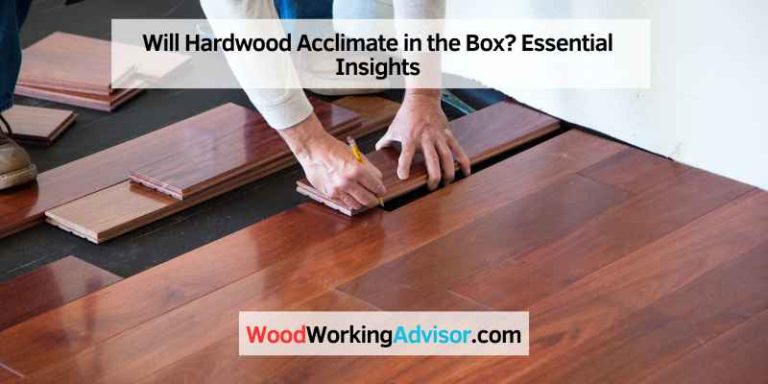
Prefinished hardwood floors come from the factory with the stain and protective finish already applied. Think of them like furniture that’s ready to go straight out of the box. The boards are manufactured, sanded, stained, and coated with multiple layers of a durable finish, often aluminum oxide, right there on the production line.
This means that when they arrive at your home, they are essentially complete. The factory process allows for very precise control over the application of the finish, ensuring an even and consistent look across every single plank. This is a major appeal for many homeowners who want a polished look without the mess and time involved in finishing on-site.
What is Prefinished Hardwood Flooring
Prefinished hardwood flooring is exactly what it sounds like – it’s finished before it even gets to your house. The wood planks are milled, sanded smooth, stained in your chosen color, and then coated with a protective topcoat, all in a controlled factory setting. This factory finish is usually very tough, designed to resist scratches and wear for a long time.
Because it’s done in a factory, you get a very uniform and consistent look on every single piece of wood. There are no overlapping lines where boards meet, and the color is the same from one plank to the next. This makes installation quicker because there’s no drying time needed for stains or finishes.
Benefits of Factory Finishing
The main advantages of prefinished hardwood floors come from the controlled factory environment where they are made. This controlled setting allows for the application of specialized, high-performance finishes that are often more durable than what can be achieved on-site. For example, many prefinished floors use a multi-coat aluminum oxide finish, which is known for its exceptional resistance to scratches, scuffs, and wear.
This means your floors will likely hold up better to daily foot traffic, pet claws, and dropped items. Another benefit is consistency. Every plank will have the exact same color and sheen, eliminating variations that can sometimes occur with on-site finishing.
This predictable appearance can be very appealing for homeowners seeking a polished and uniform look throughout their home. Lastly, the factory finish is typically cured under UV light, creating an incredibly hard and long-lasting protective layer.
-
- Durability
Prefinished floors often boast superior durability thanks to advanced factory finishing techniques. The multi-layer, UV-cured finishes are incredibly tough, providing excellent protection against scratches, dents, and fading from sunlight. This makes them an excellent choice for busy households with children and pets, where floors are subjected to a lot of wear and tear.
The hardness of the finish means your floors will look good for longer without needing to be refinished as often as site-finished floors might.
-
- Consistency
One of the most attractive features of prefinished flooring is its absolute consistency. Every plank is finished to the same exacting standards, meaning the color, sheen, and texture will be uniform across your entire floor. This predictability is great for achieving a clean, modern look.
You won’t have to worry about slight variations in stain color or finish application from one board to the next, which can sometimes happen with on-site finishing. This makes it easier to plan your design and achieve the exact look you desire.
-
- Ease of Installation
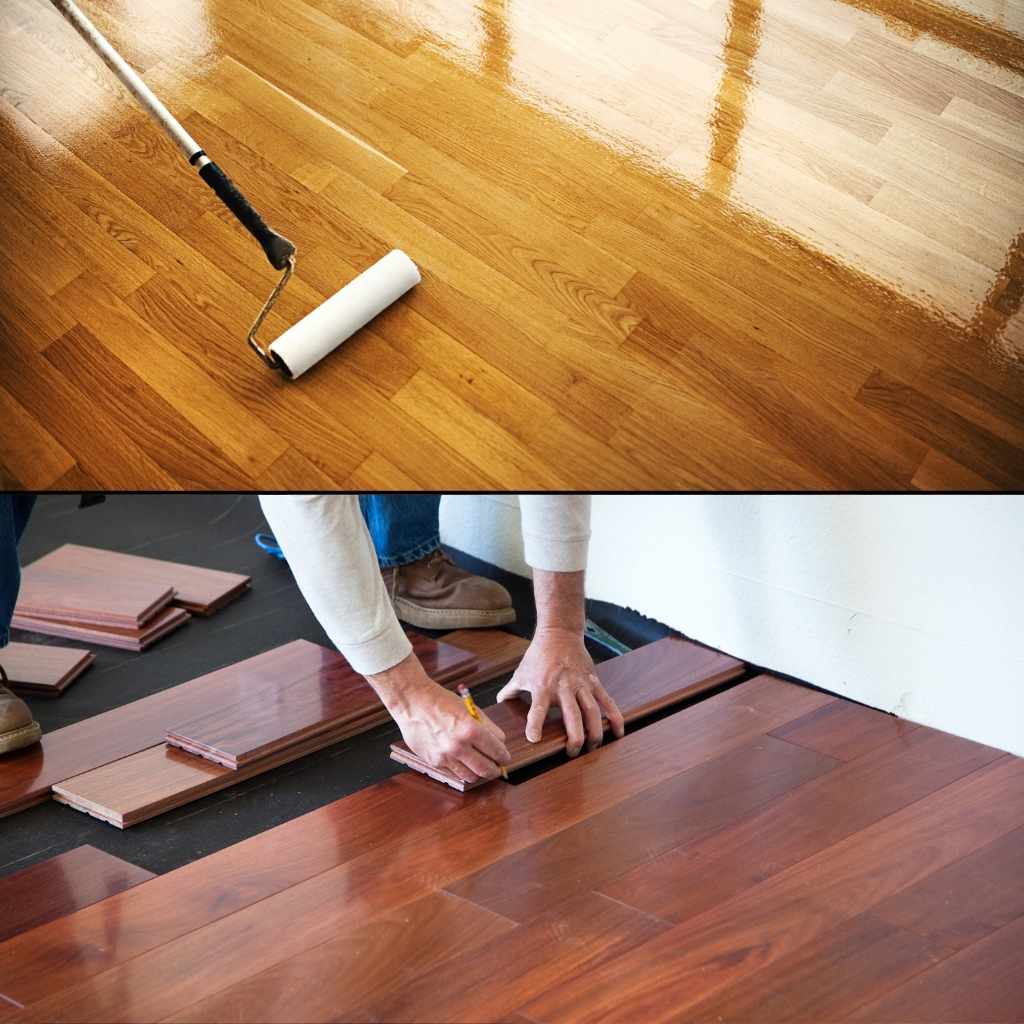
Installation of prefinished hardwood floors is generally faster and simpler compared to site-finished options. Since the finish is already applied, there’s no need for sanding, staining, or sealing on-site. This means fewer steps for the installer and less disruption for the homeowner.
The floor can typically be walked on immediately after installation, making it a convenient choice for quick renovations or new builds. The reduced installation time can also translate into lower labor costs, saving you money.
Potential Drawbacks of Prefinished Flooring
While prefinished floors offer many advantages, they do have a few downsides to consider. The biggest one is that the edges between the planks are usually beveled. This is done to help hide minor imperfections during installation and accommodate the factory finish.
However, this bevel creates tiny grooves that can trap dirt and dust over time, making them harder to clean thoroughly. If you prefer a completely smooth, seamless look, this beveled edge might not be for you. Another point is that if the finish gets deeply scratched or damaged, it’s very difficult to repair just one board without affecting the surrounding ones.
Refinishing the entire floor to fix such damage would essentially turn it into a site-finished floor, requiring sanding and refinishing.
-
- Beveled Edges
A common characteristic of prefinished hardwood flooring is the presence of beveled edges on the planks. This slight V-shaped groove where one plank meets another serves a practical purpose during manufacturing and installation. The bevel helps to hide minor gaps or inconsistencies between boards that might occur during the installation process, ensuring a more forgiving fit.
However, these grooves can become a magnet for dust, dirt, and debris, making them more challenging to clean compared to floors with tight, square edges. Regular and thorough cleaning is necessary to prevent this buildup.
-
- Repair Difficulties
Repairing prefinished hardwood floors can be more challenging than fixing site-finished floors. If a plank gets deeply scratched, gouged, or damaged, you can’t simply sand it down and reapply the finish to that specific spot without it being noticeable. The factory finish is uniform, and trying to spot-repair it rarely blends in seamlessly.
In most cases, a damaged plank would need to be completely replaced, which can be a difficult and time-consuming process, especially if the original flooring is no longer available. Significant damage across a large area might even necessitate refinishing the entire floor.
-
- Limited Customization
With prefinished flooring, you are limited to the stain colors and finish types offered by the manufacturer. While there is a wide variety of options available, you won’t have the same level of customization as you would with site-finished floors. If you have a very specific shade of stain or a unique finish sheen in mind that isn’t readily available, prefinished options might not meet your exact design needs.
You are essentially choosing from pre-selected palettes rather than creating your own.
Site-Finished Hardwood Floors Explained
Site-finished hardwood floors, also known as unfinished hardwood floors when purchased, are installed first and then sanded, stained, and finished right there in your home. This means you’re starting with raw wood planks. The installation process involves laying the bare wood, then a crew comes in to do all the finishing work.
This allows for a completely custom look because you can choose the exact stain color, the number of finish coats, and the sheen level. It also results in a perfectly smooth, seamless surface without any beveled edges, as the sanding process creates a unified plane across the entire floor. This method offers the ultimate in personalization and a very high-quality, integrated finish.
What is Site-Finished Hardwood Flooring
Site-finished hardwood flooring begins as raw, unfinished wood planks. These planks are installed throughout your home according to your desired layout. Once the installation is complete, a professional flooring contractor comes in to perform all the finishing work directly on-site.
This process typically involves extensive sanding to create a perfectly smooth and level surface, followed by the application of stain in your chosen color. Finally, multiple coats of a protective finish are applied, which can be selected in various sheens, from matte to high gloss. This hands-on approach allows for unparalleled customization and a seamless, integrated look across the entire floor.
The Finishing Process on-Site
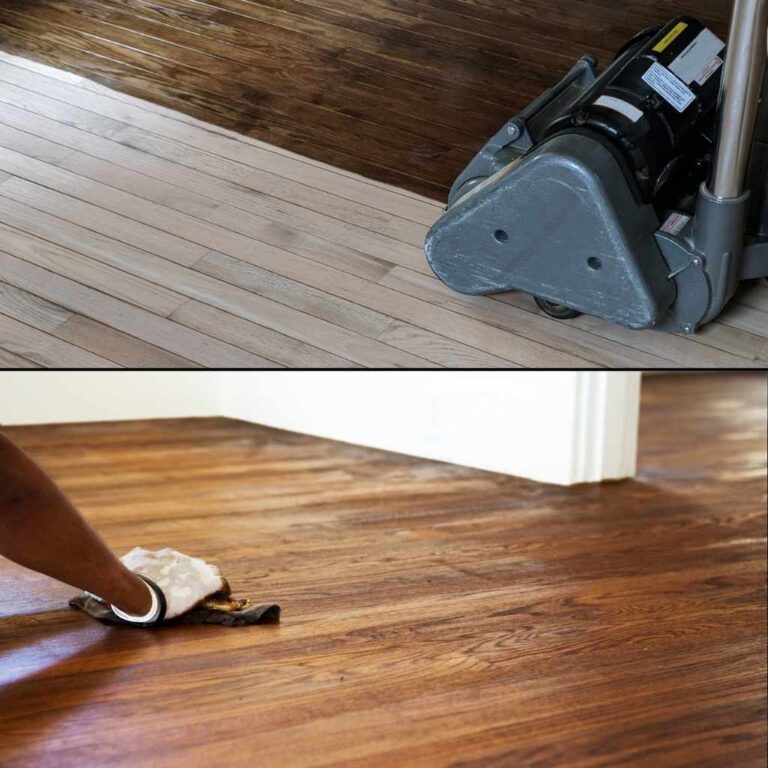
The process of finishing hardwood floors on-site is quite involved and requires skilled craftsmanship. It begins with the installation of raw wood planks. Once they are in place, the floor undergoes a rigorous sanding process.
This usually involves several passes with progressively finer grits of sandpaper to ensure a perfectly smooth and level surface, free from any imperfections or factory milling marks. After sanding, the floor is meticulously cleaned to remove all dust. Then, the stain is applied.
You can choose from a vast array of stain colors, or even have custom blends mixed. The stain is applied evenly, and excess is wiped off to achieve the desired hue. Following the stain, multiple coats of a protective finish, such as polyurethane, are applied.
Each coat is typically allowed to dry and then lightly buffed before the next coat is added, resulting in a durable, integrated finish.
-
- Customization Potential
The biggest draw of site-finished hardwood floors is the incredible level of customization they offer. You have complete control over the final look. From selecting the exact shade of stain to achieve a light, airy feel or a deep, rich tone, to choosing the sheen of the topcoat—whether you prefer a subtle matte, a natural satin, or a high-gloss shine—your options are vast.
This allows you to perfectly match your flooring to your existing decor or create a unique aesthetic for your home. Custom stain colors can be mixed to achieve a truly one-of-a-kind appearance that you won’t find in prefinished options.
-
- Seamless Appearance
Site-finished hardwood floors provide a beautifully seamless appearance. Because the sanding and finishing happen after the wood is installed, the process creates a perfectly smooth, unbroken surface across the entire floor. There are no beveled edges or visible lines between planks where dirt can collect.
This results in a clean, elegant, and unified look that many homeowners find very appealing. The smooth surface is not only aesthetically pleasing but also easier to clean and maintain in the long run, as there are no nooks and crannies for dust and debris to get trapped.
-
- Repair and Refinishing
A significant advantage of site-finished floors is their ability to be refinished. If the floor becomes scratched, worn, or you simply want to change the color or sheen in the future, the entire floor can be sanded down and refinished. This process essentially restores the wood to its original condition, allowing you to update the look of your home without replacing the flooring entirely.
This makes site-finished floors a very long-lasting investment. Minor repairs can also often be blended more effectively into the existing finish.
Potential Drawbacks of Site-Finished Flooring
While site-finished floors offer a lot of flexibility and a beautiful result, they do come with some drawbacks. The primary concern for many homeowners is the time and disruption involved. The entire process—sanding, staining, and multiple coats of finish—can take several days, during which the area must be vacated.
There will be dust generated during sanding, even with dust containment systems, and the fumes from stains and finishes can be strong. This makes it a less convenient option for those who need their renovation done quickly or cannot easily move out of their home for an extended period. The labor costs for professional sanding and finishing can also be higher than the installation of prefinished flooring.
-
- Installation Time and Disruption
The site-finishing process requires a significant amount of time and can cause considerable disruption to your household. Installing the raw wood is just the first step. Following that, days are needed for sanding, staining, and applying multiple coats of finish, with drying and curing time in between each step.
During this period, it is generally not recommended to walk on the floors, and strong fumes from the finishes can make the home uncomfortable or even unsafe to occupy. This means you may need to arrange for temporary accommodation, which adds to the overall cost and complexity of the project.
-
- Dust and Fumes
Sanding hardwood floors on-site inevitably generates a substantial amount of fine dust. While professional installers use dust containment systems to minimize this, some dust can still escape into the air and settle on surfaces. Furthermore, the stains and finishes used contain volatile organic compounds (VOCs) that release strong fumes.
These fumes can be unpleasant and even pose health risks, especially for individuals with respiratory sensitivities. Proper ventilation is crucial during and after the finishing process to ensure the air quality in your home returns to normal.
-
- Higher Labor Costs
Because site-finishing involves skilled labor and a multi-step process, the associated labor costs are typically higher than those for installing prefinished flooring. The professionals need to perform extensive sanding, careful staining, and multiple applications of finish, often with light buffing in between. This requires specialized equipment and expertise to achieve a high-quality result.
While the initial investment might be greater, the longevity and customization offered by site-finished floors can make them a worthwhile long-term choice.
Prefinished vs Site-Finished Hardwood Floors Which Wins
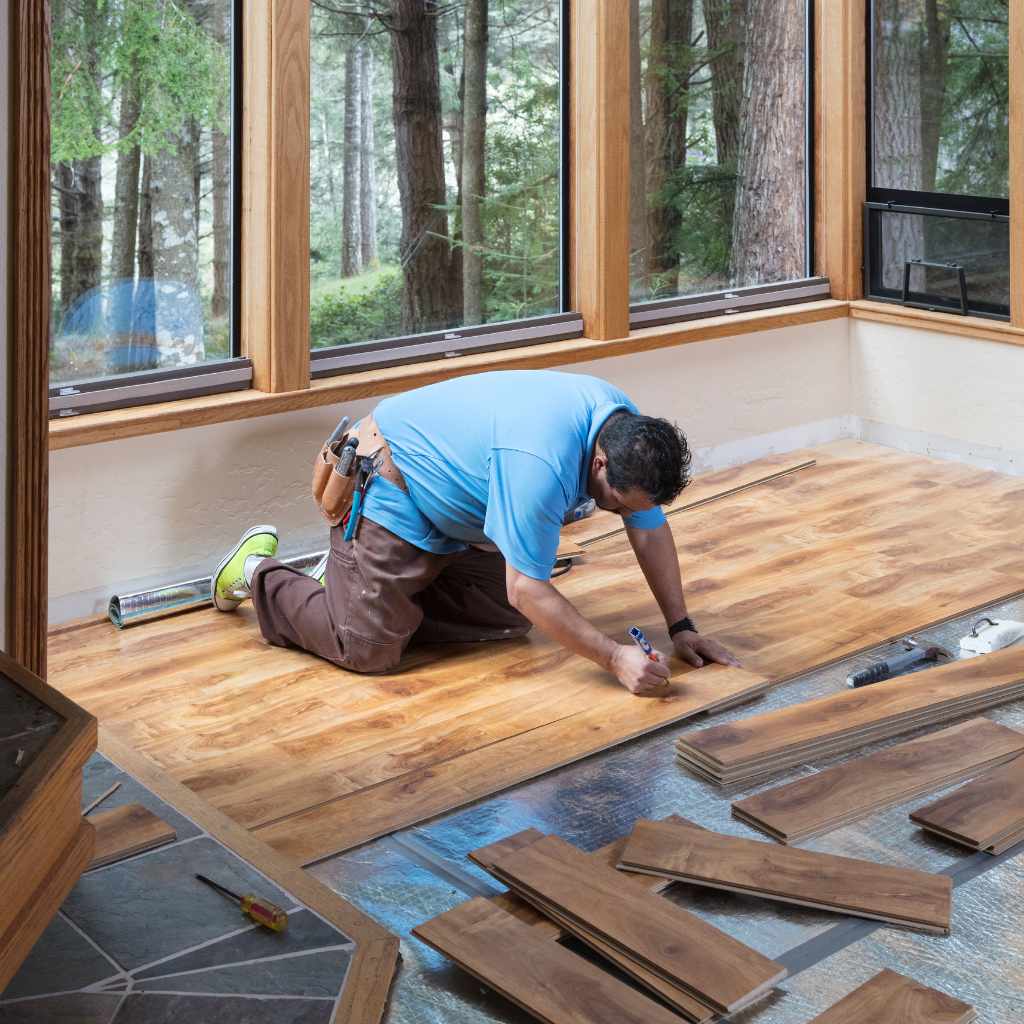
When deciding between prefinished and site-finished hardwood floors, the “winner” truly depends on your individual priorities and circumstances. If speed, convenience, and a durable, consistent finish are your main concerns, prefinished floors are likely your best bet. They offer a faster installation, less mess, and a very resilient surface right out of the box, making them ideal for busy families or those on a tight renovation schedule.
On the other hand, if you dream of a perfectly seamless floor with a custom stain color and sheen, and you don’t mind a longer installation time and potential disruption, site-finished floors offer unparalleled personalization and a luxurious, integrated look that can be refreshed for years to come. The choice boils down to balancing your desire for immediate results and ease of installation against the pursuit of bespoke design and long-term refinishing potential.
Key Factors to Consider
When weighing your options, think about these key factors. First, consider your budget. While prefinished floors might have slightly lower installation costs, the overall price can vary greatly depending on the wood species, quality, and manufacturer.
Site-finished floors often have higher initial labor costs due to the extensive finishing work. Second, consider your timeline. If you need your floors installed quickly, prefinished is the clear winner.
If you have flexibility and can afford to wait for a custom finish, site-finished is a great choice. Third, think about the look you want. For a seamless, completely uniform appearance, site-finished is superior.
For a more varied, natural wood look with distinct plank characteristics, prefinished can be excellent. Finally, consider your lifestyle. If you have pets or young children and need maximum durability and ease of maintenance with minimal fuss, prefinished often has the edge due to its factory-applied, super-hard finishes.
| Feature | Prefinished Hardwood Floors | Site-Finished Hardwood Floors |
|---|---|---|
| Installation Time | Faster, less disruptive | Slower, more disruptive |
| Finish Durability | Often very high, factory-applied | Variable, depends on finish quality |
| Appearance | Beveled edges, consistent color | Seamless, custom color/sheen |
| Customization | Limited to manufacturer options | Unlimited |
| Repair Capability | Difficult for deep scratches | Can be sanded and refinished |
| Dust During Installation | Minimal | Significant |
| Fumes During Installation | Minimal | Significant |
| Labor Costs | Generally lower | Generally higher |
Sample Scenarios
Let’s look at a couple of scenarios to help you decide. Imagine you’re renovating your family home and need to get it done quickly because you’re moving in soon. You have two young kids and a dog, so durability is key.
In this case, prefinished hardwood floors would likely be the better choice. They install faster, are built to withstand a lot of foot traffic and wear and tear right away, and they don’t create a lot of dust or fumes in your home during installation. You can move in sooner with minimal disruption and confidence that your floors are tough.
Now, consider a different situation. You’re building a custom home and have a very specific vision for the interior design. You want a very particular shade of grey stain for your floors, and you prefer a low-sheen, natural look that flows seamlessly throughout the entire house.
You have the time to wait for the perfect finish, and you’re willing to invest more for that bespoke result. For this homeowner, site-finished hardwood floors would be the ideal option. They offer the ultimate control over color, sheen, and the seamless look that can be achieved through on-site finishing.
When Prefinished Floors Reign Supreme
Prefinished hardwood floors are often the champions in situations where speed and minimal disruption are paramount. If you’re tackling a renovation project with a tight deadline, perhaps before a holiday gathering or a move-in date, prefinished floors can be installed much more quickly than site-finished ones. This is because the finishing is already done at the factory.
For busy households with active children and pets, the durability of factory-applied finishes, often incorporating aluminum oxide, provides excellent resistance to scratches and wear, making them very practical. Furthermore, if you’re looking for a more budget-friendly option, prefinished floors can sometimes be more cost-effective due to reduced labor time and the elimination of on-site finishing supplies and equipment. They also produce significantly less dust and fewer fumes during installation, which is a huge plus for homeowners who want to occupy their space with minimal interruption or concerns about air quality.
-
- Fast-Paced Renovations
When time is of the essence, prefinished hardwood floors are the clear choice. Their ready-to-install nature significantly cuts down on project timelines. Instead of days or weeks spent sanding, staining, and applying multiple finish coats on-site, prefinished planks can be installed and often walked on the same day.
This speed is invaluable for homeowners undergoing quick renovations, preparing a property for sale, or simply eager to enjoy their new floors without a prolonged period of disruption. The efficiency of prefinished installation means you can move back into your home or entertain guests sooner.
-
- Busy Households
For homes filled with the hustle and bustle of daily life, particularly those with children and pets, prefinished hardwood floors offer a robust and practical solution. The factory-applied finishes are engineered for superior hardness and scratch resistance, standing up exceptionally well to heavy foot traffic, playful pets, and accidental spills or dropped items. This inherent durability means your floors will maintain their attractive appearance longer, requiring less frequent touch-ups or concern about everyday wear and tear.
You can have beautiful floors without constantly worrying about them getting damaged.
-
- Budget-Conscious Projects
While the upfront cost of prefinished flooring can vary, they often present a more budget-friendly overall solution, especially when considering labor. The reduced installation time translates directly into lower labor costs. Additionally, you avoid the expenses associated with specialized on-site finishing materials, equipment rental, and the potential need for extended accommodation due to the disruptive nature of site-finishing.
For those who want the beauty of hardwood without exceeding their renovation budget, prefinished options can be a smart economic choice.
When Site-Finished Floors Shine Brightest
Site-finished hardwood floors truly shine when the goal is to achieve a completely custom and integrated look for your home, and you have the time and patience to see the process through. If you have a very specific design vision, such as a unique stain color that isn’t available off-the-shelf, or you desire a perfectly smooth, seamless surface without any beveled edges, then site-finishing is the way to go. This method allows for unparalleled personalization, letting you create a floor that is a true reflection of your style.
Furthermore, the ability to sand and refinish site-finished floors means they are an excellent long-term investment. If your floors become worn or you wish to update the aesthetic years down the line, they can be restored or even re-colored, offering incredible longevity and versatility that prefinished floors cannot match. This makes them a sustainable choice for homeowners who plan to stay in their homes for a long time.
-
- Achieving Unique Design Aesthetics
For homeowners who are passionate about interior design and want their floors to be a perfect complement to their unique style, site-finished hardwood flooring offers limitless possibilities. You can work with your installer to achieve precise stain colors, from rich, dark hues to pale, whitewashed tones, or even custom blends that match your cabinetry or furniture. The choice of sheen—from a matte, natural look to a high-gloss finish—is also entirely yours.
This level of customization ensures your floors will be exactly as you envision, creating a cohesive and personalized living space.
-
- Long-Term Investment Value
Investing in site-finished hardwood floors is often seen as a decision for the long haul. Their inherent ability to be sanded and refinished multiple times over their lifespan provides exceptional value. As trends change or wear and tear inevitably occur, your floors can be restored to look like new, or even given a completely new color and finish.
This means you won’t need to
-
- Creating a Seamless Surface
The desire for a smooth, uninterrupted surface is a significant reason many choose site-finished hardwood. The sanding process after installation eliminates any beveled edges, creating a monolithic plane across the entire floor. This not only provides a sleek, modern aesthetic but also makes cleaning and maintenance far easier.
There are no tiny crevices for dirt, dust, or pet hair to get trapped, allowing for a more hygienic and effortlessly clean floor. This seamless quality contributes to an overall feeling of spaciousness and luxury within the home.
Frequently Asked Questions
Question: Is prefinished or site-finished hardwood more expensive
Answer: Generally, prefinished hardwood flooring can be less expensive overall because installation is faster and labor costs are typically lower. Site-finished hardwood floors often have higher labor costs due to the time and skill required for sanding and finishing on-site, though the material cost for unfinished wood can sometimes be lower than prefinished.
Question: Which type of hardwood floor is more durable
Answer: Prefinished hardwood floors often have a more durable finish because they are factory-applied using advanced techniques like UV curing and aluminum oxide. However, site-finished floors can be refinished, extending their lifespan significantly.
Question: Can you get a completely smooth finish with prefinished floors
Answer: No, prefinished floors usually have beveled edges between planks, which create slight grooves. Site-finished floors, after sanding, result in a completely smooth, seamless surface.
Question: Which is better for a quick renovation
Answer: Prefinished hardwood floors are much better for quick renovations because they can be installed and walked on much sooner than site-finished floors, which require drying time for stains and finishes.
Question: Can you change the color of prefinished floors later
Answer: It is very difficult to change the color of prefinished floors without sanding and refinishing them, essentially turning them into site-finished floors. Site-finished floors can be easily re-stained to a new color.
Final Thoughts
Deciding between prefinished and site-finished hardwood floors really comes down to what matters most to you. If you’re looking for a quick, hassle-free installation with a tough, ready-to-go finish, prefinished floors are often the way to go. They’re great for busy households and when you need your project done fast.
On the other hand, if your heart is set on a perfectly seamless floor with a custom stain color and sheen, and you value the ability to refinish your floors down the line for a fresh look, then site-finished hardwood offers that unparalleled customization and long-term value. Think about your lifestyle, your budget, and your design dreams. Both options can provide beautiful and lasting results, but understanding their unique strengths will help you make the best choice for your home.
Don’t hesitate to ask your flooring professional for their expert advice based on your specific situation; they can offer insights tailored to your project.