Small Bathroom Flooring Ideas: Wood-Look Waterproof Picks (2026)
Waterproof LVP or SPC vinyl plank is the only wood-look flooring built for a small bathroom’s full wet-area conditions — engineered hardwood and “waterproof” laminate are only splash-resistant, not shower-humidity resistant, no matter what the box says. Installing either in a full wet zone can void the warranty and cause veneer swelling within a year or two. This guide covers which wood-look floors actually hold up, how they compare to tile and vinyl on cost and durability, and the color tricks that make a small floor look bigger.
Quick Answer
For a small bathroom, choose waterproof LVP or rigid SPC vinyl plank in a wood-look finish — its solid vinyl core does not swell or delaminate under sustained humidity. Skip engineered hardwood and “waterproof” laminate for the actual wet zone (around the tub or shower); both use a real wood or wood-fiber core that still absorbs moisture at the seams over time.
Why “Waterproof” Engineered Hardwood Still Isn’t Right for a Bathroom Floor
Engineered hardwood is real hardwood veneer bonded over a cross-layered plywood-style core, and manufacturers now sell versions marketed as “waterproof” using a coated or composite core. That waterproof rating is tested against spills and splashes sitting on the surface for a limited time — not the constant humidity and standing water a small, poorly-ventilated bathroom produces every time someone showers. The seams between planks and the wood veneer itself can still absorb moisture and swell, which is why engineered hardwood’s real-wood veneer is the actual weak point manufacturers don’t put on the front of the box.
Waterproof LVP and rigid-core SPC vinyl plank solve this differently: there’s no wood fiber anywhere in the plank, so there’s nothing to swell. For the full technical breakdown of what’s inside each material and where each one is actually rated to go, see our LVP vs. engineered hardwood comparison. If a small bathroom’s floor plan puts the wood-look flooring right up against the tub or shower pan with no threshold, waterproof LVP is the safer call every time — save engineered hardwood for a half bath or powder room with a sink only and no shower.
| Flooring Type | Wet-Zone Rating | Typical Cost (materials) | Best For |
|---|---|---|---|
| Waterproof LVP / SPC vinyl plank | Fully waterproof core — safe for full wet zone | $2–$7 / sq ft | Small bathrooms with a tub or shower |
| “Waterproof” engineered hardwood | Splash-resistant only — not rated for standing water | $4–$11 / sq ft | Powder rooms / sink-only half baths |
| Porcelain or ceramic tile | Fully waterproof once grout is sealed | $3–$10 / sq ft installed | Any bathroom, including full showers |
Best Wood-Look Waterproof Pick
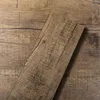 |
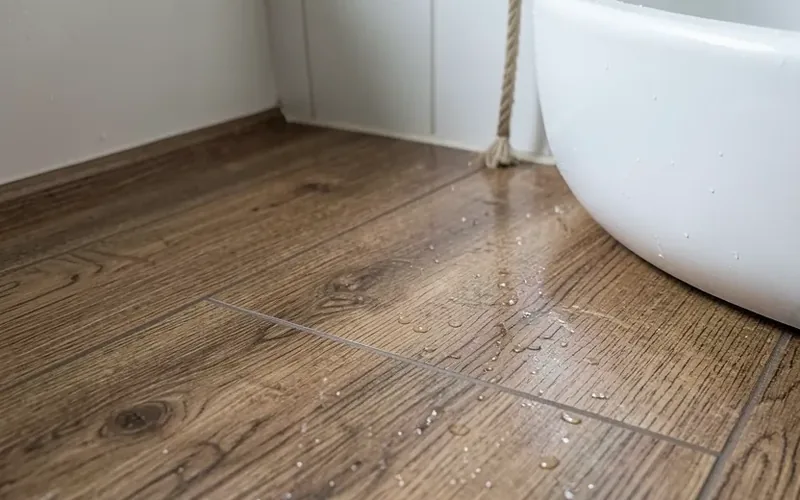
SULSUMIC Peel & Stick Wood-Look Vinyl Plank Flooring – 54 sq ft A truly waterproof, self-adhesive wood-look plank that installs over existing tile or a sealed subfloor without glue or special tools — a realistic small-bathroom DIY option.
|
Other Small Bathroom Flooring Options Worth Considering
If a wood-look isn’t a priority, tile and standard vinyl still cover most small-bathroom budgets and needs. Here’s how the other realistic options stack up:
- Porcelain or ceramic tile: The most durable fully-waterproof option once the grout is sealed. Porcelain is denser and more scratch-resistant than ceramic, but ceramic is cheaper and easier for a DIY install.
- Peel & stick vinyl tile or plank: The fastest, cheapest full floor redo — most kits install over existing tile in a weekend with no grout or adhesive mixing.
- Floor paint: The lowest-cost option for a dated tile floor that’s structurally fine but visually tired. It won’t fix an uneven or cracked substrate and needs a fresh coat every few years in a high-traffic bathroom.
Installation Details Most Guides Skip
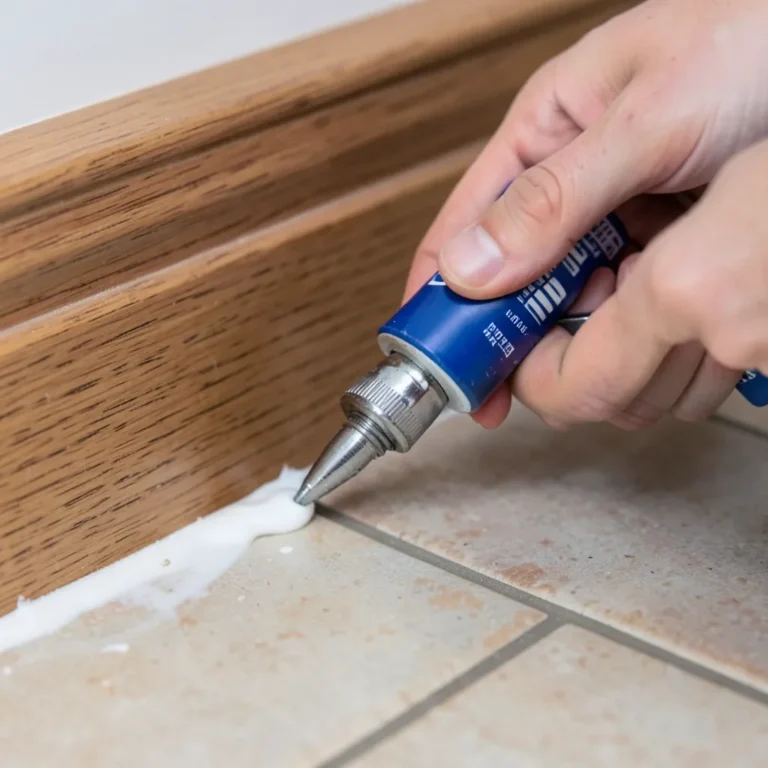
Most flooring articles compare materials and stop there, but two installation details decide whether any of these floors actually stay waterproof in a small bathroom. First, the transition at the shower pan or tub edge needs a proper threshold strip or a bead of silicone caulk rated for wet areas — not just butted flooring — because that seam is exactly where standing water finds its way underneath, and it’s a five-minute step that prevents most of the early failures this whole page is warning about. Second, if the bathroom sits on a concrete slab, a vapor barrier underlayment goes under vinyl plank even though the plank itself is waterproof; slab moisture pushing up from below can still loosen the adhesive backing on a peel-and-stick product over time.
For peel-and-stick vinyl specifically, subfloor flatness matters more in a small bathroom than a large one because there’s less room to hide a slight dip or high spot with furniture or a rug. A self-leveling compound skim coat before installation is worth the extra step and few dollars per square foot if the existing tile or subfloor has any noticeable unevenness — the video below shows this step in a real $70 budget install.
Bathroom Ventilation Affects How Long the Floor Lasts
A small bathroom traps humidity faster than a large one simply because there’s less air volume for the moisture from a hot shower to dissipate into, and many small bathrooms have an undersized or poorly-vented exhaust fan for the room’s actual humidity load. Running the fan during the shower and for about 20 minutes afterward reduces how much moisture ever reaches the floor’s seams and edges in the first place — this matters for every flooring type on this page, but it matters most for anything with a wood-fiber core, since that’s the material actually being protected from the humidity a fan clears out.
Color and Layout Tricks That Make a Small Bathroom Floor Look Bigger
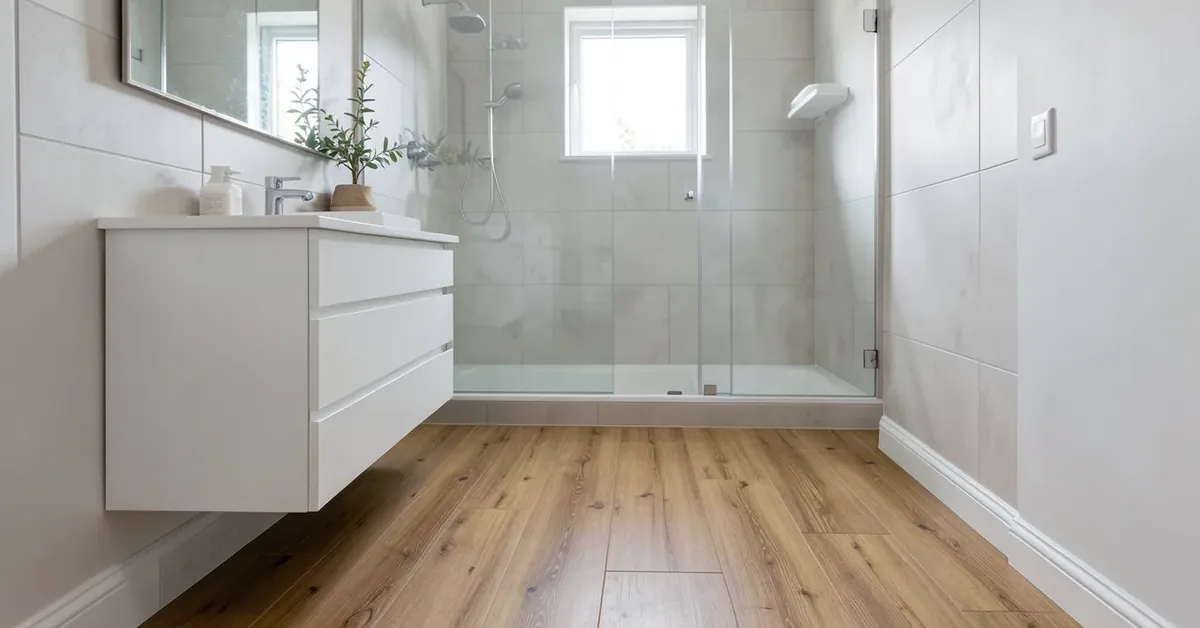
Light, warm wood tones (honey oak, natural pine) reflect more of a small bathroom’s limited natural light than a dark walnut or espresso finish, which is why most small-bathroom wood-look floors lean light. Large-format planks or tiles with fewer grout lines and seams also read as more open than the same square footage broken into small mosaic pieces. For a deeper look at how tone affects a whole room’s feel, our guide to choosing hardwood floor color covers the same principle for larger rooms.
Dark flooring isn’t off the table — a charcoal or dark walnut wood-look plank paired with white walls and a light vanity can still read as intentional rather than cramped, since the contrast draws the eye rather than closing the room in. What consistently backfires is mixing a dark floor with dark walls and dark fixtures in a genuinely small footprint; that combination is what actually shrinks the room visually, more than the floor color alone.
Keeping Wood-Look Bathroom Flooring From Failing Early
Even a fully waterproof vinyl floor fails early if standing water is left to sit at the seams or the wall edge, so wipe up puddles after a shower and keep a bath mat at the tub edge to catch drips before they pool. If any part of the floor is engineered hardwood or laminate rather than vinyl, that rule matters even more — see our full engineered wood cleaning guide for the products and techniques that won’t void the warranty on the veneer.
For the full range of solid, engineered, and wood-look flooring types beyond just the bathroom use case, our complete wood flooring guide compares costs, care, and install difficulty across every option on this page.
Frequently Asked Questions
What flooring is best for a small bathroom?
Waterproof LVP or SPC vinyl plank is the best all-around choice for a small bathroom because its solid vinyl core handles constant humidity and standing water without swelling. Porcelain tile is the more durable long-term alternative if you’re comfortable with a harder, colder floor underfoot and don’t mind a tile installer or a weekend DIY tiling project.
Is engineered hardwood ever safe for a bathroom floor?
Yes, but only in a powder room or half bath with a sink and toilet and no shower or tub. Even “waterproof” engineered hardwood is rated for splash resistance, not the sustained humidity and occasional standing water a full bathroom with a shower produces, so it shouldn’t be installed as the floor right up against a tub or shower pan.
What’s the difference between waterproof LVP and “waterproof” laminate in a bathroom?
Waterproof LVP has a solid vinyl core with no wood fiber, so there’s nothing inside it to absorb water. “Waterproof” laminate still uses a high-density fiberboard core coated in a moisture-resistant layer — that coating protects the surface, but water that reaches the core through a seam or edge can still cause swelling over time, which is why LVP is the safer full-bathroom choice between the two.
What color flooring makes a small bathroom look bigger?
Light, warm tones like honey oak, beige, or light grey reflect more natural light and make a small bathroom feel more open than dark flooring. Large-format planks or tiles with fewer grout lines reinforce the same effect by breaking up the floor into fewer visual segments.
Can you put real solid hardwood in a bathroom at all?
It’s not recommended. Solid hardwood has no cross-layered core to resist warping the way engineered hardwood does, so it moves more with humidity changes and has zero real waterproofing options. If the wood look matters more than anything else, waterproof LVP in a wood-look finish gets closest to real hardwood’s appearance without the moisture risk.
For a small bathroom, the floor decision comes down to one distinction most flooring displays don’t make clear: “waterproof” on the box usually means splash-resistant, not built for a full wet zone. Waterproof LVP or SPC vinyl plank is the one wood-look option engineered for that difference, tile remains the most durable alternative, and engineered hardwood belongs in a powder room, not next to a shower.
Sponsored / affiliate links. As an Amazon Associate I earn from qualifying purchases. I may earn additional commission from eligible campaigns.