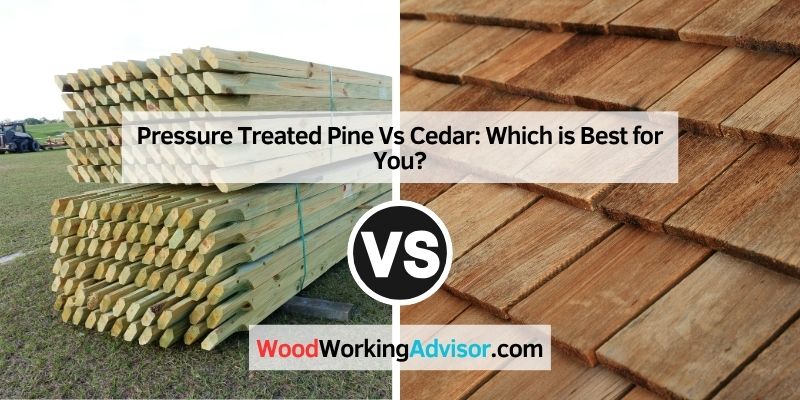
Pressure Treated Pine Vs Cedar: Which is Best for You?
When it comes to choosing the right wood for your outdoor projects, the decision can feel overwhelming. You might be wondering whether pressure treated pine or cedar is the best choice for your needs.
This decision isn’t just about aesthetics; it’s about durability, maintenance, and cost. Imagine confidently selecting the perfect wood that not only enhances your garden or deck but also stands the test of time. Picture the satisfaction of investing in something that will look great and perform well for years.
We’ll explore the differences between pressure treated pine and cedar, helping you make an informed choice that aligns with your vision and budget. Keep reading to discover which wood is right for you!
Credit: www.samedayfencecompany.com
Comparing Wood Durability
Cedar wood is naturally resistant to decay. It lasts a long time. Pressure treated pine has chemicals to fight decay. These chemicals help it last. Yet, cedar is often the better choice for long-term use.
Bugs don’t like cedar. It has natural oils that keep them away. Pressure treated pine also fights insects. It uses chemicals to do this. Both woods work well against insects. Still, cedar often wins in natural repellency.
Pressure treated pine handles water well. It’s made to resist moisture. Cedar can also handle wet conditions. But, it may warp over time. Pine stays strong and firm in wet places. Cedar needs more care to stay good.
Aesthetic Appeal
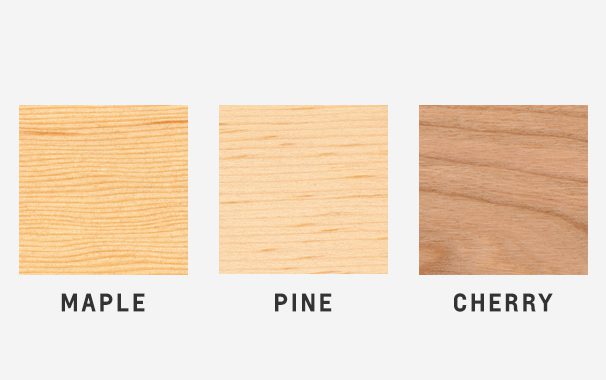
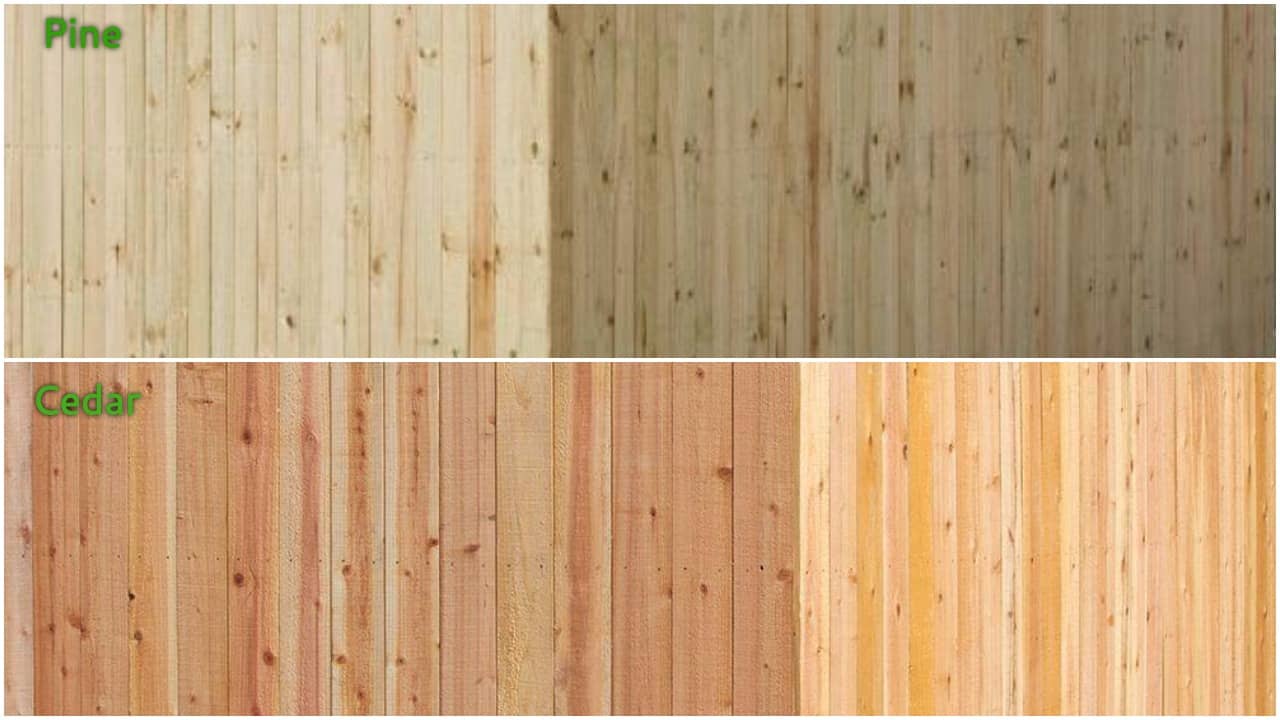
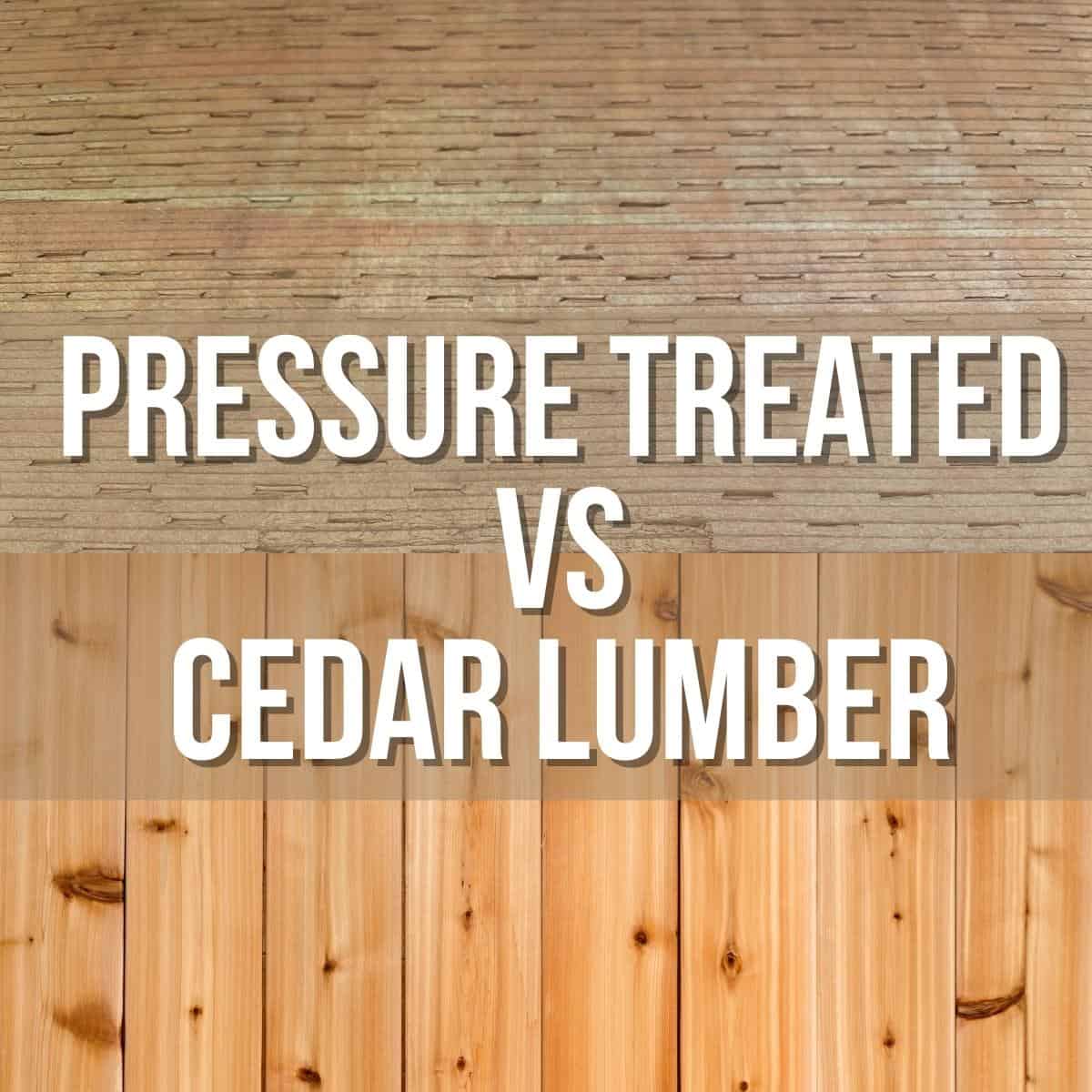
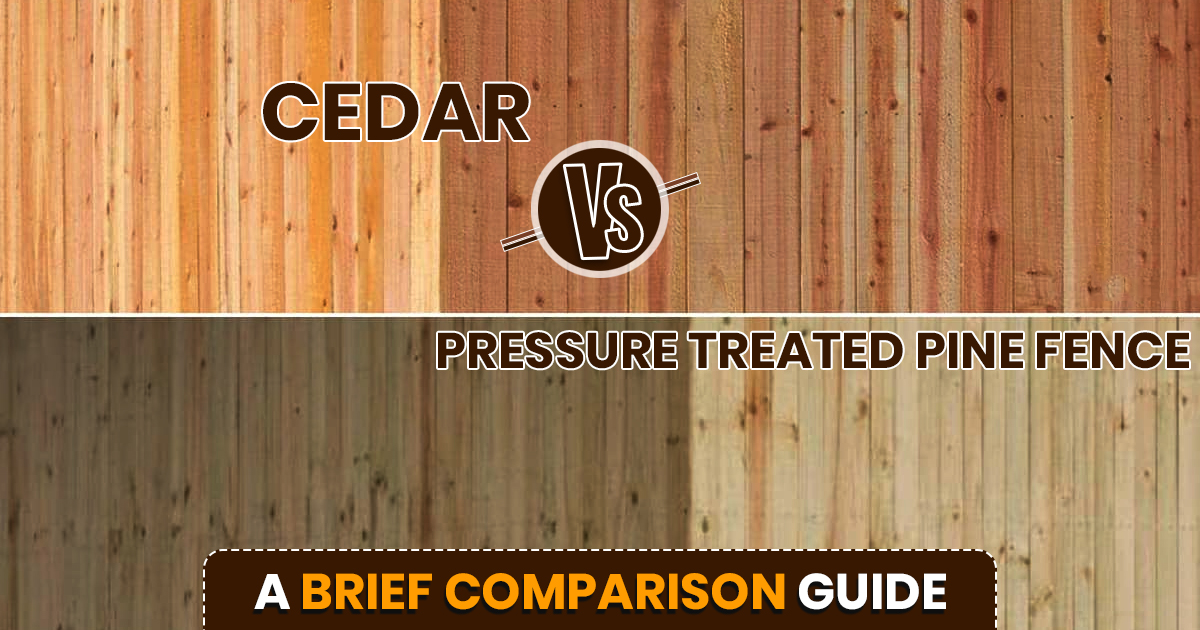
Pressure treated pine is often a light green color. This is due to the chemicals used to treat it. The grain is usually straight but can be a bit rough. Cedar has a natural reddish-brown hue. Its grain is smoother and can be quite detailed. The colors of cedar are warm and inviting. Pine may look plain compared to cedar’s rich tones.
Pine changes color as it ages. It becomes more muted and gray. Cedar ages gracefully. It develops a soft silver patina. This makes cedar even more beautiful over time. Pine might need more care to keep it looking good. Cedar stays pretty with less effort.
Cost Considerations
Pressure treated pine is usually cheaper than cedar. People often choose pine for big projects. It saves money at the start. Cedar costs more. But it looks nice and smells good. Some people like cedar for its beauty. They don’t mind the extra cost. The choice depends on the budget. Pine is good for saving money.
Cedar lasts longer without much care. It resists bugs and rot. This saves repair money over time. Pressure treated pine needs more care. It may need fixes sooner. This costs extra later. Cedar might cost more first, but saves money long-term. Pine is less now, but might cost more later. Choose wisely for your needs.
Credit: www.thehandymansdaughter.com
Maintenance Requirements
Both pressure treated pine and cedar need regular cleaning. Pine needs more frequent cleaning. Dirt and grime can build up on its surface quickly. Cedar, with its natural oils, resists dirt more. Staining helps protect both woods. Staining pine every year is a good idea. Cedar can go longer without staining. Keeping these woods clean helps them last longer. Use a mild soap and water for cleaning. A soft brush can remove tough spots.
Pine may need repairs more often. It can warp or crack easily. Cedar is tougher and resists damage. Small scratches on cedar are less noticeable. Repairing pine might mean replacing boards. Cedar repairs are often simpler. Check for loose nails or screws in both woods. Tighten them to prevent damage. Regular checks can catch problems early.
Environmental Impact
Cedar wood is known for its natural sustainability. It grows fast and renews quickly. Trees are harvested responsibly. This helps keep forests healthy. Cedar does not need chemical treatments. That makes it safer for the planet. Pressure treated pine uses chemicals to protect the wood. It can harm the environment. Pine trees grow slower than cedar. Harvesting pine can affect the ecosystem. Choosing cedar supports eco-friendly practices.
Pressure treated pine is soaked in chemicals. These chemicals stop rot and bugs. They can leak into the soil. Cedar wood naturally fights pests and decay. It does not need added chemicals. This makes cedar safer for gardens and yards. Chemicals in pine can harm wildlife. Cedar’s natural oils repel bugs. It is a safer choice for nature.
Installation And Workability
Cedar is light. Easy to carry and cut. It is soft and smooth. It does not splinter much. This makes it friendly for kids. Pressure treated pine is heavier. It needs more strength to move. It is tougher and stronger. Splintering can happen sometimes.
Cedar works well with most tools. Saw blades cut it easily. Drills go through it smoothly. Pine may need special blades for cutting. It is harder. Tools might need more power. Both woods need care with nails. They can split if not careful.
Suitability For Projects
Pressure treated pine is strong and resists bugs. It is great for decks and fences. Pine can handle rain and sun well. Cedar is also a good choice. It has a nice smell and looks pretty. Cedar does not rot easily. It is lightweight and easy to cut. Choose cedar for gazebos and benches. Both woods last long outside.
For indoor use, cedar is often preferred. It smells nice and keeps bugs away. Cedar is used for closets and chests. Pressure treated pine is not good inside. It has chemicals that can smell bad. Pine is better for basements or garages. Pine is cheaper than cedar. Both can be painted or stained for more color.
Credit: cameroontimberexport.com
Frequently Asked Questions
Is Cedar Better Than Pressure Treated Pine?
Cedar is naturally resistant to rot and insects, offering durability without chemicals. Pressure-treated pine is more affordable and strong. Cedar’s aesthetic appeal and eco-friendly qualities make it preferable for projects like decking, but pressure-treated pine is cost-effective for structural uses.
Choose based on budget and intended application.
What Lasts Longer, Pressure Treated Pine Or Cedar?
Cedar generally lasts longer than pressure-treated pine. Cedar naturally resists decay and insects. Pressure-treated pine can last 15-20 years, while cedar can last 20-30 years. Cedar’s natural oils offer better durability without chemical treatments. Choose cedar for a longer-lasting, eco-friendly option.
Does Pressure Treated Pine Last As Long As Cedar?
Pressure treated pine typically lasts 20-30 years, while cedar can last up to 40 years. Cedar is naturally resistant to rot and insects, offering greater durability. Pine is cost-effective but requires more maintenance. Choose cedar for longevity and minimal upkeep.
Both are popular for outdoor projects.
Is Pine Or Cedar Better For Outdoor Use?
Cedar is better for outdoor use due to its natural resistance to decay and insects. Pine requires treatment for longevity. Cedar is durable and offers superior weather resistance, making it a preferred choice for outdoor furniture or structures. Pine is more affordable but needs regular maintenance.
Conclusion
Choosing between pressure treated pine and cedar depends on your needs. Pressure treated pine offers durability and affordability. Cedar provides a natural beauty and resistance to decay. Consider your budget and desired look. Both wood types have their benefits. Think about maintenance and lifespan too.
For a longer-lasting deck, pressure treated pine works well. For a more attractive, natural appearance, choose cedar. Balance cost, aesthetics, and longevity. Each choice suits different preferences. Decide based on what matters most for your project.