Mastering Wood Finishing with Parks Pro Finisher Polyurethane: A Comprehensive Guide
Hey there, fellow woodworking enthusiast! If you’re looking to give your wood projects a stunning, durable finish, you’ve likely come across Parks Pro Finisher Polyurethane. I’ve spent years experimenting with different finishes, and let me tell you, this product has earned a special place in my workshop. Whether you’re a DIYer tackling your first coffee table or a seasoned pro refinishing hardwood floors, Parks Pro Finisher Polyurethane offers a reliable, high-quality solution. In this guide, I’ll walk you through everything I’ve learned about this fantastic product, from its features to application tips, so you can achieve a flawless finish every time. Let’s dive in!
What is Parks Pro Finisher Polyurethane?
When I first started woodworking, I was overwhelmed by the sheer number of finishes available. Parks Pro Finisher Polyurethane stood out because it’s designed for both professionals and hobbyists like me. It’s a clear, protective coating that enhances the natural beauty of wood while shielding it from scratches, spills, and wear. Available in both oil-based and water-based formulas, it’s versatile enough for hardwood floors, furniture, cabinets, and even intricate wood carvings.
The oil-based version is a high-solids formula, meaning it builds a thick, durable coat that’s perfect for high-traffic areas like floors. The water-based option, on the other hand, dries faster and has less odor, making it ideal for indoor projects where ventilation is limited. Both types come in various sheens—gloss, semi-gloss, and satin—so you can choose the look that suits your project. I’ve used both, and they deliver a professional-grade finish that’s tough to beat.
Why Choose Parks Pro Finisher Polyurethane?
I’ll be honest—there are plenty of polyurethane brands out there, but Parks has a few tricks up its sleeve that make it a go-to for me. First, it’s incredibly durable. I’ve used it on everything from dining tables to staircases, and it holds up beautifully against daily wear and tear. Second, it’s easy to apply, even if you’re not a pro. The formula flows smoothly, reducing brush marks and bubbles, which is a lifesaver when you’re aiming for a glass-like finish.
Another big plus is its clarity. The water-based version, in particular, dries crystal clear without yellowing, so your wood’s natural color shines through. I once used it on a white oak table, and the finish was so clear it looked like the wood was glowing. Plus, Parks is formulated to resist scuffs and scratches, which is crucial for high-traffic areas. Whether you’re refinishing your living room floor or building a custom bookshelf, this polyurethane delivers.
Here’s a quick comparison of the two formulas to help you decide:
| Feature | Oil-Based Polyurethane | Water-Based Polyurethane |
|---|---|---|
| Dry Time | 6-10 hours | 1-2 hours |
| Odor | Strong, requires ventilation | Low odor |
| Clarity | Slightly amber | Crystal clear, non-yellowing |
| Durability | Excellent for high-traffic areas | Very good, ideal for furniture |
| Cleanup | Mineral spirits | Soap and water |
| Coverage | 300-400 sq ft/gallon | 600-700 sq ft/gallon |
Preparing Your Wood Surface for Application
Before I apply any finish, I make sure my wood surface is ready. Trust me, prep work is half the battle when it comes to a great finish. Parks Pro Finisher Polyurethane works best on a clean, smooth surface, so let’s go through the steps I follow.
First, I sand the wood thoroughly. I start with a coarse sandpaper, like 100-grit, to remove any old finish, scratches, or imperfections. Then, I work my way up to finer grits—150, then 220—to get a silky-smooth surface. Sanding in stages like this prevents swirl marks and ensures the polyurethane adheres properly. After sanding, I vacuum up all the dust and wipe the surface with a tack cloth to catch any stragglers.
If I’m staining the wood, I apply the stain before the polyurethane. Parks is compatible with both oil- and water-based stains, but I always let the stain dry completely—usually 72 hours for oil-based stains—to avoid any issues. If I’m using a sealer, I opt for Parks Pro Finisher Universal Sealer, which creates a smooth base for the polyurethane. One thing I’ve learned: never skip the cleaning step. Any grease, wax, or dirt left on the surface can ruin your finish.
How to Apply Parks Pro Finisher Polyurethane Like a Pro
Applying polyurethane can feel intimidating, but I’ve found that with the right technique, it’s straightforward. Here’s how I do it to get a flawless finish every time.
For tools, I usually choose a high-quality natural bristle brush for oil-based polyurethane or a synthetic brush for the water-based version. A lambswool applicator or a weighted T-bar works great for floors. I stir the polyurethane gently—never shake it, as that creates bubbles—and apply thin, even coats in the direction of the wood grain. Thin coats are key; they dry faster and reduce the risk of drips or uneven spots.
For oil-based polyurethane, I aim for 300-400 square feet per gallon per coat. The water-based version covers more, around 600-700 square feet per gallon. I apply at least two coats, sometimes three for high-traffic areas like floors. Between coats, I let the finish dry for 6-10 hours (oil-based) or 1-2 hours (water-based). If it’s been less than 8 hours, I don’t sand between coats unless I want an ultra-smooth finish. When I do sand, I use 220-grit sandpaper lightly to avoid scratching the surface.
One tip I’ve picked up: keep an eye on the weather. I only apply polyurethane when the temperature is between 60-80°F and humidity is below 85%. High humidity can make the finish dry unevenly, and I’ve learned that lesson the hard way. Also, good ventilation is a must, especially with the oil-based formula, which has a strong odor.
Oil-Based vs. Water-Based: Which One Should You Pick?
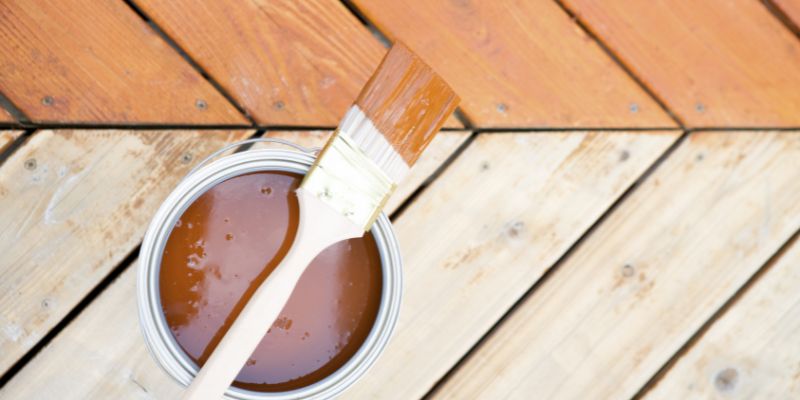
Choosing between oil-based and water-based Parks Pro Finisher Polyurethane depends on your project. Let me share my experience to help you decide.
When I refinished my hardwood floors, I went with the oil-based version. Its high-solids content creates a thick, protective layer that’s perfect for areas that see a lot of foot traffic. The finish has a slight amber tint, which adds warmth to darker woods like walnut or cherry. But it does take longer to dry—up to 10 hours per coat—and the smell can linger, so I made sure to open all the windows and use fans.
For furniture projects, like a set of bookshelves I built last year, I prefer the water-based formula. It dries in just 1-2 hours, so I can apply multiple coats in a single day. The crystal-clear finish is perfect for lighter woods like maple or oak, where I don’t want any yellowing. Plus, cleanup is a breeze with just soap and water. The downside? It’s slightly less durable than oil-based, so I wouldn’t use it for floors unless I’m in a pinch.
If you’re torn, think about your timeline and environment. If you need a quick turnaround and low odor, go water-based. If durability is your top priority and you can handle the longer dry time, oil-based is the way to go.
Tips for Avoiding Common Application Mistakes
I’ve made my fair share of mistakes with polyurethane, so let me save you some headaches. One of the biggest issues I faced early on was bubbles in the finish. To avoid this, I never shake the can—just stir it gently. I also apply the polyurethane slowly and avoid over-brushing, which can trap air.
Another mistake is applying too thick a coat. I used to think thicker was better, but it just leads to drips and longer drying times. Now, I stick to thin, even coats and let each one dry completely. If you notice dust or debris in your wet finish, don’t panic. I use a small brush to pick it out before it dries, or I sand it lightly between coats.
Finally, don’t rush the curing process. While the surface might be dry to the touch in a day, Parks Pro Finisher Polyurethane takes up to 14 days to fully cure. I avoid placing rugs or heavy furniture on floors for at least a week to prevent dents or scratches.
Maintaining Your Polyurethane Finish
Once you’ve applied Parks Pro Finisher Polyurethane, you’ll want to keep that gorgeous finish looking great. I’ve found that regular maintenance is simple but makes a big difference. For floors, I sweep or vacuum weekly to remove dirt and grit that can scratch the surface. I also use a damp mop with a mild cleaner—no harsh chemicals, as they can dull the finish.
For furniture, I dust with a soft cloth and avoid placing hot or wet items directly on the surface. If I spill something, I wipe it up immediately to prevent damage. Every few years, I inspect the finish for wear. If it looks dull or scratched, I lightly sand the surface and apply a fresh coat of polyurethane. It’s amazing how a quick touch-up can bring the wood back to life.
Comparing Parks Pro Finisher to Other Brands
I’ve tried other polyurethane brands like Bona and Minwax, and while they’re great, Parks holds its own. Bona is a favorite among professionals for its durability and anti-slip options, but it’s pricier and harder to find unless you have a pro account. Minwax is widely available and budget-friendly, but I find Parks flows better and has fewer brush marks.
One thing I appreciate about Parks is its balance of quality and accessibility. You can find it at places like Home Depot, and it’s formulated for both DIYers and pros. Some folks on woodworking forums have mentioned that Parks might not last as long as premium brands like Bona in super high-traffic areas, but for most home projects, I’ve never had an issue.
Safety and Environmental Considerations
Safety is a big deal when working with polyurethane, especially the oil-based kind. The fumes can be strong, so I always work in a well-ventilated area and wear a respirator if I’m indoors. I also keep mineral spirits (for oil-based) or soap and water (for water-based) handy for cleanup.
From an environmental standpoint, the water-based formula is my go-to when I want to reduce my impact. It has lower VOCs (volatile organic compounds) than oil-based polyurethane, which means fewer harmful emissions. That said, I always dispose of rags properly—never in a pile, as oil-based rags can spontaneously combust. I soak them in water and store them in a metal container until I can dispose of them safely.
My Favorite Projects with Parks Pro Finisher Polyurethane
Let me share a couple of projects where Parks really shone. Last summer, I built a walnut dining table for my family. I used the oil-based semi-gloss polyurethane to give it a warm, rich finish. The table gets daily use, and the finish still looks flawless—no scratches or water rings, even after countless dinners.
Another project was refinishing my oak staircase. I went with the water-based satin finish because I needed to work indoors with minimal odor. The fast dry time let me finish the job in a weekend, and the stairs look amazing. The clear, non-yellowing finish kept the oak’s natural beauty front and center.
Troubleshooting Common Issues
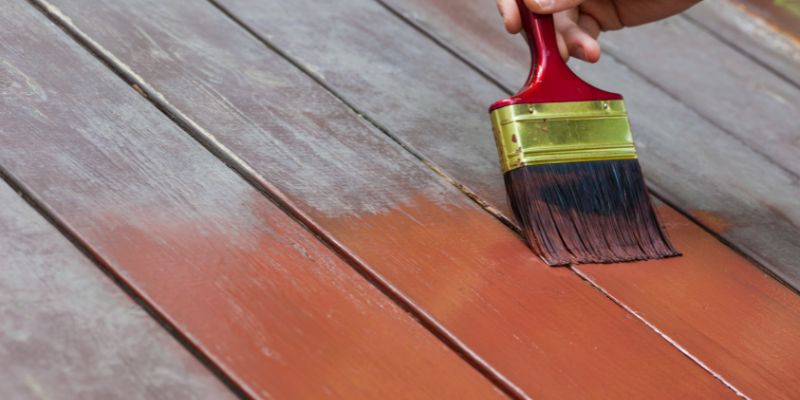
No matter how careful you are, things can go wrong. Here are a few issues I’ve run into and how I fixed them:
- Bubbles in the Finish: Usually caused by shaking the can or over-brushing. Stir gently and apply with smooth strokes. If bubbles appear, sand lightly between coats.
- Uneven Sheen: This happens if the polyurethane isn’t stirred properly or if coats are too thick. Stir thoroughly and apply thin, even coats.
- Slow Drying: High humidity or low temperatures can slow drying. I check the weather and use a fan to improve airflow.
- Dust Nibs: Dust settling on wet polyurethane is annoying. I keep my workspace as dust-free as possible and use a tack cloth before each coat.
If you run into something tricky, don’t hesitate to test on a scrap piece of wood first. It’s saved me from a lot of frustration.
Conclusion
After years of working with Parks Pro Finisher Polyurethane, I can honestly say it’s one of the most reliable finishes in my toolkit. Whether I’m tackling a hardwood floor or a custom piece of furniture, it delivers a durable, beautiful finish that stands the test of time. The choice between oil-based and water-based formulas gives me flexibility, and the ease of application makes it accessible for woodworkers of all skill levels. By prepping carefully, applying thin coats, and maintaining the finish, I’ve been able to create projects that look professional and last for years.
If you’re ready to elevate your woodworking game, give parques Pro Finisher Polyurethane a try. It’s like giving your wood a suit of armor that also makes it look stunning. So grab a can, roll up your sleeves, and let’s make some beautiful wood projects together!
Frequently Asked Questions
What’s the difference between oil-based and water-based Parks Pro Finisher Polyurethane?
The oil-based version is more durable and ideal for high-traffic areas like floors, but it has a strong odor and takes longer to dry (6-10 hours). The water-based version dries faster (1-2 hours), has less odor, and is crystal clear, making it great for furniture. Cleanup is also easier with water-based, using just soap and water.
How many coats of Parks Pro Finisher Polyurethane should I apply?
I recommend at least two coats for most projects. For high-traffic areas like floors, three coats provide extra protection. Make sure each coat is thin and fully dry before applying the next.
Can I use Parks Pro Finisher Polyurethane over stain?
Yes, it works with both oil- and water-based stains. Just ensure the stain is completely dry—72 hours for oil-based stains—before applying the polyurethane. Test on a small area first to check compatibility.
How long does it take for the finish to fully cure?
While it’s dry to the touch in 1-2 hours (water-based) or 6-10 hours (oil-based), the finish takes up to 14 days to fully cure. Avoid heavy traffic or placing rugs on the surface for at least a week.
Is Parks Pro Finisher Polyurethane safe for indoor use?
Yes, but ventilation is key, especially with the oil-based formula due to its strong fumes. I use a respirator and keep windows open. The water-based version has lower VOCs and is safer for indoor projects with limited airflow.
How do I clean tools after using Parks Pro Finisher Polyurethane?
For oil-based polyurethane, clean brushes and applicators with mineral spirits. For water-based, warm water and soap do the trick. Clean immediately after use to prevent the finish from hardening on your tools.
Can I sand between coats of Parks Pro Finisher Polyurethane?
Sanding between coats is optional if the next coat is applied within 8 hours. If you want a smoother finish, lightly sand with 220-grit sandpaper and remove dust with a tack cloth before applying the next coat.