Best Polyurethane for Hardwood Floors (Picks by Floor Type)
The best polyurethane for hardwood floors is the one that matches your floor and your skill level, not the one with the biggest claim on the can. We compared the maker data sheets for Bona Traffic HD, Bona Mega, Varathane and Minwax floor finishes, so the VOC, coverage, coat counts and gloss numbers below come from the manufacturers themselves.
The short version: pick a one-component water-based finish if you are doing it yourself, a Bona finish if you want heavy-traffic durability, and an oil-based finish if you want a fast recoat and the lowest cost per floor.
Our Picks by Floor Type
Best DIY Water-Based Pick
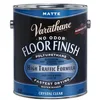 |
Varathane Water-Based Interior Floor Polyurethane, Matte, 1 Gallon A one-component, soap-and-water finish a homeowner can brush on without mixing a hardener, with its numbers taken from the maker’s own floor data sheet.
|
- DIY living room or bedroom: Varathane Water-Based Floor Polyurethane (one component, soap-and-water cleanup, no hardener).
- Busy kitchen, entryway or pets: Bona Mega (one component) or Bona Traffic HD (two component). Bona’s data sheets list both for heavy-traffic floors and label both for professional use only.
- Fast oil-based project: Minwax Super Fast-Drying Polyurethane for Floors, 3-hour recoat, mineral spirits cleanup.
- High-gloss look: check the measured gloss number in the sheen table below before you buy.
This page is about choosing the product. For drying and cure timelines in depth, read our Minwax polyurethane drying time guide, and for the sanding and prep steps see how to refinish a wood floor.
Oil vs Water-Based: What the Data Sheets Actually Say
Most guides repeat that water-based polyurethane “never yellows” and oil-based “always lasts longer.” The maker data sheets are more careful than that.
- Water-based is not always colorless. Bona’s Mega data sheet says the finish “will appear slightly amber on white, bleached, or pastel floors.” Varathane’s water-based floor sheet warns that discoloration may occur over white or pastel paints or stains. Bona Traffic HD, by comparison, is listed as clear and colorless when dry.
- Water-based is not light-duty. Both Bona finishes are specified for heavy-traffic kitchens, entryways, family rooms and homes with pets.
- Oil-based is not slow by definition. Minwax’s Super Fast-Drying Polyurethane for Floors lists a 3-hour recoat, only about an hour longer than the 2-hour recoat on the water-based sheets.
- “Low VOC” varies a lot. The sheets list 150 g/L (Traffic HD), 200 g/L (Mega), under 275 g/L (Varathane water-based) and 350 (Minwax Super Fast floors). That is more than a 2x spread between the lowest and highest.
Strong fumes matter in a lived-in house, so if smell is a concern read what polyurethane smells like and how to get rid of it before you choose.
Maker Data Compared
Every number below is from the manufacturer’s own technical data sheet or product page. Coverage is the maker’s label figure per coat, so real floors will vary with wood porosity and your applicator.
| Product | Type | VOC (g/L) | Coverage per gal | Coats per maker | Recoat | Full cure or normal use |
|---|---|---|---|---|---|---|
| Bona Traffic HD | Two-component waterborne | 150 | 350-400 sq ft | Sealer or stain + 2; 3rd for heavy traffic | 2-3 hours | 3 days (80% after 1 day) |
| Bona Mega | One-component waterborne | 200 | 500-600 sq ft | Sealer or stain + 2; 3rd for heavy traffic | 2-3 hours | 7 days (70% after 24 hours) |
| Varathane Water-Based Floor Polyurethane | One-component acrylic urethane | Under 275 | 400-500 sq ft | Minimum 4 | 2 hours | Normal use after 3 days |
| Minwax Super Fast-Drying Polyurethane for Floors | Oil-based | 350 | 600-700 sq ft | 2 over stain; 3 on bare wood | 3 hours | Avoid rugs and cleaning for 7 days |
Two details that change how you work
- Bona Traffic HD has a clock. The mixed finish and hardener must be used within 4 hours, can be mixed only once, and the mix should not be tightly recapped. Bona also says to use a clean applicator for sealer and a separate clean one for finish.
- Varathane’s water-based sheet sets weather limits. Apply at 55-90 degrees F with relative humidity below 85 percent, do not shake the can, and do not over-brush or use a roller.
How Much Polyurethane Does a 500 Sq Ft Floor Need?
Coverage numbers look similar until you multiply by the coat count. Using each maker’s label coverage and recommended coats, a 500 sq ft floor needs this much finish (rounded up to whole gallons):
| Product | Coats used | Gallons needed | Listed price per gallon (Amazon, 7 Oct 2026) | Approx. finish cost |
|---|---|---|---|---|
| Minwax Super Fast-Drying for Floors, bare wood | 3 | 3 (2.1-2.5 by label) | $64.98 | about $195 |
| Bona Mega | 3 | 3 (2.5-3.0 by label) | $98.99 | about $297 |
| Varathane Water-Based Floor Polyurethane | 4 | 4-5 | $93.74 | about $375-$469 |
| Bona Traffic HD | 3 | 4-5 (3.75-4.3 by label) | $170.99 | about $684-$855 |
Sealer, stain, hardener and applicators are extra, and the Traffic HD figure assumes the listing includes the hardener, so confirm that before ordering. The point is that the cheapest gallon is not always the cheapest floor: four coats of Varathane at 400-500 sq ft per gallon use more cans than three coats of Minwax at 600-700.
High Gloss Polyurethane for Wood Floors
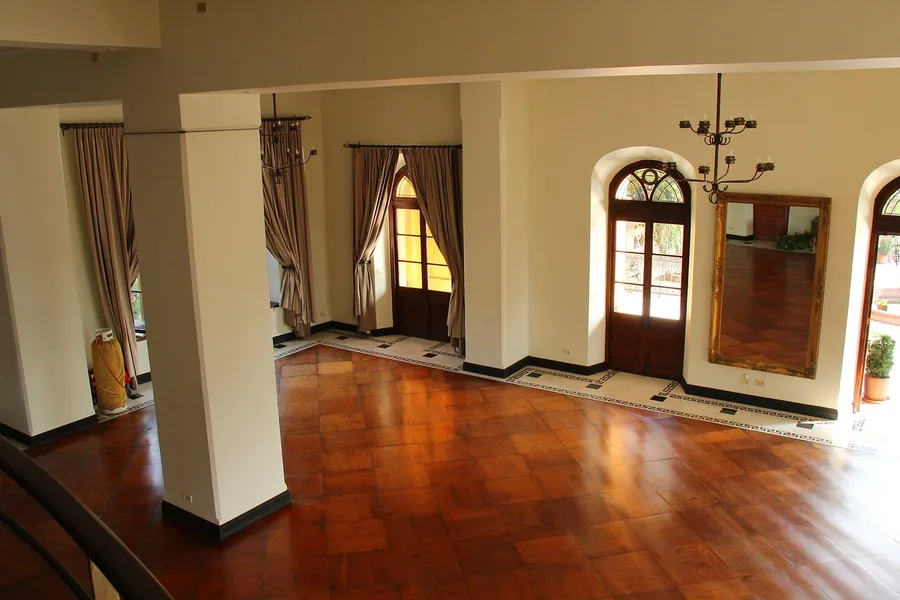
Searching for high-gloss polyurethane is really searching for a gloss number. Bona publishes the measured gloss at 60 degrees for its floor finishes, and the spread between its own products is large:
| Sheen | Bona Mega (gloss units at 60 degrees) | Bona Traffic HD, commercial (gloss units at 60 degrees) |
|---|---|---|
| Gloss | Above 90 | 65-70 |
| Semi-gloss | 45-50 | 40-45 |
| Satin | 25-30 | 15-20 |
| Matte or extra matte | 8-10 | 7-10 |
So “gloss” Mega is noticeably shinier than “gloss” Traffic HD, and “satin” Mega is shinier than “satin” Traffic HD. Varathane’s water-based floor finish is sold in gloss, semi-gloss, satin and matte, and Minwax’s Super Fast-Drying floor finish in gloss, satin and semi-gloss. Neither lists a gloss-unit number, so compare them by looking at a finished sample.
A glossy finish also tends to show scratches and dust more clearly than a satin one. If your floor already has scratches, our guide to hiding scratches in wood floors covers the repairs to do first.
Application Notes That Change by Product
- Prep matters more than the brand. Varathane’s sheets say old finishes in poor condition must be removed, waxes need a wax stripper (sanding does not remove wax), and a coat that has dried more than 24 hours should be lightly sanded before recoating.
- Sanding dust is a fire hazard. Varathane’s data sheets warn that sanding dust can be a spontaneous combustion hazard and should be disposed of immediately. Minwax’s floor label carries a DANGER warning about rags, steel wool and other waste soaked with the product.
- Lead warning for old floors. If the house has old painted surfaces, scraping or sanding can release lead dust, which the sheets say is toxic, especially to children and pregnant women. Use a NIOSH-approved respirator and a HEPA vacuum.
- Minwax does not require sanding between coats if you recoat within 12 hours; after that, scuff-sand lightly with 220-grit.
Do not thin a floor finish to make it flow better unless the data sheet allows it. The Bona water-based sheets and Varathane water-based sheet all say do not dilute, and our guide on thinning polyurethane with paint thinner explains the oil-based side of that question.
Which Finish Should You Buy?
- First-time DIYer, one room: Varathane water-based. No mixing, soap-and-water cleanup, recoat in 2 hours. Budget for 4 or more coats.
- You want the toughest water-based film and can follow a mixing procedure: Bona Traffic HD, but remember the 4-hour pot life and the professional-use label.
- You want a simple one-part finish with good coverage: Bona Mega at 500-600 sq ft per gallon, with the amber warning on pale floors in mind.
- You want the fewest gallons on a stained floor: Minwax Super Fast-Drying, 2 coats over stain at 600-700 sq ft per gallon, with mineral spirits cleanup and strong fumes.
After you finish, keep the floor clean without damaging the film. Our guide on using Windex on wood floors covers one common cleaner mistake.
Frequently Asked Questions
Which polyurethane is best for hardwood floors?
It depends on the floor. For a DIY floor, a one-component water-based finish such as Varathane Water-Based Floor Polyurethane avoids hardener mixing. For heavy-traffic floors, the Bona Mega and Bona Traffic HD data sheets both target heavy traffic, but Bona labels both for professional use only. For the fastest oil-based option, Minwax Super Fast-Drying Polyurethane for Floors has a 3-hour recoat time.
Is water-based polyurethane strong enough for hardwood floors?
Yes. Bona Traffic HD and Bona Mega are both waterborne floor finishes specified for heavy-traffic residential and commercial floors, including kitchens, entryways and homes with pets. The trade-off is more coats or a two-part mix, not weaker protection.
Does water-based polyurethane yellow hardwood floors?
Less than oil-based finishes, but not never. Bona’s own Mega data sheet warns that the finish will appear slightly amber on white, bleached or pastel floors, and Varathane’s floor data sheet warns of discoloration over white or pastel paints and stains. Always test a sample board first.
What is the best high gloss polyurethane for wood floors?
Look at the measured gloss number, not the word on the can. Bona Mega’s data sheet lists gloss above 90 at 60 degrees, while Bona Traffic HD’s commercial gloss is 65-70. Varathane’s water-based floor finish and Minwax’s Super Fast-Drying floor finish are both offered in gloss as well.
How many coats of polyurethane do hardwood floors need?
Follow the maker. Bona says a sealer or stain plus 2 coats of Mega or Traffic HD, with a third coat in heavy-traffic areas. Varathane’s water-based floor data sheet recommends a minimum of 4 coats. Minwax calls for 2 coats over stain and 3 coats on bare wood.
How long before I can put furniture and rugs back?
Not until the finish has cured. Bona Traffic HD is 100 percent cured after 3 days and Bona Mega after 7 days. Minwax says to avoid heavy traffic and not install rugs or clean floors for 7 days. For recoat and cure timelines in detail, see our guide to Minwax polyurethane drying time.
Conclusion
Choose the polyurethane by the work, not the label: coat count, coverage, hardener and cure time decide the real cost and effort of a floor. If you remember one number, make it the gallons table above: a 500 sq ft floor can need anywhere from 3 to 5 gallons depending on the product.
Sources: Bona Traffic HD and Bona Mega technical data sheets (rev. 05/27/2026), Varathane Water-Based Floor Polyurethane technical data sheet VAR-05, and the Minwax Super Fast-Drying Polyurethane for Floors product page. Prices are Amazon listing prices seen on 7 October 2026 and change often.
Sponsored / affiliate links. As an Amazon Associate I earn from qualifying purchases. I may earn additional commission from eligible campaigns.