How to Neutralize Mineral Spirits: Safe Disposal Steps
You can’t actually neutralize mineral spirits with vinegar or baking soda – it’s a petroleum solvent, not an acid or a base, so there’s no chemical reaction to trigger. What you can do is safely evaporate and absorb small leftover amounts, or take larger quantities to a hazardous waste facility – and just as importantly, handle any rags you used with it correctly, because oil- and solvent-soaked rags are a genuine, well-documented spontaneous combustion fire risk.
That last part is the piece most “neutralizing” articles skip entirely. Below is the real chemistry, the correct disposal steps for both the liquid and the rags, and the one storage mistake that actually starts house and shop fires.
Quick Answer: There’s No Chemical “Neutralizer” for Mineral Spirits
Mineral spirits (also sold as white spirit or paint thinner) is a petroleum distillate – a mix of hydrocarbons. It isn’t acidic or alkaline, so vinegar, baking soda, dish soap, or lemon juice don’t neutralize it in any real chemical sense. Mixing them together just gives you a bigger, wetter mess to dispose of. “Neutralize” in this context really means safely evaporate, absorb, and dispose of – not react away.
Before you deal with leftover solvent, get the right tool for the rags it touched – that’s where most of the real fire risk lives.
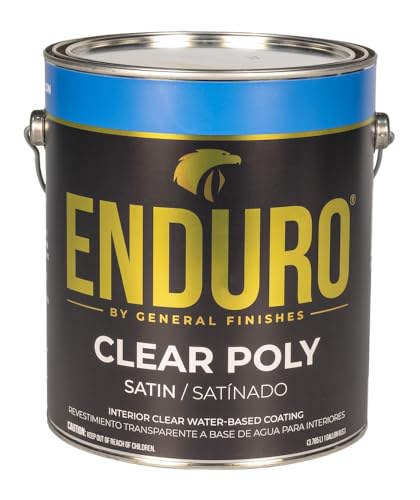
Best Fire-Safe Rag Disposal Can
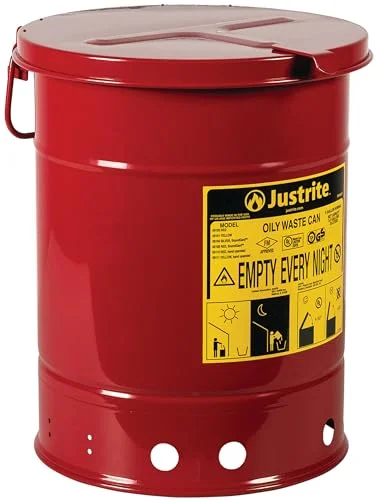 |
Justrite 6 Gallon Galvanized Steel Oily Waste Can – $83.27 A UL-listed metal can with a foot-pedal, self-closing lid built specifically for solvent- and oil-soaked shop rags – the exact fire hazard this article covers.
|
The Fire Hazard Most Disposal Guides Leave Out: Spontaneous Combustion
This is the single most important safety fact on this page, so it goes first, not buried at the bottom: a rag soaked in mineral spirits, linseed oil, tung oil, or any oil-based finish can catch fire on its own, with no flame or spark anywhere near it. This isn’t exaggerated internet caution – it’s a real, recurring cause of shop and house fires, and fire departments and safety organizations treat it as a serious hazard, not a myth.
Here’s the actual mechanism. As the solvent or drying oil on the rag oxidizes (reacts with air), it releases heat – slowly, at first. If the rag is balled up, folded, or piled with other rags, that heat has nowhere to escape. It builds instead of dissipating, and once it climbs high enough, the rag ignites entirely on its own. A single rag laid out flat almost never does this, because the heat escapes into open air as fast as it’s produced. A pile or a stuffed trash can traps it.
This is exactly why “toss the rag in a bag and put it in the trash” – advice you’ll see repeated on plenty of sites – is the wrong move. A sealed trash bag full of oily rags is close to ideal conditions for this to happen: multiple rags in contact, no airflow, no way for the heat to escape.
How to Actually Handle Oily Rags
Pick one of these three methods – never just ball them up in a pile or a closed bin:
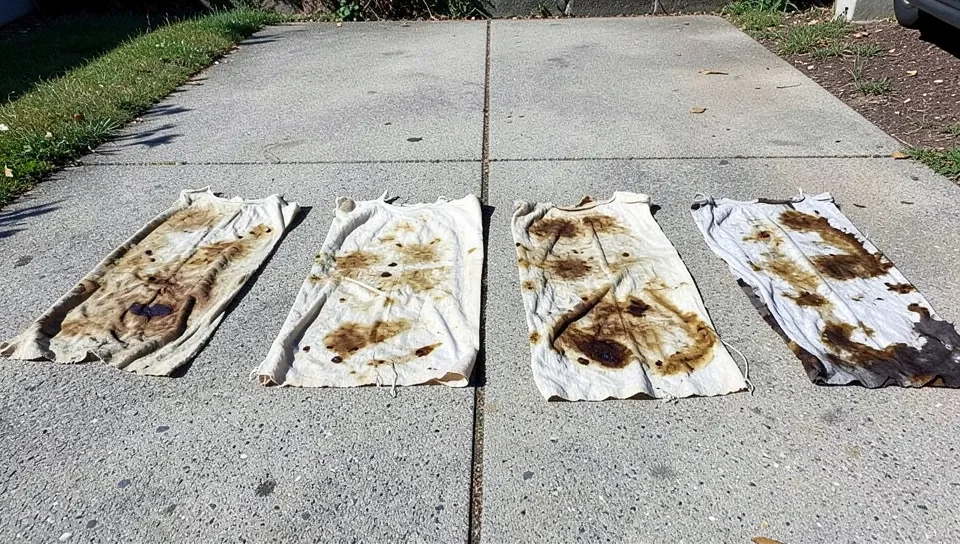
- Lay them flat and separated. Spread each rag out by itself outdoors, away from anything flammable, with space between rags so they don’t touch. Weigh down the corners so wind doesn’t pile them back together. Left flat like this, the heat from oxidation escapes as fast as it forms, so it never builds to ignition temperature. Once a rag is fully dry and stiff, the risk is gone and it can go in the regular trash.
- Submerge them in a sealed metal container of water. A metal can (paint can, coffee can) filled with water keeps oxygen away from the solvent entirely, so oxidation can’t happen. Keep the lid on and the water level covering the rags.
- Use a UL-listed oily waste can like the one above. The self-closing lid limits oxygen inside, and if a rag does start to smolder, it’s contained in a metal can instead of open air or a plastic bin that can melt and spread the fire.
For the complete rag-specific walkthrough – including how long drying actually takes and when it’s safe to bag dried rags for trash pickup – see our full guide on how to dispose of oily rags. This article focuses on the leftover liquid itself, below.
Disposing of Small Leftover Amounts (Less Than a Cup)
If you’ve only got a small amount of used mineral spirits left in the bottom of a can – less than a cup or so – you don’t need a special trip anywhere. Here’s the standard method:
- Pour the leftover solvent into a disposable container along with plain, unscented clay cat litter, sawdust, or mulch – enough to fully absorb the liquid.
- Stir it until the litter or sawdust has soaked up all the visible liquid.
- Set the container outside, away from the house and anything flammable, with the lid off (or loosely on) so the remaining solvent can evaporate. Give it several hours to overnight.
- Once it’s fully dry with no solvent smell left, it can go in with your regular household trash, sealed in a bag.
Never pour mineral spirits – used or unused – down a drain, into a storm sewer, or onto the ground. It’s a petroleum product and doesn’t break down the way water-based liquids do; it contaminates soil and groundwater and can pass straight through a septic system.
Disposing of Larger Quantities
If you’re dealing with more than a cup or so – say you’re cleaning out a garage or finishing up a big refinishing job – the absorb-and-evaporate method isn’t the right call. Larger volumes need to go to a household hazardous waste (HHW) facility. Most counties and cities run one, often with scheduled drop-off days rather than being open year-round, so check your local government’s website or call ahead before you drive over.
Keep the solvent in its original container (or another sealed, labeled one) until drop-off – don’t try to combine it with other chemicals in your garage first. Local rules do vary by municipality, so treat “check your local hazardous waste facility” as the actual answer here rather than a universal quantity or rule; some areas also allow small quantities through curbside hazardous waste pickup or paint-store take-back programs.
What Not to Do
- Don’t pour it down the drain, toilet, or onto the ground. It’s a hazardous waste, not a liquid your local water treatment system is built to handle.
- Don’t ball up or pile oily/solvent rags in a bin or bag. This is the actual spontaneous combustion setup described above.
- Don’t rely on a “neutralizing” reaction with vinegar or baking soda. It doesn’t chemically happen – you’re just adding more liquid to deal with.
- Don’t burn it. Mineral spirits vapor is flammable and burning it releases contaminants into the air; it’s not a legal disposal method in most areas.
- Don’t store large amounts indefinitely “just in case.” If you’re holding onto a can wondering whether it’s still good, see do mineral spirits go bad for how long a sealed container actually stays usable before it’s worth using up or disposing of.
Frequently Asked Questions
Can you actually neutralize mineral spirits with vinegar or baking soda?
No. Mineral spirits is a petroleum-based solvent, not an acid or base, so vinegar and baking soda don’t chemically react with or neutralize it. The correct approach is absorbing and evaporating small amounts, or taking larger amounts to a hazardous waste facility.
Why are mineral spirits rags a fire risk?
As the solvent on the rag oxidizes, it generates heat. A single rag spread flat loses that heat to the air, but rags balled up or piled together trap the heat, which can build until the pile ignites on its own with no outside flame or spark needed.
Can I pour leftover mineral spirits down the drain?
No. Mineral spirits is a hazardous waste and doesn’t break down in a septic system or municipal water treatment process. Pouring it down a drain or onto the ground contaminates soil and groundwater and is illegal in most areas.
How should I dry out oily rags safely?
Lay each rag flat and separated outdoors, away from anything flammable, until it’s fully dry and stiff, or submerge rags in a sealed metal container of water. Never pile or bag them while still wet with solvent or oil – that’s what creates a spontaneous combustion risk.
Conclusion
There’s no vinegar or baking-soda trick that actually neutralizes mineral spirits – the real process is absorbing and evaporating small leftover amounts, or taking larger quantities to a hazardous waste facility. The part that actually causes damage when it’s done wrong isn’t the leftover liquid, though – it’s the rags. Lay them out flat and separated, or use a sealed metal can, and you remove the spontaneous combustion risk entirely.
Sponsored / affiliate links. As an Amazon Associate I earn from qualifying purchases. I may earn additional commission from eligible campaigns.