Remove Black Stains From Hardwood Floors: Surface vs. Deep Fix
Most black spots on hardwood are one of two very different problems: surface grime or dye transfer, which lifts with a baking soda paste or a pH-neutral hardwood cleaner, or a true iron-tannate stain — a chemical reaction between wood tannins and iron (from water, metal, or old nails) that has bonded into the wood fibers and won’t come out with surface cleaning at all. Telling the two apart before you start is what saves an afternoon of scrubbing that was never going to work.
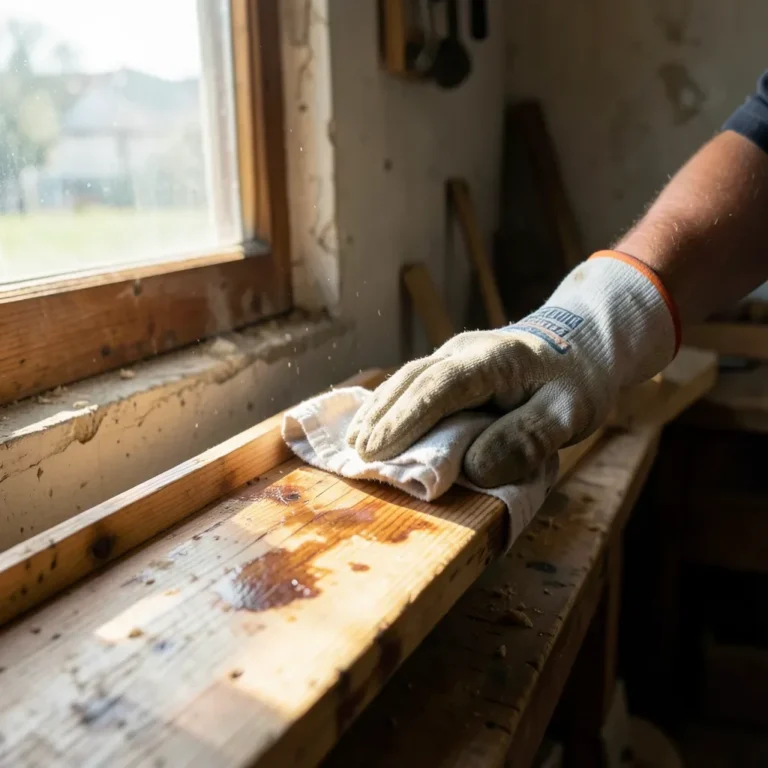
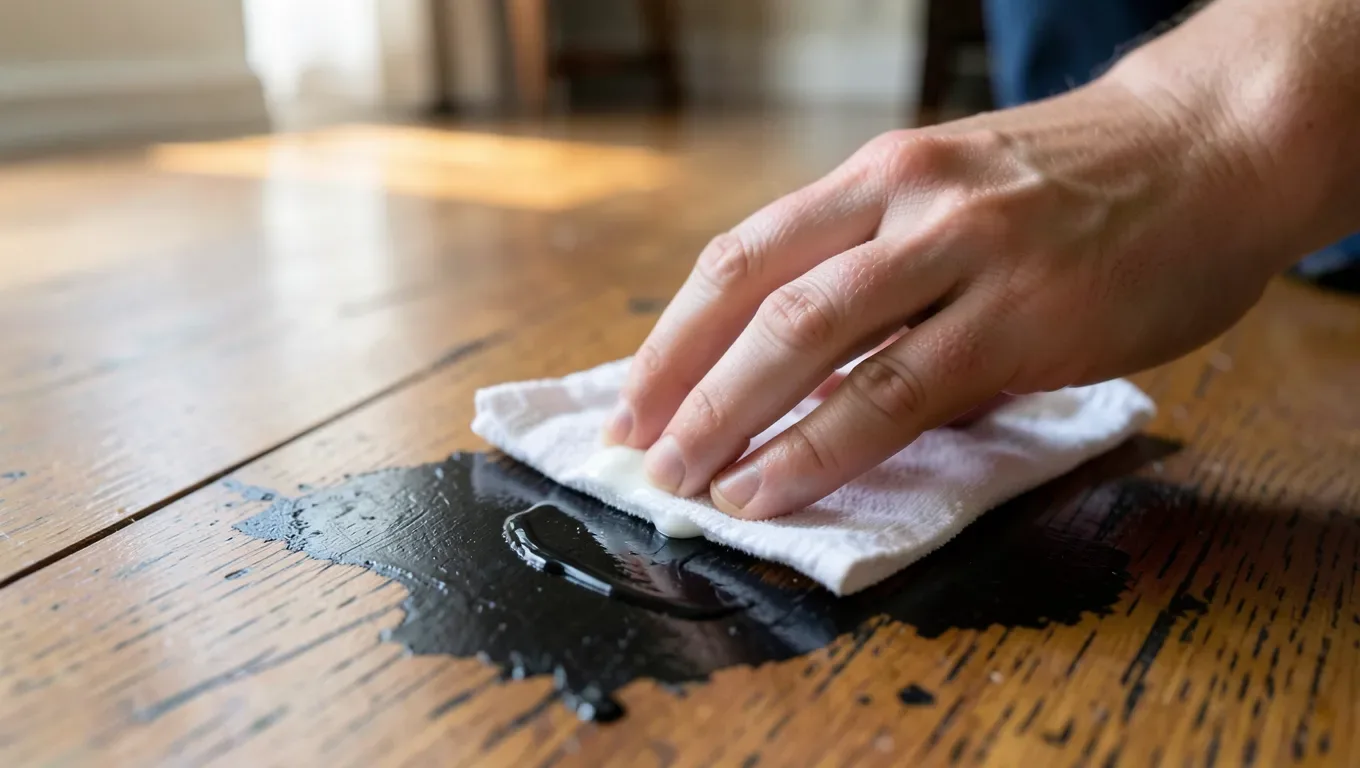
The fastest diagnostic: dampen a white cloth with plain water and rub the stain gently. If color transfers to the cloth or the mark visibly lightens within a minute, you’re dealing with surface grime, dye, or mold — a cleaning-based method below will handle it. If nothing transfers and the black looks the same wet or dry, the stain has penetrated into the wood itself, and you’ll need the sanding-and-oxalic-acid approach further down, not another round of scrubbing.
Why It Turns Black in the First Place
Best pH-Neutral Cleaner for Surface Stains
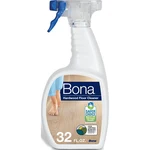 |
Bona Hardwood Floor Cleaner Spray, 32 fl oz – $8.97 Formulated pH-neutral so it lifts surface grime without stripping or dulling a polyurethane finish.
|
Wood contains tannic acid naturally (oak is especially high in it). When iron comes into contact with damp wood — a wet metal plant stand, a rusting nail head, old staples, even minerals dissolved in tap water used to mop — the iron reacts with the tannins to form iron tannate, which is essentially the same black compound used historically to make iron gall ink. That’s why the stain looks jet black and uniform rather than brown like ordinary water damage: it’s a genuine chemical compound formed inside the wood, not just discoloration sitting on top of it. Pet urine causes a similar effect because it’s acidic and drives the reaction faster, which is why urine stains blacken so quickly compared to a slow plant-pot leak.
For Surface Stains: Baking Soda or a Hardwood-Safe Cleaner
Mix baking soda with a little water into a thick paste, spread it over the mark, and let it sit 10-15 minutes — baking soda is mildly abrasive and alkaline, which helps lift grime and mild discoloration without scratching a finish. Wipe with a barely damp cloth moving with the grain, then dry the spot completely and immediately; leaving any moisture behind defeats the purpose. If baking soda doesn’t fully clear it after two attempts, move to a dedicated pH-neutral hardwood cleaner rather than repeating the same step — an all-purpose cleaner or diluted vinegar can work in a pinch but carries real risk of dulling or softening a polyurethane finish with repeated use, so treat both as a last resort, not a first choice.
For True Iron-Tannate Stains: Sanding + Oxalic Acid
If your diagnostic test showed the stain living inside the wood, no amount of surface cleaning will touch it — the fix has to reach the wood fibers themselves. Oxalic acid (sold as wood bleach crystals) chemically breaks down the iron tannate compound, the same reaction in reverse. The realistic process:
- Sand the finish off the stained area down to bare wood — oxalic acid can’t penetrate through polyurethane, so this step isn’t optional.
- Mix oxalic acid crystals with warm water per the product’s ratio, in a well-ventilated area with gloves and eye protection; it’s a genuine chemical burn hazard undiluted.
- Apply to the stain and let it react — you’ll typically see the black visibly lighten over several minutes to an hour, sometimes needing a second application for a deep stain.
- Neutralize with a baking soda and water solution, then rinse thoroughly and let the wood dry completely (often 24+ hours) before doing anything else.
- Sand smooth and refinish to match the surrounding floor — this is the step that makes oxalic acid a bigger commitment than a cleaning method, since you’re now redoing the finish on that section.
If the stain covers a large area, sits on a floor with sentimental or resale value, or you’re not confident matching a spot-refinish to the surrounding sheen, this is a reasonable point to call in a professional refinisher rather than risk a visibly patchy result.
What Doesn’t Belong on This List: Bleach
Household chlorine bleach is not a substitute for oxalic acid on wood. It doesn’t target the iron-tannate reaction the way oxalic acid does, and it’s far more likely to strip natural color unevenly, damage the finish, and leave the wood looking blotchy rather than restored. If a method calls for bleach, it means oxalic acid wood bleach specifically, not the laundry bottle under the sink.
Preventing the Next One
- Wipe up spills and pet accidents immediately rather than letting moisture sit on the wood.
- Use a saucer or waterproof tray under any potted plant, and never let a metal planter base sit directly on damp wood.
- Keep indoor humidity reasonably stable; large swings encourage both moisture absorption and wood movement.
- Mop with a pH-neutral hardwood cleaner rather than tap water alone, since dissolved minerals (including trace iron) in hard water can contribute to staining over repeated exposure.
Frequently Asked Questions
How do I know if a black stain is on the surface or inside the wood?
Rub the stain with a damp white cloth. If color transfers to the cloth or the mark visibly lightens, it’s surface-level grime or dye that a hardwood cleaner will handle. If nothing changes, the stain has penetrated the wood fibers as an iron-tannate reaction and needs sanding plus oxalic acid instead.
Can I use bleach to remove black stains from hardwood floors?
Regular household bleach is not effective on the actual chemistry of an iron-tannate stain and risks stripping the finish or discoloring the wood unevenly. Use oxalic acid wood bleach specifically, which is formulated to reverse the iron-tannin reaction that causes the black color.
What actually causes black stains on hardwood floors?
Most deep black stains form when iron (from water, metal objects, or old fasteners) reacts with natural tannins in the wood, creating iron tannate — the same chemistry behind traditional iron gall ink. Pet urine accelerates this reaction because of its acidity, which is why urine stains often blacken quickly.
Can you sand out black stains from hardwood floors?
Yes, and for a true iron-tannate stain, sanding to expose bare wood is required before oxalic acid can work. After treatment, the area needs refinishing to match the surrounding floor, which is why deep stains are a bigger project than a surface cleaning fix.
Conclusion
The damp-cloth test in the first section is the step most guides skip, and it’s the one that tells you which of two very different jobs you’re actually facing. Surface grime lifts with baking soda or a hardwood-safe cleaner in minutes. A real iron-tannate stain needs sanding and oxalic acid, followed by a spot refinish — more work, but the only method that actually reverses the chemical reaction causing the color.
Sponsored / affiliate links. As an Amazon Associate I earn from qualifying purchases. I may earn additional commission from eligible campaigns.