Remove Glue from Hardwood Floor: Easy and Effective Solutions
Have you ever faced the frustration of sticky glue stuck on your beautiful hardwood floor? It’s annoying, right?
That stubborn glue not only looks bad but can also damage your floor if you don’t handle it carefully. But don’t worry—removing glue from hardwood floors is easier than you think. You’ll learn simple, safe, and effective ways to get rid of that glue without ruining your floor’s finish.
Keep reading, and you’ll soon have your hardwood looking spotless again!
Identify The Glue Type
Identifying the glue type on your hardwood floor is the first step to remove it safely. Different glues need different removal methods. Using the wrong method can damage the wood surface. Knowing the glue type helps you choose the right product and technique. This prevents extra work and keeps your floor looking good.
Some glues are water-based and easy to soften. Others are strong and need special solvents. Some glues dry clear, while others stay sticky or hard. Taking time to identify the glue type saves effort and protects your floor.
Common Glue Types On Hardwood
White glue, also called PVA glue, is common in hardwood floors. It is water-based and easy to remove with warm water. Construction adhesive is thicker and stronger. It needs stronger solvents to break down. Polyurethane glue is very tough and waterproof. It often requires special chemical removers. Contact cement dries fast and is hard to remove. It can leave a sticky residue behind. Knowing these common types helps you pick the right tools.
Testing Glue For Removal Approach
Test a small glue spot before full removal. Apply a bit of warm water or solvent on the glue. Check if it softens or dissolves in a few minutes. If it does, you can use that method for the entire area. If not, try a stronger solvent or different approach. Always test in an unseen spot to avoid damage. This step saves time and prevents mistakes.
Prepare The Work Area
Preparing the work area is a key step before removing glue from hardwood floors. It helps make the process safer and easier. Taking time to set up properly protects your floor and nearby items. This step also keeps your workspace clean and organized.
Gathering Tools And Materials
Start by collecting all needed tools and materials. You will need a putty knife, adhesive remover, clean cloths, and gloves. Have a bucket of warm water and mild soap ready. A scraper and a soft brush may also help. Getting everything ready avoids interruptions during work.
Protecting Surrounding Surfaces
Cover nearby furniture and walls with plastic sheets or old towels. This prevents damage from adhesive remover or glue scraps. Use painter’s tape to secure covers in place. Make sure vents and air conditioners do not blow dust around. Keep pets and children away to avoid accidents and mess.
Use Heat To Soften Glue
Using heat is an effective way to remove glue from hardwood floors. Heat softens the glue, making it easier to lift off. This method reduces the risk of scratching or damaging the wood.
Applying controlled heat helps loosen the adhesive bond. This allows gentle scraping without harsh chemicals. It works well on stubborn glue spots.
Applying A Hair Dryer Or Heat Gun
Use a hair dryer or heat gun to warm the glue. Hold the device a few inches above the glue area. Move it slowly in small circles for even heat.
Keep the heat source moving to avoid burning the floor. After about one to two minutes, test if the glue is soft. If it feels sticky and pliable, it is ready for removal.
Scraping With Care
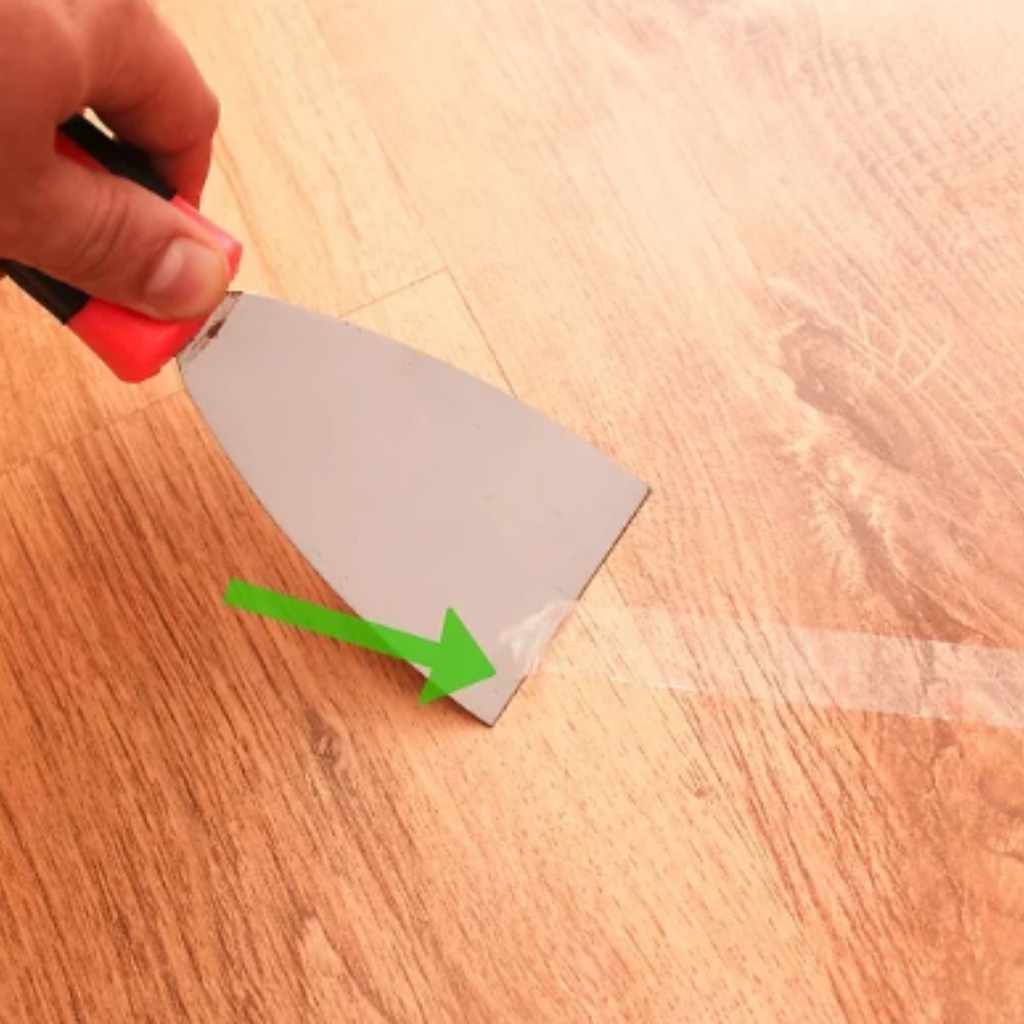
Use a plastic scraper or putty knife to lift softened glue. Avoid metal tools that can scratch the wood. Gently push under the glue and lift it off.
Work slowly and carefully to protect the finish. Remove small sections at a time for better control. Repeat heating and scraping if glue remains stubborn.
Apply Solvents Safely
Applying solvents to remove glue from hardwood floors requires care. Solvents can damage wood if used incorrectly. Safety protects your floor and your health. Use the right product and method for the best results.
Choosing The Right Solvent
Select a solvent made for hardwood floors. Avoid harsh chemicals like acetone or paint thinner. These can strip the finish or discolor the wood. Mild options include rubbing alcohol or a mixture of vinegar and water. Check product labels to ensure they are safe for wood. Always pick a solvent that matches the glue type you want to remove.
Testing Solvent On Hidden Spots
Test solvents on a small, hidden floor area first. This step prevents visible damage or stains. Apply a little solvent with a cloth and wait a few minutes. Look for changes in color or texture. No change means the solvent is safe to use. If damage appears, try a gentler product or consult a professional.
Try Natural Solutions
Removing glue from hardwood floors can be tricky. Harsh chemicals might damage the wood. Natural solutions offer a gentle and effective way to clean glue. They are safe for your floor and easy to use. Try these simple remedies before buying expensive products.
Using Vinegar And Warm Water
Mix equal parts of vinegar and warm water in a bowl. Dip a soft cloth into the mixture. Wring out the cloth so it is damp, not wet. Gently rub the glue spot in small circles. Let it sit for a few minutes. The vinegar helps break down the glue without harming the wood. Wipe the area with a clean, dry cloth. Repeat if needed until the glue softens and comes off easily.
Olive Oil And Baking Soda Paste
Combine two tablespoons of olive oil with one tablespoon of baking soda. Stir to make a thick paste. Apply the paste directly on the glue spot. Let it sit for 10 to 15 minutes. The olive oil softens the glue, while baking soda adds gentle scrubbing power. Use a soft cloth to rub the paste in circular motions. Wipe away the paste with a damp cloth. Dry the floor with a clean towel to finish.
Mechanical Removal Techniques
Mechanical removal techniques work well for getting glue off hardwood floors. They use physical force to lift and scrape the glue away. These methods are simple and do not need special chemicals. They help protect the floor’s finish while removing sticky residue.
Scraping With Plastic Or Metal Tools
Scraping is a common way to remove dried glue. Use plastic scrapers first to avoid scratching the wood. If the glue is tough, try a metal scraper carefully. Hold the scraper at a low angle to the floor. Push the glue gently without digging into the wood. Work slowly and remove small glue pieces. Check the floor often to avoid damage.
Using Sandpaper Or Buffers
Sandpaper can smooth out glue spots left after scraping. Choose fine-grit sandpaper to protect the wood surface. Rub gently in the direction of the wood grain. A buffer machine can speed up this process for large areas. Use the buffer with a fine sanding pad. Move the buffer evenly to avoid uneven spots. Sanding helps remove glue stains and restores the floor’s look.
Clean And Restore The Floor
Removing glue from a hardwood floor is just the first step. Cleaning and restoring the floor brings back its natural beauty. Dirt and sticky residue can dull the shine. Proper cleaning clears the surface for a fresh look. Restoration helps protect the wood and makes it last longer.
Wiping Residue Effectively
Start by using a damp cloth to wipe off any glue bits. Use warm water mixed with a little mild soap. Avoid soaking the floor. Too much water can damage wood. Gently rub the area in small circles. Change cloths often to avoid spreading glue around. For stubborn spots, try a soft scraper or a sponge. Make sure to dry the floor well after cleaning.
Applying Hardwood Floor Polish
Choose a polish made for hardwood floors. It adds shine and a layer of protection. Apply a small amount on a clean, soft cloth. Work in thin, even layers along the wood grain. Let the polish dry fully before walking on the floor. Regular polishing keeps floors looking new. It also helps hide minor scratches and marks.
Prevent Future Glue Spills
Preventing glue spills on hardwood floors saves time and effort. Glue stains can damage the finish and are hard to remove. Taking simple steps helps keep your floors clean and beautiful. Protect your investment with careful work and good habits.
Tips For Working With Adhesives
Use small amounts of glue at a time. Apply glue slowly and with care. Keep a damp cloth nearby for quick cleanup. Avoid spreading glue near floor edges. Work in sections to control spills better. Always read the glue instructions before starting.
Protective Floor Coverings
Cover floors with plastic sheets or drop cloths. Use painter’s tape to secure coverings in place. Protect areas around your workspace to catch drips. Consider using cardboard or old newspapers for extra layers. Remove coverings carefully to avoid spreading glue. This simple step prevents many accidents.
Frequently Asked Questions
How Do I Safely Remove Glue From Hardwood Floors?
Use a plastic scraper to gently lift glue without scratching. Apply warm soapy water or a hardwood-safe adhesive remover. Avoid harsh chemicals that damage the finish. Always test a small area first to ensure safety.
What Household Items Remove Glue From Hardwood Floors?
White vinegar, baking soda, and warm soapy water work well. Apply vinegar with a cloth, let sit, then scrub gently. Baking soda paste can help loosen glue when rubbed carefully. Avoid abrasive tools that scratch wood.
Can Heat Help Remove Glue From Hardwood Floors?
Yes, use a hairdryer to soften glue for easier removal. Hold it a few inches away and heat the glue gently. Then, scrape with a plastic tool. Be careful not to overheat or damage the floor finish.
How To Prevent Damage When Removing Glue From Hardwood?
Always use gentle tools like plastic scrapers or soft cloths. Avoid metal scrapers and harsh chemicals. Test any remover on a hidden spot first. Work slowly and carefully to protect the wood finish.
Conclusion
Removing glue from hardwood floors takes patience and care. Use gentle tools and safe cleaners to protect the wood. Test any product on a small area first. Work slowly to avoid damaging the floor’s finish. Clean the area well after removing the glue.
Regular maintenance keeps hardwood floors looking their best. Small efforts lead to great results. Keep your floors smooth and beautiful for years.