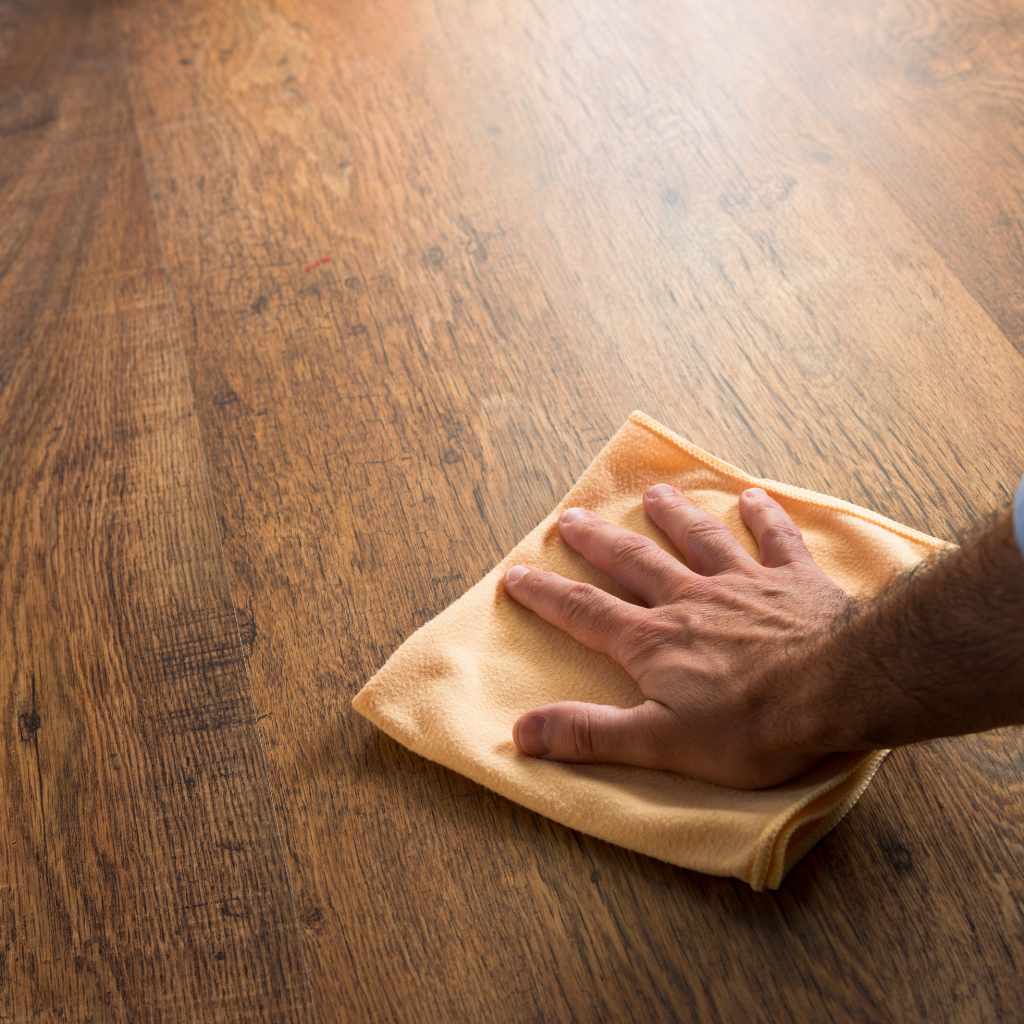
Repair Chip in Hardwood Floor: Easy Fixes for a Flawless Look
Have you just noticed a chip in your beautiful hardwood floor? It’s frustrating to see that perfect surface marred by a small but obvious flaw.
The good news is, fixing that chip doesn’t have to be expensive or complicated. Imagine restoring your floor to its original charm with simple steps you can do yourself. You’ll discover easy, effective ways to repair a chip in your hardwood floor and bring back that smooth, flawless look you love.
Keep reading—you’re closer than you think to having your floor looking like new again.
Identify The Chip Type
Identifying the type of chip in your hardwood floor is the first step in repair. Knowing the kind of damage helps choose the right fix. Some chips are easy to repair. Others need more work. Careful inspection will guide you to the best solution.
Take time to look closely at the chip. Notice how deep it goes and how it affects the wood. This understanding saves time and effort later.
Surface Scratches Vs Deep Chips
Surface scratches are light marks on the finish. They do not reach the wood below. These scratches usually look like thin lines or scuffs. Deep chips cut into the wood itself. They create small holes or missing pieces. Deep chips are more visible and need stronger repairs.
Assessing Damage Extent
Check the size of the chip. Small chips might only need filler or touch-up. Large chips may require sanding or replacing a plank. Look for cracks or splinters around the chip. Damage spreading to nearby wood means more work. Assessing the full damage avoids future problems.
Gather Essential Tools
Repairing a chip in your hardwood floor needs the right tools. Without them, the job becomes harder and results may not look good. Gather everything before you start. It saves time and makes the process smooth.
Having the essential tools also helps you fix the chip properly. This way, the repair will last longer and blend with the floor well.
Recommended Repair Kits
Wood filler kits work best for small chips. They include colored putty that matches your floor. Some kits come with a spatula and sanding paper. These tools help you apply and smooth the filler easily. Choose kits made for hardwood floors. They stick well and dry fast.
Additional Supplies Needed
Besides repair kits, you need a few extra tools. A clean cloth helps wipe dust and dirt. Fine sandpaper smooths the repaired area. A putty knife or small scraper spreads the filler evenly. Some repairs need wood stain to match floor color. Gloves protect your hands during work. Keep a small brush ready for applying stain or finish.
Prepare The Damaged Area
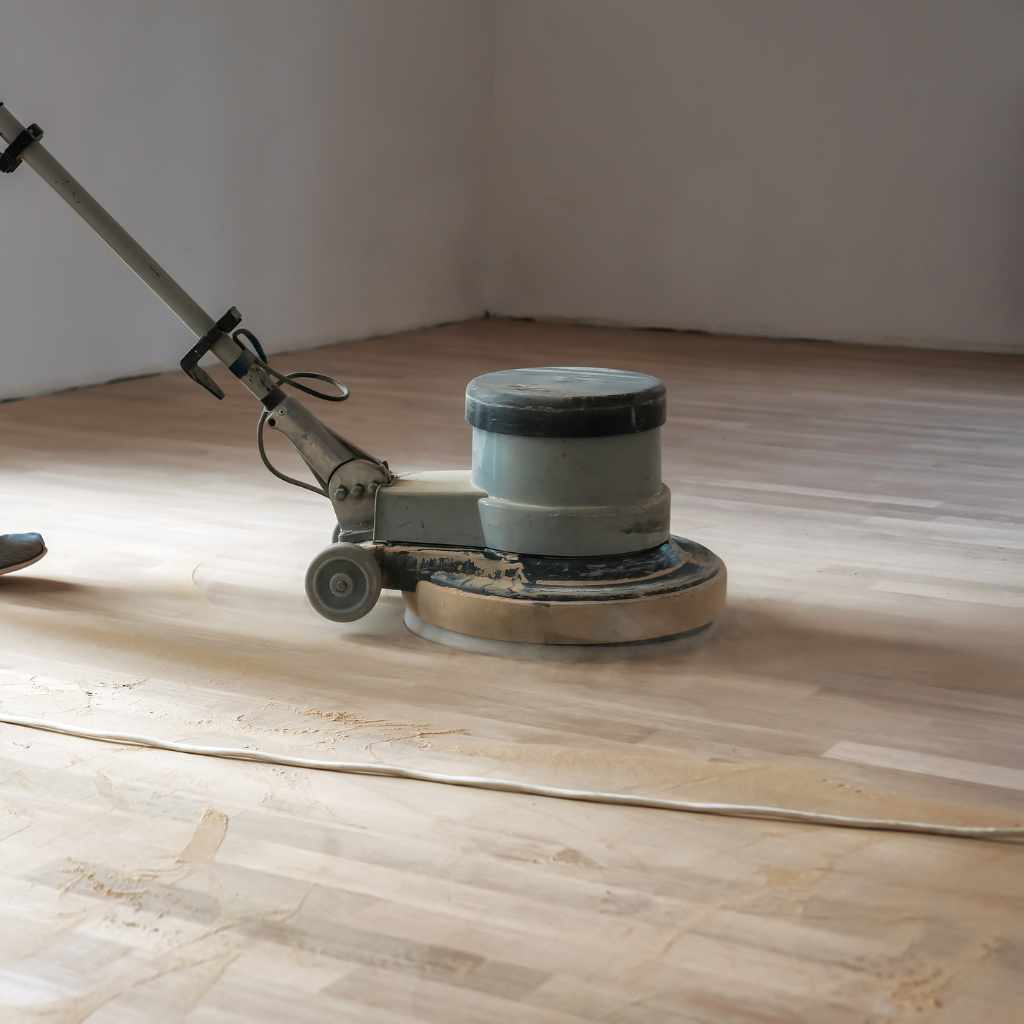
Preparing the damaged area is the first step to fix a chip in a hardwood floor. This step helps the repair material stick better and last longer. A clean, smooth surface makes the repair look neat and blend well with the floor. Take time to prepare the area carefully.
Cleaning And Sanding
Start by cleaning the damaged spot gently. Use a soft cloth and mild cleaner to remove dirt and dust. Avoid soaking the wood with water. After cleaning, let the area dry completely.
Next, lightly sand the chip edges with fine sandpaper. Sanding smooths rough edges and helps the repair fill in better. Move the sandpaper in small circles. Be gentle to avoid making the damage worse.
Removing Loose Debris
Check the chip for loose wood pieces. Use a small brush or vacuum to remove all debris. Loose bits can stop the repair from sticking properly. Make sure the area is clean and free of dust before moving on.
Apply Wood Filler
Applying wood filler is a key step in repairing chips in hardwood floors. It fills gaps and restores a smooth surface. This step helps your floor look even and well-maintained. Proper application ensures the repair lasts longer and blends well with the wood.
Choosing The Right Filler
Select a wood filler that matches your floor color. Some fillers come pre-tinted, while others require staining after drying. Choose between water-based or solvent-based fillers based on your floor type. Water-based fillers dry quickly and clean up easily. Solvent-based fillers are more durable but need careful handling. Check if the filler can be sanded and stained for best results.
Techniques For Smooth Application
Start by cleaning the chipped area from dust and debris. Use a putty knife to apply the filler gently into the chip. Press firmly to remove air pockets and ensure full coverage. Smooth the surface with the knife, removing extra filler. Let it dry completely before sanding for a seamless finish. Sand lightly with fine-grit sandpaper until smooth and flush with the floor.
Sand And Smooth The Repair
After filling the chip in your hardwood floor, sanding and smoothing the area is key. This step helps the repair blend with the rest of the floor. It also creates a flat, even surface ready for finishing. Proper sanding prevents rough spots and makes the floor look natural again.
Selecting Sandpaper Grit
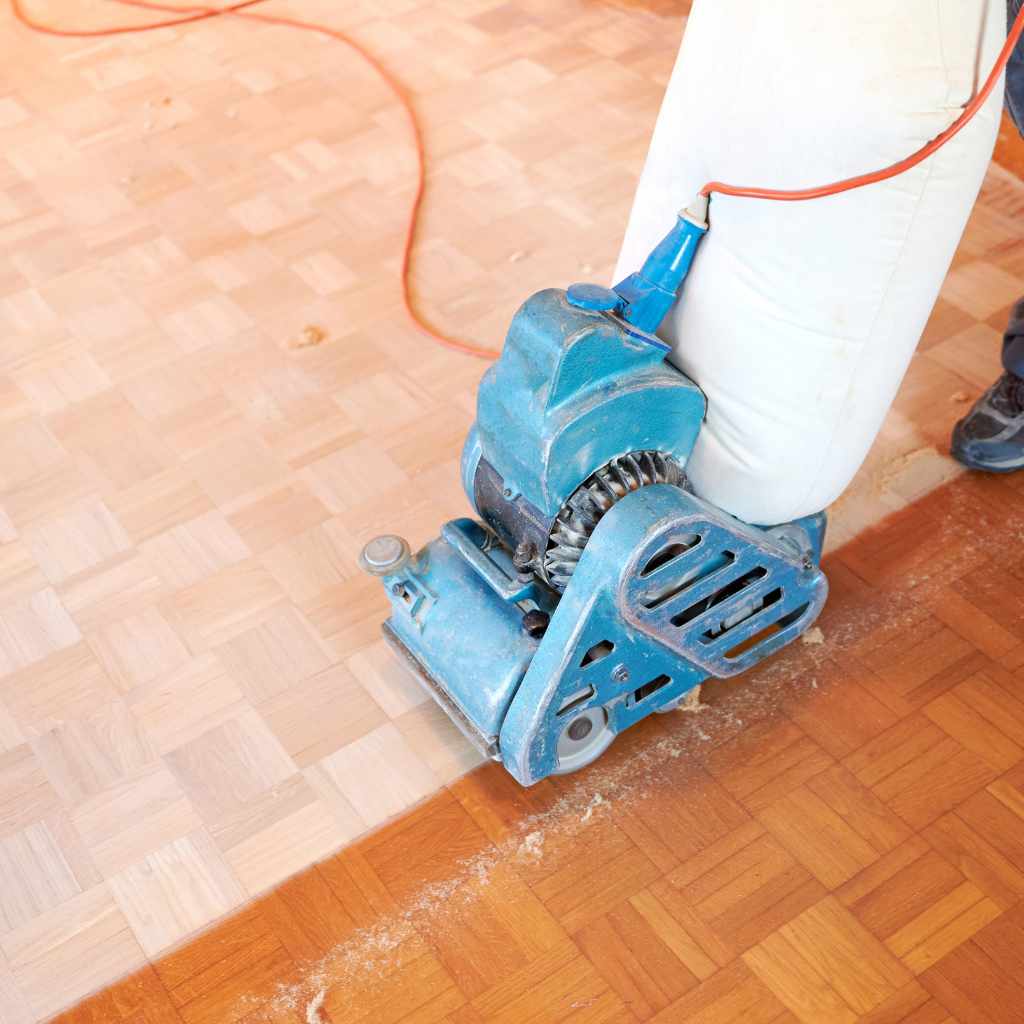
Start with medium-grit sandpaper, around 120 grit. This removes excess filler without scratching the floor. Use light pressure to avoid digging into the wood. After that, switch to finer grit, like 220. It smooths the surface and prepares it for staining or sealing.
Blending With Surrounding Floor
Sanding only the repair area can cause visible edges. Gently extend sanding a few inches beyond the repair. This helps blend the new surface with the old. Sand in the direction of the wood grain for a natural look. Check your work by running your hand over the floor. It should feel smooth and even all around.
Match And Apply Stain
Matching and applying stain is key to fixing chips in hardwood floors. The right color makes repairs blend naturally. A poor match can make damage stand out. Staining restores wood’s beauty and protects it from wear. Careful steps ensure the repair looks like the rest of the floor.
Color Matching Tips
Start by cleaning the chipped area. Dirt can affect the stain’s look. Test stains on a hidden spot first. This helps find the closest color match. Use small amounts of stain to adjust shade. Mix colors if needed for a perfect tone. Let the test dry fully for true color. Natural light shows the stain’s real shade best.
Staining Methods
Apply stain with a small brush or cloth. Work gently to avoid spreading outside the chip. Dab the stain, then wipe off excess carefully. Multiple thin coats build depth without blotches. Allow each layer to dry before adding more. Use a soft cloth to blend edges smoothly. Finish with a clear sealant to protect the area. This keeps the repair safe and lasting.
Seal And Protect The Floor
Sealing and protecting your hardwood floor is key to keeping it strong and looking good. After fixing a chip, a good seal stops water, dirt, and damage from reaching the wood. It also makes the floor easier to clean and last longer. Choosing the right finish and applying it well helps the floor stay beautiful and tough.
Choosing A Finish
Pick a finish that suits your floor’s use and look. Polyurethane is popular for its strong protection and shine. Oil-based finishes are tough but take longer to dry. Water-based finishes dry fast and have less smell. Consider the room’s traffic and style when choosing.
Application Tips For Durability
Apply the finish in thin, even coats. Use a good brush or applicator to avoid bubbles. Let each coat dry fully before adding the next. Lightly sand between coats for a smooth surface. Avoid heavy foot traffic until the finish cures well.
Prevent Future Damage
Preventing future damage to your hardwood floor is important after repairing chips. Taking simple steps can keep your floor looking beautiful longer. Small actions help avoid costly repairs and maintain the wood’s strength.
Maintenance Tips
Clean your hardwood floor regularly. Use a soft broom or vacuum without a beater bar. Wipe spills immediately to stop water damage. Avoid harsh chemicals and use wood-safe cleaners only. Keep pets’ nails trimmed to prevent scratches. Use rugs in high traffic areas to reduce wear.
Using Floor Protectors
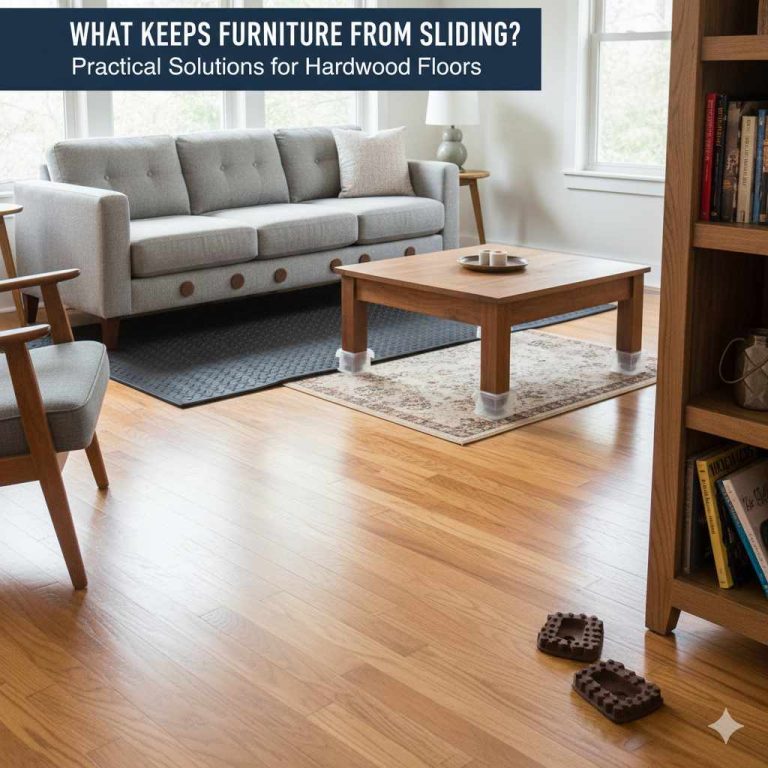
Place floor protectors under furniture legs. This stops scratches when moving furniture. Use soft pads or felt protectors for best results. Check protectors often and replace if worn out. Avoid dragging heavy items across the floor. Lift furniture to move it safely and protect the wood.
Frequently Asked Questions
How Do I Fix A Small Chip In Hardwood Flooring?
To fix a small chip, clean the area first. Use wood filler or putty matching your floor color. Apply carefully, let dry, then sand smooth. Finish with a matching stain or sealant for a seamless look.
What Tools Are Needed To Repair Hardwood Floor Chips?
You’ll need wood filler, putty knife, sandpaper, matching stain, and a clean cloth. Optionally, use a wood repair marker for touch-ups. These tools help achieve a smooth, natural repair.
Can I Repair Hardwood Floor Chips Myself?
Yes, small chips are repairable by DIY methods. Proper preparation and matching materials ensure good results. For large damage, consider professional help to avoid worsening the floor condition.
How Long Does Hardwood Floor Chip Repair Take?
Minor chip repairs usually take 30 minutes to an hour. Drying times for fillers or stain may require additional hours. Plan accordingly to avoid walking on the repaired area too soon.
Conclusion
Repairing a chip in your hardwood floor is easier than it seems. Small fixes can bring back your floor’s beauty quickly. Use the right tools and materials for the best results. Take your time and follow each step carefully. A well-done repair keeps your floor strong and looking good.
Keep an eye on any new damage to fix it early. Your hardwood floor will stay nice and last longer with proper care. Simple repairs save money and improve your home’s feel. You can enjoy a smooth, chip-free floor again.