Furniture Moving Pads for Hardwood Floors: Weight Limits Explained
Furniture moving pads use felt, rubber, or gel to cut floor friction so heavy pieces glide instead of scrape — but felt pads trap grit and can scratch hardwood if you don’t wipe them clean first. A dragged sofa leg can gouge deep enough to need $400–$1,000 in spot refinishing. This guide covers which pad material fits which furniture weight, how pads differ from sliders and grippers, and the installation mistakes that scratch floors anyway.
Quick Answer
Use felt pads (rated roughly 50–110 lbs each) for light-to-medium furniture on clean hardwood, and felt-and-rubber discs or a moving kit (rated up to 250 lbs each) for heavy pieces like sofas and dressers. Always vacuum grit off the floor and wipe pads clean before use — trapped debris, not the pad material, causes most hardwood scratches.
What’s the Difference Between Furniture Moving Pads, Sliders, and Grippers?
Best Furniture Moving Kit Pick
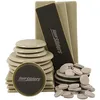
SuperSliders 52-Piece Reusable Furniture Moving Kit
A 52-piece kit mixing round and square felt sliders plus rubber grippers, sized for a full room of furniture in one move.
- Best for: moving an entire room at once (sofas, tables, chairs, dressers)
- Why we picked it: mixed sizes mean you’re not stuck buying three separate packs for different leg widths
- Main drawback: the smallest round pads are felt-only, so they still need grit wiped off between uses
Compare more furniture moving pad options
 Option 1 X-PROTECTOR 133 PCS Felt Furniture Pads
|
 Option 2 CO-Z 16-Pack 3.5″ Felt Furniture Sliders
|
 Option 3 Super Sliders XL Oval Reusable Felt Sliders (8-Pack)
|
As an Amazon Associate we earn from qualifying purchases.
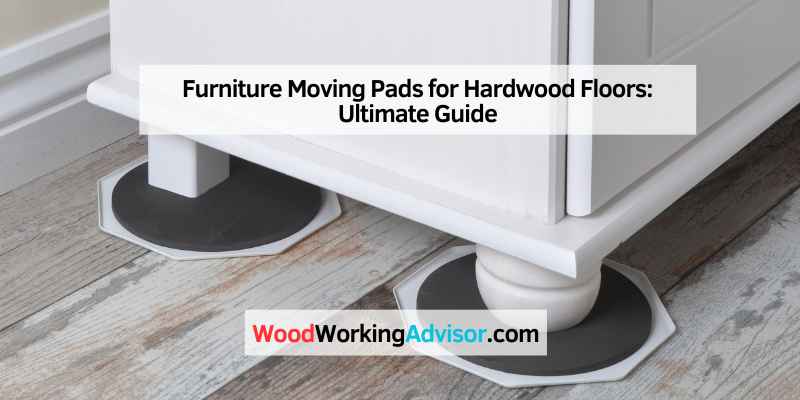
Furniture moving pads are felt, rubber, or gel discs placed under furniture legs that reduce friction so you can slide heavy items across hardwood without lifting them. Furniture sliders are a rigid or reusable version of the same idea, usually sold in project-sized kits for a single move. Furniture grippers do the opposite job: they add friction to stop furniture from creeping on smooth floors. Buying a gripper when you need a slider (or the reverse) is the single most common mistake shoppers make, since all three look similar in a store aisle. If you need furniture to stay put rather than glide, see our guide to non-slip furniture pads for wood floors.
Which Pad Material Handles the Most Weight?
Weight rating is the detail most buying guides skip, and it’s the one that determines whether a pad protects your floor or fails under it. Manufacturer ratings vary by brand, but they cluster into four rough tiers:
| Pad Material | Typical Weight Rating (per pad) | Best For | Floor Risk |
|---|---|---|---|
| Adhesive felt (thin, disposable) | ~50–110 lbs | Light chairs, end tables, lamps | Grit trapped in the fibers scratches if not cleaned regularly |
| Felt-and-rubber discs (reusable) | ~150–250 lbs | Sofas, dressers, bookcases | Low — rubber backing keeps the felt seated and centered |
| Rigid plastic sliders (moving-kit style) | 250 lbs+ per set | One-time heavy moves — appliances, pianos | Safe on sealed hardwood only; can scuff wax or oil finishes |
| Gel or foam pads | ~100–200 lbs | Uneven or tapered furniture legs | Low short-term, but the pad can flatten and lose cushioning after a year or two |
Match the tier to the furniture, not just the floor: a felt pad rated for a dining chair will compress flat under a loaded bookcase within weeks, and once it’s flat it stops protecting the floor at all.
How to Install Furniture Moving Pads Without Scratching Your Floor
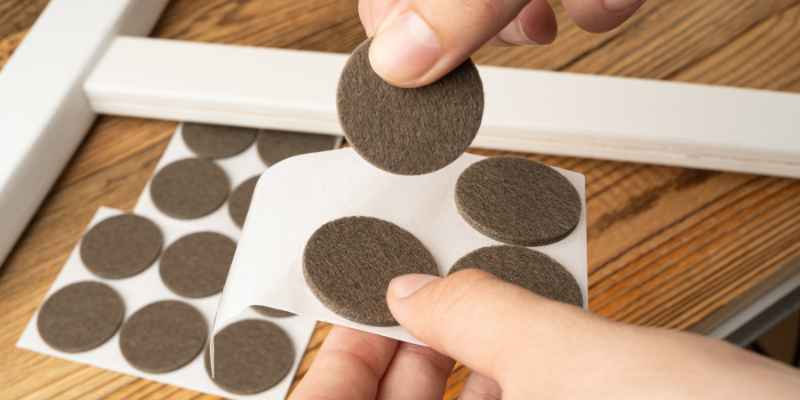
- Clean the floor and the pad: Vacuum grit from the floor and wipe each pad’s contact surface with a damp microfiber cloth — a dry rag just pushes grit deeper into the felt instead of lifting it out, which is the mistake that causes most of the fine scratch lines we see on client floors after a move.
- Measure the furniture leg: Match pad diameter to the leg or base so weight sits centered; an undersized pad concentrates pressure into one point and can dent hardwood.
- Lift, don’t drag, to seat the pad: Tilt or lift each leg to set the pad flat rather than pushing furniture onto it — dragging bunches adhesive pads and breaks their grip.
- Test with a short push first: Nudge the furniture a few inches before the full move to confirm it glides smoothly and no pad has folded or shifted under the leg.
- Re-clean pads between rooms: Debris picked up crossing a garage or entryway transfers straight onto hardwood, so wipe pads down before moving furniture onto a new surface.
Common Mistakes That Scratch Hardwood Floors Anyway
- Reusing dirty felt pads: Grit trapped in the fibers acts like fine sandpaper against the finish.
- Using rigid plastic sliders on wax or oil-finished floors: A harder plastic edge can scuff a soft finish that a felt-and-rubber pad wouldn’t touch.
- Skipping the lift-test and dragging at an angle: Angled dragging twists pads out from under the leg, exposing bare wood or metal to the floor.
- Leaving adhesive pads on for months unchecked: Flattened felt plus degraded adhesive residue means the pad has stopped cushioning long before it visibly falls off.
Furniture Sliders vs. Chair Glides vs. Anti-Slip Grippers
Not every furniture-and-floor problem calls for a moving pad. Dining and desk chairs that get pushed in and out dozens of times a day wear through flat felt pads fast — see our guide to the best chair glides for hardwood floors for screw-in and nail-in options built for that repeated motion instead. If the actual complaint is the opposite — a rug, sofa, or bookcase that keeps creeping across the room on its own — that’s a job for grippers, not sliders; our breakdown of what keeps furniture from sliding on hardwood floors covers the non-slip side of this. And if a move already left marks before you read this, how to remove scratches from hardwood floors walks through the repair options by scratch depth.
Frequently Asked Questions
How much weight can a felt furniture pad hold?
Most adhesive felt pads are rated for roughly 50 to 110 lbs each, depending on diameter and brand. Reusable felt-and-rubber discs typically handle 150 to 250 lbs each, which is why heavier furniture needs the thicker style rather than the thin adhesive kind sold for chairs.
Can felt pads scratch hardwood floors?
Yes, but it’s almost always the dirt trapped in the felt doing the scratching, not the felt itself. Grit and grinding particles caught in the fibers act like sandpaper when furniture slides over them, so wiping pads clean before each use prevents most of this damage.
How do I move heavy furniture on hardwood floors alone?
Lift each leg individually to seat a weight-rated pad under it, rather than tilting and dragging the whole piece at once. Once all legs have pads, a single person can usually slide even a loaded dresser or sofa, since the pads — not your strength — are doing the work of reducing friction.
Are rubber pads better than felt for hardwood floors?
Rubber alone grips rather than glides, so it’s better suited to keeping furniture from sliding, not moving it. Felt-and-rubber combination discs get the benefit of both: the rubber backing keeps the felt seated and centered under the leg, while the felt face does the actual gliding.
How often should I replace furniture sliders?
Check adhesive felt pads every few months and replace them once the felt looks flattened, shiny, or thin at the center — a compressed pad no longer cushions the floor. Reusable felt-and-rubber discs last years if you clean them between uses, since the rubber backing prevents the crushing that wears out thin adhesive pads.
The pad material matters less than matching its weight rating to the furniture and keeping its surface clean — a $10 pack of felt pads used dirty will scratch a floor faster than a $20 kit used correctly. Vacuum first, lift instead of drag, and re-check pads every few months, and moving pads will do their job without leaving a mark.
Sponsored / affiliate links. As an Amazon Associate I earn from qualifying purchases. I may earn additional commission from eligible campaigns.