Best Chair Glides for Hardwood Floors (Felt vs Nylon vs Rubber)
Felt screw-on glides protect hardwood floors better than plastic or bare metal chair feet — but only if the chair leg is clean first, since dirt trapped under any glide is what actually causes scratches. A chair dragged instead of lifted can leave visible scuff marks on a soft finish like oak or pine within a season. This guide compares felt, nylon, and rubber glide types, walks through installation, and names a screw-on felt pick sized for standard round chair legs.
What Are the Best Chair Glides for Hardwood Floors?
Best Chair Glide Pick
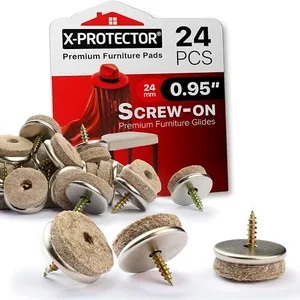 |
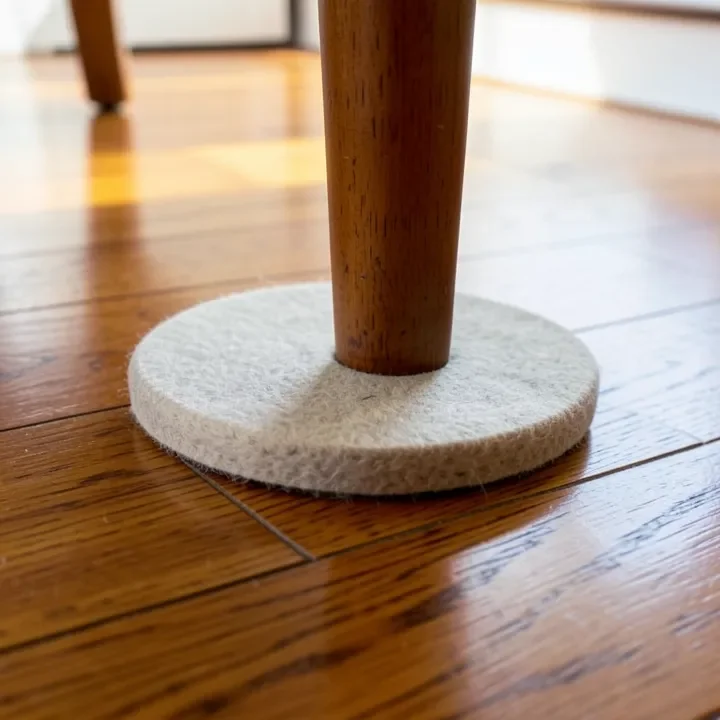
X-Protector Screw-On Felt Chair Glides (24-Pack) – $12.99 Carbon screw with a thick 1/6-inch felt base sized for standard round chair legs; the felt is soft enough for oak, maple, and engineered hardwood without trapping grit the way plastic glides do.
|
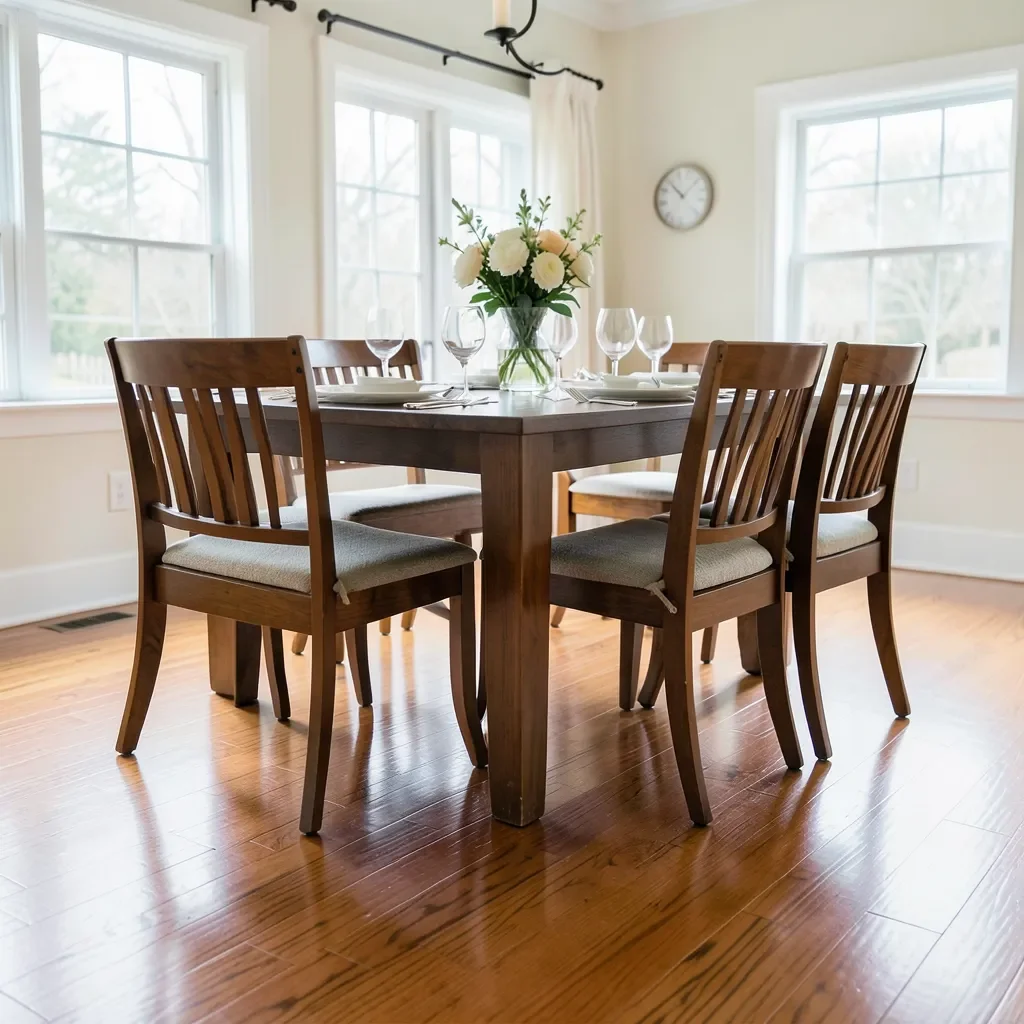
A chair glide is a small cap or pad fitted to the bottom of a chair leg that lets the chair slide instead of scrape across a floor. For hardwood specifically, felt glides are the safest all-around choice because felt is soft enough that it doesn’t abrade a wood finish even when grit gets underneath it — plastic and bare metal glides don’t have that same margin for error. Screw-on felt glides also outlast adhesive-backed felt pads, which tend to peel off after repeated chair movement.
Felt vs Nylon vs Rubber: Which Glide Material Protects Hardwood Best?
The three common glide materials perform differently on hardwood, and the right pick depends on how the chair is used, not just the floor type.
| Material | Best for | Watch out for |
|---|---|---|
| Felt | Dining and desk chairs moved daily on finished hardwood | Wears down under heavy weight; check twice a year |
| Nylon | Chairs on engineered hardwood or laminate that need a firmer glide | Trapped grit can act like sandpaper on softer wood species |
| Rubber | Heavy furniture that needs to stay put, not just slide easily | Higher-friction rubber can squeak or leave faint marks on some finishes |
Plastic or unprotected metal chair feet are the one combination to avoid on hardwood — they scratch a finish quickly once any dirt is trapped underneath, which is also why anti-slip pads that grip the floor use a soft rubber or felt face rather than a hard one.
📊 Furniture pads are one of the National Wood Flooring Association’s top listed preventive measures against wood floor scratches and dents. — Source: National Wood Flooring Association, Problem Prevention
How to Install Chair Glides Without Damaging the Chair
- Clean the leg bottom: wipe off dust and old adhesive residue so the new glide sits flush.
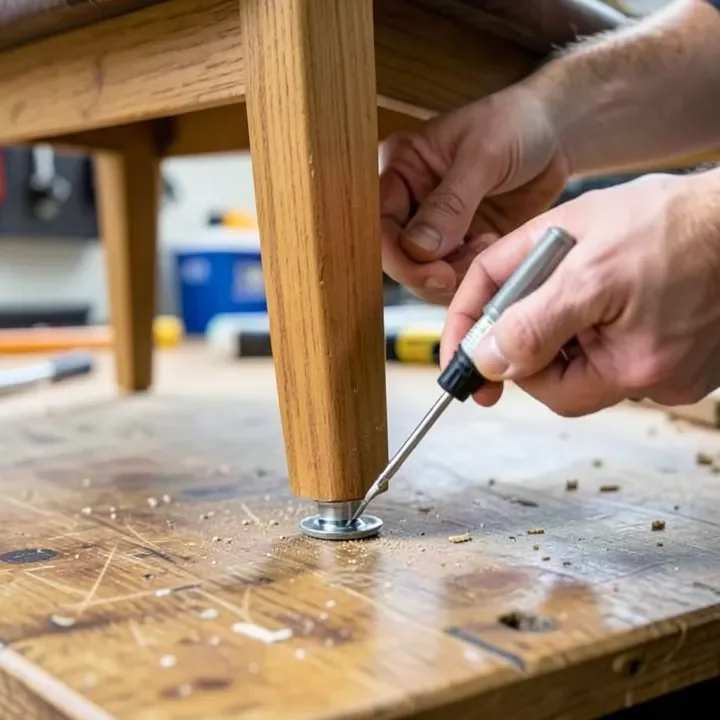
- Mark the pilot hole: for screw-on glides, center the glide on the leg and mark where the screw will go.
- Pre-drill a shallow pilot hole: use a bit slightly smaller than the screw to prevent the leg from splitting, especially on thin chair legs.
- Drive the screw by hand or on low torque: stop as soon as the glide sits flat — overtightening can crack the felt backing or strip the pilot hole.
- Test the chair on the floor: push it gently and check that it slides evenly on all four legs before loading it with weight.
“In our own dining room, the adhesive felt pads we tried first came loose within a couple of months of daily chair use — switching to screw-on felt glides on the same chairs solved the sliding problem for good.”
Maintenance and When to Replace Chair Glides
Check glides twice a year for wear, and replace any that have gone flat, cracked, or come loose — a worn glide loses the cushioning that keeps grit off the floor finish. If a chair still slides poorly after a fresh glide, the issue is usually the floor finish itself rather than the glide, since some sealants create more drag than others.
For heavier pieces like sofas or bookshelves rather than chairs, a thicker felt-and-rubber moving pad rated for more weight or a set of furniture sliders built for heavy loads is a better fit than a standard chair glide. Couches that need to stay put rather than slide are usually better served by grip-style stoppers instead.
Frequently Asked Questions
What is the best chair glide for hardwood floors?
Screw-on felt glides are the best all-around choice for hardwood floors. They stay attached far longer than adhesive-backed felt pads and are soft enough not to scratch oak, maple, or engineered hardwood even if some dust gets trapped underneath.
Do plastic chair glides scratch hardwood floors?
Yes. Plastic glides are hard enough that trapped dirt underneath acts like sandpaper against the finish. Felt or rubber glides give the floor a soft buffer that plastic can’t.
Do furniture sliders work the same way as chair glides?
They solve the same scratching problem but differently. Chair glides are fixed permanently to a leg and are meant for chairs moved often; furniture sliders are typically loose felt pads placed under legs temporarily to move heavier pieces like sofas or cabinets a short distance.
How often should chair glides be replaced?
Check glides about every six months. Replace any that have flattened, cracked, or started sliding off the leg — a worn glide no longer cushions the chair leg against the floor finish the way a new one does.
Good chair glides make everyday chair movement quieter and keep a hardwood floor’s finish free of the fine scratches that build up over years of use. Match the glide material to how the chair is actually used, install it with a clean, pre-drilled leg, and check it twice a year the same way you would check a rug pad or other floor protector for wear.
Sponsored / affiliate links. As an Amazon Associate I earn from qualifying purchases. I may earn additional commission from eligible campaigns.