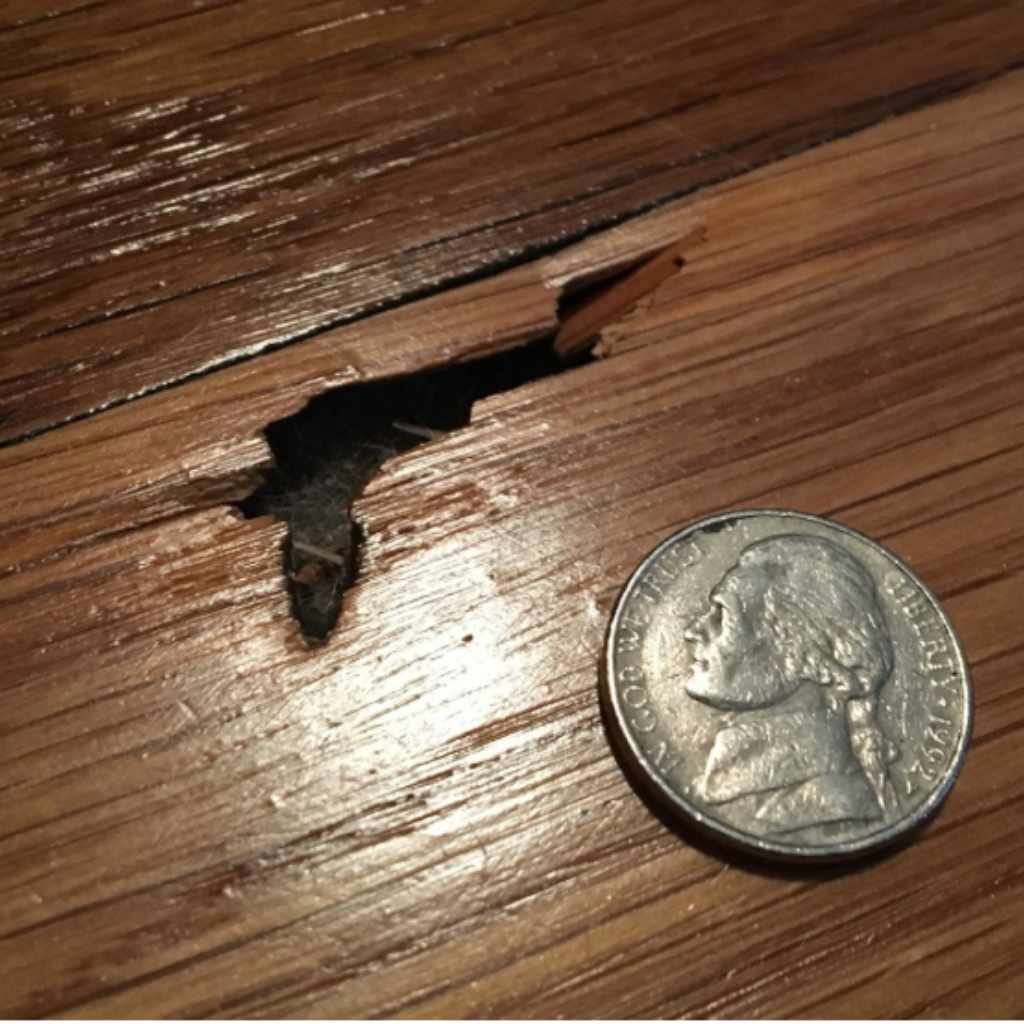
Repair Hole in Hardwood Floor: Easy DIY Fixes That Work Fast
Have you noticed a hole in your hardwood floor and wondered how to fix it without spending a fortune? A damaged floor can be frustrating and make your beautiful home look worn down.
But here’s the good news: repairing that hole is easier than you think. Whether it’s a small chip or a larger dent, you don’t need to call a professional right away. You’ll discover simple, step-by-step methods to restore your floor’s charm quickly and effectively.
Keep reading, and you’ll have your hardwood floor looking like new in no time.
Assessing The Damage
Assessing the damage is the first step in fixing a hole in your hardwood floor. This helps you understand the repair work needed. Careful inspection saves time and effort later.
Look closely at the hole and the area around it. This way, you can decide the best way to fix the floor properly.
Identifying Hole Size And Depth
Measure the hole’s width and length with a ruler or tape. Check how deep it goes into the floor. Small holes may need simple filling. Large holes might require wood patches or replacement boards.
Note the shape of the hole. Irregular edges might need trimming before repair. Clear edges make fitting a patch easier.
Checking Surrounding Floor Condition
Look at the wood near the hole. Check for cracks, splits, or loose boards. Damage may extend beyond the hole itself. Moisture or stains can weaken the floor further.
Test the floor’s firmness by pressing gently around the hole. Soft spots suggest more damage below. Fix these areas to avoid future problems.
Gathering Tools And Materials
Fixing a hole in a hardwood floor needs the right tools and materials. Gathering these first saves time and ensures a smooth repair. Knowing what to use helps achieve a neat, lasting fix. Below are the key items to prepare.
Essential Repair Tools
Start with basic tools: a putty knife, sandpaper, and a small saw. A vacuum or brush is handy for cleaning debris. Use a chisel for shaping the hole edges. Gloves protect your hands during work.
Choosing The Right Wood Filler
Pick a wood filler that matches your floor’s hardness. Water-based fillers dry fast and clean easily. For larger holes, use a strong epoxy filler. Test the filler on a small spot first.
Selecting Matching Stain Or Finish
Match the stain color to your floor’s shade closely. Use a small brush to apply stain carefully. Finish with a clear coat to blend and protect the repair. Allow each layer to dry fully.
Preparing The Area
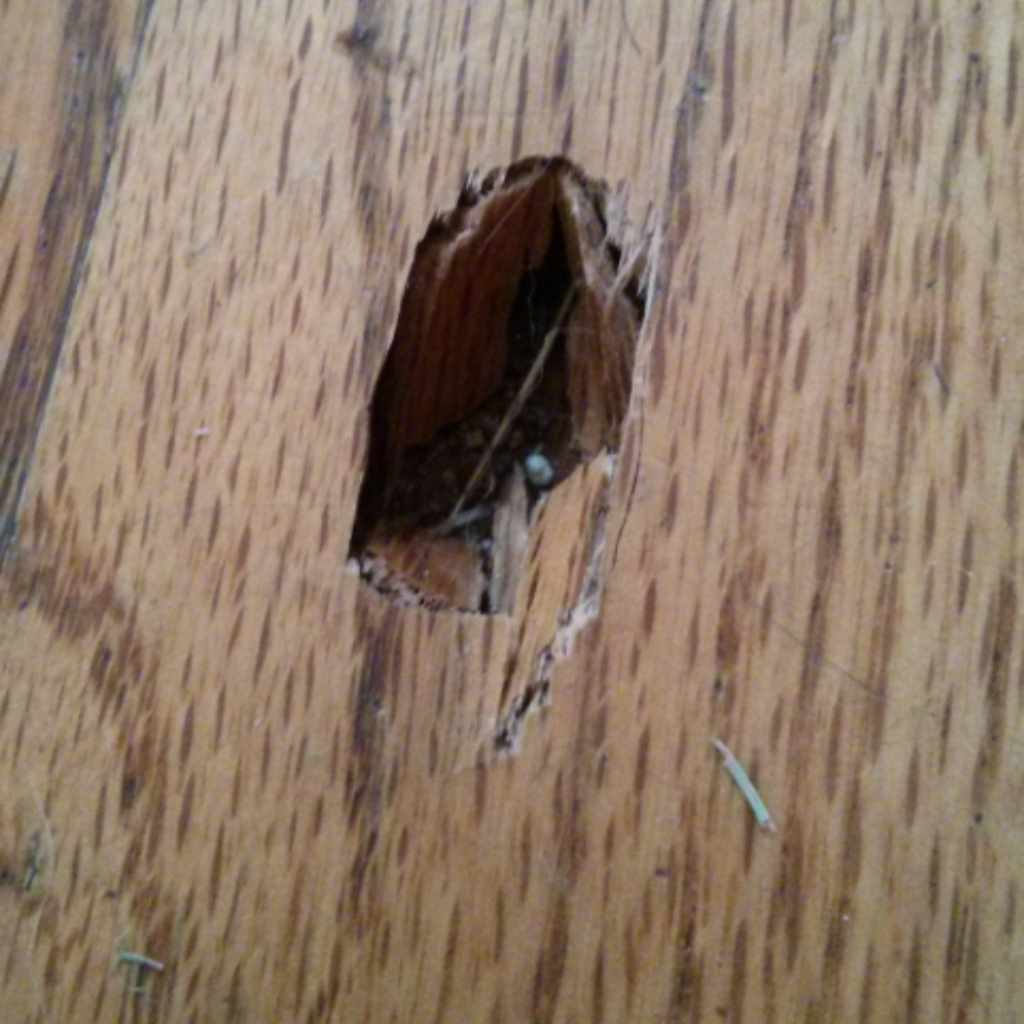
Preparing the area is the first step to repair a hole in your hardwood floor. It helps the repair materials stick better and last longer. A clean and smooth surface gives a neat finish. This part of the process takes some care but is not hard.
Cleaning The Hole
Start by removing dust and loose wood from the hole. Use a small brush or vacuum to clear out dirt. Make sure no debris stays inside. A clean hole makes the repair strong. Avoid wetting the area. Dry wood holds repair products better.
Sanding Surrounding Surface
Next, sand the edges around the hole lightly. Use fine-grit sandpaper for this step. Sanding removes rough spots and old finish. It also roughens the surface a little, so the patch sticks well. Wipe away dust with a dry cloth after sanding. This makes the area ready for filling.
Simple Wood Filler Repair
Simple wood filler repair offers a quick and effective way to fix holes in hardwood floors. This method restores the floor’s smooth surface without the need for replacing entire boards. It saves time and money, making it ideal for small to medium damage.
Wood filler comes in different colors to match your floor. Choose one close to your wood tone for the best look. The process involves filling, sanding, and then sealing the repair to blend it perfectly.
Applying Filler Step-by-step
Start by cleaning the hole and removing any loose debris. Use a putty knife to apply the wood filler inside the hole. Press the filler firmly to fill all gaps. Overfill slightly to allow for shrinkage as it dries. Let the filler dry completely according to the product instructions.
Sanding And Smoothing
After the filler dries, sand the area with fine-grit sandpaper. Sand gently until the surface is flush with the surrounding wood. Remove dust using a soft cloth or vacuum. Smooth edges help the repair blend with the floor.
Staining And Sealing
Match a wood stain to your floor color. Apply stain with a small brush or cloth to the filled area. Allow the stain to dry fully before applying a clear sealant. Sealants protect the repair and give a uniform finish. This step keeps the floor looking natural and durable.
Using Wood Plugs For Larger Holes
Using wood plugs is a practical way to fix larger holes in hardwood floors. These plugs fit snugly into the damaged area, restoring the floor’s look. This method blends the repair with the natural wood grain. It also strengthens the floor by filling the gap securely.
Wood plugs come in different sizes and wood types. Choose one that closely matches your floor. The process involves cutting, gluing, and finishing the plug for a smooth repair.
Cutting And Fitting The Plug
Start by measuring the hole’s diameter carefully. Use a drill bit or plug cutter that matches this size. Cut the wood plug from a matching wood piece. Make sure the plug’s length fits the hole depth perfectly. Test fit the plug to check for a tight fit. Trim the plug edges if needed for a smooth insertion.
Gluing And Securing
Apply wood glue evenly inside the hole. Insert the wood plug firmly into the hole. Tap it gently with a mallet to secure it. Wipe off any extra glue around the edges quickly. Let the glue dry completely for a strong hold. Avoid moving the plug during the drying time.
Finishing Touches
Once dry, sand the plug surface flush with the floor. Use fine-grit sandpaper for a smooth finish. Match the plug’s color with stain or finish. Apply thin coats for a natural look. Allow the finish to dry before walking on the floor. This step hides the repair and blends the plug perfectly.
Replacing Damaged Floorboards
Replacing damaged floorboards is a key step to fix holes in hardwood floors. This process restores the floor’s strength and looks fresh again. It involves careful removal of the broken part and fitting a new piece exactly right. The goal is a smooth, natural finish that matches the rest of the floor perfectly.
Removing The Broken Section
Start by marking the damaged area clearly. Use a saw to cut around the broken floorboard carefully. Remove the damaged piece without harming nearby boards. Clean the space thoroughly to prepare for the new wood. Take care to keep the edges straight and neat.
Installing New Hardwood Piece
Cut a new board that fits the empty space exactly. Check the thickness and wood type to match the floor. Apply wood glue and place the new piece firmly in position. Use a hammer and block to secure it without damage. Allow the glue to dry fully before walking on it.
Blending Seamlessly
Sand the new board lightly to level it with the floor. Match the color using stain or finish that suits the existing floor. Apply finish evenly to protect the wood and shine it up. Check for smoothness and color match from different angles. The repair should look like it was never there.
Preventing Future Damage
Preventing future damage to your hardwood floor is key after repairing a hole. Taking simple steps helps keep the floor strong and looking good. Proper care stops small problems from turning into big repairs.
Regular Maintenance Tips
Clean the floor often with a soft broom or vacuum. Avoid wet mops; water can harm wood. Use a damp cloth for sticky spots only. Check for scratches or dents and fix them quickly. Apply a wood floor cleaner made for hardwood. Keep the floor dry by wiping spills right away. Use rugs in high-traffic areas to reduce wear.
Protective Measures
Place felt pads under furniture legs to stop scratches. Move furniture carefully to avoid gouges or holes. Avoid walking on the floor with high heels or cleats. Keep pets’ nails trimmed to prevent damage. Control indoor humidity; wood expands and shrinks with moisture. Use a humidifier in dry seasons and a dehumidifier when it’s wet. Seal the floor with a good finish for extra protection.
Frequently Asked Questions
How Do You Fix A Small Hole In Hardwood Floor?
Fill small holes with wood filler matching your floor color. Sand it smooth once dry. Finish with stain or sealant to blend the repair seamlessly.
Can I Repair Hardwood Floor Holes Myself?
Yes, you can repair hardwood floor holes yourself. Use wood filler or a wood patch kit. Follow sanding and finishing steps carefully for best results.
What Materials Are Needed To Repair Hardwood Floor Holes?
You need wood filler, putty knife, sandpaper, stain, and sealant. Optionally, a wood patch and adhesive can help with larger holes.
How Long Does Hardwood Floor Hole Repair Take?
Small hole repairs typically take a few hours including drying time. Larger repairs may require a day or more for proper finishing.
Conclusion
Repairing a hole in your hardwood floor is simpler than it seems. Small holes can be fixed quickly with basic tools and materials. Take your time to match the wood color and texture carefully. A neat repair keeps your floor looking good and lasts longer.
Regular care helps prevent future damage. You can restore your floor’s beauty without hiring a pro. Try the repair yourself and enjoy the results. A little effort goes a long way in home care.