Right-Handed Circular Saw: Blade Side, Uses & Safety Tips
A right-handed circular saw places the blade on the right side of the housing, the traditional layout on most 7-1/4-inch corded sidewinders, though some brands sell mirrored left-blade models for the same buyers. Picking the wrong layout can block your view of the cutting line and raise the risk of a wandering cut or kickback. This guide covers blade-side layout, ergonomic and safety benefits, and how to choose a model that fits your grip.
Introduction To Right Handed Circular Saws
Best Right-Handed Circular Saw Pick
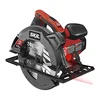
SKIL 15 Amp 7-1/4" Circular Saw with Laser Guide – $69.00
Standard blade-right layout like the traditional saws this guide describes, plus a built-in laser guide for the straight-line accuracy covered in the Advanced Features section below.
- Best for: Buyers who want laser-guided straight cuts on a full-size 7-1/4-inch blade
- Why we picked it: Traditional blade-right layout plus the laser guide feature this guide covers
- Main drawback: Corded only, so you are tied to an outlet or extension cord
Compare more right-handed circular saw options
 Option 1 DEWALT 20V MAX Cordless Sidewinder 6-1/2" – $113.00
|
 Option 2 Skil 5080-01 13-Amp 7-1/4" Circular Saw – $43.30
|
 Option 3 DEWALT 7-1/4" Pivoting Bevel Corded Saw – $127.05
|
As an Amazon Associate we earn from qualifying purchases.
A right handed circular saw is a powerful tool. It is popular among professionals for its precision and ease of use. Key features include a strong motor for cutting through tough materials. The ergonomic design helps reduce user fatigue during long tasks.
Safety is crucial. Many models have safety guards to protect users. A laser guide helps make accurate cuts every time. The adjustable depth allows for versatile cutting options.
These saws are favored for their lightweight design. This makes them easy to maneuver. Blade options vary, giving users flexibility for different projects. Overall, right handed circular saws are essential for both amateurs and experts.

Ergonomic Benefits For Right-handed Users
The ergonomic design of right-handed circular saws ensures a comfortable grip. This allows users to maintain better control while cutting. Right-handed users can easily maneuver the saw. The layout of the handles fits their natural hand position.
Using a circular saw for long periods can cause fatigue. Ergonomic features help reduce this discomfort. Soft grips and lightweight materials make it easier to use. Less strain on the hand and wrist leads to better performance.
Precision And Accuracy
Using a right-handed circular saw provides excellent precision and accuracy. A clear line of sight helps users see the cutting line easily. This feature boosts confidence during cuts.
Stable cutting guidance is crucial for perfect results. It reduces mistakes and makes cutting safer. Both beginners and experts benefit from this stability.
Investing in a high-quality saw leads to better projects. Choose a model that fits your needs and skill level. Enjoy the benefits of clean, precise cuts every time.
Safety Considerations
Blade visibility is crucial for safe operation. Clear sight of the blade helps prevent accidents. Always ensure the blade is sharp and in good condition.
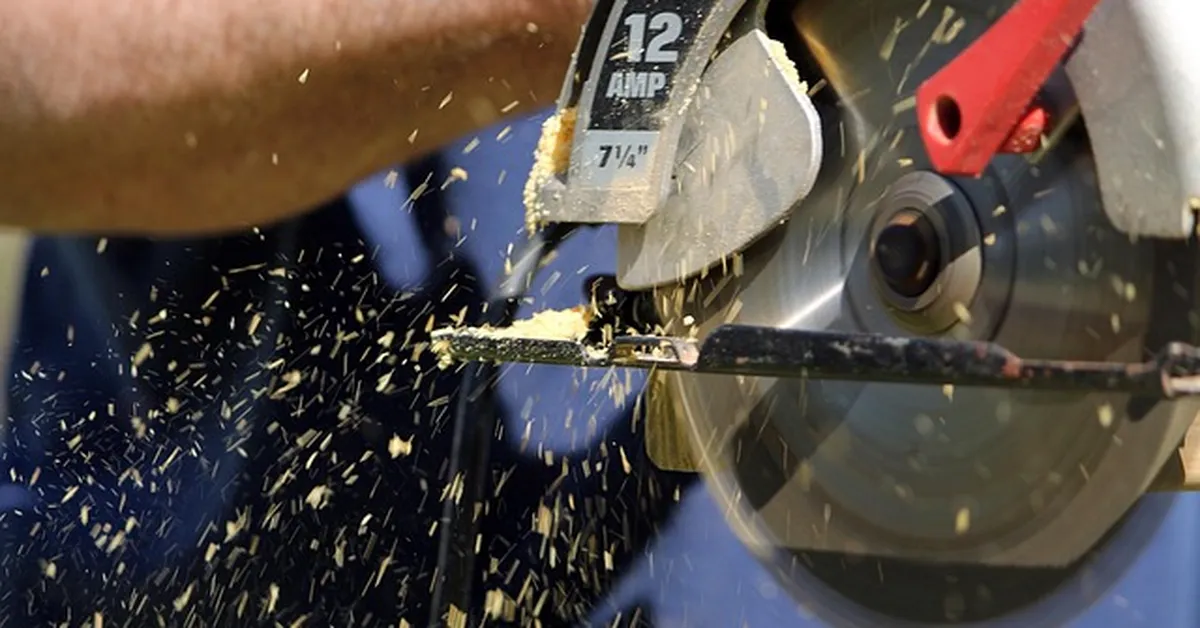
Kickback can occur unexpectedly. A sharp blade reduces the risk of kickback. Proper stance and grip improve your reaction time. Stand to the side, not directly behind the saw.
Using a safety guard also reduces risks. Ensure it functions properly before each use. Regular maintenance of the saw is important for safety.
Versatility In Applications
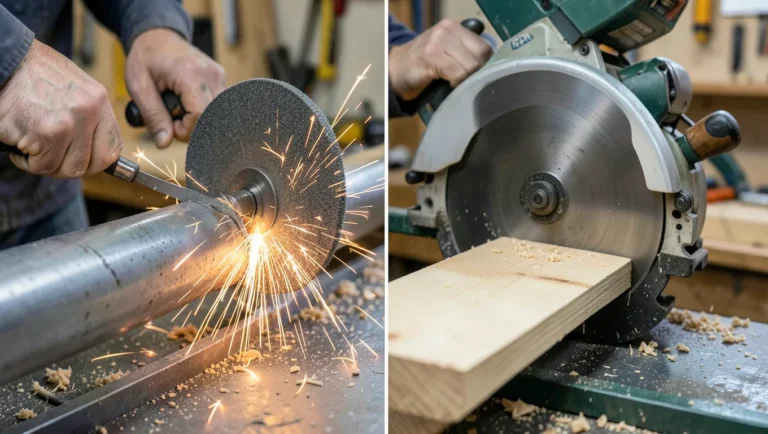
The right-handed circular saw is perfect for many projects. It can cut through wood, metal, and plastic with ease. This tool adapts well to different materials. Whether you need straight or angled cuts, it performs excellently.
For woodworking, it creates clean edges. Metal cutting requires special blades, and this saw handles that too. Plastic sheets can be trimmed without damage. The ability to switch blades enhances its versatility.
Different cuts include crosscuts, rips, and bevels. Each cut serves unique needs. The right-handed design offers better control for most users. This makes it easier to achieve precise results.
Ease Of Use And Learning Curve
The right-handed circular saw is designed for ease of use. It fits comfortably in the hands of right-handed users. This design helps in making straight cuts with less effort.
New users find it easy to adapt to this tool. The weight and balance allow for better control. Most beginners feel confident after a few tries.
Many features make it user-friendly. The safety guard protects users from accidents. Clear markings on the blade guide improve accuracy.
Its lightweight design reduces fatigue during longer projects. The ergonomic handle provides a comfortable grip. These aspects make it a great choice for any DIY enthusiast.
Comparison With Left Handed Saws
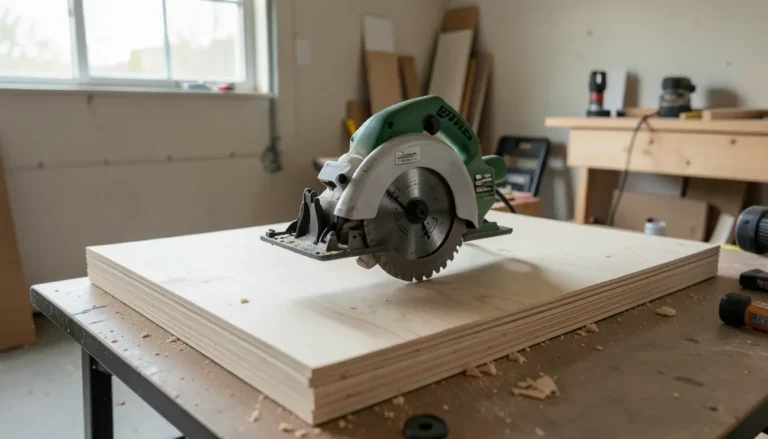
Right-handed circular saws put the blade on the right side of the housing, with the motor to the left. This is the traditional default on most corded 7-1/4-inch sidewinders, and it is the layout the most popular models ship with. Left-handed saws flip that layout, placing the blade on the left side instead.
Some brands also sell “blade-left” or “Southpaw” saws marketed specifically to right-handed users, since moving the blade away from the motor housing can improve one-handed sightline on detailed or freehand cuts. Most buyers still default to the traditional blade-right layout, since it is what corded circular saws have used for decades and it is the easiest configuration to find replacement blades and accessories for.
| Feature | Right-Handed Saw | Left-Handed Saw |
|---|---|---|
| Blade Position | Right Side | Left Side |
| Common Layout | Traditional default on most brands | Specialty / mirrored models |
| Best Suited For | Two-handed grip, general-purpose cutting | Left-handed users, or right-handed users wanting a clearer one-handed sightline |
Advanced Features And Accessories
Laser guides help users cut with high precision. They project a line on the material. This line shows where the blade will cut. It makes cutting straight lines much easier.
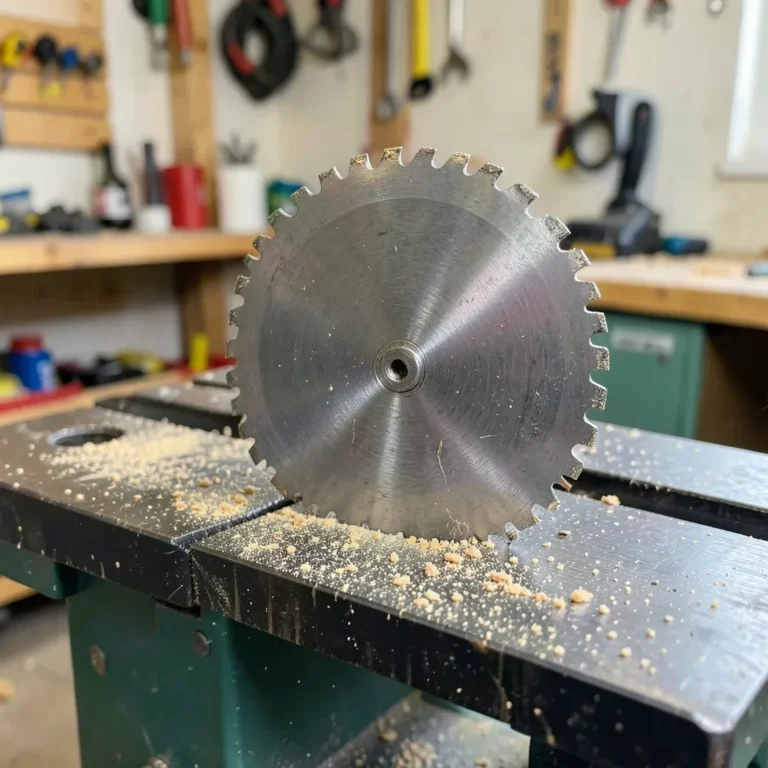
Specialty blades enhance the performance of your circular saw. They are designed for different materials. For example, a carbide-tipped blade works well on wood. A diamond blade is best for tile and concrete. Choosing the right blade makes cutting smoother and faster.
| Blade Type | Best For |
|---|---|
| Carbide-Tipped Blade | Wood |
| Diamond Blade | Tile, Concrete |
| High-Performance Blade | Metal |
Maintenance And Longevity
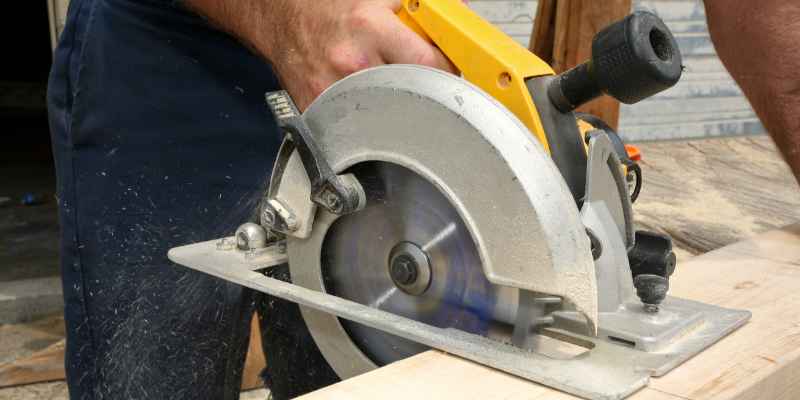
Regular maintenance helps keep your right-handed circular saw in top shape. Clean the saw after each use. Remove dust and debris from the blade and body. Check the blade sharpness regularly. A dull blade can slow you down and cause accidents.
Inspect the power cord for any damages. A frayed cord can lead to electrical hazards. Ensure the safety guard moves smoothly. This guard protects you from injuries. Lubricate moving parts as needed to prevent rust.
Signs your saw needs servicing include strange noises or sparks. If the saw vibrates excessively, check for loose parts. A burning smell often indicates a problem, so turn it off immediately. Regular care leads to better performance and longer lifespan.
Who A Right-Handed Circular Saw Is Best For
Right-handed circular saws suit most first-time buyers, since they are the standard layout stocked by nearly every major tool brand, which makes blades, parts, and accessories easiest to find. They work well for framing, deck building, sheet-goods breakdown, and general DIY carpentry where you grip the saw with both hands.
Who Should Buy A Right-Handed Circular Saw
If you are right-handed and want the widest choice of models, prices, and accessories, the traditional blade-right layout covered throughout this guide is the safer default. It is also the easier saw to resell or share with other right-handed users on a jobsite.
When A Blade-Left Model Might Suit You Better
If you are right-handed but want a clearer cutting-line view for detailed or freehand work, a blade-left (“Southpaw”) model is worth considering: check the product listing’s blade-side spec before buying, since it is not always obvious from the photos alone.
Frequently Asked Questions
What Is A Right-handed Circular Saw?
A right-handed circular saw is designed for right-handed users. It features a blade positioned on the right side, allowing for better visibility and control. This design helps users make precise cuts while maintaining a clear line of sight on the cutting path.
How Do I Choose A Right-handed Circular Saw?
When choosing a right-handed circular saw, consider the blade size, power, and weight. Opt for a model that fits your cutting needs. Additionally, check for safety features and ease of use. Reading user reviews can also provide insights into performance and reliability.
What Are The Benefits Of A Right-handed Circular Saw?
Right-handed circular saws offer improved visibility for right-handed users. They are easier to handle and control, reducing the risk of errors. Many models are lightweight and portable, making them ideal for various projects. They also typically come with enhanced safety features for user protection.
Can I Use A Left-handed Circular Saw?
Yes, left-handed circular saws can be used by right-handed individuals. However, the blade placement may hinder visibility for right-handed users. If you prefer a right-handed model, choose a saw that suits your cutting style for optimal performance and safety.
Conclusion
Choosing the right-handed circular saw can greatly enhance your woodworking projects. Its precision and ease of use make it a valuable tool for both beginners and professionals. Investing in a quality saw ensures better results and increased safety. Elevate your craftsmanship by selecting the right tool for your needs.
Sponsored / affiliate links. As an Amazon Associate I earn from qualifying purchases. I may earn additional commission from eligible campaigns.