Ryobi 10-Inch Table Saw Parts List: Your Guide to Keeping Your Saw Running Smoothly
Hey there! If you’re like me, your Ryobi 10-inch table saw is probably the heart of your woodworking shop. It’s a trusty tool that makes clean, precise cuts for all kinds of projects. But let’s be real—over time, parts wear out, get lost, or just need replacing to keep that saw humming. That’s why I put together this detailed Ryobi 10-inch table saw parts list to help you find exactly what you need to maintain or repair your saw. I’ve spent years tinkering with my Ryobi table saw, so I’m sharing my experience to make your life easier. Whether you’re a weekend DIYer or a pro carpenter, let’s explore the key parts, where to find them, and how to keep your saw in top shape.
Why Knowing Your Table Saw Parts Matters
I remember the first time my Ryobi table saw started acting up. The fence wouldn’t lock right, and I was getting crooked cuts. It was frustrating! That’s when I realized how important it is to understand the parts of your saw. Knowing what each component does helps you troubleshoot issues, replace worn pieces, and keep your saw running like new. A Ryobi 10-inch table saw is built for durability, but even the best tools need a little TLC. By familiarizing yourself with the parts, you can avoid costly repairs and extend the life of your saw. Plus, it feels pretty good to fix things yourself, doesn’t it?
Key Components of a Ryobi 10-Inch Table Saw
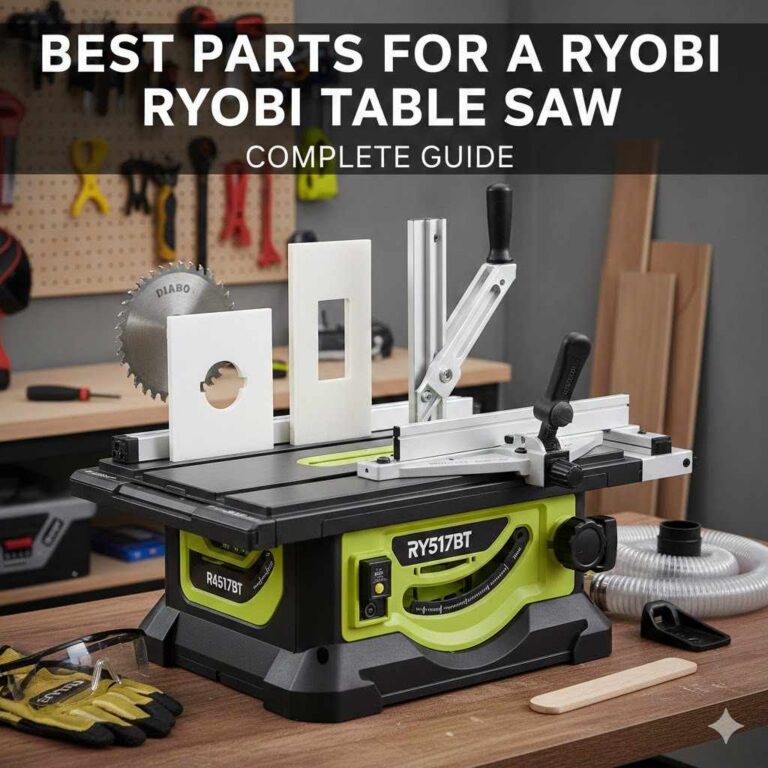
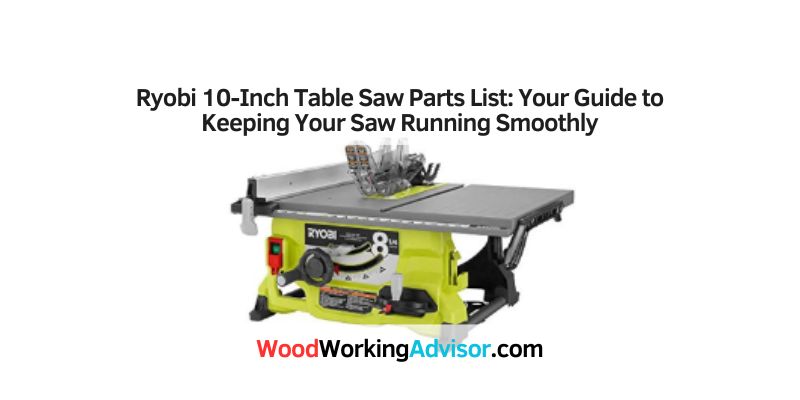
Let’s break down the main parts of a Ryobi 10-inch table saw. I’ve worked with models like the RTS10, RTS12, and BT3000, and while each has slight differences, the core components are similar. Here’s a rundown of the essential parts you’ll want to know about:
- Blade: The 10-inch blade is the star of the show. It’s what cuts through wood, plywood, or even plastic. Over time, blades dull or chip, so you’ll need to replace them for clean cuts.
- Rip Fence: This guides your workpiece for straight cuts. A good fence locks securely and stays parallel to the blade. If yours is wobbly or misaligned, it might need replacing.
- Miter Gauge: Used for angled or crosscuts, this slides into the miter slot. Some Ryobi models have a basic gauge, so you might want to upgrade for precision.
- Blade Guard: This safety feature covers the blade to protect you from debris and accidental contact. It’s a must-have, but it can wear out or get damaged.
- Riving Knife: This prevents kickback by keeping the cut open behind the blade. If yours is missing or bent, replace it immediately for safety.
- Motor: The 15-amp motor powers the saw, typically delivering 5000 RPM. If it’s struggling or overheating, you might need a new motor or related parts like the capacitor.
- Tabletop: The flat surface where you place your workpiece. Ryobi’s cast aluminum tabletops are lightweight but durable. Cracks or warps mean it’s time for a replacement.
- Bevel and Height Adjustment Wheels: These let you adjust the blade’s angle and height. If they’re stripped or hard to turn, you might need new gears or rods.
- On/Off Switch: A large, easy-to-use switch is standard on Ryobi saws. If it’s faulty, it’s an easy fix with a replacement switch.
- Anti-Kickback Pawls: These grip the wood to prevent it from shooting back at you. They’re critical for safety and often part of the blade guard assembly.
- Dust Collection Port: This connects to a shop vac to keep your workspace clean. Clogs or damage might require a new port or adapter.
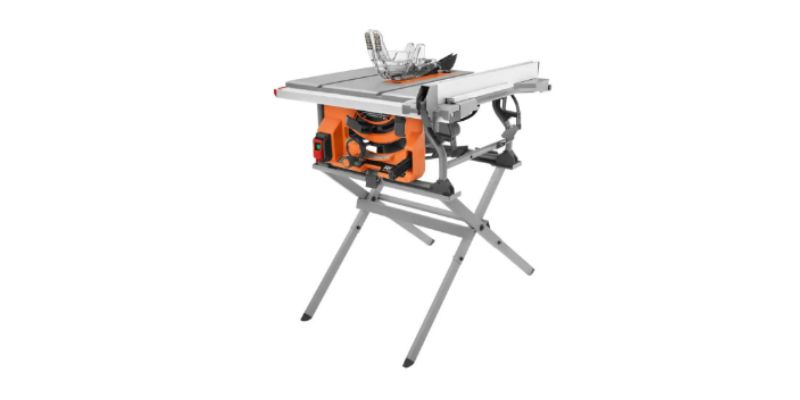
Comprehensive Ryobi 10-Inch Table Saw Parts List
To make things super clear, I’ve put together a table of common replacement parts for popular Ryobi 10-inch table saw models like the RTS10, RTS12, and BT3000. This list includes part names, descriptions, and where you might find them. Prices can vary, so check with retailers like Home Depot or PartsWarehouse for the latest costs.
| Part Name | Description | Common Issues | Where to Find |
|---|---|---|---|
| 10-Inch Blade | Carbide-tipped blade for cutting wood or other materials | Dullness, chipping, or bending | Home Depot, Amazon, Ryobi’s parts store |
| Rip Fence | Aluminum or steel guide for straight cuts | Misalignment, loose locking mechanism | PartsWarehouse, eBay, Ryobi service centers |
| Miter Gauge | Guides angled cuts in the miter slot | Wobbly fit, inaccurate angles | Aftermarket upgrades, Ryobi parts store |
| Blade Guard Assembly | Plastic or metal cover with anti-kickback pawls | Cracks, missing pawls, or poor fit | Ryobi parts store, Home Depot |
| Riving Knife | Metal piece behind the blade to prevent kickback | Bent or missing | Ryobi service centers, PartsWarehouse |
| Motor (15 Amp) | Powers the saw at 5000 RPM | Overheating, failure to start | Ryobi authorized repair centers |
| Capacitor | Helps start the motor | Faulty starting, buzzing noise | PartsWarehouse, local repair shops |
| Tabletop | Cast aluminum surface for workpiece support | Cracks, warping | Ryobi parts store, specialty retailers |
| Bevel Adjustment Gear | Adjusts blade angle | Stripped or stuck gears | Ryobi parts store, eBay |
| Height Adjustment Rod | Raises or lowers the blade | Stripped threads, difficult to turn | PartsWarehouse, Ryobi service centers |
| On/Off Switch | Controls power to the saw | Faulty or unresponsive | Amazon, Ryobi parts store |
| Dust Collection Port | Connects to shop vac for dust management | Clogs, cracks | Ryobi parts store, Home Depot |
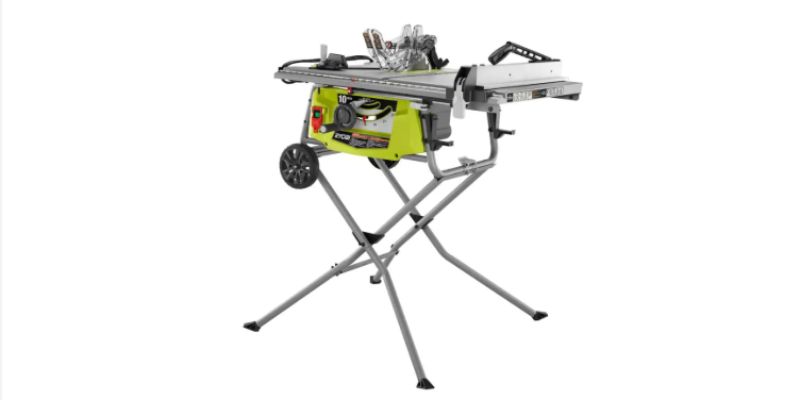
| Folding Stand | Portable stand with wheels (for models like RTS12) | Wobbly or broken wheels | Ryobi parts store, aftermarket options |
This table covers the basics, but some older models, like the BT3000, might have unique parts like a sliding miter table or laser guide. If you’re working on an older saw, check the model number and consult Ryobi’s parts schematics online.
Where to Find Ryobi 10-Inch Table Saw Replacement Parts
I’ve been there—searching high and low for a specific part when my saw starts acting up. The good news? Ryobi makes it pretty easy to find replacement parts. Here are my go-to places:
- Ryobi’s Official Parts Store: Go to ryobitools.com and click on the parts section. You can enter your model number (like RTS10 or BT3000) to find schematics and order directly. It’s reliable, and you’re guaranteed OEM parts.
- Home Depot: Since Ryobi is a Home Depot exclusive, their website or stores often stock common parts like blades, fences, and guards. I’ve grabbed a new blade guard in-store before, and it was a quick fix.
- PartsWarehouse: This site specializes in Ryobi parts and has a huge selection. I found a hard-to-get capacitor for my RTS10 here when local shops didn’t have it.
- eBay: For older models like the BT3000, eBay is a goldmine for used or discontinued parts. Just double-check the seller’s ratings and part condition.
- Local Repair Centers: Ryobi has authorized service centers across the USA. Call 1-877-634-5704 to find one near you. I’ve used these for motor repairs, and they’re super helpful.
Pro tip: Always have your saw’s model number handy. It’s usually on a sticker on the side or bottom of the saw. This ensures you get the right part, especially for older models with proprietary components.
How to Maintain Your Ryobi Table Saw for Longevity
Table saw maintenance is key to avoiding frequent part replacements. I learned this the hard way when I neglected my saw, and sawdust buildup caused my motor to overheat. Here’s what I do now to keep my Ryobi table saw in top shape:
- Clean Regularly: Sawdust is your saw’s worst enemy. I use a shop vac to clean the tabletop, dust port, and under the saw after every session. A clean saw runs smoother and lasts longer.
- Check Blade Alignment: A misaligned blade can burn wood or strain the motor. I use a square to ensure the blade is parallel to the miter slot every few months.
- Lubricate Moving Parts: The bevel and height adjustment wheels can get sticky. A little dry lubricant keeps them moving smoothly. Don’t use oil—it attracts dust.
- Inspect Safety Features: Make sure the blade guard, riving knife, and anti-kickback pawls are in place and working. I check these before every cut to stay safe.
- Replace Worn Blades: A dull blade makes your motor work harder and ruins your cuts. I swap mine out when I notice burn marks or rough edges on the wood.
- Store Properly: If you have a portable model like the RTS12, store it in a dry place to prevent rust on the tabletop or stand.
By sticking to these habits, I’ve kept my Ryobi saw running strong for years, and you can too.
Common Issues and How to Fix Them
Every Ryobi table saw owner runs into issues at some point. Here are the most common problems I’ve faced and how I fixed them:
- Fence Won’t Stay Square: My RTS10’s fence used to drift, causing uneven cuts. I fixed it by tightening the locking mechanism and adding an L-bracket to the far end for extra stability. If yours is too worn, a replacement fence is affordable.
- Blade Burning Wood: This happened to me when I used a crosscut blade for ripping. Switching to a rip blade and raising the blade height fixed it. Also, check if your blade is dull or misaligned.
- Motor Won’t Start: A buzzing noise usually means a bad capacitor. I replaced mine for about $15 from PartsWarehouse, and the saw was back in action.
- Wobbly Table: If your saw wobbles, check the stand’s bolts and tighten them. For portable models, make sure the folding stand’s wheels are secure.
- Missing Riving Knife: I once removed mine because it was getting in the way, but that was a mistake—cuts kept binding. I ordered a new one from Ryobi’s parts store, and it made a huge difference.
If you’re stuck, Ryobi’s customer support (1-877-634-5704) is great for troubleshooting. They’ve helped me figure out tricky issues with my BT3000.
Upgrading Your Ryobi Table Saw
Sometimes, replacing a part isn’t enough—you want to make your saw better. I’ve upgraded a few things on my Ryobi table saw to improve performance:
- Aftermarket Miter Gauge: The stock miter gauge on some Ryobi models is flimsy. I got an aftermarket one with better angle stops, and my crosscuts are way more precise now.
- High-Quality Blade: Upgrading to a premium carbide-tipped blade (like a Diablo) gives cleaner cuts and lasts longer.
- DIY Fence Upgrade: I followed a YouTube tutorial to build a sturdier fence using aluminum stock. It’s a game-changer for accuracy.
- Dust Collection System: If your dust port clogs easily, consider adding a better shop vac or a dust separator. It keeps your shop cleaner and your saw happier.
These upgrades don’t break the bank but make a big difference, especially if you’re tackling more complex projects.
Safety Tips for Using Your Ryobi Table Saw
I can’t stress this enough—safety comes first. I’ve had a few close calls in my shop, so here are my top safety tips for using your Ryobi table saw:
- Wear Protective Gear: Safety goggles, ear protection, and a dust mask are non-negotiable. I learned this after getting sawdust in my eyes once—never again!
- Use the Riving Knife and Guard: These prevent kickback and protect you from the blade. Don’t remove them, even if they seem like a hassle.
- Keep Your Workspace Clear: A cluttered table can cause accidents. I always clear off tools and scraps before starting.
- Use a Push Stick: For narrow cuts, a push stick keeps your hands away from the blade. I keep one clipped to my saw for easy access.
- Check Before Cutting: Always inspect the blade, fence, and riving knife before turning on the saw. A quick check can prevent big problems.
Why I Love My Ryobi 10-Inch Table Saw
After years of using my Ryobi table saw, I can say it’s a solid choice for most woodworkers. It’s affordable, portable, and powerful enough for everything from small crafts to big furniture projects. Sure, it has quirks—like the so-so miter gauge or occasional fence issues—but with the right replacement parts and maintenance, it’s a workhorse. I’ve built bookshelves, cabinets, and even a deck with mine, and it’s never let me down. Knowing the Ryobi 10-inch table saw parts list has saved me time and money, and I hope this guide does the same for you.
Conclusion
There you have it—a complete guide to the Ryobi 10-inch table saw parts list and how to keep your saw running like a dream. Whether you’re replacing a dull blade, fixing a wonky fence, or just doing routine table saw maintenance, understanding your saw’s parts is the key to great woodworking. I’ve shared my own experiences—mistakes and all—to help you avoid headaches and get back to creating. With the right parts, a little care, and some safety smarts, your Ryobi table saw will be your shop’s best friend for years. Got a project in mind? Grab those parts, fire up your saw, and let’s make something awesome!
FAQs
What Are the Most Common Parts to Replace on a Ryobi 10-Inch Table Saw?
The most common parts to replace are the blade, rip fence, miter gauge, and blade guard. Blades dull over time, fences can misalign, and guards or miter gauges might wear out with heavy use.
Where Can I Buy Ryobi Table Saw Parts?
You can find parts at Ryobi’s official parts store (ryobitools.com), Home Depot, PartsWarehouse, or eBay. Local Ryobi service centers are also great for hard-to-find parts.
How Do I Know If My Ryobi Table Saw Blade Needs Replacing?
If your blade is dull, chipped, or causing burn marks on wood, it’s time for a new one. A good blade should cut cleanly without excessive effort.
Can I Use Aftermarket Parts on My Ryobi Table Saw?
Yes, aftermarket blades and miter gauges often work well and can even improve performance. Just make sure they’re compatible with your model’s specs.
How Often Should I Maintain My Ryobi Table Saw?
Clean your saw after every use, check alignment every few months, and inspect safety features like the riving knife and guard before each cut. Regular maintenance prevents bigger issues.