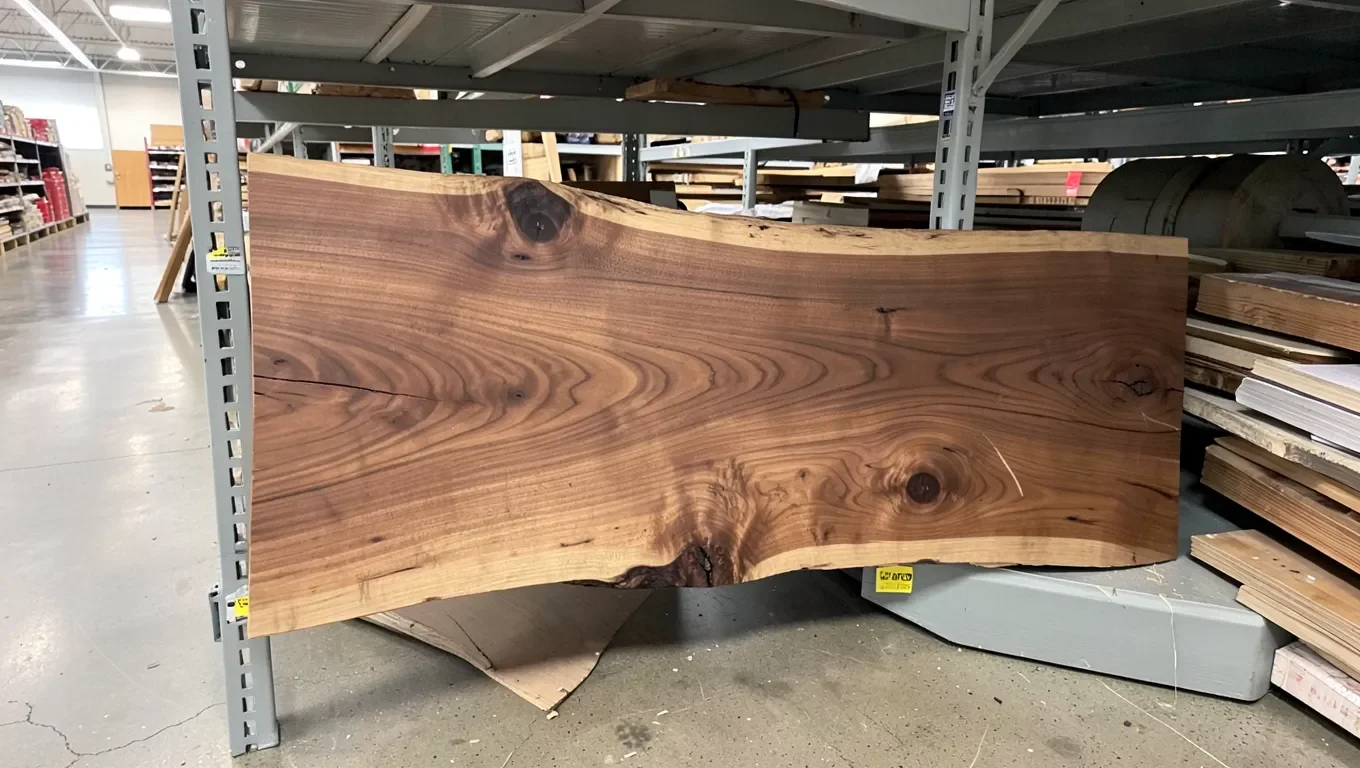
Live Edge Wood Slabs at Home Depot
Home Depot sells live edge wood slabs – typically walnut, oak, and acacia – through homedepot.com, including listings from marketplace sellers, with some availability for in-store pickup depending on your location and current stock. It’s a genuinely convenient option for a first live edge project: often more affordable than a specialty sawmill, and you can pick up finishing supplies and tools in the same order. This guide covers how to choose a good slab, prepare and finish it, and avoid the most common mistakes first-time buyers run into.
What Are Live Edge Wood Slabs?
Skip Building A Base From Scratch
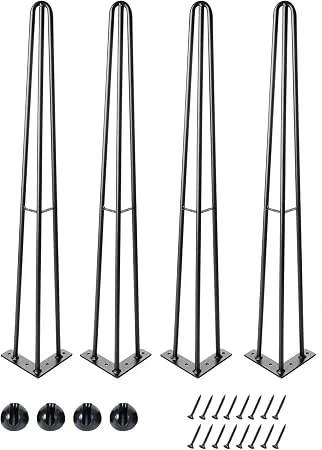 |
28-Inch Hairpin Table Legs, Set of 4 A common first project for a live edge slab is a coffee table, and hairpin legs are the fastest way to get there without building a base.
|
Live edge slabs are lumber cut to preserve the tree’s natural, irregular outer edge – bark, knots, and all – rather than being squared off into a standard rectangular board. That natural edge is what gives live edge furniture its organic, one-of-a-kind look, since no two slabs have the same shape or grain pattern. Finishing a live edge slab with the bark intact requires some extra care compared to a standard board, which this guide covers below.
Why Buy From Home Depot Instead Of A Specialty Sawmill
A dedicated sawmill or urban-lumber supplier will generally have a deeper, more specialized selection and staff who can speak in detail about a specific tree’s history – but Home Depot’s live edge listings have real advantages for a first project or a straightforward one. Pricing tends to be more predictable and often more affordable than a custom-cut slab from a specialty supplier. Slabs sold through Home Depot are commonly pre-planed and kiln-dried, saving a step compared to buying green or partially dried wood. And ordering finishes, sandpaper, and hardware in the same transaction is a real convenience if you’re just starting out and don’t want to make multiple stops.
How To Choose A Good Slab
Check For Quality
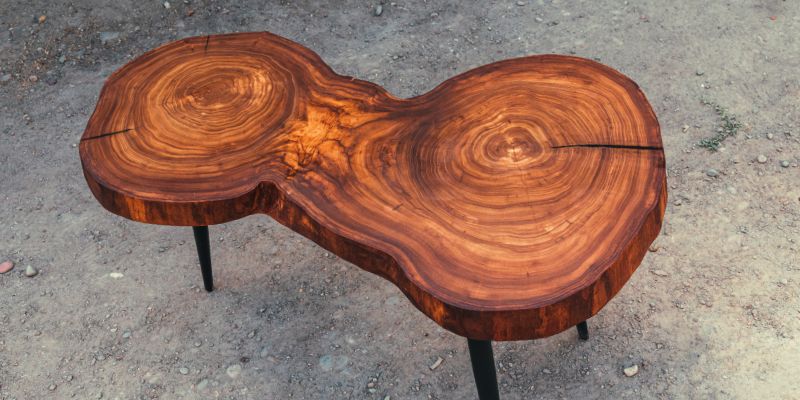
Look closely at the wood before buying. Confirm it’s kiln-dried, since a slab that wasn’t properly dried is far more likely to warp or crack after you bring it home – if this isn’t stated in the listing, it’s worth asking. Check the grain and color for the pattern you actually want; walnut tends toward rich, dark tones with dramatic figure, while acacia shows more contrast between light and dark streaks. Inspect for deep cracks or loose bark – minor character cracks are fine and can even be filled with tinted epoxy for a striking effect, but a slab riddled with structural cracks is a harder starting point for a beginner.
Consider Size And Shape
Match the slab to your actual project before buying – a coffee table needs a shorter, wider piece than a dining table does. Measure your space and bring those dimensions with you or reference them while ordering online, and think through how you’ll transport a large slab before you buy it, since an 8-foot dining-table slab won’t fit in every vehicle.
| Project | Recommended Slab Size | Wood Type | Notes |
|---|---|---|---|
| Coffee table | 4-6 ft long, 12-16 in wide | Walnut, oak | Hairpin or metal legs; sand the top thoroughly |
| Dining table | 6-8 ft long, 36-48 in wide | Walnut, maple | Confirm the slab is flat before committing to a base |
| Floating shelf | 2-4 ft long, 8-12 in wide | Acacia, oak | Heavy-duty concealed brackets rated for the slab’s weight |
| Countertop | 6-10 ft long, 24-30 in wide | Acacia | Needs a food-safe, water-resistant finish, reapplied periodically |
| Headboard | 5-6 ft long, 24-36 in wide | Maple, cherry | Mount into wall studs, not just drywall anchors |
Inspect Both Sides And Check Flatness
Look at both faces before deciding which will be the top – sometimes the less obvious side has better grain. Check for flatness by sighting down the length of the slab or laying a straightedge across it; a warped slab is a real headache to work with as a beginner and is best avoided or exchanged rather than fought with.
Preparing The Slab
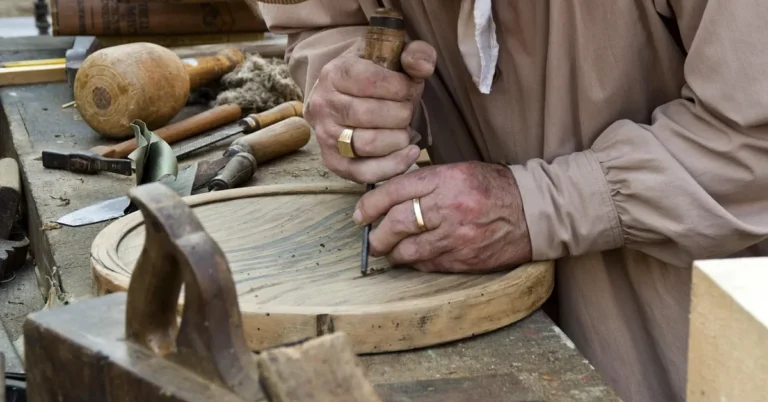
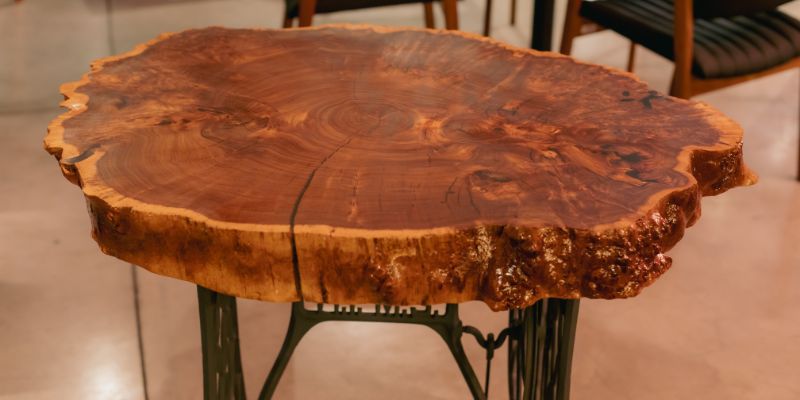
Even a kiln-dried slab benefits from acclimating in the room where it’ll live for one to two weeks before you start cutting or finishing – this lets it adjust to your home’s specific humidity and reduces the chance of movement after the project is finished. If you want to remove the bark, a rounded chisel gently worked in small sections lifts it cleanly; sand the newly exposed edge lightly afterward. If you’re keeping the bark, understand that it can flake with handling and heavy use over time – sealing it with epoxy helps hold it in place if that’s a concern.
Sand progressively from a coarse grit (around 80) up through finer grits (120, 220, and optionally 400 for a glass-smooth result), taking care around the live edge itself so you don’t sand away the natural contours that are the whole point of the piece. For cracks or voids, clear or tinted epoxy poured into the gap, left to cure 24-48 hours, then sanded flush is the standard fix – and a good way to turn a flawed slab into a feature rather than a reject.
Choosing And Applying A Finish
Polyurethane gives a durable, glossy protective film well-suited to a table or countertop that sees regular use – apply 2-3 thin coats, sanding lightly between each rather than one thick coat, which is more prone to drips and uneven curing. Tung oil or another penetrating oil finish gives a more natural, lower-sheen look that soaks into the wood rather than sitting on top, at the cost of somewhat less protection against water and heat. A full epoxy resin pour is the choice for a high-gloss, modern look or a river-table effect, though it’s more involved and typically needs multiple pours for a deep result. Whatever finish you choose, clean all sanding dust off the slab first – leftover dust trapped under a finish coat shows up as visible texture once it’s dry.
Common Problems And Fixes
A slab that warps after purchase usually wasn’t fully dried or wasn’t given time to acclimate – a router sled can flatten a moderately warped slab, but it’s a genuinely tricky technique for a first-time woodworker, and exchanging the slab is often the more practical fix. Bark that’s flaking can be stabilized with epoxy or removed outright for a cleaner, lower-maintenance look. Uneven or non-flat surfaces on a slab intended for a tabletop need a flattening pass, either with a router and a shop-built flattening jig or by taking the slab to a shop with a wide-belt sander or CNC flattening service – not every project is worth attempting to flatten by hand.
Frequently Asked Questions
What Types Of Live Edge Wood Slabs Does Home Depot Offer?
Home Depot’s live edge selection, sold through homedepot.com (including marketplace sellers), commonly includes walnut, oak, and acacia slabs in a range of lengths and widths. Exact availability and whether a given slab is stocked for in-store pickup varies significantly by location, so check the website for your specific store or plan on ordering for delivery.
Do I Need Special Tools To Work With Live Edge Slabs?
No specialized tools are required for a basic project – a random orbital sander, a rounded chisel if you’re removing bark, a tape measure, and standard safety gear (dust mask, safety glasses) cover most of what you need. Home Depot sells and rents sanders and other power tools, which is useful if you don’t want to buy a sander for a one-off project.
How Do I Prevent My Live Edge Slab From Warping?
Confirm the slab is kiln-dried before buying, then let it acclimate in the room where it’ll be used for one to two weeks before cutting, sanding, or finishing it – this lets the wood adjust to your home’s humidity level rather than shifting after the project is already built. Store it flat rather than leaning on edge during that acclimation period, and avoid finishing only one face, since sealing just one side of a slab can cause uneven moisture exchange and encourage warping.
How Much Do Live Edge Slabs Cost?
Pricing varies widely by wood species, size, and thickness – a small 2-foot slab might run under $100, while a large 8-foot dining-table-sized slab in a premium species like walnut can run several hundred dollars. Check current pricing on homedepot.com for the specific size and species you need rather than relying on a fixed number, since live edge slab pricing shifts more than standard dimensional lumber.
Conclusion
Home Depot is a genuinely convenient starting point for a live edge project, especially for a first attempt at a coffee table, shelf, or headboard – the slabs are commonly pre-dried, the pricing is predictable, and finishing supplies are one order away. Take the time to check quality, let the slab acclimate, and match your finish to how the piece will actually be used, and a live edge slab from Home Depot can turn into a genuinely striking piece of furniture.
Sponsored / affiliate links. As an Amazon Associate I earn from qualifying purchases. I may earn additional commission from eligible campaigns.