L.L. Bean Outdoor Furniture: Worth It? Teak vs HDPE + Warranty
L.L. Bean outdoor furniture spans real teak to recycled HDPE poly lumber — but it carries only a one-year satisfaction return policy, versus the 20-year residential warranties Polywood and Trex back their poly furniture with. That gap matters most in high-UV or coastal climates, where owners have reported chalking or fading within a season. This guide covers L.L. Bean’s actual materials, how its return policy really compares, and the teak oil-versus-patina decision that determines how long your set lasts.
Quick Answer
L.L. Bean’s real-teak furniture is worth it for an heirloom natural-wood look with modest upkeep. Its HDPE poly-lumber lines cost less but are backed by only a one-year return policy, versus Polywood’s and Trex’s 20-year warranties — and owners report faster chalking or fading in coastal, high-UV climates. Skip the HDPE lines if 20-year low-maintenance durability matters most to you.
What Makes L.L. Bean Outdoor Furniture Different?
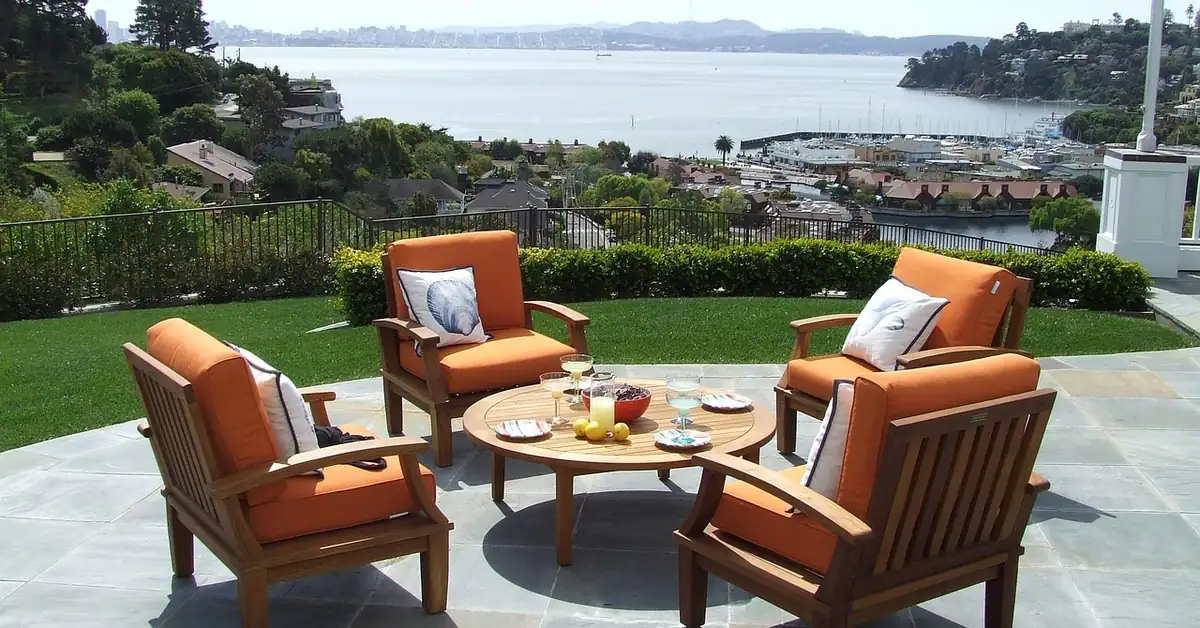
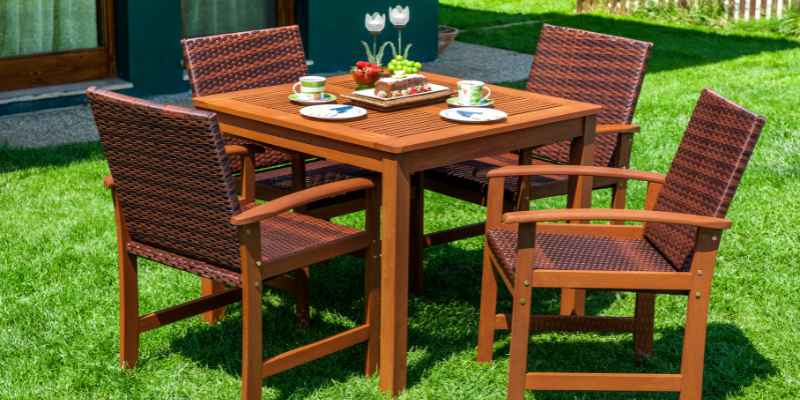
L.L. Bean outdoor furniture is built from two very different material families: real wood (teak and cedar) and recycled HDPE poly lumber, sold under lines like the All-Weather collection and cushioned sets in the Casco Bay line. Teak and cedar resist moisture and insects naturally; HDPE poly lumber is molded from recycled plastic and never needs painting or sealing. Aluminum and steel frames round out the lineup — aluminum stays lightweight and rust-free, while steel needs occasional rust treatment.
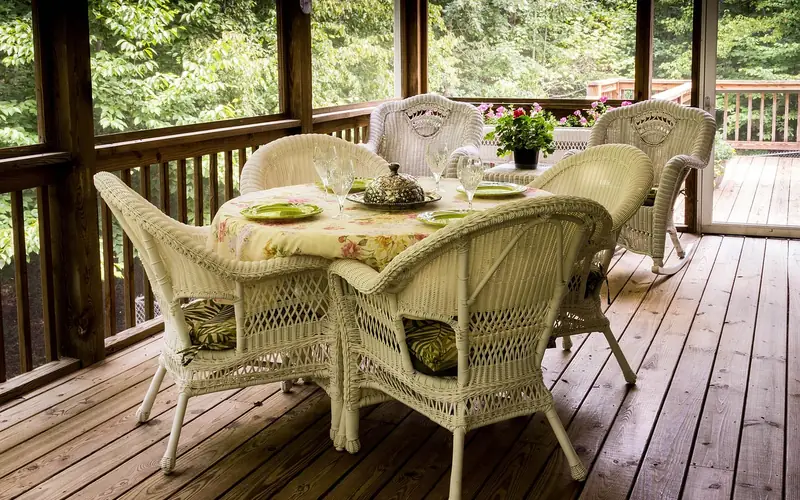
All-weather wicker, woven from synthetic resin over an aluminum frame, is the fourth major material on L.L. Bean patio sets. It resists fading and cracking better than natural rattan and needs only an occasional rinse, but the weave itself is not repairable the way real wicker can be refinished if it chips or discolors.
| Material | Best For | Upkeep |
|---|---|---|
| Real teak | Heirloom look, natural weather resistance | Oil 2-3x/season or let it silver naturally |
| HDPE poly lumber | Zero-maintenance color, no painting/sealing ever | Occasional soap-and-water wash |
| Aluminum frames | Lightweight, will not rust | Wipe down; check fasteners yearly |
| All-weather wicker | Woven look without rattan’s short lifespan | Rinse; avoid abrasive cleaners |
As an Amazon Associate we earn from qualifying purchases.
Teak Care Decision: Oil It or Let It Turn Silver?
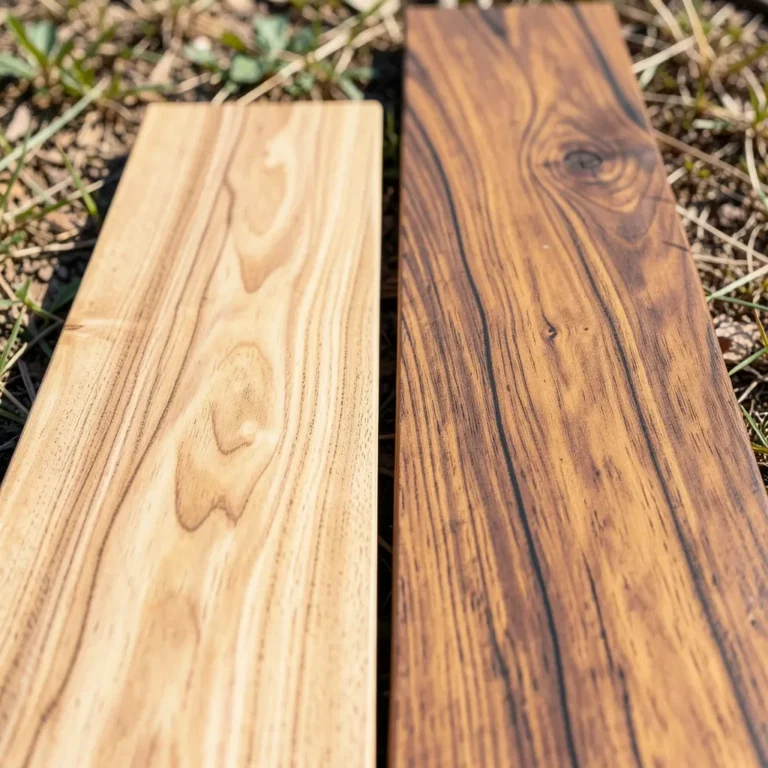
Teak patina is the natural silvery-gray color raw teak develops outdoors as its surface oils weather away in UV light. It does not weaken the wood — teak stays structurally sound whether you oil it or not — so the choice comes down to which look you want.
If you want L.L. Bean’s teak to keep its honey-brown, showroom color, apply teak oil two to three times per season, always to a clean, dry surface. If you prefer the weathered driftwood look most teak furniture ends up with anyway, do nothing at all — just rinse off dirt and pollen with plain water a few times a year. The one thing to avoid either way is oiling teak that already has mildew on it; clean with a mild soap solution first, or the oil will seal the mildew in rather than remove it.
L.L. Bean Warranty vs Polywood and Trex: What’s Actually Covered
L.L. Bean backs its outdoor furniture with a one-year satisfaction return policy, plus open-ended “defective materials or craftsmanship” consideration after that — it does not publish a numbered-year warranty the way its HDPE competitors do. According to L.L. Bean’s own guarantee page, items can be returned within one year for a refund, and defects are considered beyond that on a case-by-case basis.
| Brand | Residential Warranty | What’s Covered |
|---|---|---|
| L.L. Bean | 1-year return policy (no numbered warranty) | Refund within 1 year; defects considered after |
| Polywood | 20 years | Splitting/cracking/rot; 5 yrs on metal & hardware; 1 yr cushion fabric |
| Trex Outdoor Furniture | 20 years | Splitting/cracking/rot; 5 yrs on welds & hardware; 1 yr cushion fade |
📊 Polywood and Trex both back their HDPE poly-lumber furniture for 20 years — L.L. Bean’s comparable HDPE line carries no published equivalent, only the 1-year general return policy. Source: Polywood Warranty Policy and Trex Outdoor Furniture Warranty Policy
For a closer look at how L.L. Bean’s poly-lumber pieces actually hold up next to a 20-year-backed competitor, see our Polywood comparison guide.
“A 1-year return window isn’t the same as a 20-year warranty, even if the furniture looks identical on a showroom floor. If you’re buying HDPE poly lumber specifically for the no-maintenance promise, check the warranty page before you check the price tag.”
L.L. Bean’s Outdoor Furniture Collections
The Casco Bay line covers cushioned seating — sofas, lounge chairs, and dining sets — built on aluminum or wood frames. The All-Weather line is L.L. Bean’s HDPE poly-lumber range, made from recycled plastic that never needs staining or sealing. Classic Adirondack chairs come in both real wood and poly-lumber versions, so check the material specifically before you buy — the care routine (and the warranty situation above) is completely different between the two.
Care and Maintenance Tips
Wood and metal furniture need different routines. Clean wood with a soft cloth and mild soap; avoid harsh chemicals that strip natural oils. For metal, check for rust spots and treat them with a wire brush and a rust-inhibiting paint before they spread. A full finish repair is rarely necessary on teak, but it can save an aluminum or wicker piece with a damaged coating.
Cushions and fabrics should be vacuumed regularly and spot-cleaned with mild soap and water for deeper stains. Rinse fully and let them air dry — trapped moisture is what causes mildew, not the outdoor exposure itself.
Winter storage differs by material. Real teak and cedar can stay outside year-round in most climates — covering it is optional, not required. HDPE poly-lumber furniture also tolerates cold fine, but its hardware (bolts, brackets) benefits from a yearly check since freeze-thaw cycles can loosen fittings. Wicker and cushions are the exception: bring cushions indoors and cover or store wicker pieces to keep moisture out of the weave over winter.
Accessorizing Your Outdoor Haven
Rugs add warmth underfoot, and outdoor-rated pillows add color without soaking up water like indoor fabric would. Good lighting matters too — string lights or lanterns placed around seating areas extend how much of the evening you actually use the space.
Storage solves the biggest practical problem with outdoor furniture: where cushions and small items go when they’re not in use. See our deck accessories guide for storage bench and deck box options that keep cushions dry between uses.
| Storage Solution | Benefit |
|---|---|
| Storage benches | Keep cushions and accessories dry |
| Deck boxes | Store larger items like toys and games |
| Wall-mounted racks | Save floor space and keep items organized |
Shopping Guide for Your Perfect Fit
Measure your space with a tape measure before shopping — note the length and width of your patio or deck, and leave at least 3 feet of walking room around any table-and-chair set. Think about how you actually use the space: frequent entertainers need a larger table and chairs, while solo relaxing calls for a small bistro set or a single lounge chair.
Match the material to your climate and maintenance appetite: pick real teak if you want the look and don’t mind occasional oiling, HDPE poly lumber if you want zero upkeep and don’t mind the shorter return window, or aluminum-framed wicker for a lighter, easy-to-move option. Refinishing an older set is also worth considering before buying new if the frame itself is still solid.
Wrapping Up: The Great Outdoors With L.L. Bean
L.L. Bean’s outdoor furniture spans real teak, HDPE poly lumber, aluminum, and all-weather wicker — each with a different upkeep routine and a different long-term cost of ownership. The material you pick matters more than the collection name: teak rewards a little seasonal care, HDPE asks for almost none, and either one can furnish a patio for years if you match it to your climate and maintenance habits.
Whichever you choose, know the real return policy going in — a 1-year window, not a 20-year warranty — so there are no surprises if a piece develops a problem down the road.
Frequently Asked Questions
What Materials Are Used in L.L. Bean Outdoor Furniture?
L.L. Bean outdoor furniture is made primarily from real teak, recycled HDPE poly lumber, aluminum, and all-weather synthetic wicker. Teak and cedar offer natural weather resistance; HDPE poly lumber (the All-Weather line) never needs painting or sealing. Aluminum frames stay lightweight and rust-free, while all-weather wicker resists fading better than natural rattan.
Is L.L. Bean Outdoor Furniture Easy to Maintain?
Yes, with different routines by material. HDPE poly-lumber pieces need only an occasional soap-and-water wash. Real teak needs oiling two to three times a season if you want to keep its honey-brown color, or no maintenance at all if you’re fine with it turning naturally silver. Cushions should be vacuumed regularly and spot-cleaned as needed.
Can L.L. Bean Outdoor Furniture Withstand Harsh Weather?
Yes. Teak, HDPE poly lumber, and aluminum are all built to handle sun, rain, and temperature swings without structural damage. HDPE and aluminum can stay outside year-round in most climates. All-weather wicker holds up well too, but covering it or storing it over winter helps keep moisture out of the weave.
Where Can I Buy L.L. Bean Outdoor Furniture?
L.L. Bean outdoor furniture is sold through L.L. Bean’s own website and retail stores; it is not sold through Amazon or other third-party marketplaces. Check L.L. Bean’s site directly for seasonal sales, since availability and promotions change by season.
Is L.L. Bean Outdoor Furniture Worth It?
It depends on the material and what you value. Real teak is worth it for an heirloom natural-wood look with modest upkeep. The HDPE poly-lumber line costs less than premium competitors but is backed by only a 1-year return policy rather than a numbered warranty, so it’s a better fit for buyers who replace furniture more often than for those expecting decades of coverage.
How Does L.L. Bean Compare to Polywood or Trex Outdoor Furniture?
The biggest difference is the warranty, not the material itself: Polywood and Trex both back their HDPE poly-lumber furniture with 20-year residential warranties, while L.L. Bean offers a 1-year return policy with case-by-case defect consideration after that. If a long written warranty matters more to you than brand, Polywood or Trex may be the safer buy for poly furniture specifically.
Conclusion
L.L. Bean outdoor furniture combines real craftsmanship with a range of materials to fit different budgets and maintenance preferences. Choosing between teak, HDPE poly lumber, aluminum, or wicker comes down to how much upkeep you want to do and how much weight you put on a long written warranty. Know the real return policy, match the material to your climate, and either option can furnish a patio you’ll use for years.
Sponsored / affiliate links. As an Amazon Associate I earn from qualifying purchases. I may earn additional commission from eligible campaigns.