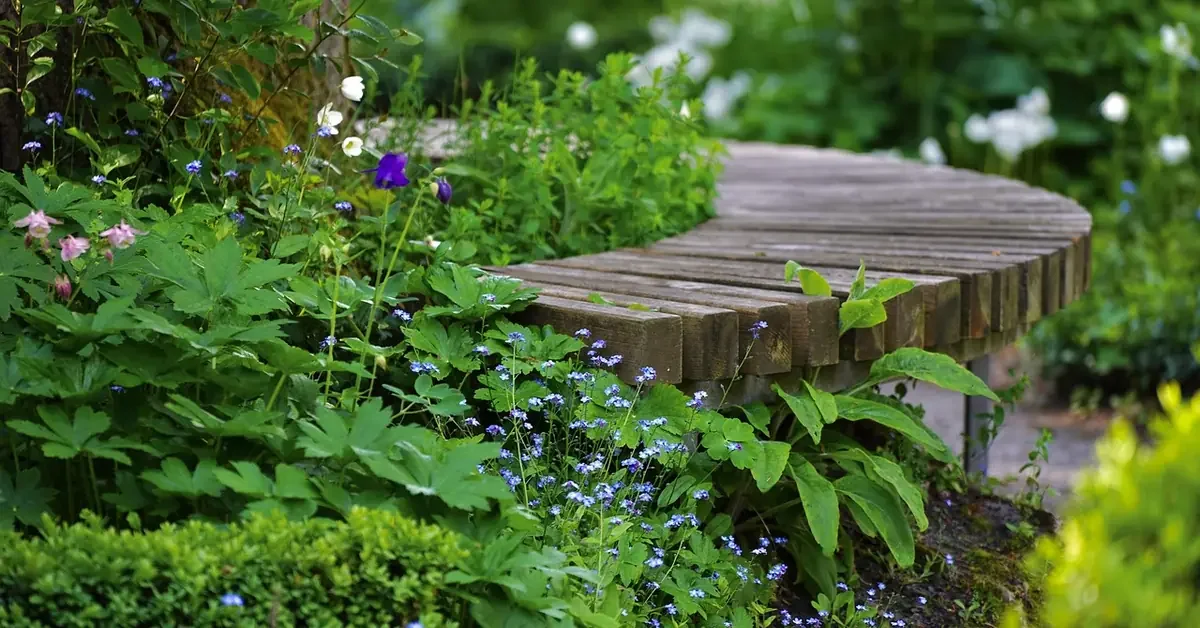
DIY Garden Bench: Build One for Under $50 (Cut List Included)
A DIY garden bench costs about $45 to $65 in lumber, roughly a fifth of a $200-plus store-bought version, and takes a weekend to build with nine 1x4x8 boards, exterior screws, and wood glue. Skip standard pressure-treated pine near flower beds, though, since the chemical treatment can leach copper into soil. This guide covers the exact cut list, the 17-18-inch seat height standard, and which wood species actually survive rain and sun.
How Much Does a DIY Garden Bench Cost? (Materials and Cut List)
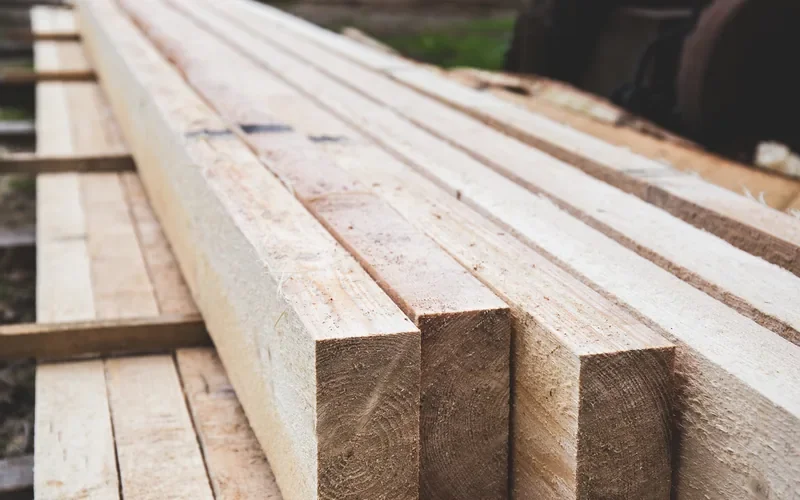
A basic slatted garden bench built from nine 1x4x8 cedar or pine boards runs about $45 to $65 in materials, plus a few dollars for glue and finish. That’s a fraction of the $150 to $300 that a comparable store-bought bench costs at a garden center, and you can size it to fit your own space instead of a factory dimension. Start with our full woodworking projects and tips guide if this is your first build.
| Item | Quantity | Approx. Cost |
|---|---|---|
| 1x4x8 boards (cedar or pine) | 9 | $5-$8 each ($45-$72 total) |
| 3-inch exterior wood screws | ~40 | $9 (137-pack covers extras) |
| Exterior-rated wood glue | 1 bottle | $6 |
| Exterior stain or paint | 1 quart | $15-$20 |
| Total (typical build) | $45-$65 |
📊 A basic 4-foot slatted bench built from nine 1x4x8 boards runs about $45 in materials — Source: Rogue Engineer DIY garden bench plans, 2026
Best Exterior Deck Screws Pick
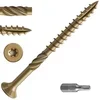 |
Wensilon #10 x 3″ Deck Screws (137-Pack) – $8.99 Covers the roughly 40 screws this bench’s frame and slats need, with enough left over for the backrest and any repairs, and the included T25 bit means no separate driver-bit purchase.
|
As an Amazon Associate we earn from qualifying purchases.
Choosing the Right Wood for a Garden Bench
Cedar is a naturally rot-resistant softwood that repels insects and shrugs off moisture without chemical treatment, which is why it’s the default pick for a bench that sits directly on soil or grass. Pine costs less up front but needs a sealant reapplied every year to match cedar’s outdoor lifespan. Teak resists weather for decades even left untreated, but it typically costs three to four times more than cedar per board foot. Not sure which species fits your budget and climate? Our seven bench wood species compared guide breaks down rot resistance, hardness, and price per board foot in detail, and our cedar vs. pine comparison goes deeper on those two specifically.
| Species | Rot Resistance (untreated) | Relative Cost | Best For |
|---|---|---|---|
| Cedar | High (15-20 yrs) | $$ | Most builds, no sealant required |
| Pressure-treated pine | Moderate (10-15 yrs, chemical) | $ | Budget builds away from garden beds |
| Redwood | High (15-20 yrs) | $$$ | Warm, low-humidity climates |
| Teak | Very high (25+ yrs) | $$$$ | Heirloom-quality benches |
Essential Tools You’ll Need
A circular saw or miter saw handles all the straight cuts on the cut list above; add a jigsaw only if you want a curved backrest profile. A cordless drill/driver with a Phillips or star-drive bit drives every screw, and a tape measure plus a speed square keep each leg frame square before you fasten it. Bar clamps hold boards steady while you pre-drill, and safety glasses, ear protection, and a dust mask round out the setup. For the full breakdown of blade types and which saw suits which cut, see our woodworking tools and saws guide.
Standard Garden Bench Dimensions
Seat height is the dimension that determines whether a bench feels comfortable, and it’s typically 17 to 18 inches from the ground, matching a standard dining chair. Go lower and it feels like a step stool; go higher and shorter sitters’ feet dangle.
| Measurement | Standard Range | Notes |
|---|---|---|
| Seat height | 17-18 in | Matches dining chair height |
| Seat depth | 16-20 in | Deeper for lounging, shallower for tight spaces |
| Bench length | 48-72 in (4-6 ft) | 48 in minimum for two adults |
| Backrest angle | 95-100° from seat | A slight recline beats dead vertical |
| Kids’ bench height | 12-14 in | Scale the whole design down proportionally |
Step-by-Step Construction
- Cut your boards: Using the cut list above, cut four 17-inch legs, two 42-inch stringers, and five 42-inch seat slats from your 1x4x8 boards with a circular saw.
- Build the leg frames: Screw a front leg to a back leg using a short cross-brace, checking each frame is square with a speed square before driving screws.
- Attach the long stringers: Connect the two leg frames with the 42-inch front and back stringers, pre-drilling pilot holes so the wood doesn’t split near the ends.
- Install the seat slats: Space the five seat slats evenly across the frame, leaving a 1/4-inch gap between boards for water drainage, and drive two screws per slat per leg.
- Add the backrest: Attach angled back supports to the rear legs at roughly a 5-10 degree recline, then screw on two to three backrest slats.
- Sand and inspect: Sand all edges and screw heads with 120-grit sandpaper, then confirm the bench sits flat on all four legs without rocking before finishing.
Finishing Touches
Work through three sandpaper grits in order — 80-grit to knock down rough saw marks, 120-grit to smooth the surface, and 220-grit for the final pass before finish goes on. Stain shows off the wood grain and needs reapplying every one to two years outdoors; paint hides the grain but holds up two to three years between coats. Apply two coats of either with a brush or foam roller, letting each coat dry a full 24 hours before the next.
“Skipping the 220-grit final pass on cedar leaves the surface slightly fuzzy once the finish soaks in — that raised grain is the most common finish complaint we see on first-time outdoor builds.”
Common Mistakes to Avoid
- Skipping pilot holes: Cedar and pine both split near board ends without a pre-drilled pilot hole, especially within an inch of an edge.
- Using interior-rated screws: Standard interior screws rust and stain the wood within a season; use exterior-rated coated or stainless screws only.
- No drainage gap: Butting seat slats tight together traps water between boards and accelerates rot — leave a 1/4-inch gap.
- Setting legs directly on soil: Bare end grain in contact with dirt pulls in moisture; use rubber feet or set the bench on a small gravel pad instead.
- Ignoring the backrest angle: A perfectly vertical backrest looks tidy in a sketch but gets uncomfortable within twenty minutes of sitting.
Maintenance Tips
Clean the bench a few times a season with a soft brush and soapy water, then rinse and let it air dry. Reseal pine annually and cedar every two years to keep either species at its rated lifespan. Check screws for looseness each spring and retighten before they wear the pilot holes oval. If rot has already started on an older bench or nearby fence, our wood rot repair guide covers cutting out and patching damaged sections before it spreads.
Incorporating the Bench Into Your Garden
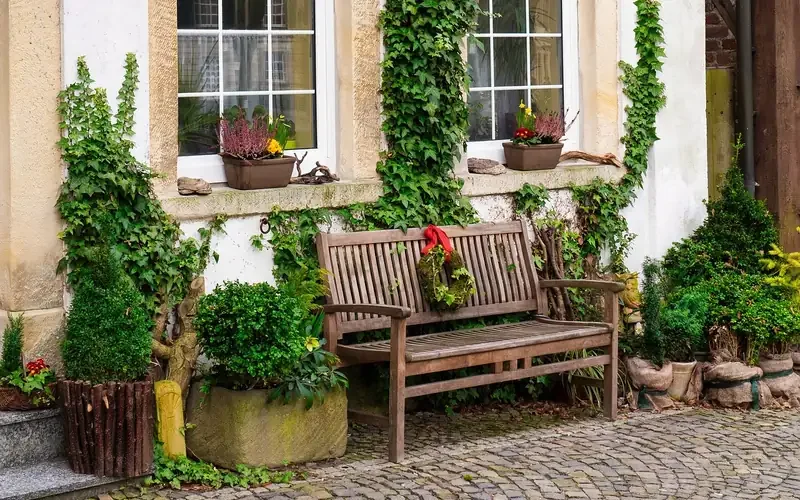
Place the bench where it faces something worth looking at — a flower bed, a tree line, or a path — and pick a partly shaded spot so the seat doesn’t become too hot to sit on in direct summer sun. Potted plants or low climbing plants along the base soften the hard edges of the frame, and a small side table nearby adds a spot for a drink or a book.
Frequently Asked Questions
How do you build a DIY garden bench?
Cut nine 1x4x8 boards into legs, stringers, and slats, then build two square leg frames and connect them with the long stringers. Attach the seat slats with a 1/4-inch drainage gap, add an angled backrest, sand with 120-grit, and finish with stain or paint. A basic bench takes a weekend and about $45-$65 in materials.
How do I prevent my DIY bench from rotting?
Build with a naturally rot-resistant species like cedar or redwood, leave a 1/4-inch gap between seat slats for drainage, and keep the leg ends off bare soil with rubber feet or a gravel pad. Seal the wood on install and reapply that sealant every one to two years depending on the species.
What’s the best wood for a garden bench?
Cedar offers the best balance of rot resistance and price for most builds, lasting 15-20 years untreated. Teak lasts even longer, 25 or more years, but costs three to four times as much per board foot, so it makes sense mainly for a bench you expect to keep for decades.
What is a good height for a garden bench?
A good height for a garden bench is 17 to 18 inches from the ground, matching a standard dining chair. Benches built for children work better at 12 to 14 inches, scaled down proportionally from the adult design.
How much does it cost to build a DIY garden bench?
A basic slatted bench built from nine 1x4x8 boards costs about $45 to $65 in materials, including screws, exterior wood glue, and a quart of stain or paint. That compares to $150-$300 for a similar bench bought pre-made from a garden center.
Do I need to seal a cedar garden bench?
Cedar resists rot on its own, but an exterior stain or sealant still protects its color from graying in UV light and extends how long it looks new. Reapply every two years; skipping it won’t rot the bench quickly, but it will turn silvery-gray within a season.
Conclusion
A DIY garden bench is a weekend project that costs a fraction of a store-bought one and can be sized and finished exactly how you want. Stick to the 17-18-inch seat height standard, pick cedar or another rot-resistant species, and leave that drainage gap between slats, and the bench will hold up for well over a decade with basic yearly upkeep.
Sponsored / affiliate links. As an Amazon Associate I earn from qualifying purchases. I may earn additional commission from eligible campaigns.