The Legacy of Sears and Roebuck Radial Arm Saws
I remember the first time I saw a radial arm saw in my uncle’s garage. It was a Craftsman, proudly stamped with the Sears logo, and it looked like it could handle anything. Sears and Roebuck, a retail giant, introduced these saws under their Craftsman brand decades ago. They were game-changers in the woodworking world. From the 1950s to the 1990s, these saws were a staple in home workshops and job sites across the USA. They were built by Emerson Tool Company, and their durability made them legendary.
The radial arm saw was designed for versatility. It could crosscut, rip, and even tackle dados with ease. Unlike today’s sliding compound miter saws, these machines were the go-to for woodworkers back then. I’ve talked to old-timers who swear by their Sears saws, claiming they could cut through oak like butter. But they weren’t perfect. Safety concerns, like the lack of blade guards on older models, led to recalls. Still, their legacy lives on, and many are still in use today.
Why the Craftsman Radial Arm Saw Stood Out
Let me tell you, the Craftsman radial arm saw wasn’t just another tool. It was a powerhouse. What made it special? First, it had a unique design. The blade was mounted on an arm that moved along a track. This let you pull the blade through the wood, giving you precision for crosscuts. I’ve used one to cut long boards, and it felt like the saw was doing half the work for me.
Another standout feature was its adjustability. You could tilt the blade for bevel cuts or adjust the arm for miter cuts. Some models even had electronic displays for precise settings, which was high-tech for the time! I remember fiddling with the knobs on an older model, amazed at how many angles I could achieve. Plus, Sears offered accessories like dado blades and molding heads, turning the saw into a multi-tool.
Here’s a quick breakdown of why these saws were so popular:
| Feature | Description |
|---|---|
| Versatility | Crosscuts, rips, miters, bevels, and dados—all in one machine. |
| Durability | Built to last, with many saws from the 1960s still working today. |
| Adjustability | Easy to tweak for precise angles and depths. |
| Affordability | Priced between $100-$700, making it accessible for hobbyists and pros. |
| Brand Trust | Backed by Sears’ reputation for quality woodworking tools. |
The Evolution of the Radial Arm Saw
When I started digging into the history of the Sears and Roebuck radial arm saw, I was amazed by how it evolved. The first models hit the market in the 1950s. They were simple but sturdy, with cast-iron arms and powerful motors. By the 1960s, Sears introduced larger 10-inch and 12-inch models, like the Craftsman 113.29411. These were beasts, capable of cutting thick lumber with ease.
In the 1970s, Sears added electronic features to some models. I’ve seen one with a digital readout for miter and bevel angles—pretty cool for that era! But as time went on, Sears faced competition. Sliding compound miter saws started taking over in the 1990s. They were lighter, safer, and easier to move. I’ve used both, and while miter saws are great for portability, they lack the raw power of a radial arm saw.
By the 2000s, Sears stopped making new radial arm saws. The company shifted focus, and Craftsman tools changed hands. But the older saws? They’re still out there, humming away in garages and workshops. I recently helped a friend restore a 1969 model, and it felt like bringing a piece of history back to life.
Safety Concerns and Recalls
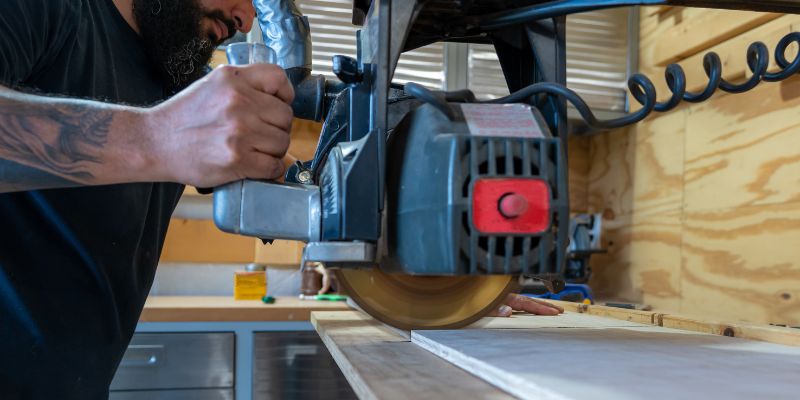
Now, I’ve got to be honest—radial arm saws have a reputation for being dangerous. I learned this the hard way when I almost had a kickback scare. The blade can grab the wood and fling it back if you’re not careful. Older Sears models, especially those from 1958 to 1995, had a big issue: no blade guard. This led to serious injuries, like cuts and even amputations.
In 2000, the U.S. Consumer Product Safety Commission and Emerson announced a recall of about 3.7 million Craftsman radial arm saws. The fix? A free blade guard kit. If you own one, you can still contact Emerson for the retrofit. I checked on a friend’s saw, and we found the model number (starting with 113) on the base. It qualified for the recall, and the new guard made a huge difference. Safety first, right?
Here’s my advice: always wear eye and ear protection. Keep your hands clear of the blade path. And make sure your workpiece is secure against the fence. I’ve learned to double-check everything before I hit the power switch.
Restoring a Sears Radial Arm Saw
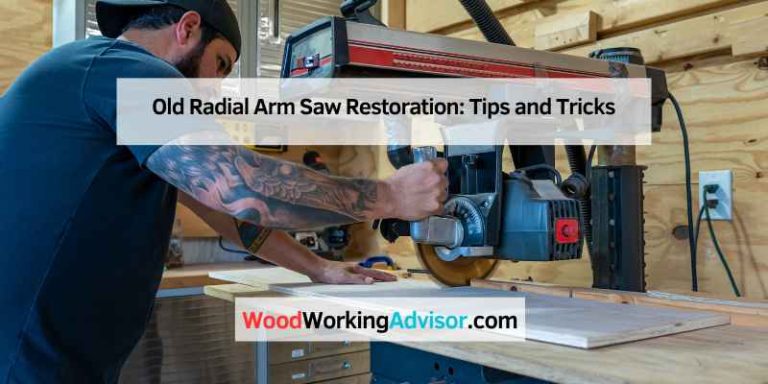
Restoring an old Craftsman radial arm saw is like bringing a classic car back to life. I helped a buddy fix up his 1970s model, and it was a labor of love. First, we checked the motor. It was sluggish, so we cleaned and lubricated it. Next, we replaced the table surface with high-density fiberboard. The old one was warped, which can mess up your cuts.
We also adjusted the arm to ensure it moved smoothly. A trick I learned is to use a crayon to highlight the model number if it’s faded. Parts are still available through sites like Sears PartsDirect, which was a lifesaver for us. We found new rails and a blade guard kit. If you’re restoring one, look for manuals online—sites like eBay often have vintage Craftsman manuals for cheap.
One thing I love about these saws is their build quality. The cast-iron arms are tough as nails. But they can wear out. If your saw won’t hold alignment, it might be time for new bearings or rails. I’ve also swapped out old blades for modern ones, like a 60-tooth Forrest Woodworker I. It cuts cleaner than anything I’ve used before.
How to Use a Radial Arm Saw Safely
Using a radial arm saw can be intimidating, but I’ve got some tips to make it safe and fun. First, set up a flat table. A warped table leads to wobbly cuts. I learned this when my first few cuts were off by a hair. Next, calibrate the arm to the table. Use a square to check that the blade is perpendicular.
Always pull the blade toward you for crosscuts. For ripping, feed the wood slowly and use a push stick. I keep a wooden dowel handy for this. Never reach over the blade while it’s spinning. And don’t rush—take your time to line up the cut. I once hurried a cut and ended up with a jagged edge. Lesson learned!
For precise work, like cutting tenons, use a dado blade. I’ve done this for furniture projects, and it’s a game-changer. Just make sure the blade has a negative hook angle to reduce kickback. A friend recommended a Freud SD300, and it’s been solid for me.
Where to Find a Sears Radial Arm Saw Today
If you’re itching to get your hands on a Sears and Roebuck radial arm saw, you’re in luck—they’re still out there! I’ve seen them on eBay, Craigslist, and even at Habitat for Humanity ReStores. Prices range from $50 for a fixer-upper to $300 for one in great shape. I snagged a 1960s model for $75, but it needed some TLC.
Check the model number before buying. Models starting with 113 are common, and many qualify for the recall kit. Look for saws with minimal wear and all their parts. Accessories like dado sets or molding heads are a bonus. If you’re lucky, you might find a manual included. I found a 1961 “Know How” manual on eBay, and it’s like a woodworking Bible.
Why Woodworkers Still Love These Saws
Even with modern tools, the Craftsman radial arm saw has a loyal fanbase. I’ve met woodworkers who won’t part with theirs. Why? For one, they’re versatile. You can do almost anything with them—crosscuts, miters, even shaping with the right attachments. They’re also built to last. My friend’s 1969 model still cuts like it’s brand new.
Another reason is nostalgia. For many, these saws remind them of their dad’s or grandpa’s workshop. I get the same feeling when I fire up my uncle’s old Craftsman. It’s like stepping back in time. Plus, for hobbyists like me, restoring one is a fun project. There’s something satisfying about bringing an old tool back to life.
Comparing Radial Arm Saws to Modern Alternatives
I’ve used both radial arm saws and modern miter saws, and they each have their strengths. A radial arm saw excels at crosscutting long boards. It’s also great for heavy-duty tasks, like cutting 4x4s. But it’s heavy and takes up space. My 12-inch Sears saw weighs over 200 pounds!
Miter saws, on the other hand, are portable and safer. They’re my go-to for quick jobs on a job site. But they can’t match the radial arm saw for versatility. If you’re doing complex cuts or need a stationary tool, the Sears saw wins. I use my miter saw for trim work, but my Craftsman is my shop’s workhorse.
Tips for Maintaining Your Sears Radial Arm Saw
Keeping your radial arm saw in top shape is easy if you know what to do. I check mine every few months. Clean the motor and lubricate moving parts with machine oil. Wax the table to reduce friction—I use car wax for this. Inspect the blade for dullness. A dull blade makes the saw work harder and increases kickback risk.
Check the alignment regularly. If the arm drifts, your cuts will be off. I use a machinist’s square to keep things true. Also, store your saw in a dry place. Rust is the enemy of cast-iron parts. I learned this when I left my saw in a damp garage—took hours to clean it up!
Conclusion
As I sit here thinking about the Sears and Roebuck radial arm saw, I can’t help but smile. It’s more than just a tool—it’s a piece of woodworking history. From its versatile design to its rock-solid build, it’s no wonder so many woodworkers still cherish their Craftsman saws. Sure, they have their quirks, and safety is a must. But with a little care, these saws can last a lifetime.
Whether you’re restoring a vintage model or using one for your next project, the radial arm saw offers something special. It’s a reminder of a time when tools were built to endure. So, if you’re a woodworker or just love a good DIY challenge, consider tracking down one of these classics. You might just fall in love with it like I did. Got one in your shop? Fire it up and make something amazing!
FAQs
What makes the Sears and Roebuck radial arm saw unique?
It’s a versatile tool that can handle crosscuts, rips, miters, and dados. The Craftsman brand was known for durability, and the saw’s adjustable arm made it a favorite for precise cuts.
Are Sears radial arm saws safe to use?
They can be safe if used correctly. Older models lacked blade guards, leading to a recall. Always use the guard kit, secure your workpiece, and wear protective gear.
Where can I find parts for my Craftsman radial arm saw?
Check Sears PartsDirect or eBay for parts like blades, rails, and manuals. Some aftermarket brands, like Forrest, make compatible blades.
Can I still get a blade guard for my Sears saw?
Yes! Emerson Tool Company offers free blade guard kits for recalled models. Contact them with your model number (usually starting with 113).
How do I restore an old radial arm saw?
Clean the motor, lubricate moving parts, replace the table if warped, and check alignment. Use new blades and source parts from Sears PartsDirect or eBay.
Are radial arm saws better than miter saws?
It depends. Radial arm saws are great for heavy-duty, versatile cuts in a fixed shop. Miter saws are portable and safer for quick jobs.