Severe Weather Wood vs Treated Wood: Which Is Better?
Deciding between wood types for outdoor projects can feel a bit tricky, especially when facing harsh weather. For many folks starting out, the question Severe Weather Wood vs Pressure Treated: Which Is Better? pops up often. It sounds like a big decision, and it can be confusing with all the different terms.
But don’t worry! We’ll break it down simply, step by step, so you can choose the right wood for your needs. Let’s figure this out together.
Understanding Wood for Severe Weather
Choosing the right wood for projects exposed to tough weather conditions is important. This section helps you see why some woods stand up better than others. We will look at the natural strengths of certain wood types and how they handle rain, sun, and wind.
This knowledge helps you make smart choices for outdoor builds that last.
Natural Wood Durability
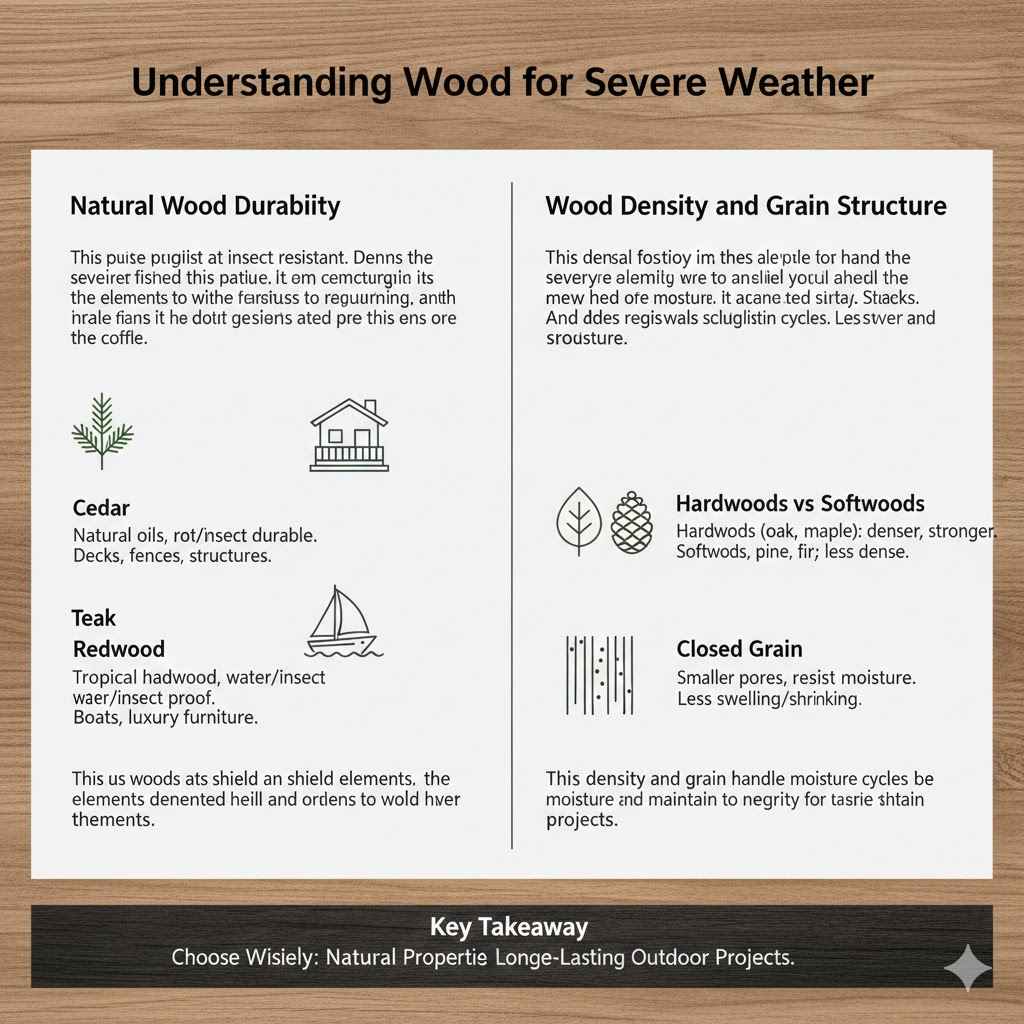
Some wood species have natural oils and dense structures that make them more resistant to decay and insects. These woods are often called “naturally durable” or “rot-resistant.” They can be a great choice if you want a more natural look or prefer to avoid chemical treatments. However, they might be more expensive and harder to find.
- Cedar: This wood is well-known for its natural oils and pleasant smell. It’s also naturally resistant to rot and insects. Many people like using cedar for decks, fences, and outdoor furniture because it looks beautiful and lasts a long time without chemicals. It’s also relatively lightweight, making it easier to work with.
- Redwood: Similar to cedar, redwood is very durable and resistant to decay. It has a rich color and a classic look. Redwood is often used for high-end outdoor structures where longevity and appearance are key. It’s more expensive than many other woods.
- Teak: This is a tropical hardwood famous for its incredible durability and resistance to water and insects. Teak is often used in boat building and high-quality outdoor furniture. It’s one of the most expensive wood options.
These naturally durable woods offer excellent performance against the elements. Their natural compounds act as a shield, preventing moisture from causing rot and deterring pests from eating away at the wood. This means less maintenance and a longer lifespan for your outdoor structures.
Wood Density and Grain Structure
The density of wood plays a big role in its strength and how it reacts to weather. Denser woods are generally harder to penetrate with water and resist impacts better. The grain pattern also matters; tightly packed grains can provide a more solid barrier.
- Hardwoods vs Softwoods: Hardwoods, which come from deciduous trees (like oak and maple), are typically denser and stronger than softwoods, which come from coniferous trees (like pine and fir). This density often translates to better resistance to wear and tear from severe weather.
- Closed Grain: Woods with closed grain structures have smaller pores. This makes it harder for moisture to get deep into the wood, which is a major cause of rot. It also makes the wood less likely to swell or shrink significantly with changes in humidity.
When wood absorbs water, it can cause swelling and shrinking. Over time, these changes put stress on the wood, leading to cracks and warping. Denser woods with tighter grains handle these cycles more gracefully, maintaining their shape and structural integrity for longer periods.
Exploring Pressure Treated Wood
Pressure treated wood is a popular choice for outdoor projects because it’s designed to resist rot, decay, and insect attacks. This is achieved by forcing preservatives deep into the wood under pressure. This section will explain how it’s made and why it’s so effective for outdoor use.
The Pressure Treating Process
Pressure treating involves placing wood into a large, sealed cylinder. A vacuum is pulled to remove air from the wood cells. Then, a chemical solution containing preservatives is pumped into the cylinder under high pressure, forcing it deep into the wood.
The wood is then removed, and excess preservative is drawn out.
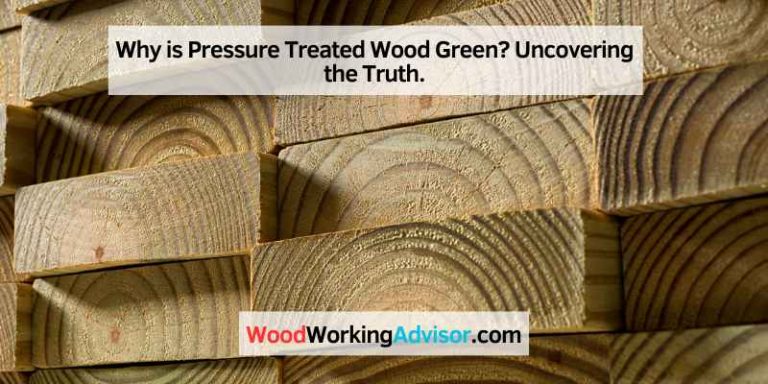
- Wood Choice: Most commonly, pine and fir are used for pressure treating because their cell structure allows the preservatives to penetrate easily. This makes them a cost-effective option for many building needs.
- Preservatives Used: Modern pressure treatments use chemicals like copper quaternary (ACQ), alkaline copper quaternary (ACQ), and copper azole (CA). These chemicals are effective at preventing fungal decay and insect infestation. Older treatments, like Chromated Copper Arsenate (CCA), are no longer widely used for residential applications due to health concerns.
- Penetration Depth: The goal is to ensure the preservatives penetrate the entire wood core, not just the surface. This deep penetration provides long-lasting protection, even if the wood is cut or damaged.
This process ensures that the entire piece of wood is protected, offering a high level of resistance against common wood-destroying organisms. It’s this deep, thorough protection that makes pressure treated wood a go-to for many outdoor applications.
Benefits of Pressure Treated Wood
Pressure treated wood is a top pick for outdoor construction for several key reasons. It offers excellent protection against common threats that can damage untreated wood, making structures last much longer and require less upkeep.
- Rot and Decay Resistance: The preservatives in the wood actively prevent fungi from growing and breaking down the wood fibers. This is crucial in damp or humid environments where untreated wood would quickly start to rot.
- Insect Protection: Chemicals like copper are toxic to insects like termites and carpenter ants, making the wood unappealing and deadly to them. This keeps your structures safe from pest damage.
- Cost-Effectiveness: Compared to some naturally durable woods, pressure treated lumber is generally more affordable, making it accessible for a wide range of budgets and projects. It provides excellent value for its longevity.
- Versatility: It can be used for a wide variety of outdoor projects, including decks, fences, pergolas, retaining walls, and even playground equipment. Its strength and durability make it suitable for structural applications.
The long-term benefits of using pressure treated wood are significant. You invest in a material that can withstand the elements for many years, reducing the need for frequent repairs or replacements. This saves both money and effort over the life of your project.
Severe Weather Wood vs Pressure Treated: Which Is Better?
Now let’s get to the heart of the matter: comparing naturally durable woods and pressure treated wood for severe weather. Both have their strengths, and the best choice really depends on what matters most for your specific project. We’ll look at how they perform when the weather gets rough.
Performance in Harsh Conditions
When facing extreme weather like heavy rain, intense sun, or strong winds, both types of wood have ways of holding up. Understanding their specific strengths will help you decide which is the right fit for your needs.
- Moisture Resistance: Pressure treated wood is designed to resist water absorption due to the preservatives. Naturally durable woods like cedar and redwood also have excellent moisture resistance from their natural oils and dense structure. However, even naturally durable woods can eventually be affected by prolonged, extreme saturation.
- UV Resistance: Direct sunlight can break down wood fibers over time, causing them to become brittle and fade. While neither wood type is entirely immune, denser woods and those with natural protective compounds can withstand UV exposure better than softer untreated woods. Pressure treated wood’s protection is more against decay than UV.
- Wind and Impact Resistance: The structural integrity of the wood is key here. Denser hardwoods and well-treated softwoods can offer good resistance to wind pressure and minor impacts. It’s often the quality of installation and the fasteners used that contribute most to a structure’s ability to withstand wind.
In essence, pressure treated wood offers a chemical defense against decay and pests, while naturally durable woods rely on their inherent composition. Both can serve well in severe weather, but their failure points can differ.
Cost and Availability Comparison
When planning an outdoor project, budget and ease of access are often major deciding factors. The cost and availability of wood can vary significantly, influencing your final choice.
| Wood Type | Typical Cost | Availability |
|---|---|---|
| Pressure Treated Lumber | Most affordable | Widely available |
| Cedar | Mid-range to expensive | Generally available, can vary by region |
| Redwood | Expensive | More limited availability, especially in certain regions |
| Teak | Very expensive | Limited availability, often imported |
Pressure treated wood is typically the most budget-friendly option. It’s produced in large quantities and readily available at most lumber yards and home improvement stores. This makes it a practical choice for large projects or when you need to stay within a strict budget.
Naturally durable woods like cedar and redwood fall into a higher price bracket. Their cost reflects the time it takes for these trees to grow and the more specialized harvesting and milling processes. While they are available, you might need to seek out specific suppliers, especially for redwood.
Teak is usually the most premium and expensive choice.
Environmental and Health Considerations
Thinking about the impact of your choices on the environment and your health is also important. Different wood treatments and wood sources have varying ecological footprints and potential health concerns.
- Chemicals in Treated Wood: While modern preservatives are considered safe for most uses, some people prefer to avoid them altogether. It’s important to check the specific treatment type and its approved uses. Disposal of treated wood can also have specific guidelines.
- Renewable Resources: Naturally durable woods come from trees that can be replanted. Sustainable forestry practices ensure that harvesting these woods doesn’t lead to deforestation. Looking for certifications like FSC (Forest Stewardship Council) can help identify sustainably sourced wood.
- Off-gassing and Allergies: Some individuals might experience sensitivities to the chemicals used in pressure treated wood. Naturally durable woods, while generally safe, can still be allergenic for some people due to natural compounds or mold growth.
When considering environmental impact, it’s worth noting the lifespan of the wood. A longer-lasting product means fewer replacements and less waste over time, regardless of its treatment.
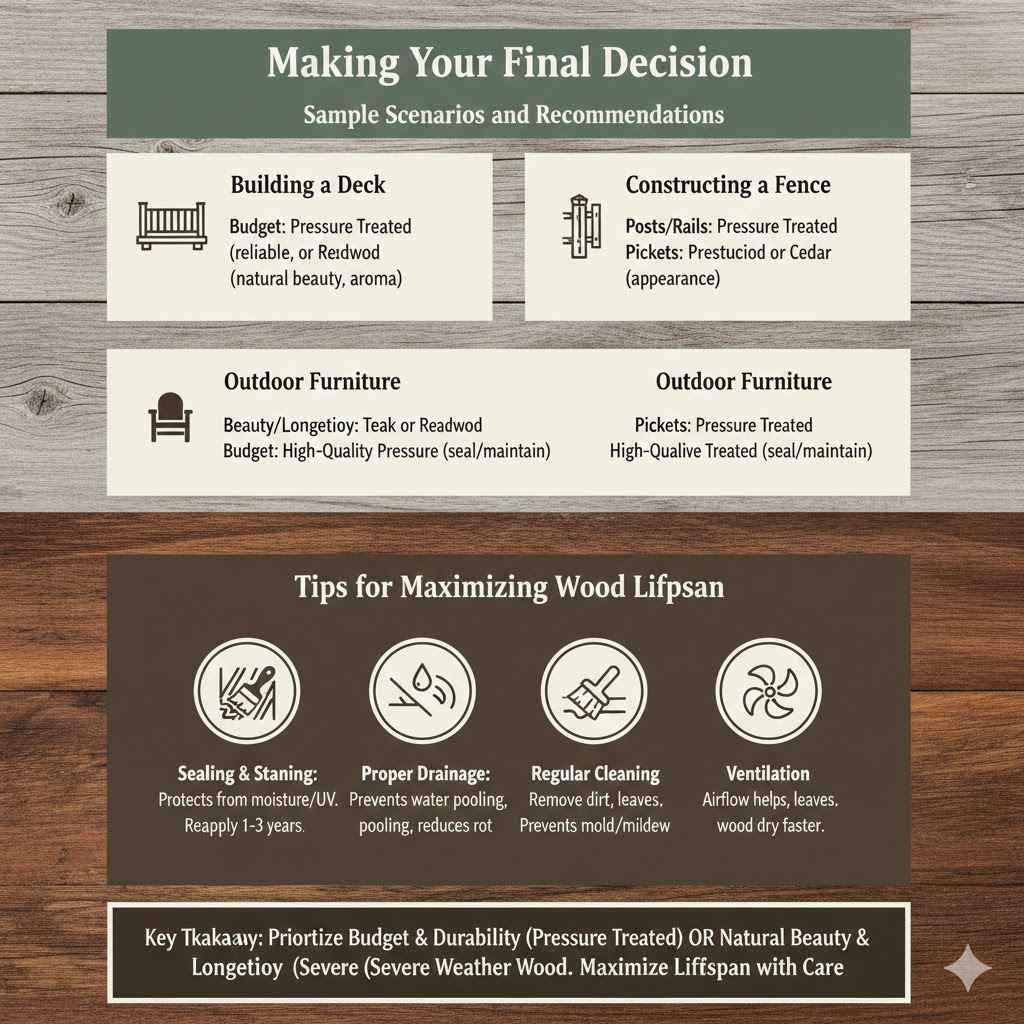
Making Your Final Decision
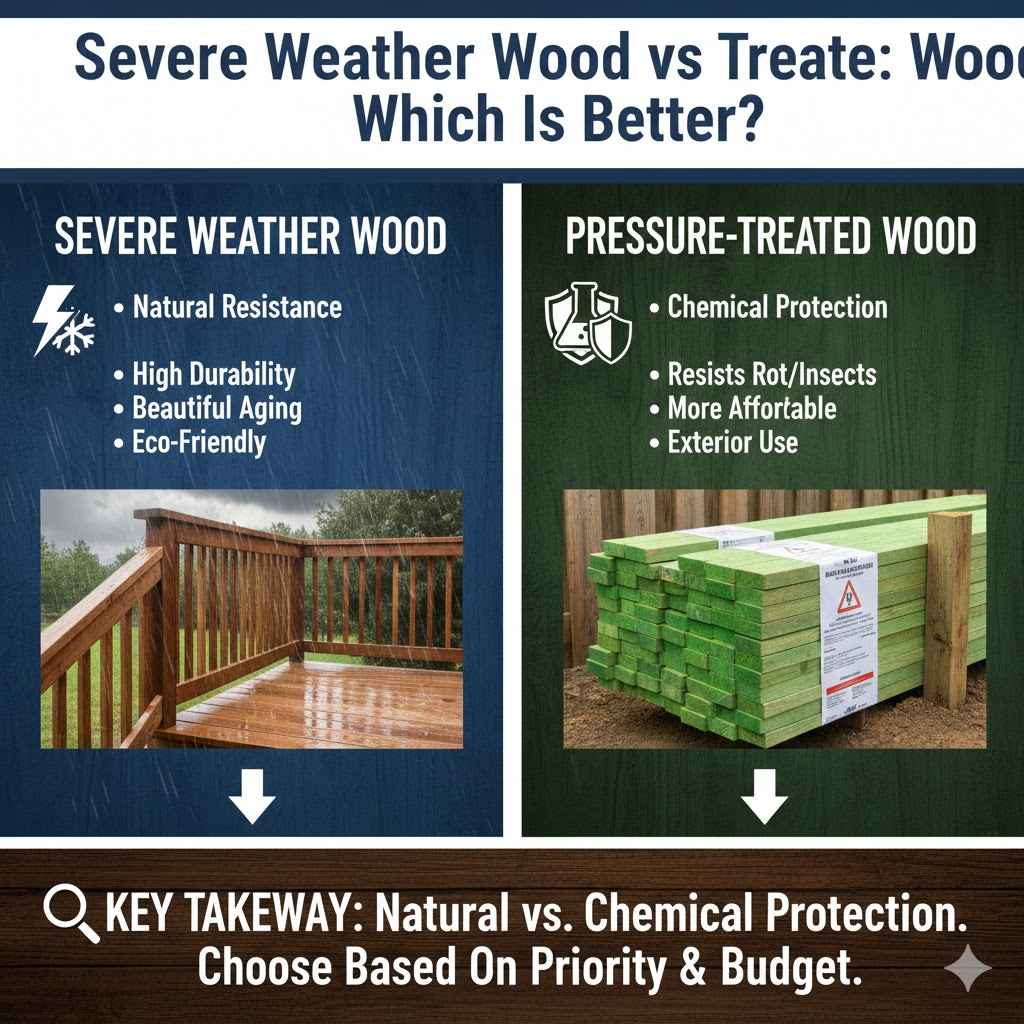
Deciding between Severe Weather Wood vs Pressure Treated: Which Is Better? boils down to your priorities. If budget is your main concern and you need a reliable, long-lasting material, pressure treated wood is a strong contender.
Its widespread availability and lower cost make it a practical choice for many outdoor projects, offering good protection against rot and insects.
On the other hand, if you value a natural aesthetic, prefer to avoid chemicals, and are willing to invest more, naturally durable woods like cedar or redwood are excellent options. They offer beautiful looks and inherent resistance to the elements, standing up well to severe weather conditions through their natural composition.
Sample Scenarios and Recommendations
Let’s look at a couple of common situations to help guide your choice. These examples show how different project needs can lead you to different wood types.
- Building a Deck: For a deck where budget is a significant factor, pressure treated lumber is often the best choice. It can withstand ground contact and the elements, providing a stable and safe surface for years. If you want a premium look and are willing to pay more, cedar or redwood are fantastic, offering a more natural beauty and pleasant aroma.
- Constructing a Fence: A fence that borders a property line or needs to withstand wind and rain can benefit greatly from pressure treated posts and rails. They offer essential protection against rot at ground level. The pickets could be pressure treated or a naturally durable wood like cedar for a more attractive finish, depending on your budget and desired appearance.
- Outdoor Furniture: For furniture that will be exposed to the elements year-round, naturally durable woods like teak or redwood are often preferred for their beauty and longevity. However, high-quality pressure treated wood can also be a good choice if cost is a concern, though it might require more frequent sealing and maintenance to maintain its appearance.
The best recommendation always depends on how the structure will be used, its exposure to weather, and your personal preferences regarding cost, appearance, and maintenance.
Tips for Maximizing Wood Lifespan
No matter which wood type you choose, a little care can go a long way in extending its life. Simple maintenance practices can help your outdoor projects look good and perform well for many years to come, even in tough weather.
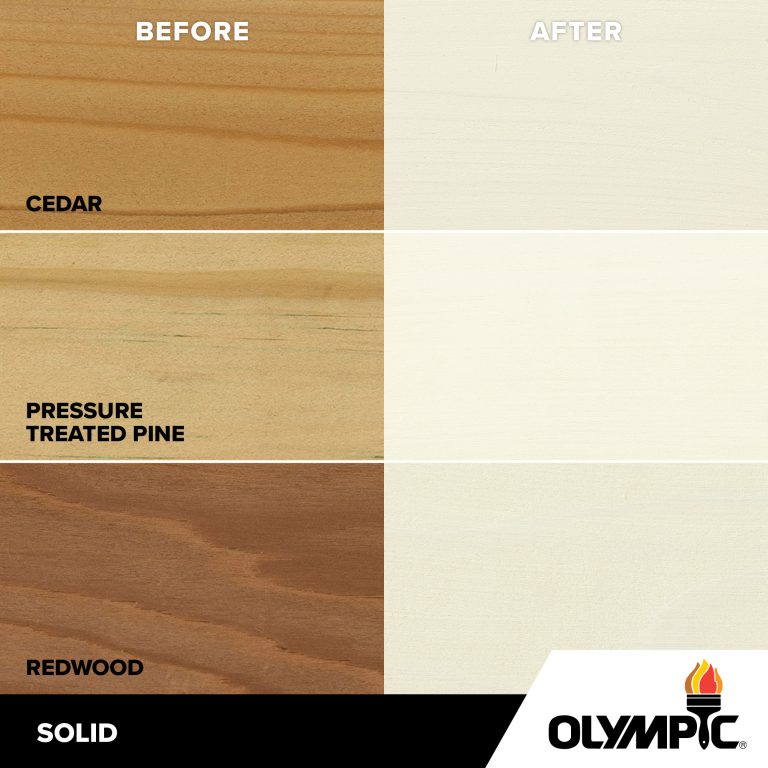
- Sealing and Staining: Applying a good quality sealer or stain can provide an extra layer of protection against moisture and UV rays. This is especially beneficial for naturally durable woods and can help maintain the color of pressure treated wood. Reapply as needed, usually every 1-3 years.
- Proper Drainage: Ensure your project area has good drainage. Water pooling around wood can accelerate rot and decay. Proper grading and the use of gravel or drainage systems can make a big difference.
- Regular Cleaning: Keep your wood structures clean. Remove leaves, dirt, and debris that can trap moisture and encourage mold or mildew growth. A mild soap and water solution with a soft brush is usually sufficient for regular cleaning.
- Ventilation: Good airflow around wood structures helps them dry out faster after rain, reducing the time they are exposed to moisture. Avoid planting dense shrubbery too close to decks or fences.
These simple steps can significantly increase the lifespan and appearance of your outdoor wood projects, saving you time and money on future repairs.
Frequently Asked Questions
Question: Is pressure treated wood safe for vegetable gardens
Answer: Modern pressure treated wood uses preservatives considered safe for most outdoor uses. However, for vegetable gardens, it’s often recommended to use naturally durable woods or untreated lumber to completely avoid any potential concerns about chemicals leaching into the soil.
Question: How often should I reseal my deck
Answer: The frequency of resealing your deck depends on the type of wood, the sealant used, and your climate. Generally, you should inspect your deck annually and reseal every 1-3 years, or when water no longer beads up on the surface.
Question: Can I paint pressure treated wood
Answer: Yes, you can paint pressure treated wood. It’s best to wait until the wood is dry, which can take several weeks or even months after purchase, depending on its moisture content. Use a primer designed for pressure treated wood before applying your paint.
Question: Which wood lasts longer naturally
Answer: Naturally durable woods like teak, redwood, and cedar tend to last a very long time naturally, often for decades, due to their inherent resistance to rot and insects. Pressure treated wood also offers excellent longevity, but its protection comes from added chemicals rather than natural composition.
Question: Is cedar better than pressure treated wood for outdoor furniture
Answer: Cedar is often preferred for outdoor furniture due to its natural beauty, pleasant aroma, and resistance to rot and insects. It has a lighter feel and a more refined look. Pressure treated wood is more budget-friendly and very durable, making it a practical choice, but it may not offer the same aesthetic appeal.
Conclusion
When comparing Severe Weather Wood vs Pressure Treated: Which Is Better?, pressure treated wood offers an affordable, widely available solution for tough conditions. Naturally durable woods provide inherent beauty and resistance, ideal for those seeking a premium, chemical-free option. Both can serve well, with proper care enhancing longevity.