
Your Ultimate Guide to Sherwin-Williams SuperDeck Stains: Everything You Need to Know
Hey there! If you’re looking to breathe new life into your deck, fence, or outdoor wood project, you’ve probably come across Sherwin-Williams SuperDeck Stains. Let me tell you, I’ve spent plenty of time exploring these products, rolling up my sleeves, and getting hands-on with deck staining projects. There’s something so satisfying about transforming a weathered deck into a stunning centerpiece for your backyard. SuperDeck stains promise durability, vibrant colors, and protection for your wood, but there’s a lot to unpack to make sure you’re choosing the right product for your needs. In this guide, I’m going to walk you through everything I’ve learned about SuperDeck stains—what makes them special, how to use them, and what to watch out for. Whether you’re a DIY newbie or a seasoned woodworker, I’ve got you covered with practical tips and insights to make your project shine. Let’s dive in!
What Are Sherwin-Williams SuperDeck Stains?
When I first started researching deck stains, I was overwhelmed by the options. Sherwin-Williams SuperDeck Stains stood out because of their reputation for quality and variety. SuperDeck is a line of exterior wood stains designed to protect and enhance decks, fences, siding, and other outdoor wood surfaces. They come in a range of formulas—transparent, semi-transparent, and solid color—each offering different levels of coverage and protection. What I love about SuperDeck is how it balances aesthetics with functionality. The stains are formulated to resist moisture, UV damage, and mildew, which is a big deal if you live in a place with harsh weather like I do.
The SuperDeck line includes both oil-based and water-based options, giving you flexibility depending on your project and preferences. For example, oil-based stains tend to penetrate deeper into the wood, offering a rich, natural look, while water-based stains are easier to clean up and dry faster. I’ve used both, and each has its perks, which I’ll break down later. Sherwin-Williams also incorporates something called Duckback Technology in their SuperDeck products, which helps the stain repel water and resist cracking. It’s like giving your deck a raincoat that still lets the wood’s beauty show through.
Why Choose SuperDeck Stains for Your Woodworking Project?
You might be wondering why I’d pick SuperDeck over other brands. Honestly, it comes down to trust and performance. Sherwin-Williams has been in the game for over 150 years, and their experience shows in the quality of their products. When I stained my deck last summer, I chose SuperDeck because I wanted something that would last through the hot summers and snowy winters here in the Midwest. The stain held up beautifully, and I’ve had neighbors ask me what I used because it still looks fresh.
One big reason to choose SuperDeck is the variety of color options. Whether you want a natural cedar tone that lets the wood grain pop or a bold solid color like Wet Clay to hide imperfections, there’s something for everyone. Plus, the stains are designed to protect against warping and rotting, which is critical for outdoor wood. I’ve seen decks ruined by moisture because the wrong stain was used, and SuperDeck’s formulas help prevent that. Another perk? Sherwin-Williams often runs sales, so you can sometimes snag these premium stains at a discount if you time it right.
Types of SuperDeck Stains: Which One Is Right for You?
Choosing the right SuperDeck stain can feel like picking the perfect ice cream flavor—there are so many good options! Let me break down the main types to help you decide what’s best for your project.
Transparent Stains
Transparent stains are my go-to when I want to show off the natural beauty of the wood. They soak into the wood, highlighting the grain while adding a hint of color. SuperDeck’s transparent stains, like Cedar Tone Natural or Heart Redwood, are perfect for new or well-maintained decks. I used a transparent stain on my cedar fence, and it gave it a warm, natural glow without hiding the wood’s texture. These stains offer decent protection against UV rays and water, but they don’t last as long as other options—usually about one to two years before you need to reapply.
Semi-Transparent Stains
If you want a bit more color but still love seeing some wood grain, semi-transparent stains are a great middle ground. SuperDeck’s semi-transparent stains use iron oxide pigments to block UV damage and contain mildewcides to fight mold growth. I tried the Canyon Brown semi-transparent stain on a friend’s deck, and it gave a rich, warm tone that still let the wood’s texture peek through. These stains are more durable than transparent ones, often lasting two to three years, but they can be trickier to apply evenly. I learned the hard way that you need to work in small sections to avoid streaks.
Solid Color Stains
For older decks with imperfections or if you want a bold, opaque look, solid color stains are the way to go. These act almost like paint, covering the wood completely while still letting some texture show. I used SuperDeck Solid Color Stain in Wet Clay on my front porch, and it transformed the space. It’s held up well against foot traffic and Wisconsin winters, though I’ve noticed some wear on high-traffic areas after two years. Solid stains are the most durable, often lasting three to five years, but they can peel if not applied properly, so prep work is key.
Here’s a quick comparison to help you choose:
| Type | Coverage | Durability | Best For |
|---|---|---|---|
| Transparent | Light, shows wood grain | 1-2 years | New or well-maintained wood |
| Semi-Transparent | Medium, some grain visible | 2-3 years | Decks with light wear |
| Solid Color | Full, hides grain | 3-5 years | Older decks or bold color preferences |
How to Prepare Your Deck for Staining with SuperDeck
I can’t stress this enough: prep work is everything when it comes to staining. I’ve made the mistake of rushing this step, and let me tell you, it shows in the final result. To get the best out of SuperDeck stains, your deck needs to be clean, dry, and smooth. Here’s how I prep my deck to make sure the stain looks amazing and lasts.
First, clear everything off the deck—furniture, planters, grills, you name it. Then, sweep away dirt and debris. I use a stiff-bristle broom to get into the cracks between boards. Next, I clean the deck with SuperDeck Revive Deck and Siding Brightener. This stuff is a game-changer for removing dirt, mildew, and old stain residue. I apply it with a pump sprayer, scrub it with a brush, let it sit for about 10 minutes, and rinse it off with a high-pressure hose. If your deck is new or pressure-treated, check the moisture content—it should be below 25% for solid stains and under 15% for transparent or semi-transparent ones. I use a moisture meter to be sure.
If your deck has old stain or paint, you might need to sand or strip it. I’ve spent hours sanding my deck to get a smooth surface, and it’s worth the effort. A bare surface ensures the stain adheres properly and looks even. Once it’s clean and dry, you’re ready to stain. Trust me, don’t skip these steps—your deck will thank you!
Step-by-Step Guide to Applying SuperDeck Stains
Applying SuperDeck stains is straightforward, but there are a few tricks I’ve picked up to make the process smoother. Here’s how I do it:
- Gather Your Tools: You’ll need a brush, roller, or sprayer, plus a metal tray, painter’s tape, and drop cloths. I prefer a brush for small areas and a roller for larger surfaces—it’s faster and gives a smooth finish.
- Check the Weather: Pick a day with mild temperatures (50-80°F) and no rain in the forecast. I once stained a deck when it was too hot, and the stain dried too fast, leaving lap marks.
- Stir the Stain: Stir the can thoroughly to mix the pigments. Don’t shake it—shaking can create bubbles that mess up the finish.
- Test a Small Area: Before going all-in, test the stain on a hidden spot to make sure you love the color. I did this with a semi-transparent stain and realized it was darker than I expected, so I adjusted my choice.
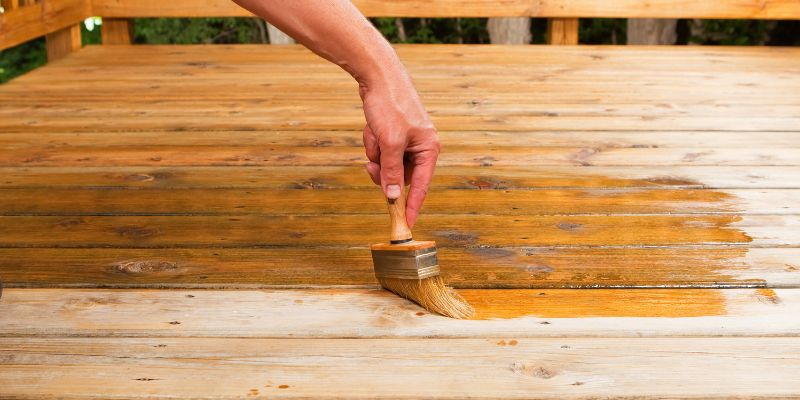
- Apply in Small Sections: Work in small areas to keep a wet edge and avoid streaks. I start at one end of the deck and move backward, brushing or rolling with the grain. For solid stains, two coats are usually best, but transparent stains might only need one.
- Clean Up: Water-based stains clean up with soap and water, while oil-based ones need mineral spirits. I keep a bucket of soapy water nearby for quick cleanups.
- Let It Dry: Give the stain at least 24 hours to dry before walking on it. For solid stains, wait 48 hours before putting furniture back.
I’ve found that taking my time with application makes a huge difference. R hurrying leads to uneven patches, and nobody wants that!
Pros and Cons of SuperDeck Stains
Like any product, SuperDeck stains have their strengths and weaknesses. Here’s what I’ve noticed after using them on multiple projects.
Pros
- Wide Color Range: From natural tones to bold solids, there’s a color for every style.
- Weather Protection: The stains resist moisture, UV rays, and mildew, which is crucial for outdoor wood.
- Easy to Find: Sherwin-Williams stores are everywhere, and they often have sales.
- Versatile Formulas: Oil-based and water-based options suit different needs and preferences.
Cons
- Peeling Risk: Some users, including me, have noticed that solid and semi-transparent stains can peel if not applied correctly or if the wood isn’t prepped well.
- Formula Changes: Sherwin-Williams reformulated SuperDeck a few years ago, and some folks say the new version isn’t as good as the original. I’ve had mixed results with the newer formula.
- Application Challenges: Semi-transparent stains can be tricky to apply evenly, especially on large decks.
Tips for Maintaining Your SuperDeck-Stained Deck
Once your deck is stained, you’ll want to keep it looking great. I’ve learned a few maintenance tricks that help extend the life of the stain. First, sweep your deck regularly to remove dirt and leaves. Every spring, I give my deck a gentle wash with a mild cleaner and a soft brush to remove mildew or grime. Avoid power washing too aggressively—it can damage the stain.
Reapply the stain every one to three years, depending on the type and your climate. I check for fading or wear spots annually and touch up as needed. For transparent stains, you can usually apply a new coat without stripping, but solid stains might need sanding if they start to peel. Also, keep an eye on high-traffic areas like steps—they wear out faster and might need extra attention.
Common Mistakes to Avoid When Using SuperDeck Stains
I’ve made plenty of mistakes staining decks, and I want to save you the headache. Here are some pitfalls to watch out for:
- Skipping Prep: Not cleaning or sanding the deck properly can lead to peeling or uneven color. I learned this the hard way when my first deck project looked patchy.
- Applying Too Thickly: More isn’t better with stain. Thick layers can dry unevenly or peel. Stick to thin, even coats.
- Ignoring Weather: Staining in extreme heat, cold, or humidity can ruin the finish. I check the forecast and plan for a mild day.
- Not Testing the Color: Colors can look different on your wood than they do in the store. Always test a small area first.
- Mixing Formulas: Don’t apply a water-based stain over an oil-based one without stripping the old stain first. I did this once, and the new stain didn’t stick.
Comparing SuperDeck to Other Deck Stains
I’ve tried other brands like Behr, Olympic, and Ready Seal, and each has its strengths. Behr’s solid stains are budget-friendly but don’t last as long as SuperDeck in my experience. Olympic stains are great for ease of application, but I find SuperDeck’s colors more vibrant. Ready Seal is a favorite among pros for its deep penetration and no-peel formula, but it’s pricier and harder to find. SuperDeck strikes a nice balance of quality, availability, and color options, which is why I keep coming back to it.
Where to Buy SuperDeck Stains and How to Save
You can find SuperDeck stains at Sherwin-Williams stores, their website, or some home improvement stores like Lowe’s. I always check the Sherwin-Williams website for promotions—they often have 30-40% off sales on deck products. If you’re a DIYer, consider signing up for their PaintPerks program for discounts and rewards. Pro tip: buy in bulk if you’re staining a large deck to save time and money. A gallon typically covers 150-300 square feet, so measure your deck to estimate how much you’ll need.
My Personal Experience with SuperDeck Stains
Last year, I tackled a big deck staining project for my backyard. I chose SuperDeck Semi-Transparent Stain in Cedar Tone Natural because I wanted the wood grain to show through. The prep took a full weekend—sweeping, cleaning with SuperDeck Revive, and sanding some rough spots. Applying the stain was easier than I expected, thanks to a roller and a good brush. The color came out exactly as I hoped, and the deck still looks great a year later, even after a brutal winter. My only gripe is that I noticed some fading on the railings, so I’ll probably touch those up next spring. Overall, I’m happy with SuperDeck and would use it again.
Conclusion
After diving deep into Sherwin-Williams SuperDeck Stains, I can say they’re a solid choice for anyone looking to protect and beautify their outdoor wood. The range of formulas—transparent, semi-transparent, and solid—gives you flexibility to match your style and the condition of your deck. The stains offer strong protection against weather and wear, and the color options are hard to beat. Sure, there are some drawbacks, like the potential for peeling if you don’t prep properly, but with the right approach, SuperDeck delivers results you’ll be proud of.
I’ve seen my deck go from dull and weathered to a backyard showstopper, and it’s worth the effort. If you’re ready to tackle your own project, grab some SuperDeck stain, follow my prep and application tips, and enjoy a deck that looks amazing for years to come. Happy staining!
FAQs
What’s the difference between SuperDeck oil-based and water-based stains?
Oil-based SuperDeck stains penetrate deeper into the wood, giving a richer, more natural look. They’re great for new wood but take longer to dry and require mineral spirits for cleanup. Water-based stains dry faster, are easier to clean with soap and water, and resist fading better. I choose oil-based for fences and water-based for decks with heavy foot traffic.
How long does SuperDeck stain last?
It depends on the type and your climate. Transparent stains last about one to two years, semi-transparent ones last two to three years, and solid stains can last three to five years. I’ve found that regular maintenance, like cleaning and touch-ups, extends the life of the stain.
Can I apply SuperDeck stain over an old stain?
You can, but only if the old stain is in good condition and compatible (e.g., water-based over water-based). If the old stain is peeling or a different type, you’ll need to strip or sand it off first. I always test a small area to make sure the new stain adheres properly.
How do I know how much SuperDeck stain to buy?
Measure your deck’s square footage. A gallon of SuperDeck stain covers about 150-300 square feet, depending on the wood’s condition and the number of coats. I always buy a little extra to account for touch-ups or uneven surfaces.
Is SuperDeck stain good for pressure-treated wood?
Yes, SuperDeck works well on pressure-treated wood, but the wood needs to be properly dried first. I check the moisture content with a meter (under 25% for solid stains, under 15% for transparent or semi-transparent). New pressure-treated wood might need to weather for a few months before staining.