Should I Use MDF for Baseboards: Expert Insights
Are you considering a home renovation or simply looking to spruce up your living space? If so, you might be wondering about the best materials to use for your baseboards.
The decision isn’t just about aesthetics; it’s also about durability and cost-effectiveness. MDF, or Medium Density Fiberboard, is a popular choice that you might have come across in your research. But is it the right choice for you? This article will help you navigate the pros and cons of using MDF for baseboards, ensuring you make an informed decision that enhances your home’s beauty and functionality.
Stick around to discover why MDF might just be the perfect fit for your next project—or not. Let’s dive into what makes MDF stand out and what you should consider before making the leap.
Credit: www.royalwoodshop.com
What Is MDF
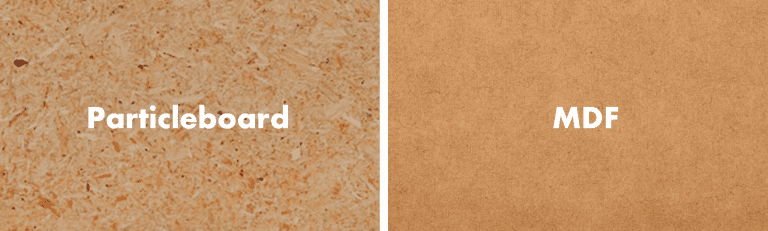
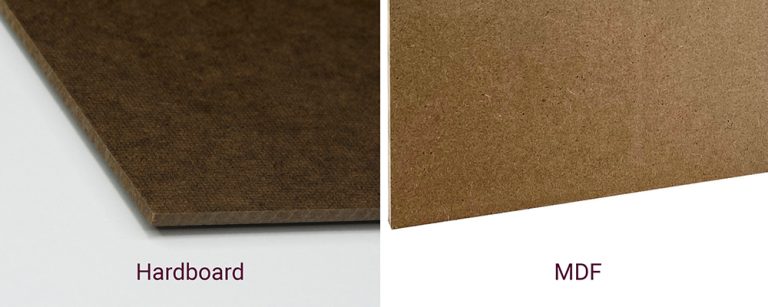
MDF stands for Medium Density Fiberboard. It is a type of wood product. Made from wood fibers and resin. Pressed together under heat. MDF is known for its smooth surface. Easy to paint and cut. Affordable compared to solid wood. Often used in furniture and cabinets. Not as strong as real wood.
MDF is less durable in wet places. It can swell or break in water. Good for inside use only. MDF is heavier than plywood. Easier to work with using tools. Popular for making baseboards. Offers a clean and neat look.
Advantages Of MDF Baseboards
MDF baseboards are often cheaper than wood. This makes them a popular choice. Many homeowners choose MDF for its low cost. It saves money on home projects. Builders like using MDF for budget-friendly designs. It is less expensive but still looks good.
MDF baseboards have a smooth surface. This makes them look neat and tidy. No rough spots or knots are visible. The smooth finish is great for elegant designs. MDF is uniform and consistent. It provides a clean look for walls.
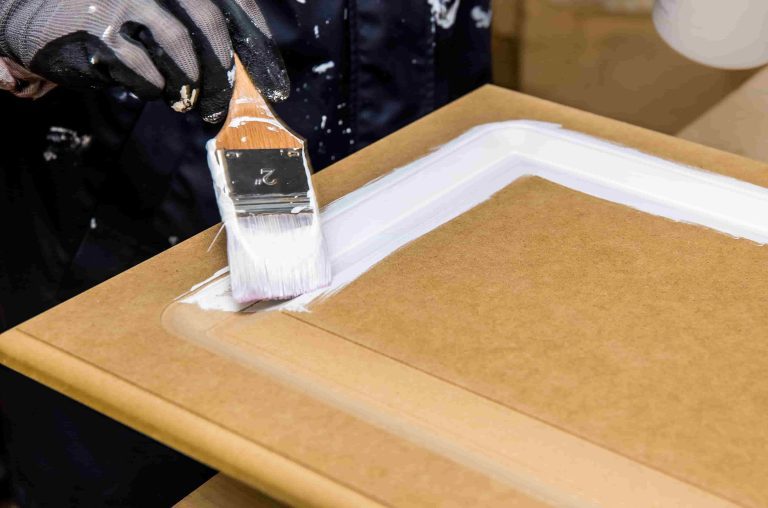
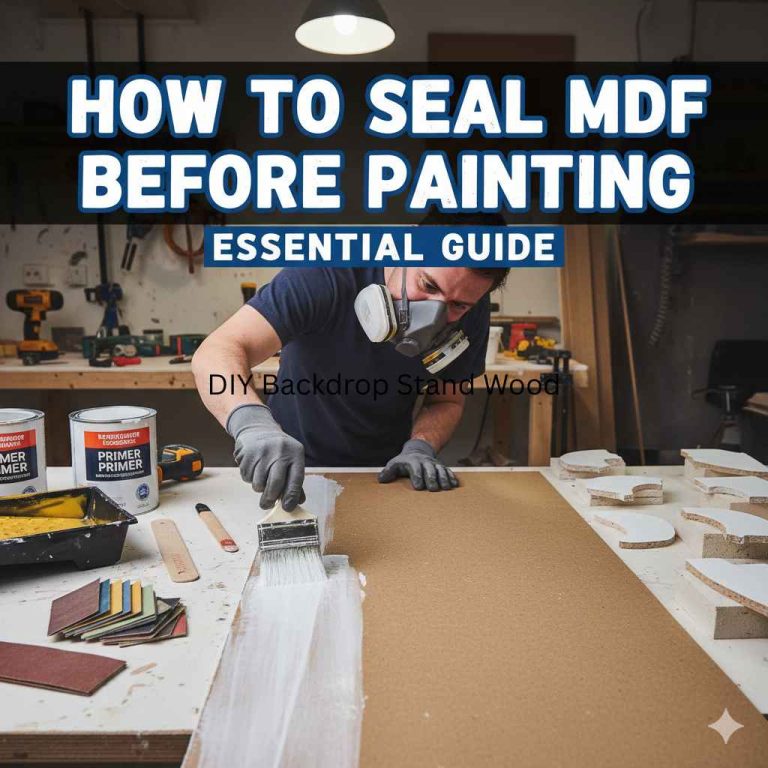
Painting MDF is very easy. The surface is even and absorbs paint well. Colors go on smoothly and evenly. This is good for matching room decor. MDF does not require a lot of prep work. Painters find it easy to work with.
Disadvantages Of MDF Baseboards
MDF baseboards can swell with water. They are not good for wet places. A wet bathroom is not a good place for MDF. MDF baseboards can rot if wet. Keep them dry always.
MDF is softer than wood. It can get dents easily. Not strong like wood. Hard hits can damage MDF. Keep it safe. It may not last long like wood.
Cutting MDF makes dust. Wear a mask when cutting it. MDF baseboards can crack when nailed. Pre-drill holes to avoid cracks. Heavy boards need strong glue. MDF is heavy to lift. Be careful when installing.
:max_bytes(150000):strip_icc()/SPR-mdf-for-molding-and-trim-1822780-hero-a2e61aa2b726423d8181406ea9410ee3.jpg)
Credit: www.thespruce.com
Comparing MDF With Wood Baseboards
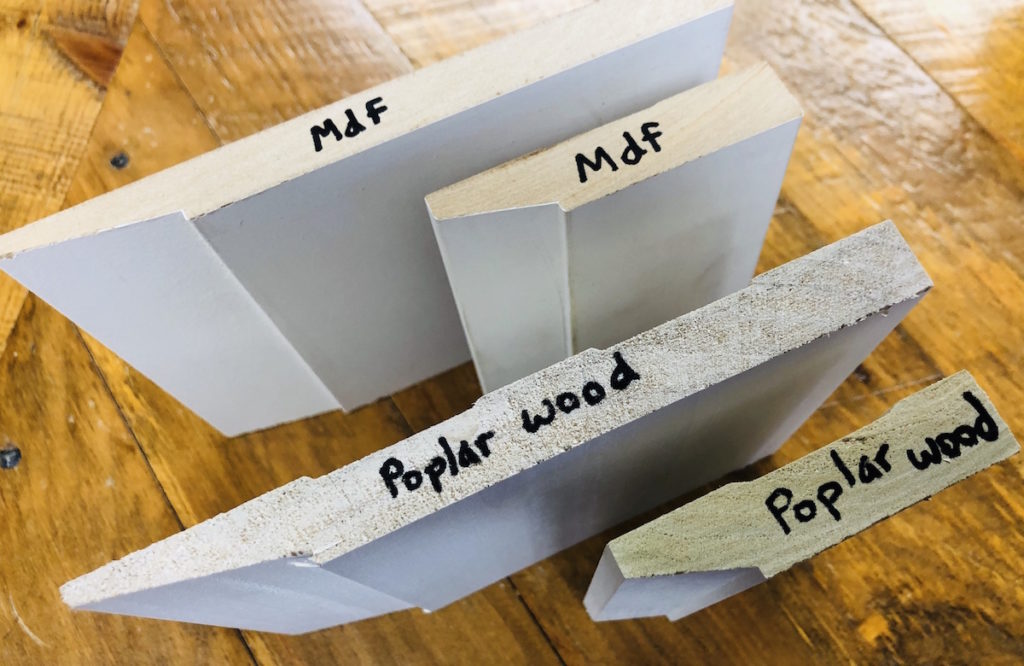
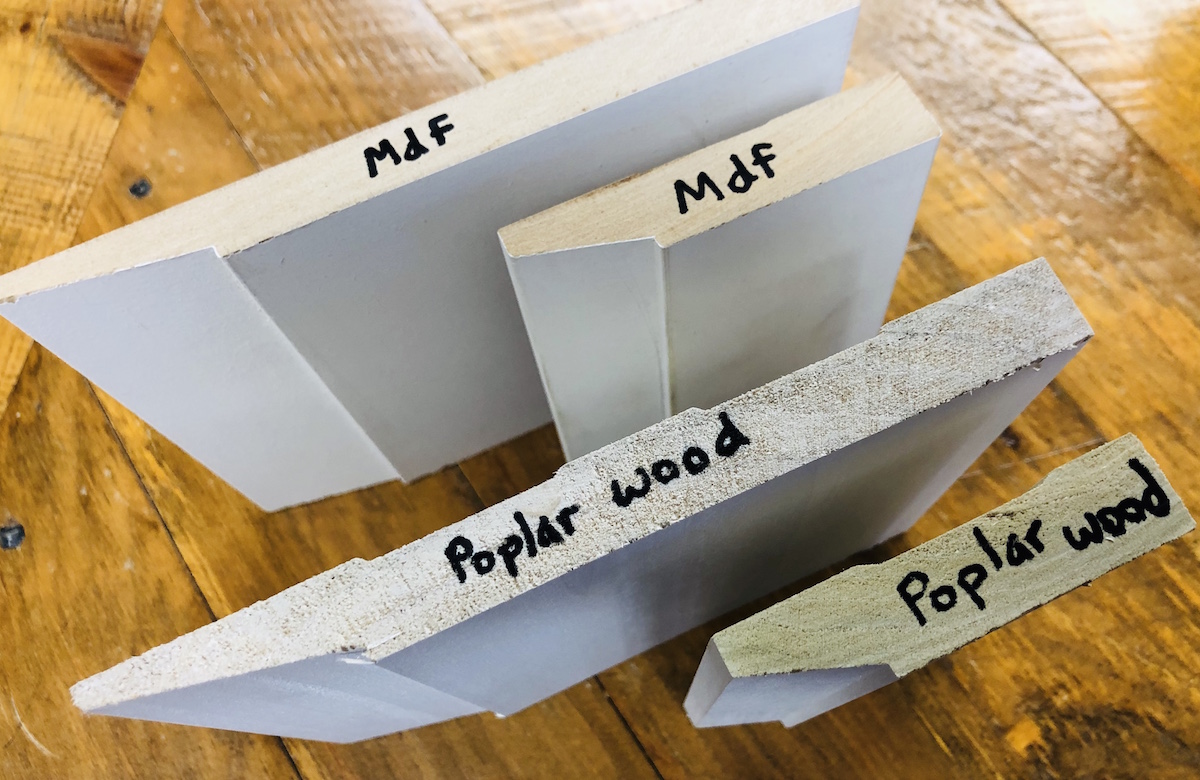
MDF baseboards are usually less expensive. They are made from wood fibers and resin. Wood baseboards, like oak or pine, cost more. The price difference is often noticeable. Budget-friendly options are important. MDF provides a good solution.
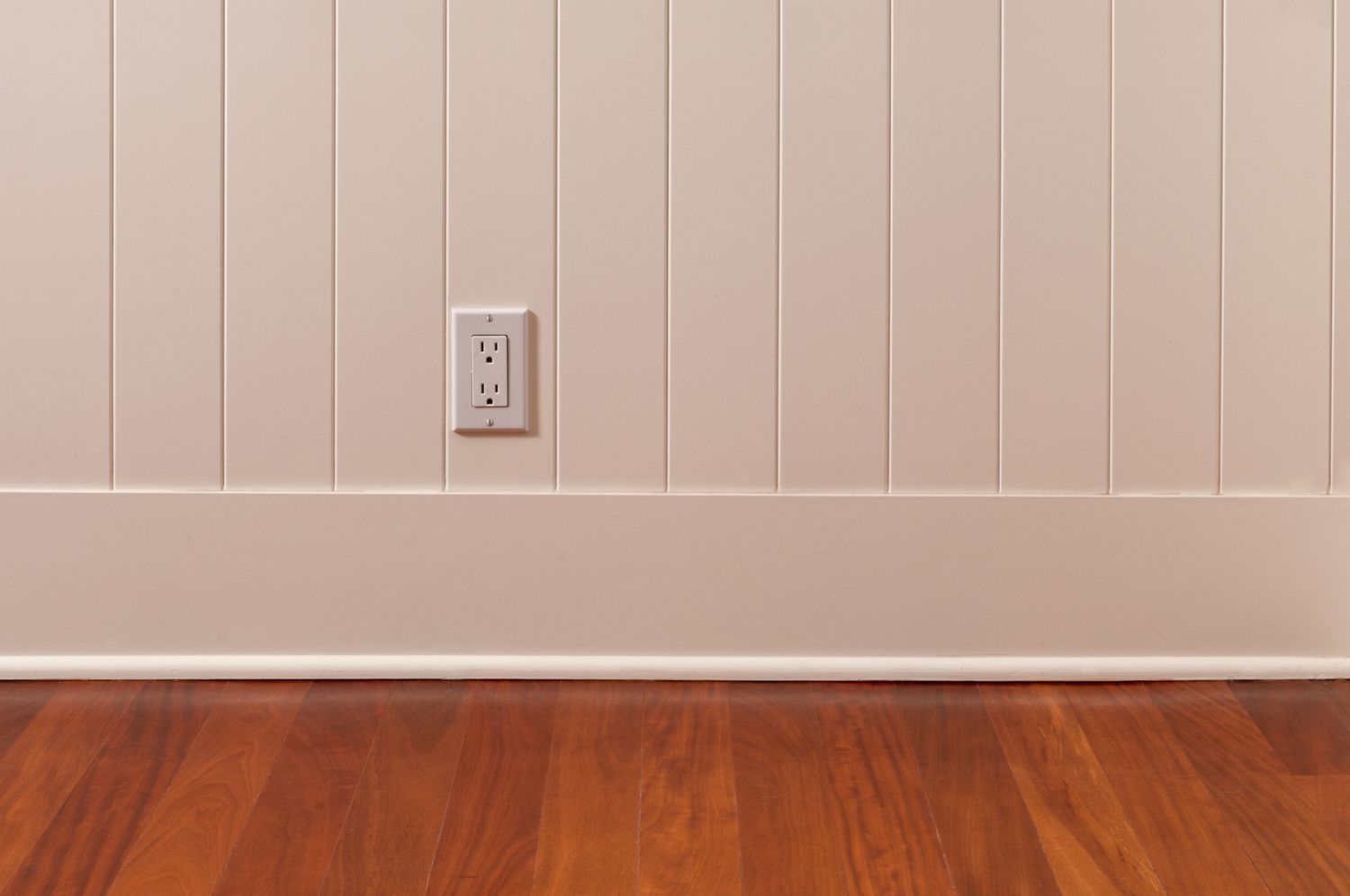
MDF baseboards look smooth and clean. They are easy to paint. Wood baseboards have a natural grain. Some people prefer this look. Both options add style to rooms. Choice depends on personal taste. MDF suits modern homes. Wood fits traditional styles.
MDF can swell if it gets wet. It’s best for dry areas. Wood is more durable in wet places. Both need regular cleaning. Dust can gather on baseboards. Keep them clean for a tidy home. Choose wisely based on room conditions.
Expert Opinions On MDF Usage
Many architects find MDF suitable for baseboards. It is smooth and easy to paint. MDF is often less expensive than real wood. It is used in many modern homes. Some architects worry about its durability. MDF can swell if it gets wet. Proper sealing can help protect it. Architects often choose MDF for interior projects.
Contractors like using MDF for its easy installation. It cuts well and stays smooth. MDF is also lighter than wood. Some contractors prefer wood for wet areas. MDF can expand with moisture. Contractors recommend keeping MDF dry. Cost is a big factor. MDF is usually cheaper than wood. This makes it popular.
Interior designers love MDF for its clean look. It offers a modern style to rooms. MDF can be painted any color. Designers enjoy this flexibility. They often use it in living rooms and bedrooms. MDF is not ideal for kitchens or bathrooms. Moisture can damage it easily. Designers suggest using MDF where moisture is low.
Credit: www.royalwoodshop.com
Alternatives To MDF Baseboards
Solid wood is a strong choice. It offers durability and a natural look. Solid wood can be painted or stained. It matches many home styles. Though it may cost more, it lasts longer. Solid wood is a timeless option.
PVC is a water-resistant option. It is perfect for wet areas. PVC baseboards are easy to clean. They come in various styles. PVC is lightweight and easy to install. It is often cheaper than wood.
Composite baseboards blend wood fibers and plastics. This mix makes them strong. They resist moisture and rot. Composite boards are eco-friendly. They often look like real wood. They can be painted easily.
Tips For Choosing Baseboards
Consider room moisture. Bathrooms need water-resistant baseboards. Kitchens may face spills. Humidity impacts materials. MDF might swell in wet places. Wood or vinyl suits damp areas. Dry rooms welcome MDF baseboards. Stable environments favor MDF’s durability. Check room temperature too.
Budget often guides choices. MDF is cheaper than wood. Vinyl costs more than MDF. Installation prices vary. Painting MDF adds cost. Pre-painted MDF saves money. Wood baseboards need more care. Long-term expenses matter. Think of repair costs. MDF is easy to replace.
Baseboards change a room’s look. MDF fits modern homes. Classic style prefers wood. Color options matter. Paintable MDF allows custom shades. Decorative trims enhance style. Simple designs suit MDF. Detailed trims fit wood. Personal taste guides choice. Room theme influences style.
Frequently Asked Questions
What Are The Disadvantages Of MDF Baseboards?
MDF baseboards are prone to moisture damage, causing swelling and warping. They offer less durability than wood. Scratches and dents are more visible and harder to repair. MDF emits formaldehyde, posing health risks. They are less suited for high-impact areas, reducing longevity compared to traditional wood baseboards.
Is MDF A Good Material For Baseboards?
MDF is a good material for baseboards. It is affordable, easy to work with, and paints well. MDF resists warping and offers a smooth finish. It is less durable than wood but suitable for low-impact areas. MDF baseboards require proper sealing to prevent moisture damage.
Where Should You Not Use MDF Trim?
Avoid using MDF trim in high-moisture areas like bathrooms and kitchens. It can swell and warp with water exposure. MDF is unsuitable for exterior applications due to weather elements. Choose more durable materials for these environments to ensure longevity and maintain appearance.
What Type Of Wood Is Best For Baseboards?
MDF is cost-effective and smooth for baseboards. Pine is durable and easy to paint. Oak offers a classic, sturdy option. Choose based on budget, durability, and style preference. Each wood type has its unique advantages for different needs.
Conclusion
Choosing MDF for baseboards can be a smart decision. It’s affordable and easy to work with. Offers a smooth surface for painting. Plus, MDF is resistant to warping. Perfect for those on a budget. Remember to seal edges to prevent damage.
Use in low-moisture areas for best results. Consider your home style and needs. MDF suits many interiors beautifully. Not ideal for high moisture spaces. Always weigh pros and cons. Make an informed choice for your baseboards. MDF could be the right fit for your project.