Should MDF Be Sealed? Essential Tips for Protection
When working on a home improvement project or crafting beautiful furniture, you want your materials to last and look great. Medium Density Fiberboard (MDF) is a popular choice due to its versatility and affordability.
But there’s a crucial question that could make or break your project: should MDF be sealed? Imagine pouring hours of effort into your project only for it to warp or absorb moisture over time. You wouldn’t want that disappointment, right?
By understanding the importance of sealing MDF, you ensure your creations are durable and maintain their quality. This article will explore why sealing MDF might be the game-changer you didn’t know you needed. We’ll delve into the benefits, methods, and tips to make sure you get the best results. Let’s uncover the secrets to protecting your MDF investments, so you can create with confidence and peace of mind. Are you ready to discover how to make your projects stand the test of time? Keep reading to find out.
Importance Of Sealing MDF
MDF is a popular material for furniture. It is made from wood fibers. Sealing MDF is very important. It keeps the material safe from water. Water can make MDF swell. This can ruin the furniture. A seal creates a protective layer. It keeps moisture away.
Sealing also helps in reducing damage. Damage like scratches or dents. It makes the surface stronger. Paint sticks better to sealed MDF. Unsealed MDF absorbs paint unevenly. This can make it look bad. A good seal provides a smooth finish. This makes the furniture look nice.

Credit: trade-coatings.co.uk
Risks Of Unsealed MDF
MDF can soak up water quickly. This makes it swell and bend. Wet MDF loses its shape and strength. It can get moldy too. Mold is bad for health. Keeping MDF dry is very important.
Unsealed MDF scratches easily. It can look old fast. Scratches make it look bad. Sealing MDF stops scratches. It keeps the surface smooth and shiny. It lasts longer with a seal.
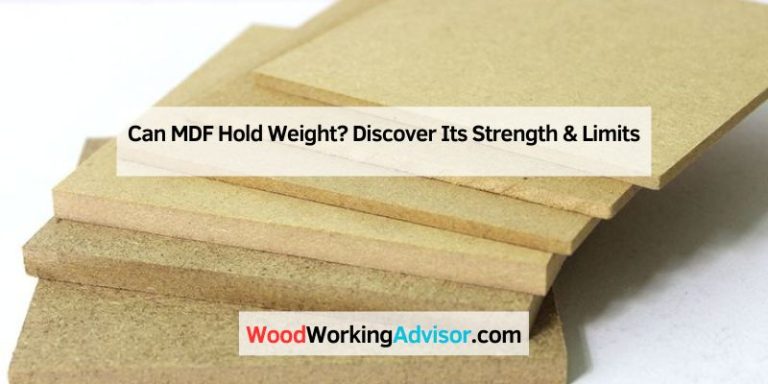
Strong MDF holds things well. But unsealed MDF can break. Sealing MDF helps it stay strong. It does not crack easily. It holds shelves and boxes tight. A seal makes MDF better and safer.
Types Of Sealants
Water-based sealants are easy to apply. They dry fast and are eco-friendly. These sealants have low odor. Great for homes with kids and pets. They are non-toxic. Perfect for indoor projects. You can clean them with water. No harsh chemicals needed. But they may not be very strong. Not ideal for high-moisture areas.
Oil-based sealants are very durable. They can handle tough conditions. Great for outdoor use. These sealants take longer to dry. They have a strong smell. Good ventilation is needed. Oil-based options provide a shiny finish. They resist water and wear well. But cleaning up is harder. You need special solvents.
Polyurethane sealants are versatile. They work on many surfaces. These sealants are strong and flexible. Perfect for areas with movement. They can handle moisture well. Good for bathrooms and kitchens. Polyurethane dries clear. It keeps the natural look of wood. But it can be tricky to apply. Read instructions carefully.
Choosing The Right Sealant
Different environments need different sealants. Moist places need water-resistant sealants. Dry places might use basic sealants. Natural sealants are better for nature. Some sealants have strong smells. They can bother some people.
Brushes or rollers help apply sealants. Some people use spray cans. Each method covers surfaces differently. Brushes give a smooth finish. Sprays work fast. Rollers are easy for big areas.
Sealant prices can vary a lot. Expensive sealants might last longer. Cheap ones may need reapplying. Buying in bulk can save money. Always think of quality and price. Choose what fits your budget best.
Application Techniques
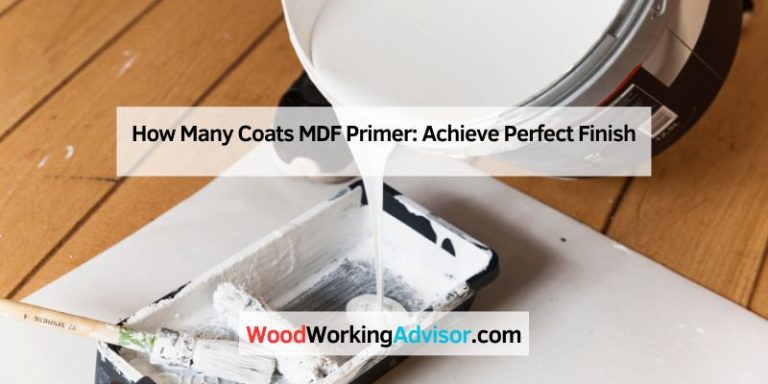
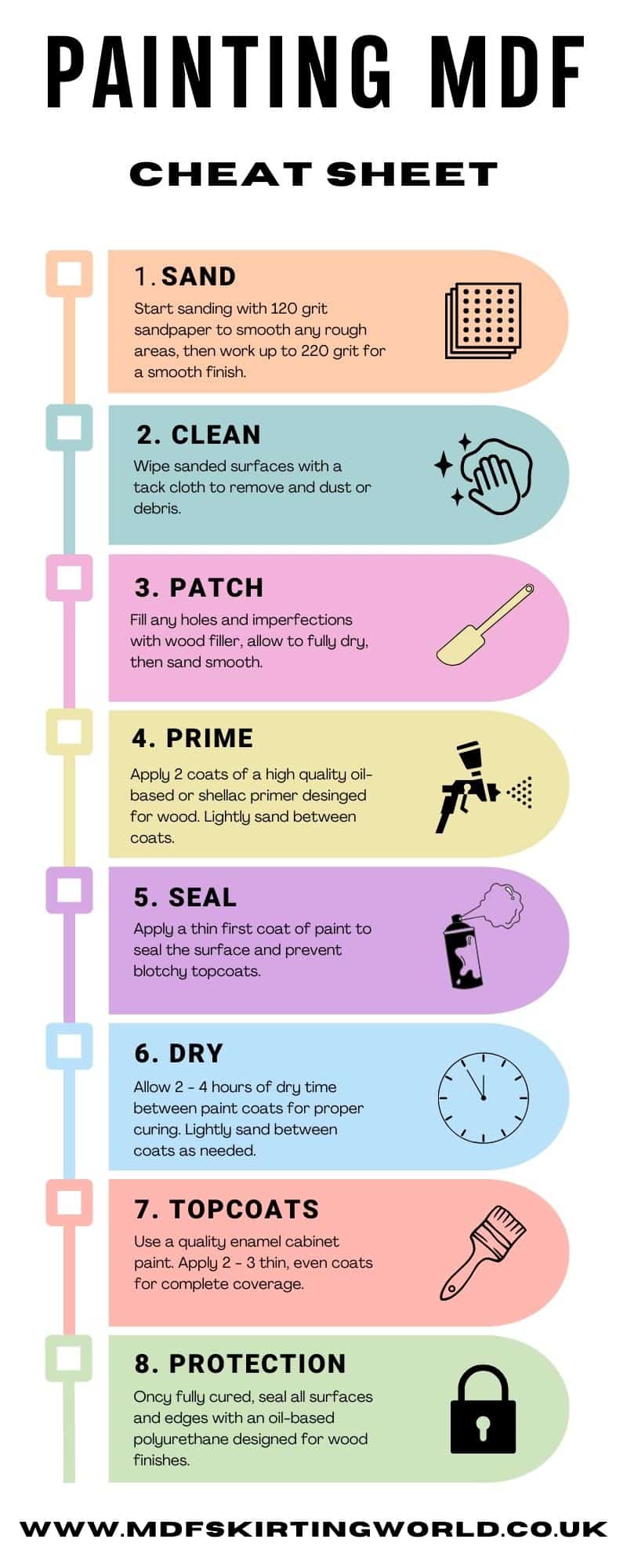
Start by cleaning the MDF surface. Make sure it is free of dust and dirt. Use a soft cloth for this. Sand the MDF to make it smooth. Choose fine sandpaper for best results. Apply a primer to the surface. This will help the sealant stick better. Let the primer dry completely before moving on.
Apply the first coat of sealant. Use a brush or roller. Cover the entire surface evenly. Let the first coat dry. Apply a second coat for extra protection. Check for areas that need more sealant. Add more layers if necessary. Each layer makes the MDF stronger.
Drying time is very important. Allow at least 24 hours between coats. Check the sealant label for specific drying times. Some sealants may need longer. Make sure the room is well-ventilated. This will help the drying process. Avoid touching the MDF until fully dry.

Credit: mdfskirtingworld.co.uk
Maintenance Tips
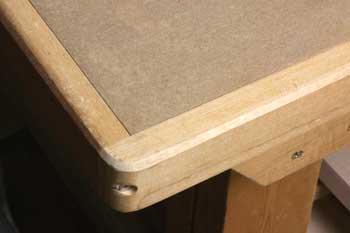
Check MDF items often. Look for any cracks or damage. Small problems can become big if ignored. Inspect edges and corners. These areas can wear out quickly. Catching issues early helps keep MDF in good shape.
MDF needs resealing every six months. Resealing helps protect against moisture and damage. Use good-quality sealant. Follow instructions carefully. This keeps MDF strong and long-lasting.
Clean MDF with a soft, damp cloth. Avoid using too much water. Water can harm the surface. Use gentle cleaners. Strong cleaners might damage MDF. Regular cleaning keeps MDF looking nice. It also helps it last longer.
DIY Vs Professional Sealing
DIY sealing is cheaper. You learn new skills. Mistakes can happen. Professional sealing costs more. Experts do the job well. Less stress for you. Weigh the benefits and drawbacks before deciding.
DIY is budget-friendly. You buy materials yourself. Professionals charge for labor. Costs can add up fast. Consider your budget when choosing. DIY saves money but may take longer. Pros might finish quicker.
Basic skills are needed for DIY. Follow guides for help. Mistakes can be fixed. Professionals have advanced skills. They ensure a clean finish. Think about your abilities before you start. Start with small projects first.
Credit: www.woodworkersjournal.com
Frequently Asked Questions
Can I Leave MDF Unpainted?
Leaving MDF unpainted is possible, but it’s not recommended. MDF absorbs moisture easily and can swell or warp. Painting or sealing MDF protects it, enhancing durability and appearance. Use primer and paint designed for MDF for best results. Always ensure proper ventilation during the process for safety.
What Should I Use To Seal MDF?
Use a clear acrylic sealant or PVA glue to seal MDF. Apply a primer before painting. Seal edges thoroughly for best results.
What Is The Best Waterproof Sealer For MDF?
The best waterproof sealer for MDF is polyurethane. Polyurethane offers strong water resistance and durability. Apply multiple coats for maximum protection. Ensure the MDF surface is clean before sealing. Choose between oil-based or water-based polyurethane depending on your project needs.
Always follow the manufacturer’s instructions for best results.
Does MDF Need To Be Sealed?
Yes, MDF needs sealing to prevent moisture absorption and surface damage. Use primer or paint for effective sealing. Proper sealing enhances durability and finish quality, ensuring MDF remains sturdy and visually appealing.
Conclusion
Sealing MDF is a wise choice for many reasons. It protects against moisture damage. Sealed MDF lasts longer and stays strong. It also looks better with a smooth finish. This makes painting easier and more effective. Consider your project needs and environment.
If you want durability, sealing MDF helps. Remember to use the right sealant for best results. Simple steps can make a big difference. Your MDF projects will thank you.