Should You Pre Drill Large Structural Wood Screws: Essential Insights
Have you ever found yourself wondering about the best way to handle large structural wood screws? You’re not alone.
Whether you’re a seasoned DIY enthusiast or just starting out, understanding the nuances of pre-drilling can make a world of difference. The decision to pre-drill can impact the strength and durability of your project, not to mention your peace of mind.
But how do you know when it’s necessary? We’ll unravel the mystery behind pre-drilling large structural wood screws and help you make informed decisions that enhance your woodworking projects. So, if you’re ready to boost your craftsmanship and ensure every screw counts, read on to discover the secrets that could transform your approach.
Benefits Of Pre-drilling
Pre-drilling helps you place screws where you want. The hole guides the screw. This keeps it straight. A straight screw holds better. Your project looks neat and tidy. Precision is key for strong builds. It keeps parts in the right spot. No need to worry about mistakes.
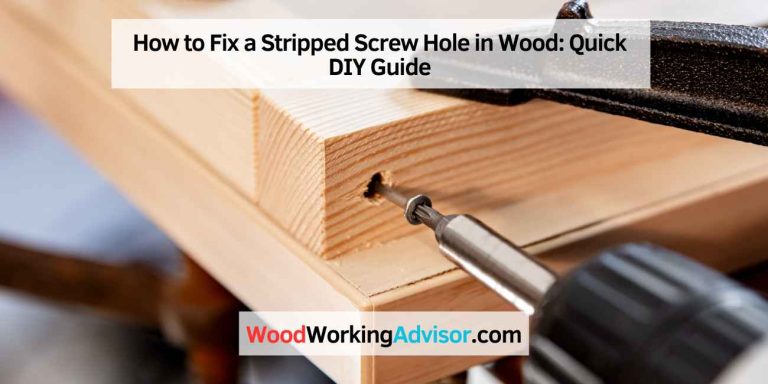
Wood splitting can ruin projects. Pre-drilling makes the hole first. This helps the wood stay whole. The screw moves in easily. No cracks or splits. Splitting weakens the wood. It can make it break. Pre-drilling stops this from happening.
Potential Drawbacks
Drilling holes first can take longer. You need to use a drill for each screw. This adds to the time of your project. Extra steps mean more work. You might need extra tools too. It can be tiring. Effort increases with every hole drilled. This might not seem much at first. But it adds up quickly.
Pre-drilling helps the screw fit better. It can make the wood stronger. But too many holes weaken it. The structure might suffer. Wood splits if holes are too close. This can cause cracks. Cracks are not good for strength. Keep holes spaced out. This helps avoid damage. Balanced drilling is key for strong wood.
Factors Influencing Decision
Hardwood is tough. Pre-drilling can be useful. Softwood is easier to work with. Screws might go in without drilling. Wood type matters a lot.
Large screws need more care. They can split wood. Thin screws are less risky. Look at the screw size and shape. It’s important.
Big projects may need pre-drilling. Strong connections are key. Safety is important too. Consider what your project needs. Think about load and stress.
Credit: mtcsolutions.com
Tools And Techniques
Pre-drilling large structural wood screws can ease installation and prevent wood splitting. It ensures screws fit snugly and securely. This method also helps maintain the integrity of the wood structure.
Choosing The Right Drill Bit
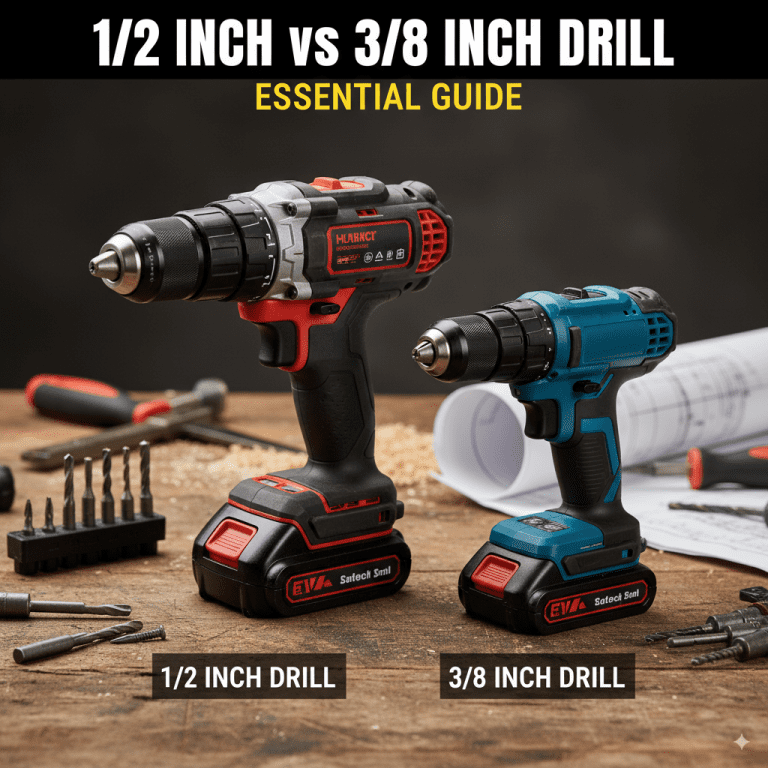
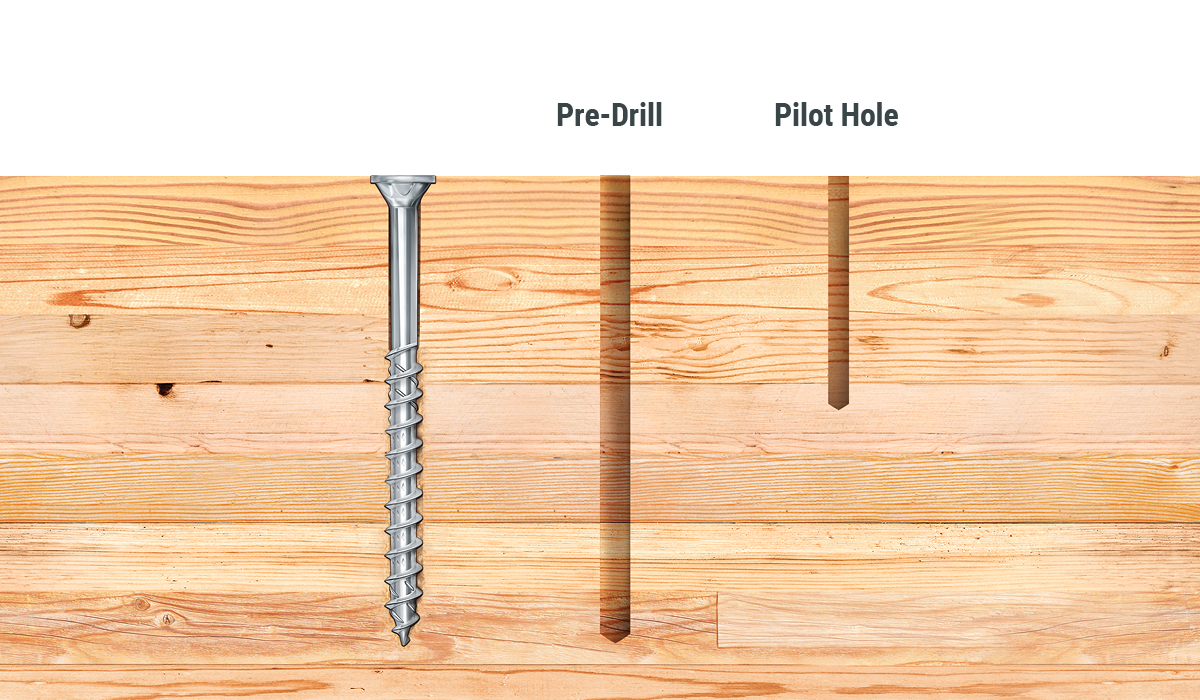
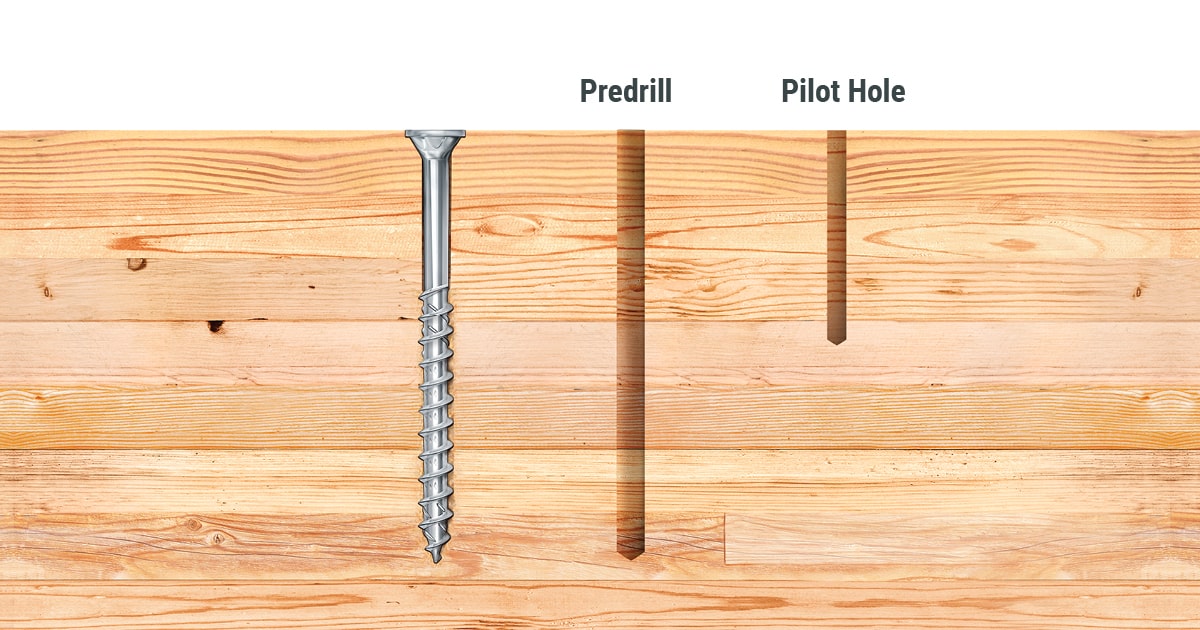
Picking the correct drill bit is important. It helps make a clean hole. Size matters a lot. The bit should be a little smaller than the screw. This makes the screw fit tight. Material type is also key. Wood needs a wood drill bit. The right choice saves time and effort.
Proper Drilling Techniques
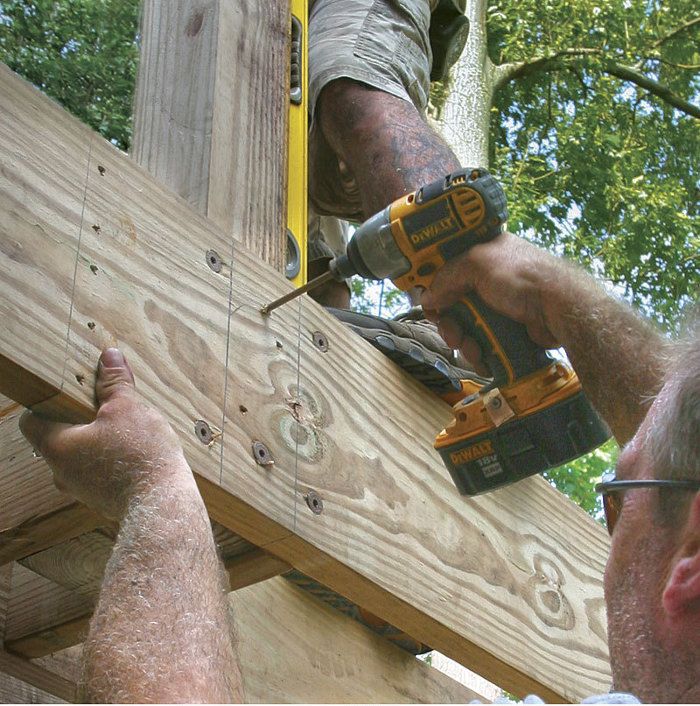
Start slow to make a small hole first. This helps keep the drill steady. Apply gentle pressure to avoid splitting the wood. Always keep the drill straight. This keeps the hole even. Depth control is crucial. Stop drilling once you reach the right depth. This prevents damage to the wood.
Case Studies
Pre-drilling large structural wood screws can prevent wood splitting and ensure a secure fit. This technique also makes driving screws easier, enhancing the overall strength and durability of the structure. Proper preparation is key to successful construction and long-lasting results.
Real-life Examples
Builders often face challenges with large structural wood screws. In one case, a carpenter tried to insert screws without pre-drilling. The wood split and caused delays. Another case showed screws inserted too fast. The wood cracked and weakened.
Pre-drilling saved time in many projects. It reduced wood damage. Builders reported better precision and strength. Pre-drilled screws went in smoothly. The wood remained intact. Experienced builders emphasized careful planning.
Lessons Learned
Pre-drilling is key for large screws. It prevents splits and cracks. Builders learned to assess wood type first. Some woods split more easily. Choosing the right drill size matters. It affects screw fit and hold.
Patience is essential during drilling. Rushing leads to mistakes. Builders recommend double-checking measurements. Correct alignment ensures stability. Pre-drilling improves project outcomes. Builders continue to trust this method.
Credit: mtcsolutions.com
Expert Recommendations
Experts often suggest pre-drillingfor large screws. This helps prevent wood splitting. It also ensures the screws go in smoothly. Without pre-drilling, wood might break. This can weaken structures. Professionals advise using a drill bitslightly smaller than the screw. This gives a tight fit.
Choose the right screw sizefor your wood. Always mark where you will drill. This keeps things neat. Use a high-quality drill. It makes the job easier. Be patient. Drill slowly and steadily. This keeps the wood strong. Experts say to check the depth of the hole. Make sure it’s deep enough. This helps the screw hold tight. Follow these steps for safe work.

Credit: www.fastenmaster.com
Frequently Asked Questions
Do Structural Screws Need To Be Pre-drilled?
Structural screws often don’t require pre-drilling. Their sharp tips and threads allow them to penetrate wood easily. However, in dense materials or near edges, pre-drilling can prevent splitting. Always follow the manufacturer’s instructions for best results.
Should You Pre-drill Wood Screws?
Pre-drilling wood screws is recommended for hard or dense wood. It prevents wood splitting and ensures a secure fit. Use a drill bit slightly smaller than the screw diameter for best results. Pre-drilling also makes screw insertion easier and more precise, enhancing the overall quality of your woodworking project.
What Wood Screws Don’t Need Pre-drilling?
Self-tapping wood screws don’t need pre-drilling. They cut threads into the wood as you drive them in. Choose screws with sharp, pointed tips for efficient penetration into the material. Always select screws appropriate for the wood type to ensure optimal grip and prevent splitting.
What Is The Difference Between Wood Screws And Structural Screws?
Wood screws are for wood projects and provide moderate strength. Structural screws are designed for heavy-duty applications, offering higher strength and load capacity. Structural screws are more robust and often replace lag bolts in construction. Wood screws are ideal for lighter work, like furniture or cabinetry.
Conclusion
Pre-drilling large structural wood screws offers clear advantages. It reduces wood splitting and ensures precise alignment. This technique extends the life of your tools too. It’s a simple step that pays off in the long run. Safer and smoother projects often result from careful preparation.
Consider this approach for your next woodworking task. Your final work will likely be more stable and secure. So, think about pre-drilling next time you tackle a big project. It’s worth the effort for better outcomes.