Sidewinder Vs Worm Drive Saw: Ultimate Comparison for Pros
Choosing the right saw can make all the difference in your woodworking or construction projects. When it comes to power saws, two names often come up: Sidewinder and Worm Drive.
But which one is truly the best fit for your needs? Understanding their key differences can save you time, effort, and money. You’ll discover how each saw works, their strengths, and which one matches your style of work. Keep reading to find out which saw will give you the edge in your next project.
Sidewinder Saw Basics
The sidewinder saw is a popular choice for many woodworkers and DIY enthusiasts. It offers a balance of power and control in a compact design. Understanding its basics helps you decide if it fits your needs.
Design And Mechanism
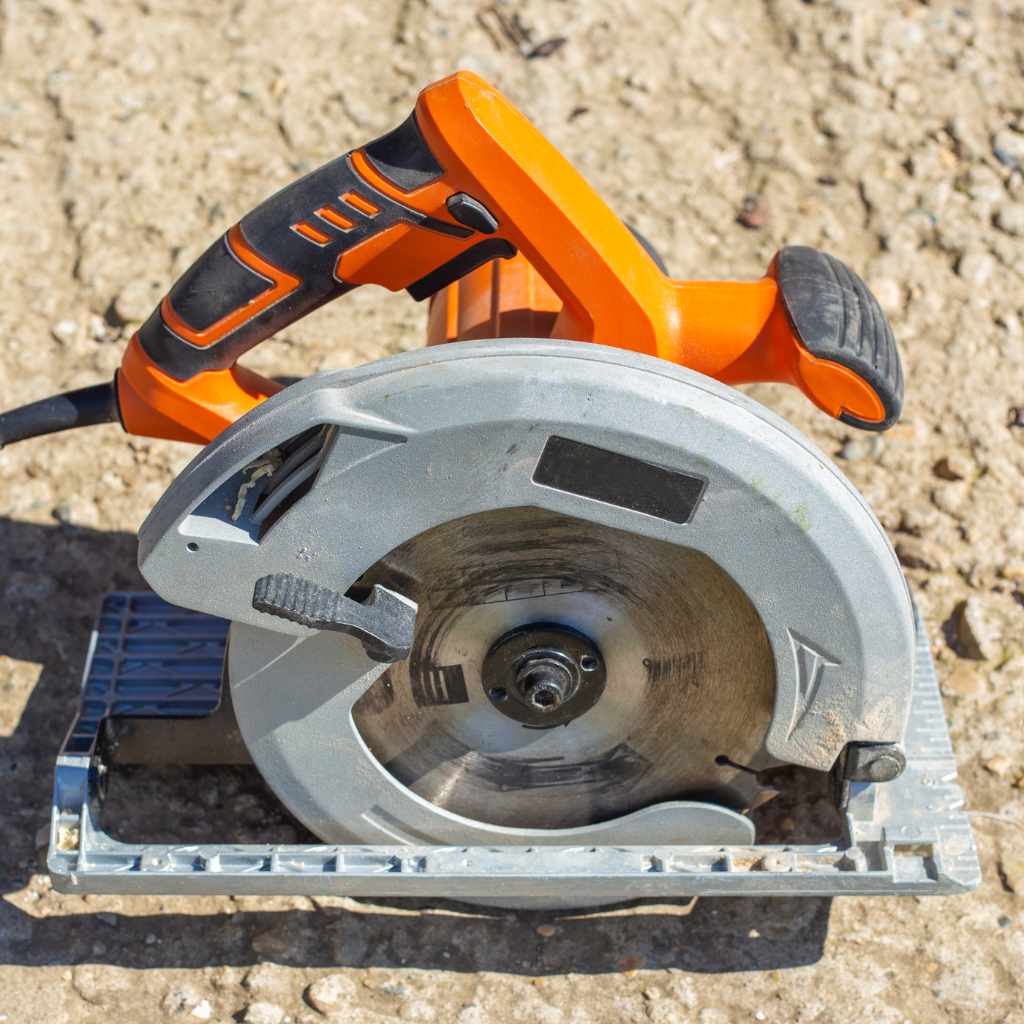
The sidewinder saw has a motor placed directly behind the blade. This design keeps the saw lightweight and easy to handle. The motor spins the blade using a direct drive system. This setup allows for faster blade speeds and smooth cuts.
Common Uses
Sidewinder saws work well for general woodworking tasks. They cut plywood, hardwood, and softwood with ease. Many use them for framing, trimming, and small to medium carpentry projects. Their compact size makes them handy in tight spaces.
Key Advantages
The sidewinder saw is lighter than many other saw types. It offers greater control, which helps with precision cuts. Its high blade speed cuts through wood quickly. The design also makes blade changes simple and fast.
Worm Drive Saw Essentials
The worm drive saw is a powerful tool used in many construction and woodworking tasks. It offers unique features that set it apart from other saw types. Understanding its basics helps in choosing the right saw for your job.
This section explains the worm drive saw’s structure, uses, and benefits. It provides clear information for beginners and professionals alike.
Structure And Function
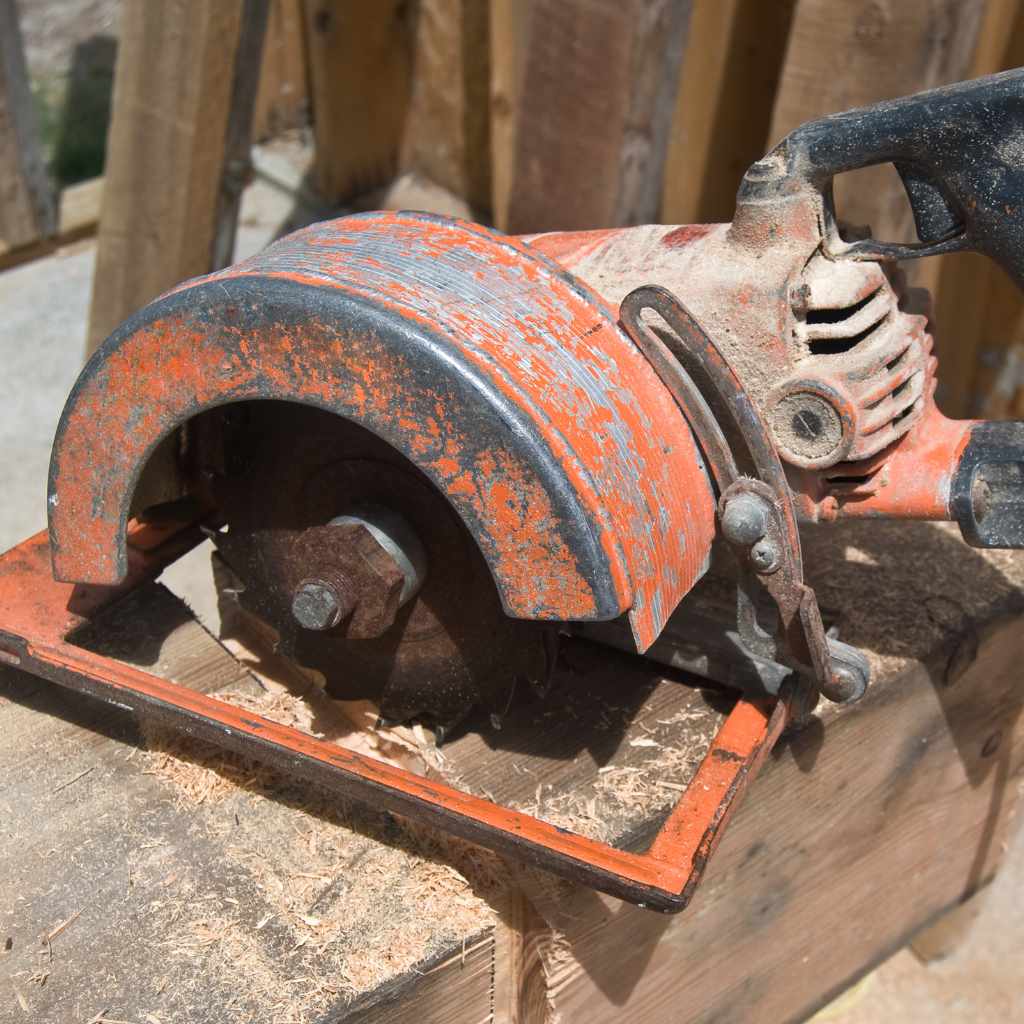
The worm drive saw has a long motor with a worm gear. This gear system moves the blade slower but with more power. The blade sits on the side, giving a better reach in tight spaces.
The saw uses a rear handle for better control. This design helps users cut heavy materials smoothly and with less effort.
Typical Applications
Worm drive saws work well for cutting thick wood, framing, and large beams. They are common in construction sites and woodworking shops. The saw’s power makes it ideal for tough jobs requiring precision and strength.
Many professionals use it for decking, roofing, and heavy-duty cutting tasks. It handles large projects where speed and accuracy matter most.
Primary Benefits
The worm drive saw offers high torque for cutting dense materials. It provides better control thanks to its design. This helps reduce fatigue during long work sessions.
The saw also lasts longer due to its strong gear system. Its balanced weight improves safety and cutting accuracy. These benefits make it a trusted choice for serious users.
Power And Performance
Power and performance are key factors for any saw. These two types of saws, Sidewinder and Worm Drive, offer different strengths. Understanding their power and performance helps choose the right one for your work.
Motor Strength
Sidewinder saws have motors directly behind the blade. This design keeps the saw light and easy to handle. Their motors run at higher speeds but offer less torque.
Worm Drive saws have motors placed at the back. This setup increases torque and power. They handle tough, thick materials better than Sidewinders.
Cutting Speed
Sidewinder saws spin faster. They cut quickly through softwoods and thin materials. Perfect for fast jobs with less resistance.
Worm Drive saws cut slower but with more force. They work well on hardwoods and dense materials. Great for heavy-duty cutting tasks.
Durability
Sidewinder saws are lighter but may wear out faster under heavy use. They suit light to medium work well.
Worm Drive saws are built tough. Their gears and motors last longer in rough conditions. Ideal for frequent, demanding jobs.
Handling And Control
Handling and control are key factors when choosing between a Sidewinder and a Worm Drive saw. These aspects affect your comfort and precision during work. The way the saw feels in your hands matters a lot. A saw that is easy to control helps you cut better and work longer without fatigue.
Weight And Balance
Sidewinder saws are usually lighter. This makes them easier to carry and hold. They have a compact design that helps keep balance close to your body. Worm Drive saws are heavier. Their weight is more toward the back, which can feel different. The heavier weight gives more power but can tire your arms faster. Balance affects how steady you are during cuts. Sidewinders are easier to manage for quick, small jobs. Worm Drives suit bigger tasks but need more strength.
Ergonomics
Ergonomics means how the saw fits your hand and body. Sidewinder saws have a simple handle design. This makes gripping comfortable for most users. Worm Drive saws have a longer body and two handles. This setup helps with control on tough cuts. The handle positions can reduce strain on your wrists. Good ergonomics prevent pain and injuries. Both saws offer good grip, but Worm Drives give more control on angled cuts.
Vibration And Noise
Sidewinder saws tend to produce less vibration. This feels smoother on your hands. Less vibration means less fatigue during long use. Worm Drive saws create more vibration due to their motor design. The noise level is also higher in Worm Drives. This can make working for hours tiring. Using ear protection is important with both saws. Sidewinders are generally quieter, which helps in noise-sensitive areas.
Safety Features
Safety features are crucial when choosing between a Sidewinder and a Worm Drive saw. These features protect users from accidents and injuries. Both saw types include safety mechanisms but differ in design and function. Understanding these differences helps users pick the right saw for their needs.
Brake Systems
Brake systems stop the blade quickly after releasing the trigger. Sidewinder saws often use electric brakes that activate fast. Worm Drive saws may have mechanical or electric brakes. A fast brake reduces the risk of accidental cuts. It also improves control during work.
Blade Guard Design
Blade guards cover the saw blade to prevent accidental contact. Sidewinder saws usually have fixed guards with easy adjustments. Worm Drive saws have more robust guards for heavy-duty use. Both types let users see the cutting line clearly. A good blade guard balances safety and visibility.
User Protection
User protection includes features like anti-kickback pawls and ergonomic handles. Sidewinder saws are lighter and easier to control for beginners. Worm Drive saws offer stronger protection against kickback. Both saws reduce user fatigue with comfortable grips. Proper protection lowers the chance of accidents.
Maintenance And Longevity
Maintenance and longevity are key factors when choosing between a Sidewinder and a Worm Drive saw. Proper care keeps your saw running smoothly. It also helps the tool last longer. Understanding the upkeep and common issues can save time and money.
Upkeep Requirements
Sidewinder saws need regular cleaning and blade sharpening. Keep the motor vents clear of dust. Oil the blade shaft occasionally to reduce friction. Worm Drive saws require more frequent lubrication. This includes the worm gear and bearings. Clean both saw types after use. Store them in a dry place to avoid rust.
Common Repairs
Sidewinder saws often face motor or switch problems. Brushes may wear out and need replacement. Worm Drive saws may require gear repairs. The worm gear can wear down over time. Blade alignment may need adjustment on both saws. Regular checks catch these issues early. Repair parts for Sidewinders are usually cheaper. Worm Drive parts can cost more due to complexity.
Lifespan Expectations
Sidewinder saws typically last around 5 to 7 years with care. Worm Drive saws can last 7 to 10 years or more. The robust design of Worm Drives adds to their durability. Proper maintenance extends both saws’ lifespan. Avoid heavy-duty use beyond the saw’s capacity. This prevents early wear and damage. Regular checks and repairs keep the saws reliable for years.
Cost And Value
Choosing between a Sidewinder and a Worm Drive saw depends on cost and value. Both saws have different prices and expenses. Knowing these helps you decide which fits your budget and needs.
Initial Investment
Sidewinder saws usually cost less upfront. They are lighter and more common. Worm Drive saws tend to be pricier due to their powerful motors. Their design is built for heavy-duty work. Your budget and job type can guide your choice.
Operating Expenses
Sidewinder saws use less fuel and need less maintenance. They have fewer moving parts, which means fewer repairs. Worm Drive saws use more fuel and require regular lubrication. Parts can be more expensive to replace. Think about how often you will use the saw.
Resale Potential
Worm Drive saws often hold value better over time. Their durability makes them sought after. Sidewinder saws may lose value faster but sell more quickly. Condition and brand affect resale prices. Proper care can increase a saw’s resale value.
Choosing The Right Saw
Choosing the right saw can make your work easier and safer. Both sidewinder and worm drive saws have unique features. Picking the best one depends on what you need. Consider the type of project, your skill level, and where you will work.
Project Types
Sidewinder saws work well for light to medium tasks. They are good for framing, trim work, and small cuts. Worm drive saws handle heavy-duty jobs better. They cut through thick wood and tough materials easily. Know your project needs before choosing a saw.
User Experience Level
Sidewinder saws are easier for beginners to control. They are lighter and less noisy. Worm drive saws are heavier and need some experience. They have more power but can be harder to handle. Choose a saw that matches your skill.
Work Environment
Sidewinder saws suit indoor and light outdoor work. They are compact and easy to carry. Worm drive saws are built for rough outdoor jobs. They work well in construction sites and framing tasks. Think about where you will use the saw most.
Frequently Asked Questions
What Is The Main Difference Between Sidewinder And Worm Drive Saws?
Sidewinder saws have motors beside the blade, making them lighter. Worm Drive saws place the motor behind the blade, offering more torque and power for heavy-duty cuts.
Which Saw Is Better For Precision Cutting?
Sidewinder saws are better for precision due to their lighter weight and easier maneuverability. Worm Drive saws excel in power but are heavier and less precise for fine cuts.
Are Worm Drive Saws More Durable Than Sidewinders?
Yes, Worm Drive saws are generally more durable. Their robust gear system handles tougher materials and longer use, making them ideal for professional carpenters and heavy-duty tasks.
Which Saw Is Easier For Diy Beginners To Use?
Sidewinder saws are easier for beginners. They are lighter, more balanced, and simpler to control, making them suitable for basic woodworking and home projects.
Conclusion
Choosing between a sidewinder and worm drive saw depends on your needs. Sidewinders are lighter and easier to handle. Worm drive saws offer more power and torque. Both have strengths for different types of work. Think about the tasks you do most.
Consider which saw feels better in your hands. Either way, both saws can get the job done well. Take time to test each one if possible. This helps you pick the best tool for your projects. Simple and smart choices lead to better results.