Douglas Fir vs Whitewood: Which One Should You Buy?
Douglas fir is the stronger, more expensive choice for framing and structural work; whitewood (the “SPF” spruce-pine-fir group sold under that name at big-box stores) is softer, cheaper, and better suited to furniture, shelving, and projects where raw strength doesn’t matter. The difference comes down to roughly 60% higher bending strength for Douglas fir against a 15-25% lower price for whitewood.
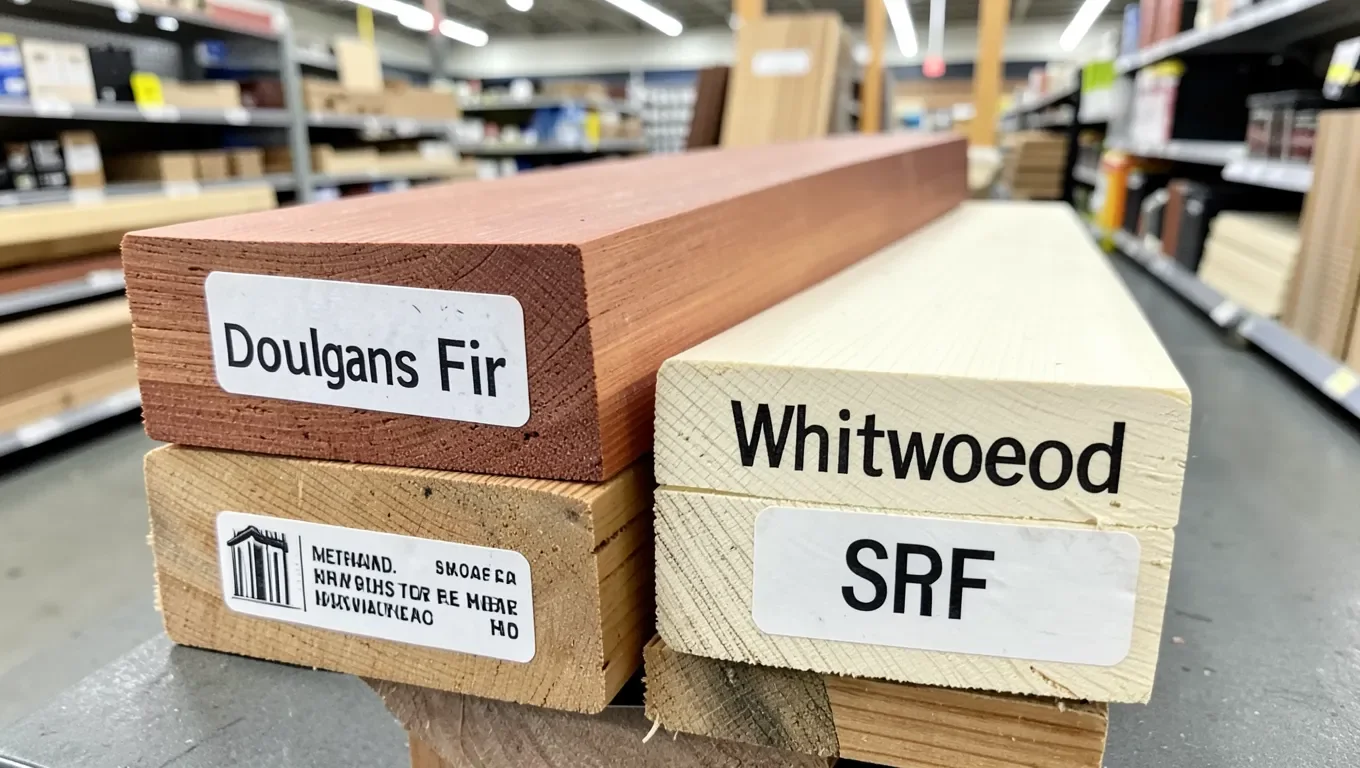
Both show up on the same lumber rack labeled as dimensional 2x4s and 2x6s, and both will physically fit the same stud bay or shelf bracket — which is exactly why picking the wrong one is an easy mistake. The right choice depends on whether the piece is going to carry a load or just needs to look good and hold paint.
Key Characteristics
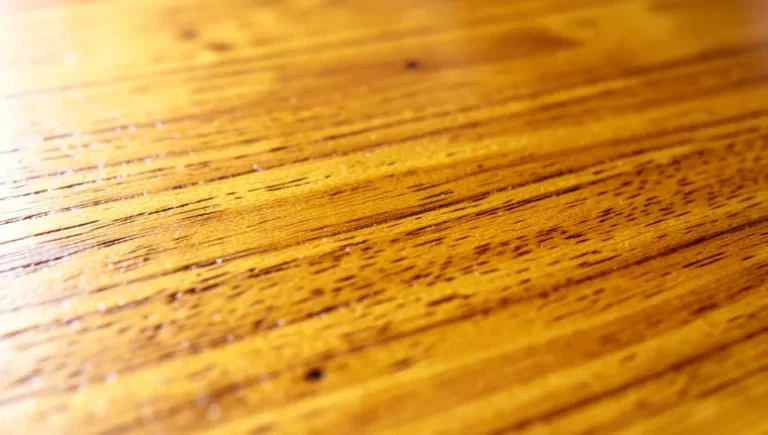
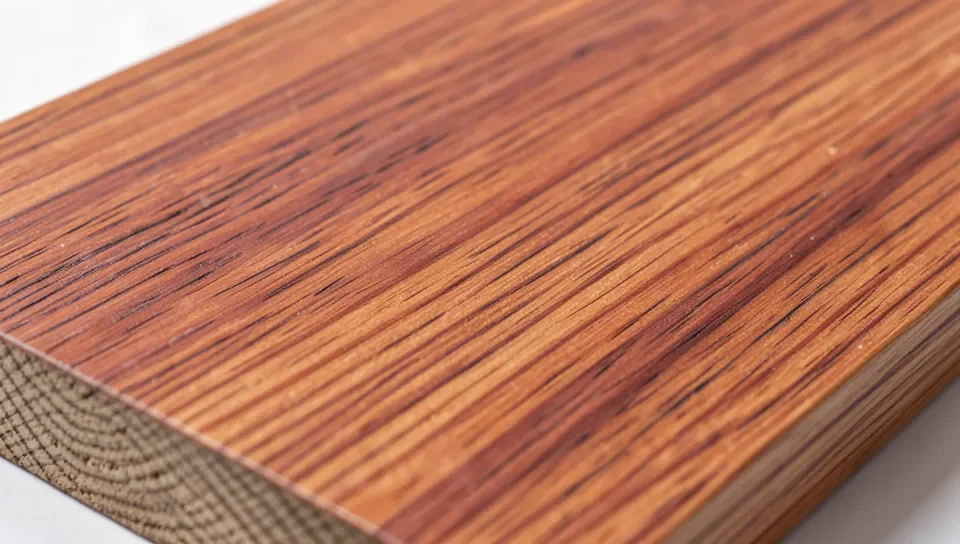
Douglas fir has a Janka hardness around 660 lbf and a distinct reddish-brown heartwood with a tight, straight grain pattern that reads as more “finished” even unstained. It’s graded and stamped DF-L (Douglas Fir-Larch) at the lumber yard specifically because of its structural strength, not just its species name.
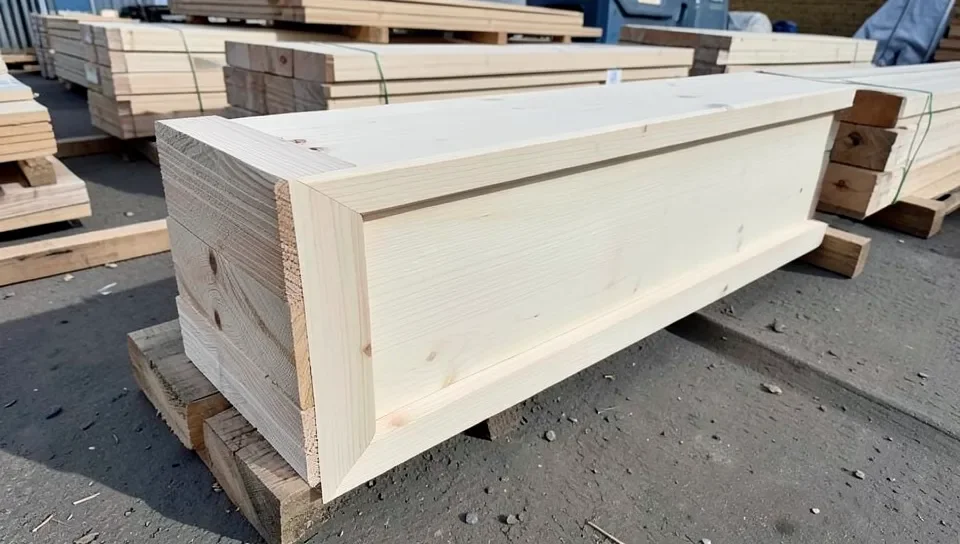
“Whitewood” isn’t one species — it’s a retail catch-all for the SPF group (spruce, pine, and fir species graded together because their properties are similar enough to sell interchangeably). Janka hardness runs 380-420 lbf depending on the exact species mix, and the color is pale, almost white to light yellow, with a less pronounced grain than Douglas fir.
| Property | Douglas Fir | Whitewood (SPF) |
|---|---|---|
| Janka hardness | ~660 lbf | ~380-420 lbf |
| Color | Reddish-brown heartwood | Pale white to light yellow |
| Grain | Tight, straight, prominent | Fine, less pronounced |
| Bending strength (MOR) | ~7,700 psi | ~4,700-5,900 psi |
| Typical cost per board foot | 15-25% more than SPF | Baseline / cheaper |
| Best use case | Framing, beams, load-bearing work | Furniture, shelving, non-structural builds |
Check Before You Buy
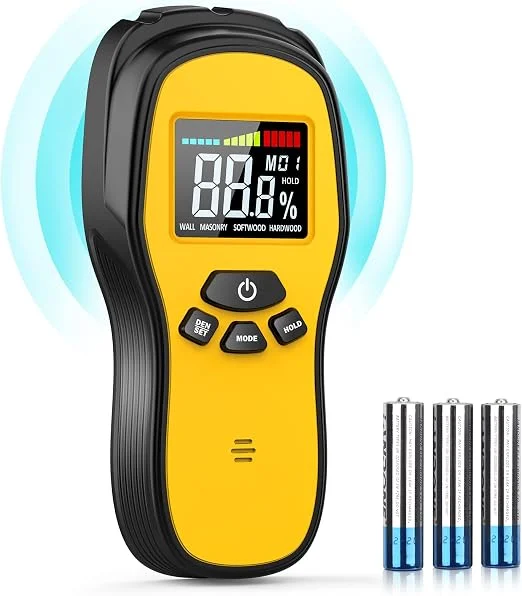 |
Pinless Digital Wood Moisture Meter – $29.99 Both species can be sold wetter than the stamped grade suggests — check moisture content before framing or gluing up either one.
|
Strength And Durability
Douglas fir’s modulus of rupture (bending strength before failure) runs roughly 7,700 psi versus 4,700-5,900 psi for SPF whitewood, which is why building codes specify Douglas Fir-Larch grade lumber for load tables in span charts, headers, and beams where a weaker species would need a larger cross-section to carry the same load. This is not a marginal difference — it’s the reason DF-L and SPF aren’t simply interchangeable on a structural plan set.
Whitewood still meets code for standard wall framing (studs in a typical residential wall aren’t usually load-limited the way a beam is), which is exactly why it’s the default stud lumber at most big-box stores — it’s structurally adequate and meaningfully cheaper for the highest-volume use case. Where it falls short is anywhere spanning a distance under load matters: joists, beams, and long unsupported spans favor Douglas fir or an engineered alternative.
Appearance And Workability
Douglas fir’s grain and reddish tone make it a common choice for exposed structural beams, stair treads, and furniture where the wood itself is meant to be seen, not hidden behind drywall. It takes stain well and the grain pattern stays visible and attractive under a clear finish.
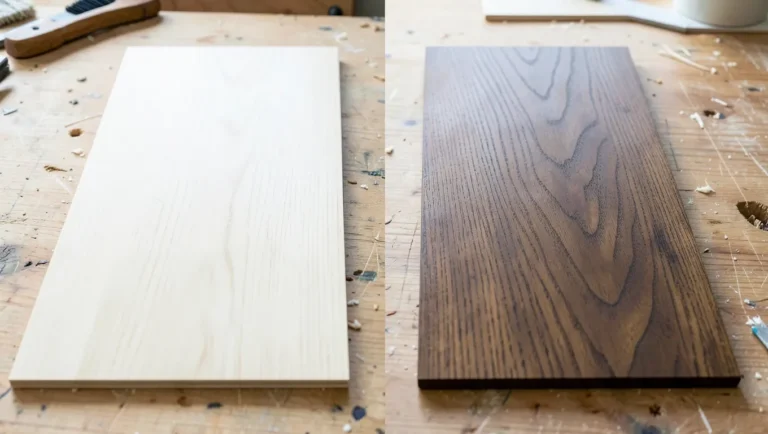
Whitewood’s plain, pale appearance is actually an advantage for painted projects — there’s no strong grain pattern or color variation to fight through multiple coats, which is why it’s the standard choice for painted shelving, trim, and furniture. It’s also generally easier to cut and sand due to its lower density, though it dents and scratches more easily once finished, and its softer surface holds screws less securely than Douglas fir’s denser wood. If you plan to stain it rather than paint over it, expect some blotching unless you pre-condition it first — see our guide on whether whitewood stains well for the exact prep steps.
Cost And Common Uses
Douglas fir typically runs 15-25% more per board foot than whitewood/SPF at most lumber yards, though the exact gap shifts with regional supply and species availability. That premium buys real structural strength and rot resistance closer to (though still below) pressure-treated lumber — it’s not purely a cosmetic upcharge.
Reach for Douglas fir on: exposed beams, stair stringers, structural headers, outdoor furniture that will see weather, and any load-bearing application where span tables matter. Reach for whitewood on: interior wall studs, painted shelving, furniture and cabinet carcasses that will be painted or covered, and any budget-driven project where raw strength isn’t the limiting factor.
Environmental Impact
Both Douglas fir and the SPF species group are grown and harvested under sustainable forestry programs in North America (FSC and SFI certification are common on lumber from both), and neither has a meaningfully worse environmental footprint than the other at the species level — the bigger factor is regional sourcing distance, which affects transport emissions more than the tree species itself.
Choosing the right-strength wood for the job (not over-building with Douglas fir where SPF would meet code) is the more meaningful sustainability lever than the species choice alone, since it avoids using a slower-growing, higher-value tree where a faster-growing one would perform identically.
Frequently Asked Questions
What Are The Disadvantages Of Douglas Fir Wood?
Douglas fir costs 15-25% more than whitewood/SPF, can warp or crack under uneven drying, and its harder surface (660 lbf Janka) resists dents but is also harder to hand-nail or hand-drill than softer species without pre-drilling.
What Wood Is Comparable To Douglas Fir?
Southern Yellow Pine is the closest structural equivalent to Douglas fir — both are graded for high bending strength and used interchangeably in span tables for beams and headers, though Southern Yellow Pine tends to have more visible knots.
What Kind Of Wood Is Lowe’s Whitewood?
Lowe’s and most big-box stores sell “whitewood” as SPF (spruce-pine-fir) group lumber — a mix of species with similar enough properties to be graded and sold together, not a single tree species.
Is Whitewood A Good Wood?
Yes, for the right job. Whitewood is a good, code-compliant choice for standard wall studs, painted furniture, and shelving, but it’s the wrong choice for beams, headers, or any long unsupported span where Douglas fir’s higher bending strength is actually needed.
Conclusion
Pick Douglas fir when the piece carries a load — beams, headers, stair stringers, exposed structural framing — and pick whitewood/SPF for standard wall studs, painted furniture, and shelving where the 15-25% price difference isn’t buying you anything you actually need.
Both are legitimate, code-compliant choices for the right application; the mistake is using one for the other’s job, not choosing the “wrong” species outright.
Sponsored / affiliate links. As an Amazon Associate I earn from qualifying purchases. I may earn additional commission from eligible campaigns.