How to Remove Scuff Marks From Wood Floors: 9 Safe Methods
Scuff marks on wood floors are surface residue on the finish, not damage to the wood, so a damp microfiber cloth or a pH-neutral cleaner like Bona usually lifts them in under a minute. Bleach, ammonia, and steel wool can strip a polyurethane finish and turn a free fix into a $3-$8-per-square-foot refinish. This guide covers nine safe removal methods from gentle to stronger, what to avoid, and how to spot real floor damage.
Chair mats are a common source of these scuffs in home offices. If yours keeps sliding around and grinding against the finish, see our guide on how to keep a chair mat from sliding on hardwood floors for fixes that also protect the finish.
Understanding Scuff Marks on Wood Floors
First, let’s talk about what a scuff mark actually is. It’s not usually damage to the wood itself. Think of it more like residue.
It’s often rubber from shoe soles. It can also be paint or even bits of plastic. This material rubs onto the top layer of your wood floor.
This top layer is the finish. The finish protects the wood. When something dark or colored gets on this finish, it looks like a scuff.
It’s sitting on top, not usually dug into the wood.
Why do they happen so often? Our feet are usually the main culprits. We wear shoes inside.
The rubber soles can leave marks. Moving furniture is another big one. Even carefully sliding a chair can leave a dark line.
Sometimes, it’s just regular wear and tear. Things get dragged or rubbed across the floor. Kids’ toys can leave marks.
Pets’ claws, while they can scratch, can also leave rubbery residue from their paws or toys.
The good news is that most scuff marks are superficial. This means they are on the surface. They haven’t gone deep into the wood or the finish.
This makes them easier to remove. The type of finish on your wood floor matters. Different finishes react differently.
Some are tougher than others. But generally, a gentle approach is best for all finishes. Knowing this helps you pick the right cleaning method.
It’s about being careful and using the right materials.
Why Your Floor’s Finish Type Changes the Right Method
Wood floor finish is the clear protective topcoat that sits over the actual wood — it’s the layer a scuff mark rubs onto, and different finish types tolerate cleaning methods differently. Most homes built or refinished in the last 20 years have a water-based or oil-based polyurethane finish, which is what the gentle methods in this guide are written for.
Water-based polyurethane is the most common finish on newer floors and is also the most sensitive to acidic cleaners like straight vinegar — stick to the pH-neutral options below. Oil-based polyurethane is more forgiving but takes longer to fully cure, so avoid abrasive pastes on a floor finished in the last 30 days. Waxed floors (common in older homes) need a wax-compatible cleaner, not water-based products, since water can cloud a wax finish. If you’re not sure which finish your floor has, a small drop of water that beads up on the surface usually means polyurethane; water that soaks in within a minute or two often means wax or oil.
📊 Manufacturer guidance: avoid vinegar and water as a routine wood floor cleaner — an acidic cleaner like vinegar gradually wears down the finish and lets moisture reach the wood underneath. Source: Bona, Homeowner Care Guide
This is also why the pH-neutral, ready-to-use sprays sold specifically for wood floors (covered under Method 7 below) tend to outperform pantry staples like vinegar on repeat use — they’re formulated to clean without slowly stripping the exact finish layer that scuffs sit on top of. For a full walkthrough of the process, see our guide on how to use Bona hardwood floor cleaner.
Scuff Mark Removal: Key Takeaways
What it is: Scuff marks are usually residue, not damage to the wood itself.
Why it happens: Most often from shoe soles, furniture movement, or general wear.
The Fix: Gentle cleaning methods are usually most effective.
Caution: Avoid harsh chemicals or abrasive scrubbers.
Gentle Methods to Try First
When you see a scuff mark, the first instinct might be to scrub hard. But that’s usually the wrong move. Harsh scrubbing can scratch the finish.
It can make the problem worse. Instead, let’s start with the most gentle options. These are usually safe for most wood floor finishes.
1. The Magic of a Microfiber Cloth
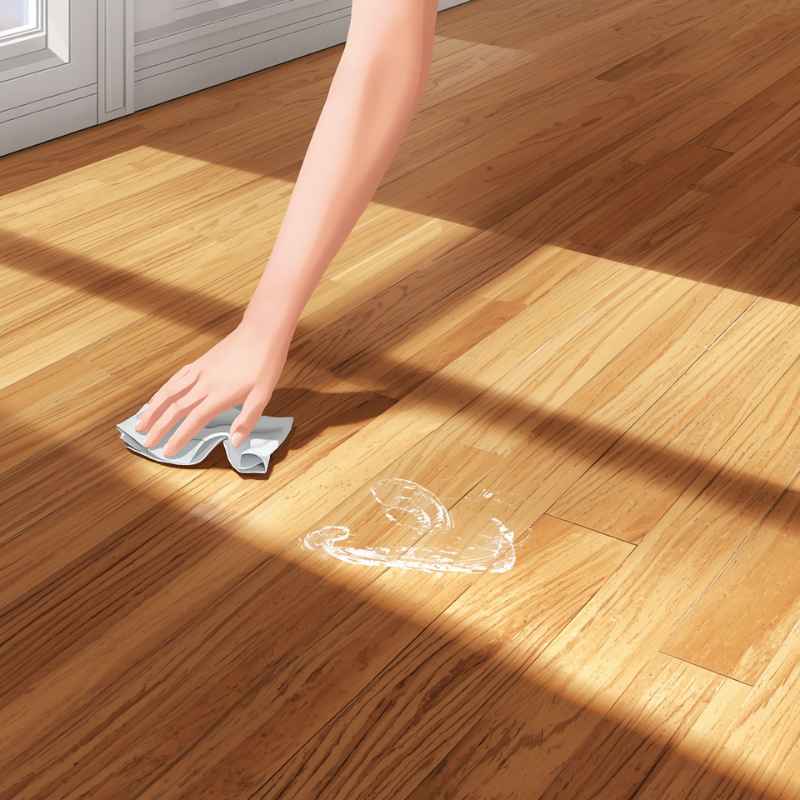
Sometimes, a scuff is so light that a dry microfiber cloth can remove it. Microfiber cloths are great because they pick up dirt and residue without scratching. Gently rub the scuff mark in a circular motion.
See if it starts to lift. This is the least invasive method.
If a dry cloth doesn’t work, try a slightly damp one. Dampen your microfiber cloth with plain water. Wring it out really well.
You don’t want it dripping wet. Water can damage wood if it sits too long. Gently rub the scuff again.
This is often enough for very light marks. Always wipe the area dry afterward with a separate, dry microfiber cloth.
2. Dish Soap and Water Solution
For slightly tougher marks, a mild dish soap solution can help. You only need a tiny amount of soap. Too much soap can leave a dull residue.
Add just a drop or two of pH-neutral dish soap to a bowl of warm water. Stir it gently to mix.
Dip a clean microfiber cloth into the soapy water. Wring it out thoroughly. It should be barely damp.
Gently rub the scuff mark. Work in the direction of the wood grain if possible. Don’t scrub hard.
After the scuff is gone, use a separate cloth dampened with plain water to wipe away any soap residue. Then, dry the area completely with a dry cloth.
3. Tennis Ball Trick
This one sounds a bit odd, but it works wonders for rubber scuff marks. Get a clean, dry tennis ball. Rub the scuff mark with the fuzzy side of the tennis ball.
The rubber on the ball acts as a gentle abrasive to lift the rubber scuff off your floor. It’s surprisingly effective and very safe.
You can also try cutting a small slit in the tennis ball and slipping your finger inside. This gives you more control. Rub the scuff mark gently.
Again, this works best for rubber-based marks. It’s a great option because tennis balls are soft and readily available in many homes.
Quick Scan: Gentle Cleaning Methods
| Method | Best For | How-To | Caution |
| Microfiber Cloth (Dry) | Light residue | Rub gently in circles. | Use a clean cloth. |
| Microfiber Cloth (Damp) | Light scuffs | Dampen, wring well, rub gently. Dry thoroughly. | Do not use a wet cloth. |
| Dish Soap Solution | Tougher marks | Use 1-2 drops soap in water. Damp cloth. Wipe clean. Dry. | Avoid too much soap. |
| Tennis Ball | Rubber marks | Rub gently with the fuzzy side. | Ensure ball is clean. |
Slightly Stronger, Still Safe Options
If the gentle methods don’t quite cut it, there are a few more options. These are still safe for most wood floors, but you should always test them in an inconspicuous spot first. This way, you can be sure they won’t affect your floor’s finish.
4. Baking Soda Paste
As I mentioned in my story, baking soda is a great mild abrasive. It’s often effective on stubborn scuff marks. Mix a small amount of baking soda with water.
You want to create a paste. It should be thick enough to stick to the scuff, but not so dry that it’s crumbly.
Apply a small amount of the paste directly to the scuff mark. Use a soft cloth or a sponge. Gently rub the paste into the scuff.
Don’t scrub too hard. Let the paste sit for a minute or two. Then, wipe it away with a clean, damp cloth.
Rinse the cloth and wipe again to remove all baking soda residue. Finally, dry the area well.
5. Eraser Time (Yes, a Pencil Eraser!)
This is another surprisingly effective method, especially for small, dark marks. Use a clean, white pencil eraser. The plain white ones are best, as colored ones might transfer their color.
Gently rub the eraser over the scuff mark. The eraser material can often lift the residue right off.
Just like with baking soda, be gentle. You don’t want to rub so hard that you damage the finish. After the scuff is gone, use a dry cloth to wipe away any eraser dust.
This method is quick and requires no liquids. It’s great for spot cleaning specific marks.
6. Toothpaste (Non-Gel White Paste)
White, non-gel toothpaste can also work like a mild abrasive. The kind you’d use for regular brushing is perfect. Avoid gel formulas or those with colored stripes, as they might contain dyes that could stain.
Squeeze a small dab of toothpaste onto a soft cloth.
Gently rub the toothpaste into the scuff mark. Use circular motions. You’re using the mild grit in the toothpaste to buff away the mark.
Once the scuff is gone, wipe the area clean with a damp cloth. Make sure to get all the toothpaste off. Then, dry the spot thoroughly.
Contrast Matrix: What NOT to Use First
Normal / Safe
Gentle Rubbing
Mild Cleaners
Soft Cloths
Testing in Hidden Spot
Concerning / Risky
Harsh Scrubbing
Abrasive Pads (Steel Wool, etc.)
Strong Chemicals (Bleach, Acetone)
Excessive Water
When to Bring Out the Pros (or Specific Products)
Sometimes, a scuff mark is a bit more stubborn. It might be from paint or a more difficult material. Or perhaps the previous methods just didn’t work fully.
In these cases, you might need a product specifically designed for wood floor cleaning. Or, it might be time to call a professional.
7. Wood Floor Cleaner
There are many excellent wood floor cleaners on the market. Look for ones that are specifically labeled as safe for finished wood floors. Always follow the product instructions carefully.
Many of these cleaners are designed to lift dirt and grime without damaging the finish. They often work by gently breaking down the residue.
Apply the cleaner according to the directions. Usually, this involves spraying it onto a cloth, not directly onto the floor. Then, gently rub the scuff mark.
Wipe away any residue and dry the area. It’s wise to have a good wood floor cleaner on hand for regular maintenance, too. Keeping your floors clean generally prevents scuffs from becoming permanent.
As an Amazon Associate we earn from qualifying purchases.
8. WD-40 for Tough Marks
This is a bit of a trickier one, and you must use it with extreme caution. WD-40 can be very effective at removing stubborn scuff marks, especially those from paint or rubber. However, it’s an oil-based product.
If not used correctly, it can leave a greasy residue or even dull the finish.
First, always test this in a hidden area. Spray a small amount of WD-40 onto a clean microfiber cloth, not directly onto the floor. Gently dab and rub the scuff mark.
You’re trying to lift the residue. Work quickly. Once the scuff is gone, you MUST clean the area thoroughly with a pH-neutral wood floor cleaner or a mild dish soap solution.
Then, rinse with a damp cloth and dry immediately and completely. Never let WD-40 sit on your wood floor.
9. Rubbing Alcohol (Isopropyl Alcohol) – Use Sparingly
Rubbing alcohol can break down certain types of residue, like ink or some paint marks. Like WD-40, this needs careful handling. Use a high-percentage isopropyl alcohol (70% or higher).
Apply a small amount to a cotton ball or a microfiber cloth. Do not soak the cloth.
Gently dab at the scuff mark. Avoid rubbing aggressively. The alcohol evaporates quickly.
If it seems to be working, you can try a very light rub. Once the mark is gone, clean the area with a damp cloth to remove any alcohol. Dry immediately.
Alcohol can be drying to some finishes, so always test first and don’t overdo it.
What to Avoid: Common Mistakes
It’s just as important to know what not to do. Avoiding these common mistakes will save your wood floors from damage. Many people reach for cleaning products they use everywhere else in the house.
But wood floors are different.
1. Abrasive Scrubbers
Never use steel wool, scouring pads, or stiff-bristled brushes on your wood floors. These are too harsh. They will scratch the finish.
They can even damage the wood itself. Even a regular sponge with a rough side can be too much for some finishes. Always stick to soft cloths like microfiber or clean cotton rags.
2. Harsh Chemicals
Bleach, ammonia, acetone (nail polish remover), and undiluted vinegar are big no-nos. These chemicals can strip the finish off your wood floors. They can cause discoloration or leave dull spots.
While diluted vinegar is sometimes suggested for general cleaning, it’s best avoided for spot treatment of scuffs. It’s too acidic for many finishes.
3. Too Much Water
Wood and water don’t mix well over long periods. Excess water can seep into the wood. It can cause swelling, warping, or even rot.
It can also damage the finish, making it cloudy or peeling. Always use damp, not wet, cloths. And always dry the area immediately after cleaning.
4. Letting Spills Sit
This applies to more than just scuff marks. Any liquid spilled on your wood floors should be wiped up immediately. The longer a liquid sits, the more chance it has to penetrate the finish and damage the wood.
This includes water, juice, pet accidents, or cleaning solutions.
5. Not Testing First
I cannot stress this enough: always test any cleaning method or product in an inconspicuous area. This might be inside a closet or under a large piece of furniture. Wait to see how the floor reacts.
Does the finish change color? Does it look dull? Does it get damaged?
If you see any negative effects, do not use that method on the visible parts of your floor.
Myths vs. Reality About Scuff Marks
Myth: Scuff marks mean the wood is damaged. Reality: Most scuffs are just residue on the finish.
Myth: You need strong chemicals to remove tough scuffs. Reality: Gentle methods often work, and harsh chemicals cause more damage.
Myth: If a mark is dark, it’s permanent. Reality: Many dark marks can be removed with the right technique.
Myth: All wood floors are the same. Reality: Different finishes require slightly different care.
Real-World Scenarios and Prevention
Understanding how scuff marks appear in real homes helps us prevent them. It’s not just about cleaning; it’s about smart habits. Most issues arise from common household activities.
Everyday Footwear
The most frequent cause of scuff marks is shoes. The rubber soles on many athletic shoes, work boots, and even casual sneakers can leave dark marks. In homes with wood floors, it’s best to adopt a “shoes off” policy at the door.
Provide a shoe rack or bench for guests and family members.
Furniture Movement
Dragging furniture is a major scuff-maker. When you need to move a couch, a chair, or a table, use furniture sliders. These are felt or plastic pads that go under the furniture legs.
They allow the item to slide smoothly without marking the floor. Lifting is even better, but sliders are a good compromise.
Pet and Child Play
Kids’ toys, like toy cars or hard-soled shoes, can quickly leave scuffs. Similarly, pets can track in dirt or leave residue from their paws or toys. Regular cleaning is important.
For pets, wiping their paws when they come inside can make a big difference. Providing designated play areas for toys might also help.
Entrance Areas
The area right inside your main entrance is a scuff hotspot. Dirt, sand, and grit from outside are tracked in on shoes. Place a good quality doormat both outside and inside the door.
This traps a lot of the debris before it reaches your wood floors.
Consider entryway mats or runners in high-traffic areas of your home. These areas, like hallways or the path from the kitchen to the living room, see a lot of foot traffic. A mat can protect the floor and also catch scuffs.
What This Means for You: When to Worry
Most scuff marks are not a cause for alarm. They are part of living in a home. But there are times when a mark might signal a deeper issue.
Normal Scuffs
If a mark comes off with gentle cleaning methods like a microfiber cloth, dish soap, or baking soda, it’s a normal scuff. It means the finish is intact, and you’ve successfully removed residue. This is the most common scenario.
When to Be Concerned
If a mark doesn’t budge after trying several gentle methods, it might be more than just residue. It could be:
- Deep gouges: If you can feel an indentation in the floor, it’s not a scuff but physical damage.
- Paint damage: If the mark is paint and it seems to have eaten into the finish, it might be a chemical reaction.
- Discoloration: If the area is lighter or darker than the surrounding floor, it could be a finish issue.
Simple Checks
After cleaning a scuff, always do a quick visual check. Run your hand over the area. Does it feel smooth?
Does the finish look consistent? If it looks and feels normal, you’ve succeeded. If you notice any lingering dullness, wipe with a clean, damp cloth and dry thoroughly.
If the mark or the floor around it looks damaged, it might be time to consult a flooring professional.
Quick Fixes and Tips for Maintenance
Preventing scuffs is often easier than removing them. A few good habits can keep your floors looking great.
- Wipe Up Spills Immediately: This is the golden rule for wood floors.
- Use Doormats: Place mats inside and outside every exterior door.
- Shoes Off Policy: Encourage everyone to remove shoes at the door.
- Furniture Pads: Use felt pads on all furniture legs.
- Sweep or Vacuum Regularly: Remove grit and dirt that can cause scuffs. Use a vacuum with a soft brush attachment.
- Use Wood Floor Cleaners: Follow manufacturer recommendations for cleaning products.
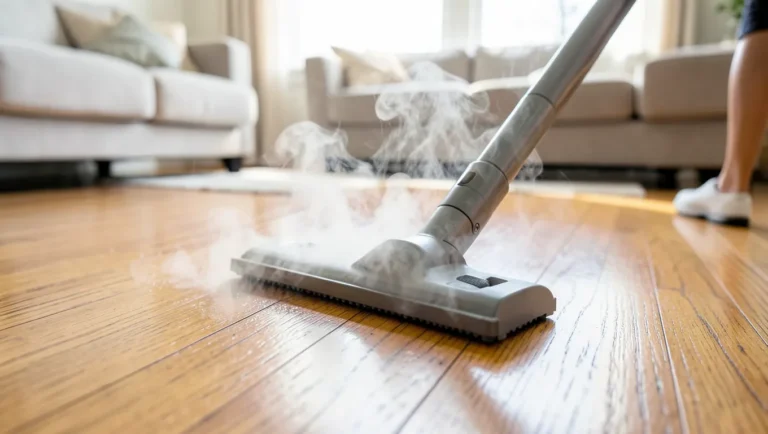
- Avoid Steam Mops: Steam can damage the finish and the wood.
Frequently Asked Questions About Scuff Marks
What is the best way to remove a black scuff mark from a wood floor?
For black scuff marks, start with a dry microfiber cloth. If that doesn’t work, try a slightly damp cloth with water. A clean white pencil eraser or a clean tennis ball can also be very effective, especially for rubber-based marks.
Always test in an inconspicuous spot first.
Can I use a magic eraser on my wood floors?
Magic Erasers are made of melamine foam, which is a very fine abrasive. While they can be effective on scuff marks, they can also dull or damage the finish on wood floors, especially with repeated use or hard scrubbing. It’s generally recommended to avoid them on finished wood floors and stick to softer methods.
How do I remove scuff marks from painted wood floors?
For painted wood floors, gentleness is key. Try a soft cloth dampened with a mixture of water and a tiny amount of pH-neutral dish soap. Gently wipe the scuff.
If that doesn’t work, a white pencil eraser might lift it. Avoid harsh cleaners that could remove the paint itself.
What if the scuff mark looks like it’s in the wood, not on it?
If a mark appears to be deeper than just residue on the finish, it might be a scratch or actual damage to the wood. In this case, gentle cleaning won’t help. You may need to look into wood repair kits or consult a professional flooring specialist to assess the damage and suggest refinishing or repair options.
Are there any natural ways to remove scuff marks from wood floors?
Yes, several natural methods work well. A paste of baking soda and water, a clean white pencil eraser, a clean tennis ball, or a soft cloth with a tiny bit of mild dish soap are all natural and generally safe options. Always ensure you test these methods first.
How often should I clean my wood floors to prevent scuffs?
For high-traffic areas, daily or every-other-day sweeping or vacuuming with a soft attachment is recommended to remove grit. A damp mopping with a wood floor cleaner should be done weekly or bi-weekly, depending on usage. Consistent light cleaning helps prevent scuffs from becoming ingrained.
Conclusion
Seeing scuff marks on your beautiful wood floors can be disheartening. But remember, they are usually just surface residue. By using gentle cleaning methods and the right tools, you can remove most scuffs safely.
Always start with the least aggressive approach. Test any new method in a hidden spot first. With a little care and the right techniques, you can keep your wood floors looking their best for years to come.
Sponsored / affiliate links. As an Amazon Associate I earn from qualifying purchases. I may earn additional commission from eligible campaigns.