San Rafael Hardwood Floors: Best Local Options Near You
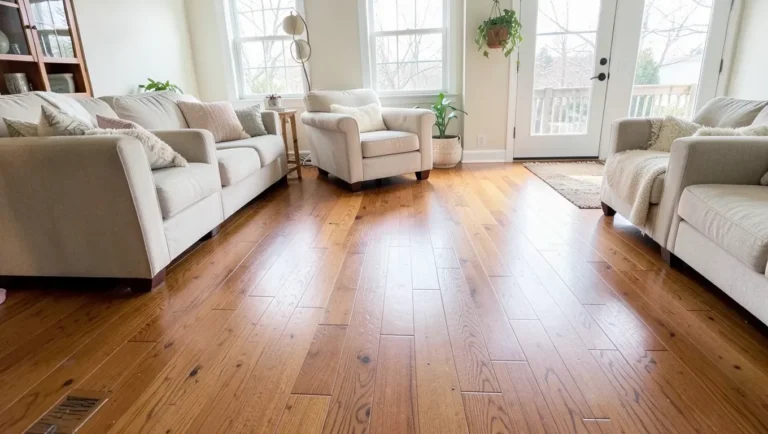
Choosing hardwood floors in San Rafael involves selecting the right wood type, finish, and installer. Consider your home’s style, budget, and durability needs. Local showrooms and experienced contractors can guide you through options like oak, maple, or walnut for timeless beauty and lasting value.
What Are Hardwood Floors?
Hardwood flooring comes in two basic constructions: solid wood, milled from a single piece of timber top to bottom, and engineered wood, which bonds a thin real-wood veneer to several layers of cross-grained plywood underneath. That layered, cross-grained core is what makes engineered flooring meaningfully more dimensionally stable than solid wood – each ply’s grain runs perpendicular to the one below it, which cancels out most of the expansion and contraction that would otherwise happen across a solid plank’s width. That matters in San Rafael’s marine-influenced climate, where indoor humidity can swing noticeably between the damp winter months and drier summer stretches.
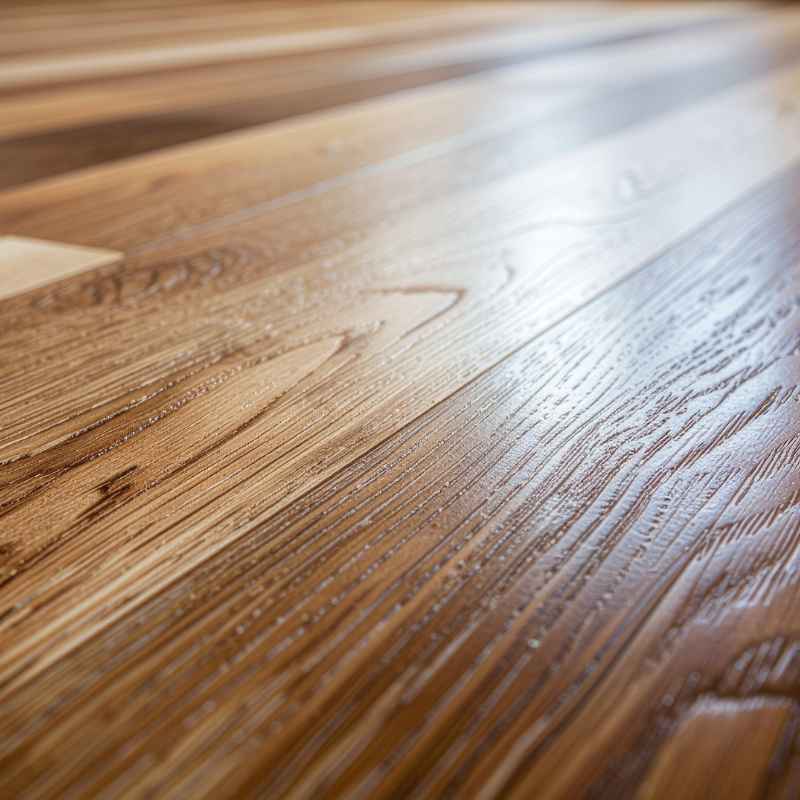
Within either construction, the species you choose changes the floor’s color, hardness, and price. Oak remains the default for a reason – it’s strong, takes stain evenly, and its grain reads as classic in almost any home style. Maple runs lighter and finer-grained, walnut runs darker and more dramatic, and each has its own hardness rating that affects how well it resists dents from furniture legs and dropped objects – worth knowing before you fall in love with a color and only later find out how it holds up.
Why Choose Hardwood Floors for Your San Rafael Home?
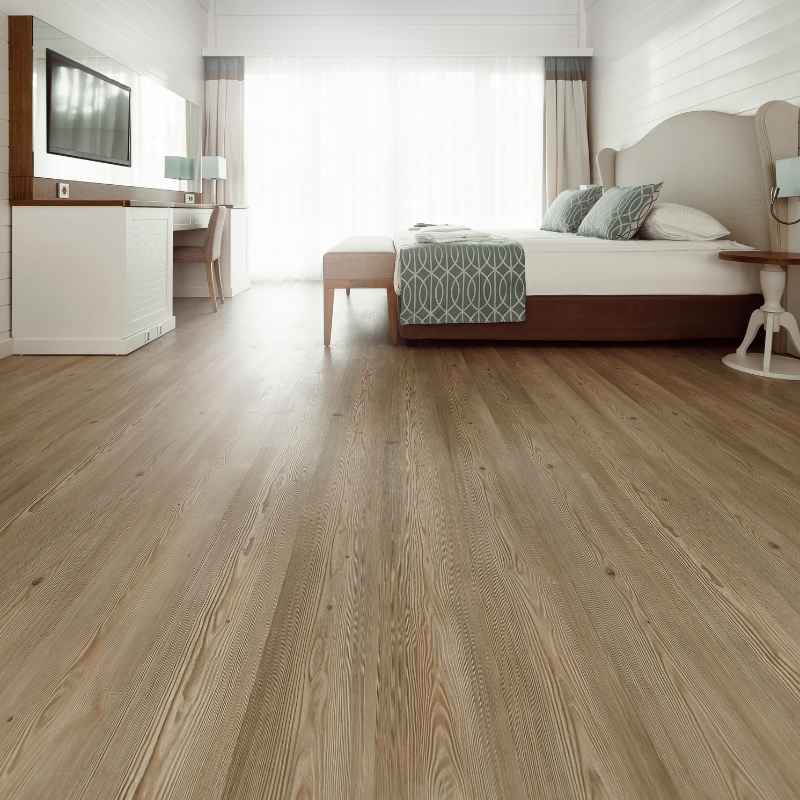
Beyond the obvious warmth and natural grain pattern hardwood adds to a room, it’s one of the few flooring types that reliably shows up as a plus in a home appraisal and in buyer feedback during a sale – carpet and vinyl rarely get the same reaction. Day-to-day upkeep is genuinely low: regular sweeping or vacuuming plus a damp mop for deeper cleaning covers most of it, and the main rule that actually protects the finish is wiping up spills promptly rather than letting liquid sit.
The bigger long-term advantage is that solid hardwood, and engineered hardwood with a thick-enough veneer, can be sanded down and refinished rather than replaced when the surface gets worn – a scratched-up floor that would mean a full tear-out with carpet or laminate can come back looking new with a sand-and-refinish instead.
Understanding Wood Types for San Rafael Homes
Hardness is the single most useful number for comparing species, measured by the Janka scale (how much force it takes to embed a steel ball halfway into the wood). It’s a genuinely practical number, not just a spec-sheet curiosity, because it predicts how visible dents and dings will be a few years into owning the floor.
Red Oak
Red oak runs around 1,290 on the Janka scale and remains the most common hardwood floor in American homes for good reason: a pronounced, open grain that hides minor wear well, a warm reddish-tan color, and excellent stain uptake that lets you push it lighter or darker to match almost any design. It’s hard enough for normal household traffic without being difficult to work with during installation and sanding.
White Oak
White oak tests slightly harder, around 1,360 on the Janka scale, with a cooler gray-brown tone and tighter, more subtle grain that reads as more contemporary than red oak’s warmer color. Its cell structure includes tyloses – a natural blockage in the wood’s pores – that makes it noticeably more water- and rot-resistant than red oak, which is part of why it’s the traditional choice for wine barrels as well as flooring in moisture-prone rooms.
Maple
Hard (sugar) maple rates around 1,450 on the Janka scale, harder than either oak, with a fine, tight grain and a pale, almost creamy color that brightens a room noticeably compared to oak. That same tight grain makes it more prone to blotchy, uneven stain absorption, so most maple floors are left natural or given only a light stain rather than pushed to a dark tone.
Walnut
Walnut is the outlier of the group at roughly 1,010 on the Janka scale – softer than any of the oaks or maple – traded for a rich chocolate-brown color and dramatic, varied grain that no stain fully replicates on a paler wood. That relative softness means it dents more readily under furniture legs and dropped items, so it tends to work best in bedrooms, formal living rooms, and other lower-traffic spaces rather than an entryway or kitchen.
Hickory
Hickory tops the common flooring species at around 1,820 on the Janka scale – noticeably harder than oak or maple – with dramatic light-to-dark color variation within the same board that gives it a rustic, high-contrast look. That toughness makes it the frequent recommendation for households with large dogs or heavy foot traffic, where a softer species would show wear within a couple of years.
Hardwood vs. Other Flooring Types
Hardwood: Natural beauty, adds value, long-lasting, can be refinished.
Laminate: Mimics wood, more budget-friendly, less durable, cannot be refinished.
Vinyl Plank (LVP): Water-resistant, durable, good for high-moisture areas, can look very realistic.
Tile: Very durable, waterproof, can be cold, requires grout maintenance.
Carpet: Soft, warm, good for sound, traps allergens, stains easily.
Engineered Wood vs. Solid Hardwood
Solid Hardwood
A solid hardwood plank is exactly what it sounds like – one species, top to bottom, typically nailed down over a wood subfloor. It’s the classic option and can be sanded and refinished many times over its life (often 4-6 times or more across many decades), but being solid wood, it moves with humidity: expanding when the air is damp and contracting when it’s dry, which over time can open gaps between boards or, in worse cases, cause cupping or crowning.
Engineered Hardwood
Engineered planks put a real hardwood veneer over a cross-layered plywood or high-density fiberboard core, which resists that humidity-driven movement far better than solid wood – a real advantage in San Rafael’s coastal climate swings. It also installs in more configurations, including directly over a concrete slab, where solid hardwood generally can’t go. The tradeoff is refinishing life: because the top veneer is thin, engineered floors typically tolerate only one or two light sandings before the veneer is too thin to sand again safely.
Engineered Wood Layers Explained
Top Layer (Veneer): This is the real hardwood you see. It can be oak, maple, walnut, etc.
Core Layers: Made of plywood or HDF (high-density fiberboard). These layers provide stability.
Balancing Layer: The bottom layer that helps keep the plank flat.
Finishes for Your Hardwood Floors
Surface Finishes (Polyurethane)
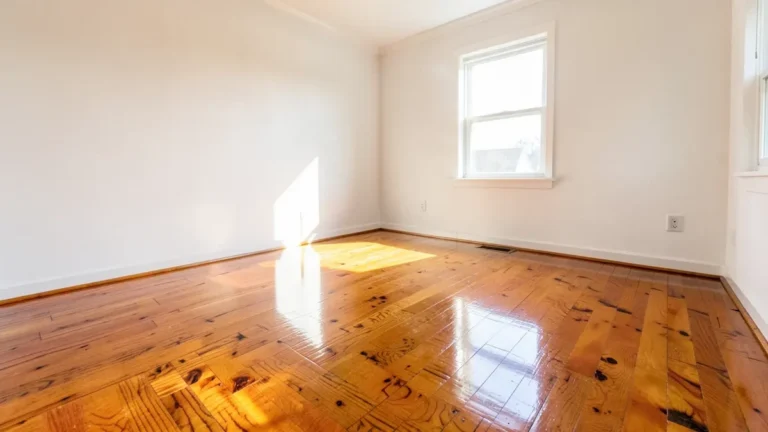
Polyurethane is the standard surface finish on new hardwood: it cures into a hard, clear film sitting on top of the wood, protecting it from scratches and spills without the wood itself absorbing anything. Sheen is a style choice more than a performance one, running from matte (least reflective, best at hiding minor scratches and everyday dust) through satin and semi-gloss to full gloss (most reflective, but shows every scuff and footprint clearly).
Penetrating Finishes (Oils)
Hardwax oil finishes soak into the wood fiber instead of sitting on top, which keeps the surface feeling like wood rather than plastic and gives a more matte, natural look. The real advantage shows up at repair time: a scratch in an oiled floor can usually be spot-treated with a bit more oil rubbed into just that area, where a scratch through polyurethane often requires screening or refinishing a whole room to blend in. The tradeoff is upkeep – oil finishes generally need reapplication more often than polyurethane, and the product itself tends to cost more per coat.
Finish Sheens: What They Mean
Matte: Very little shine. Hides wear well. Modern look.
Satin: A soft sheen. A good balance between matte and gloss.
Semi-Gloss: More shine. Reflects light well. Classic look.
Gloss: High shine. Shows off wood detail. Can show scratches.
Installation Methods in San Rafael
Nail-Down Installation
The traditional method for solid hardwood: cleated nails or staples drive through each board’s tongue at an angle, anchoring into the wood subfloor and joists beneath. It’s a strong, time-tested system that supports many future sandings, but it requires an actual wood subfloor – it isn’t an option over a concrete slab, which rules it out for some San Rafael homes built on slab foundations.
Glue-Down Installation
Planks are bonded directly to the subfloor – wood or concrete – with a specialized adhesive, creating a rigid, low-noise floor that works where nailing isn’t practical. Engineered wood is glued down often; solid wood can be too, though it’s less common than nail-down for solid stock.
Floating Floor Installation
Common for engineered wood and laminate, a floating floor isn’t fastened to the subfloor at all – the planks lock to each other and the whole assembly rests on a foam or cork underlayment that adds cushioning and some sound and moisture buffering. It installs faster than the other two methods, is realistic for an ambitious DIYer, and its sound-dampening quality makes it a common choice in condos and multi-unit buildings with noise restrictions. The underlayment isn’t optional, though – skipping it or using one rated for too little weight is one of the more common causes of a floating floor feeling spongy or shifting underfoot.
Quick Installation Guide
Solid Hardwood: Usually nail-down on wood subfloor.
Engineered Hardwood: Nail-down, glue-down, or floating. Works on many subfloors.
Laminate/Vinyl: Usually floating. Easy for DIY.
Finding Local Experts in San Rafael
Picking the right wood only pays off if the installation is done correctly, so vet the installer with the same care as the material. Look for an established local track record, read reviews closely for mentions of subfloor prep and follow-up service (not just the finished look on day one), and ask directly for references from jobs at least a year old – problems from a poorly matched underlayment or rushed acclimation period often don’t show up until months later. A reputable installer backs their work with a real warranty and can speak specifically to why they’d choose one installation method over another for your particular subfloor.
Visiting a showroom in person is worth the trip even after browsing online – photos flatten grain texture and color variation in a way that’s genuinely misleading for a material this visually dependent on lighting and finish. For a closer look at vetting contractors specifically, including the exact questions to ask and installation red flags to watch for, see this guide to San Rafael hardwood floor installers.
A Common Installation Mistake: Skipping The Right Underlayment
One of the most frequent complaints homeowners report after a “floating floor” install over a concrete slab traces back to a single cause: an underlayment that wasn’t rated for the actual weight and traffic of the finished floor. Planks that lift slightly at the edges within the first few weeks, or a floor that feels noticeably springy underfoot, are the classic symptoms – and installers sometimes wave it off as “normal settling” when it’s actually a sign the underlayment or subfloor prep was inadequate for the job.
The fix, if it happens, usually means pulling up the affected planks, installing a proper moisture-rated underlayment matched to the engineered product’s weight rating, and reinstalling – more work than doing it right the first time, but far less than a full floor replacement. The practical takeaway for anyone hiring an installer: ask specifically which underlayment product they plan to use and whether it’s rated for your subfloor type (concrete slab vs. plywood) and the flooring’s specific weight, rather than taking “we’ll handle it” as a sufficient answer.
Questions To Ask Before Installation Day
Don’t rush the decision. Take your time to find the right wood and installer.
Ask about the subfloor. Make sure the installation method and underlayment are rated for your home’s subfloor type.
Check the warranty. A good installer stands behind their work in writing.
Read reviews. Look specifically for mentions of problems that surfaced weeks or months after installation, not just day-one impressions.
Considering Durability and Lifestyle
Kids and Pets
A household with kids or large pets benefits from stepping up to a harder species – hickory, maple, or white oak all resist dents and claw marks better than softer walnut. Finish choice matters almost as much as species: a matte or satin sheen hides everyday scuffs far better than gloss, and a slightly darker wood tone hides dust, dirt, and pet hair between cleanings more forgivingly than a very pale floor.
High-Traffic Areas
Entryways, kitchens, and living rooms take the most cumulative wear in a home, which makes them the areas most worth spending on a genuinely durable species (oak, hickory, or maple) and a high-quality finish rather than cutting corners. Wood with more natural grain variation also has a practical advantage here beyond looks – it disguises the small scratches that inevitably accumulate in a busy room far better than a wood with very uniform, quiet grain.
Low-Traffic Areas
Bedrooms and formal living rooms are where a softer, more delicate species like walnut makes the most sense, since the wear that would show up quickly in an entryway takes years to appear in a room used gently. Lower-traffic rooms are also where an oil finish is more practical – without heavy daily wear and spill risk, its lower durability matters less and its natural look and easier spot-repair become the bigger selling points.
Lifestyle Match for Wood Floors
Busy Family: Hickory, Maple, White Oak with a satin or matte finish.
Pet Owners: Harder woods, darker colors, durable finishes.
Entertainers: Any wood that matches your style, but ensure durability for guests.
Quiet Home: Walnut, softer woods are suitable, can use more natural finishes.
Maintenance for San Rafael Hardwood Floors
Daily Cleaning
Sweep or vacuum regularly using a hard-floor attachment without a rotating beater bar, since a beater bar designed for carpet fiber will scratch a wood surface over repeated use. Wipe up spills immediately rather than letting them sit – standing liquid is the single biggest daily threat to a finish, especially on solid hardwood where water can work into seams between boards.
Regular Cleaning
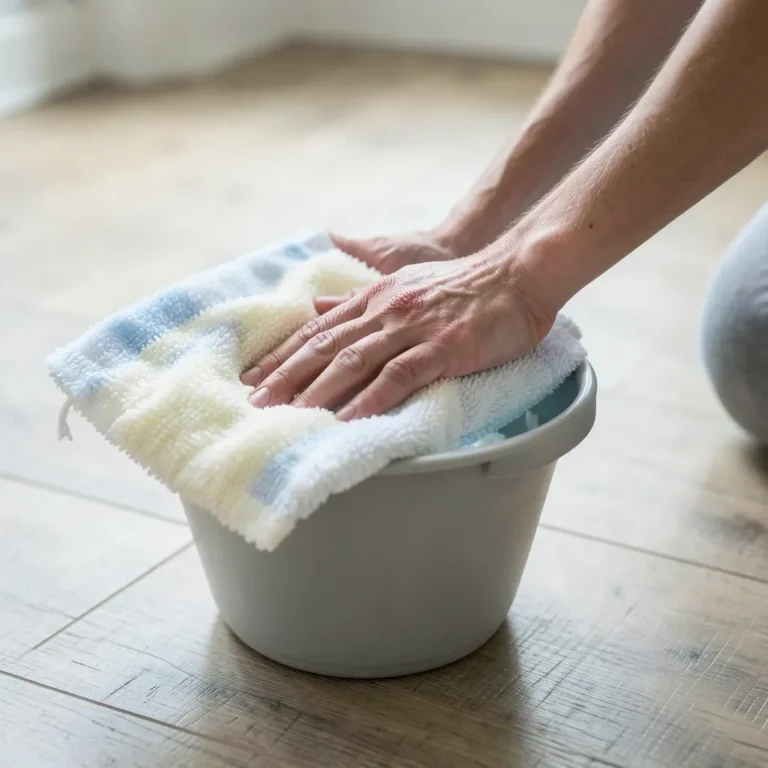
About once a week, a lightly damp mop with a cleaner formulated specifically for hardwood (not an all-purpose or vinegar-based cleaner, both of which can dull or damage certain finishes over time) handles what daily sweeping misses. Test any new cleaning product in an inconspicuous corner first – residue buildup and finish dulling are both real risks with the wrong product, and they’re much easier to avoid than to fix after the fact.
Deep Cleaning and Refinishing
Refinishing sands away the existing finish along with minor surface damage, then applies a fresh coat – effectively resetting the floor’s appearance. Solid hardwood tolerates many refinishing cycles over its lifetime because there’s a full plank’s thickness to sand into; engineered wood is limited to roughly one or two light sandings, capped by however thick its top veneer layer actually is.
Simple Maintenance Checklist
Daily: Sweep or vacuum. Wipe up spills immediately.
Weekly: Lightly damp mop with a hardwood cleaner.
Monthly: Check for any worn areas or deep scratches.
Annually: Consider a deep cleaning or screen and recoat if needed.
Every 5-10 Years: Full refinishing may be required for solid hardwood.
What to Expect with Installation Costs
Total cost tracks three variables more than anything else: the wood species and grade itself (engineered generally undercuts solid wood of the same species), the room’s layout complexity (stairs, closets, and odd angles all add labor time that a simple rectangular room doesn’t), and the installer’s own rate, where more experienced crews often charge more but make fewer costly mistakes. Underlayment and any necessary subfloor leveling or repair are separate line items that are easy to overlook when comparing quotes – always get a detailed, itemized quote that spells out materials and labor separately rather than a single lump-sum number.
When Is It Time to Refinish?
The clearest signals are visual and tactile: a dull, faded-looking finish, a surface that feels rough rather than smooth underfoot, or scratches you can actually feel with a fingernail rather than just see. If the damage is limited to the finish layer – dullness and light scuffing, with the wood itself still sound – a “screen and recoat” (lightly abrading the old finish and applying a fresh top coat) solves it without a full sanding, at a fraction of the cost and downtime. Once scratches or dents have gone into the wood itself, only a full sand-and-refinish removes them.
Signs Your Floors Need Refinishing
Visible Scratches: Deep scratches that go into the wood.
Dull Finish: The shine is gone. Floors look faded.
Worn Areas: Spots where the finish is completely gone.
Stains: Deep stains that cleaning can’t remove.
Gaps: If gaps between boards are noticeable and don’t close.
Frequently Asked Questions About San Rafael Hardwood Floors
What is the most popular wood for San Rafael homes?
Oak, both red and white, is very popular in San Rafael. It offers a good balance of beauty, durability, and value. Many homes already have oak, so it fits in well with existing styles.
Can I install hardwood floors in a kitchen?
Yes, you can. However, it’s important to choose a very durable wood like oak or hickory. Also, opt for a strong, water-resistant finish.
Engineered hardwood is often a better choice for kitchens due to its stability.
How do I protect my hardwood floors from sun damage?
Sunlight can fade and dry out wood floors. Use curtains or blinds to block direct sun. Consider UV-protective window films.
Also, avoid placing large rugs in direct sunlight for long periods.
Is engineered hardwood really real wood?
Yes, engineered hardwood has a top layer of 100% real wood veneer. This is the part you see and walk on. The layers underneath are typically plywood or HDF, which provide stability and strength.
How often should I clean my hardwood floors?
For daily care, sweep or vacuum regularly to remove dust and debris. For a deeper clean, a lightly damp mop with a hardwood-specific cleaner can be used about once a week, depending on traffic.
Can I install hardwood floors over existing vinyl or tile?
Sometimes, yes. Engineered hardwood can often be installed over existing hard surface flooring using a floating method. However, the existing floor must be smooth, level, and firmly attached.
It’s best to consult with your installer.
Conclusion
Finding the right San Rafael hardwood floors can transform your home. Think about the wood type. Consider the finish and installation.
And always choose experienced local professionals. With careful planning, you can get beautiful floors. They will last for many years.
Enjoy the warmth and elegance of real wood.
Sponsored / affiliate links. As an Amazon Associate I earn from qualifying purchases. I may earn additional commission from eligible campaigns.