Spruce Vs Dark Oak: Ultimate Guide to Choosing the Perfect Wood
When it comes to choosing wood for your home or project, you might find yourself stuck between Spruce and Dark Oak. Both have unique qualities that can transform your space, but which one fits your style and needs best?
If you want to make the right choice without second-guessing, this guide is for you. By the time you finish reading, you’ll feel confident picking the perfect wood that matches your vision and lifestyle. Let’s dive into the key differences and see how each option can work for you.
Spruce Wood Characteristics
Spruce wood is a popular choice in construction and woodworking. It has unique features that make it easy to use and attractive. Knowing spruce wood characteristics helps choose the right wood for projects.
Appearance And Color
Spruce wood has a light color. It ranges from creamy white to pale yellow. The wood looks clean and bright. It may have slight reddish or brownish tones. This natural shade fits well with many designs.
Grain And Texture
The grain of spruce wood is straight and even. It often shows a fine, uniform texture. The surface feels smooth and soft. This makes it easy to work with tools. The wood also accepts paint and stain well.
Durability And Strength
Spruce is moderately strong but not very hard. It holds nails and screws without splitting. The wood is lightweight, which helps in many uses. It resists decay only if kept dry and sealed. It needs protection from moisture and insects.
Common Uses
Spruce wood is widely used for framing in houses. It is also a favorite for making furniture and cabinets. Many musical instruments, like guitars and violins, use spruce. Its light weight and sound quality make it ideal. Spruce is also used for paper pulp and crates.
Dark Oak Wood Features
Dark oak wood stands out for its rich look and strong build. It has unique features that make it a popular choice in woodwork. This type of wood brings warmth and charm to any space. Its qualities suit many projects and styles.
Appearance And Color
Dark oak wood has a deep brown color with hints of red. This color darkens over time, gaining character. The wood’s shade varies from medium to very dark brown. It creates a classic and elegant look in rooms.
Grain And Texture
The grain of dark oak is straight and coarse. It shows a clear pattern that adds beauty. The texture feels rough but smooths well when finished. This wood offers a natural and rustic appeal.
Durability And Strength
Dark oak is very strong and hard. It resists dents and scratches better than many woods. It can last for decades with proper care. This wood handles heavy use and weight well.
Common Uses
Dark oak is often used in furniture and flooring. It suits cabinets, doors, and paneling too. Many builders choose it for beams and staircases. Its strength and look fit both modern and traditional styles.
Comparing Spruce And Dark Oak
Spruce and dark oak are popular wood choices for many projects. Each has unique qualities that affect appearance and use. Comparing spruce and dark oak helps to pick the right wood for your needs. This section explores their visual differences, hardness, workability, and cost.
Visual Differences
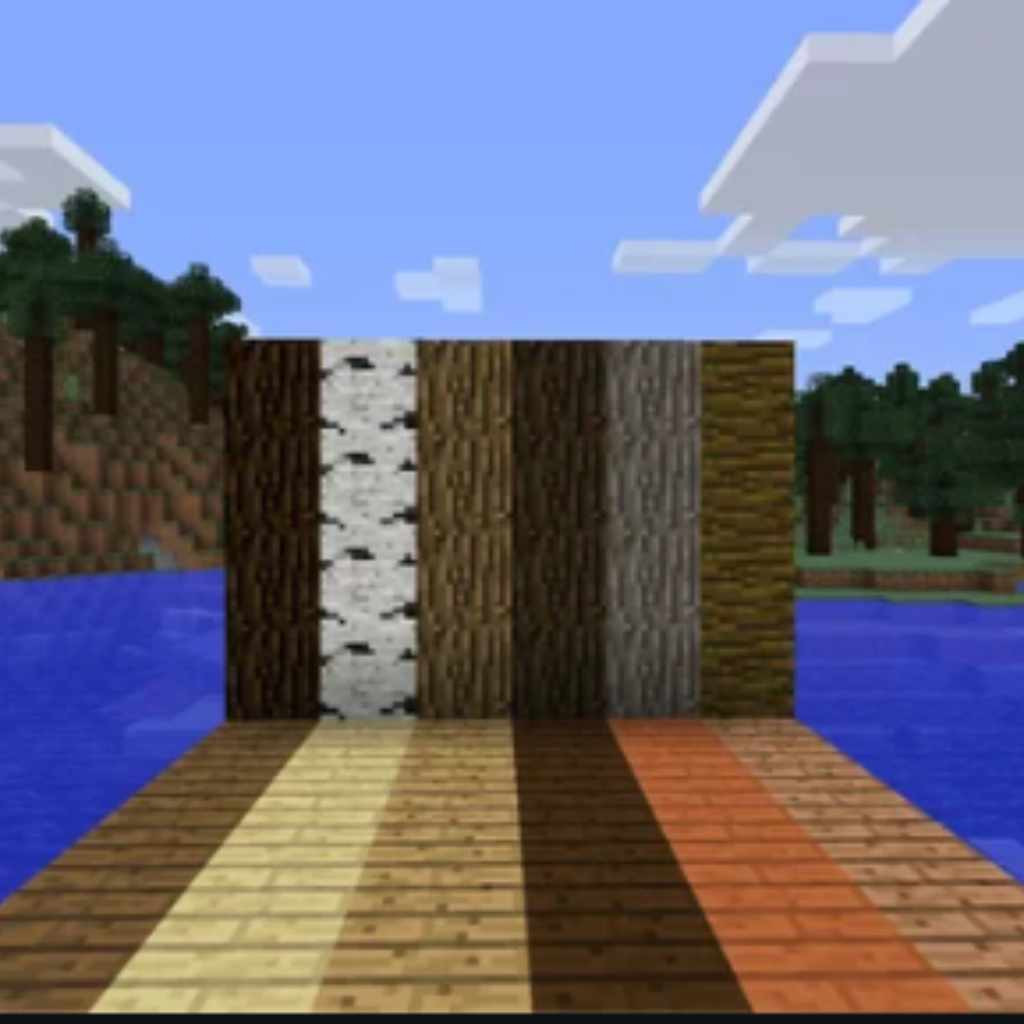
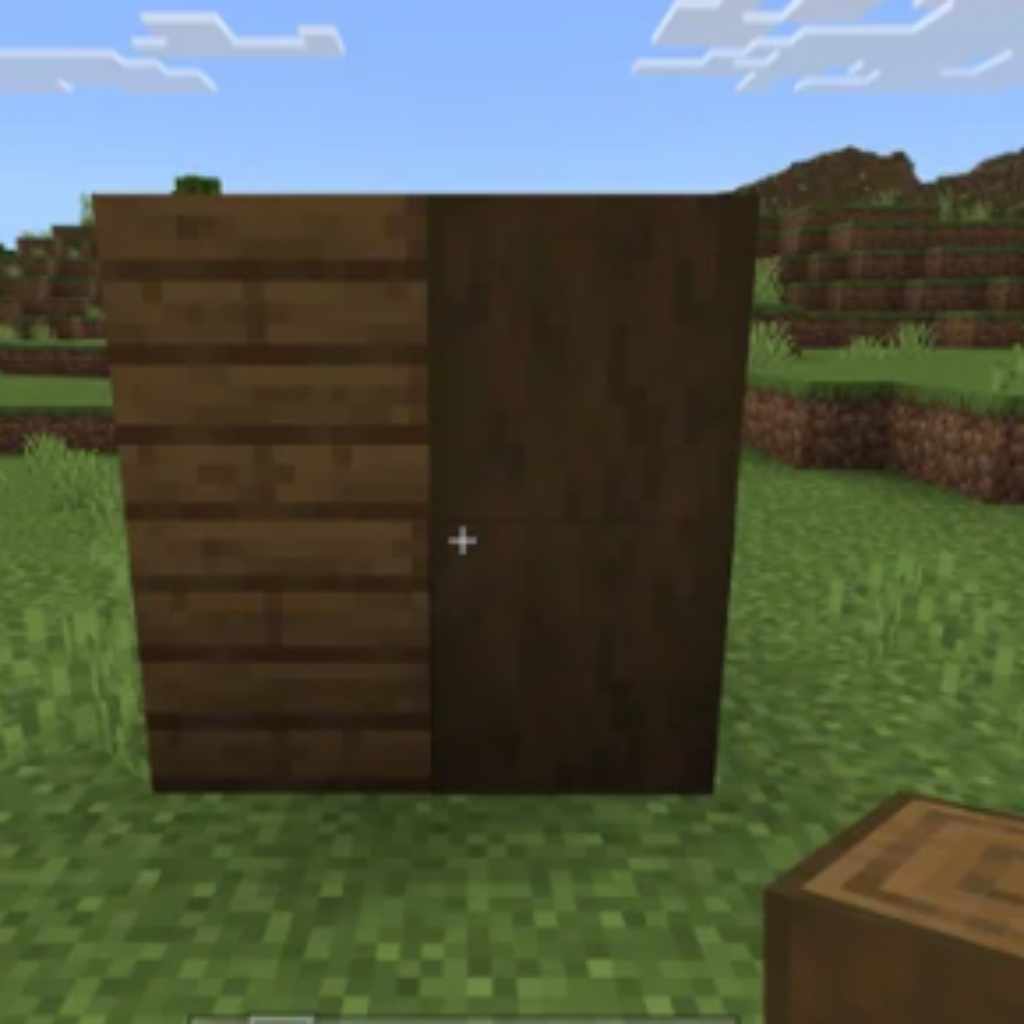
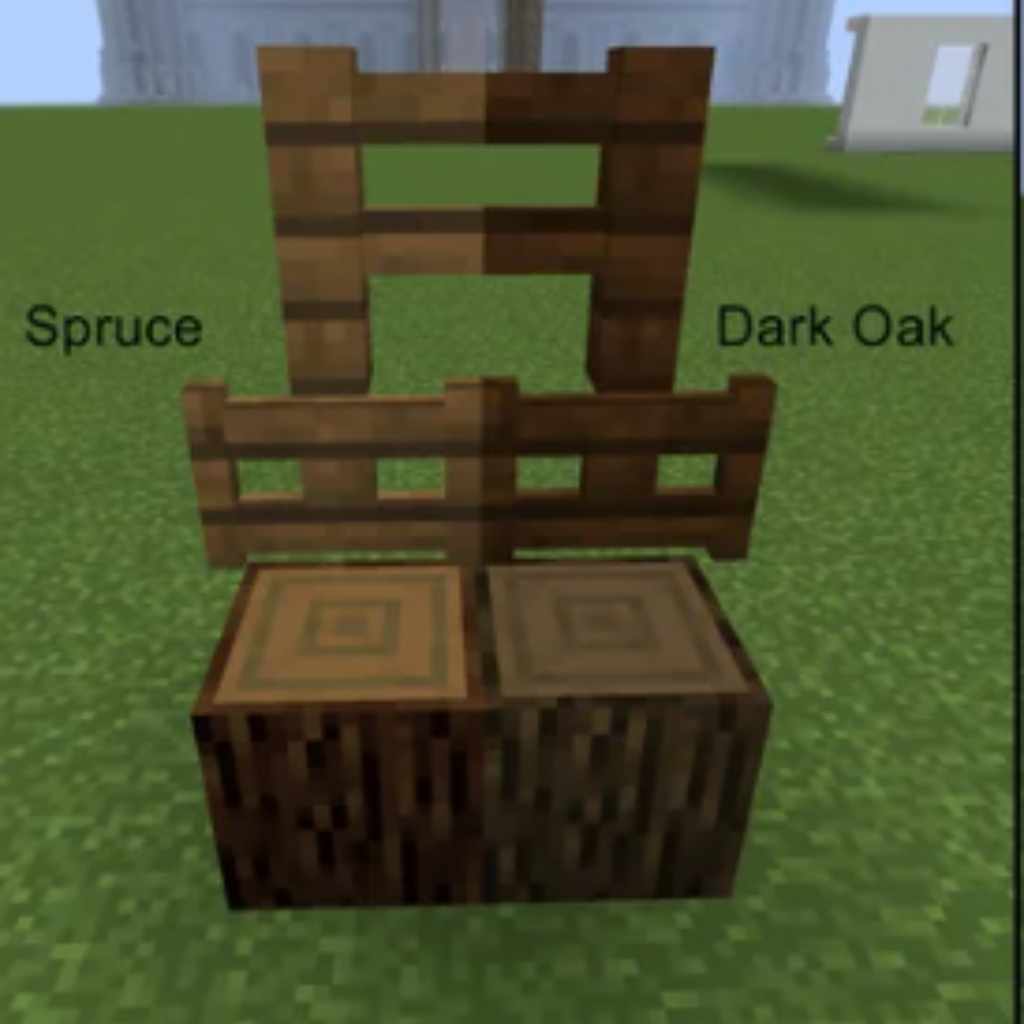
Spruce has a light color with a creamy white tone. It shows straight grain and a smooth texture. Dark oak features a rich, deep brown color. Its grain is more pronounced with natural patterns. Spruce fits well in bright, modern spaces. Dark oak suits classic and rustic designs.
Hardness And Longevity
Spruce is softer and less dense than dark oak. It may dent or scratch more easily. Dark oak is very hard and durable. It stands up well to heavy use and wear. Dark oak lasts longer in tough conditions. Spruce is better for low-traffic areas or decorative use.
Workability And Maintenance
Spruce is easy to cut, shape, and nail. It sands smoothly for a fine finish. Dark oak is tougher to work with because of its density. It needs sharp tools and more effort. Spruce requires less maintenance but can show dents. Dark oak resists damage but needs regular sealing or oiling.
Cost Considerations
Spruce is generally cheaper and more available. It suits projects with a tight budget. Dark oak costs more due to its quality and durability. It adds value to furniture or flooring. Choosing between spruce and dark oak depends on budget and project goals.
Choosing Based On Project Type
Choosing between spruce and dark oak depends on the type of project. Each wood has unique features. These features suit different uses better. Knowing the strengths of each wood helps pick the right one.
Furniture
Spruce is light and easy to work with. It fits well for simple furniture pieces. Dark oak is strong and heavy. It suits furniture that needs to last long. Oak shows rich colors and grains. It adds a classic look to tables and chairs.
Flooring
Dark oak is a top choice for flooring. It handles heavy foot traffic well. The deep color hides dirt and scratches. Spruce is softer and can dent easily. It works better in low-traffic rooms. Spruce floors give a bright, warm feel.
Decorative Elements
Spruce is great for painted or carved decorations. It holds paint well and is easy to shape. Dark oak shines in natural finishes. Its grain adds beauty to shelves and panels. Oak decorations last longer and look elegant.
Outdoor Applications
Dark oak resists weather and moisture better than spruce. It lasts longer outside without much damage. Spruce needs treatment to survive outdoors. It suits covered porches or protected spaces. Oak is best for decks and outdoor furniture.
Environmental Impact
The environmental impact of wood choices affects forests and climate. Spruce and dark oak differ in how they influence nature.
Understanding their effects helps make better decisions for eco-friendly living.
Sustainability
Spruce grows faster than dark oak. This means spruce forests recover quicker after harvesting.
Dark oak takes decades to mature. It requires more time and care to regrow.
Spruce is often seen as more sustainable due to rapid growth. Dark oak is less common and slower to renew.
Harvesting Practices
Spruce is usually harvested in large plantations. These areas are managed to keep the forest healthy.
Dark oak grows in natural forests. It is harvested more carefully to avoid damage.
Selective logging is common with dark oak. It protects the forest ecosystem better than clear-cutting.
Recyclability And Waste
Both spruce and dark oak wood can be recycled. They can be reused in furniture or flooring.
Spruce produces less waste due to its softer texture. Dark oak creates more sawdust and offcuts.
Proper recycling reduces landfill waste. It lowers the environmental footprint of wood products.
Finishing And Treatment Tips
Finishing and treating spruce and dark oak properly helps protect the wood and highlight its beauty. Both woods react differently to stains and sealants. Knowing the right steps makes a big difference in the final look and durability. This guide covers easy tips for staining, sealing, and enhancing these woods.
Staining Techniques
Spruce absorbs stain quickly. Use a light coat and wipe excess fast to avoid blotches.
Dark oak takes stain evenly. Apply with a brush or cloth to bring out its rich color.
Test the stain on a small piece first. This prevents surprises and ensures the desired shade.
Sealing And Protection
Seal spruce with a clear polyurethane to prevent moisture damage. It also adds shine.
Dark oak benefits from oil-based sealers that deepen its color and protect against scratches.
Apply sealant in thin layers. Let each layer dry fully for the best finish.
Enhancing Natural Beauty
Use fine sandpaper to smooth both woods before finishing. This helps the stain and sealant stick better.
For spruce, a light varnish keeps the wood looking fresh and natural.
Dark oak looks great with wax polish. It highlights the grain and adds a soft glow.
Frequently Asked Questions
What Are The Main Differences Between Spruce And Dark Oak?
Spruce wood is lighter in color with a pale, creamy tone. Dark Oak is rich, deep brown with strong grain patterns. Spruce feels softer and lighter, while Dark Oak is denser and more durable. Each suits different aesthetic and structural needs.
Which Wood Is Better For Furniture: Spruce Or Dark Oak?
Dark Oak is preferred for furniture due to its strength and durability. Spruce is softer and less resistant to dents, making it better for decorative or lightweight items. Oak’s rich color also adds elegance to furniture pieces.
How Does Spruce Compare To Dark Oak In Durability?
Dark Oak is significantly more durable and resistant to wear. Spruce is softer, prone to scratches and dents, and less ideal for high-traffic use. Choose Dark Oak for longevity and Spruce for lighter, less demanding applications.
Is Spruce Or Dark Oak More Cost-effective?
Spruce is generally more affordable due to its abundance and faster growth. Dark Oak is pricier because of its density, durability, and rich appearance. Budget-conscious projects often favor Spruce, while premium builds lean toward Dark Oak.
Conclusion
Spruce and dark oak each bring unique charm to any space. Spruce offers a light, fresh look that brightens rooms easily. Dark oak provides a rich, warm tone that feels cozy and strong. Think about your style and room needs before choosing.
Both woods work well for furniture and floors. Choose the one that fits your home’s mood best. Simple choices can make a big difference. Your space will look great with either wood type.