Raised Beds Without Wood: Real Costs of Block, Stone & Steel
You can build a raised garden bed with no wood at all — cinder block, natural stone, and galvanized steel kits all last longer than lumber because none of them rot. A stacked cinder block wall runs $60–$240 per linear foot in materials, while a pre-made galvanized steel kit is often $20–$130 and needs no cutting tools. This guide covers real costs, depth requirements for common vegetables, and how to keep a metal bed’s soil from drying out in summer heat.
Wood-Free Raised Bed Materials Compared
Best No-Wood Raised Bed Kit Pick
 |
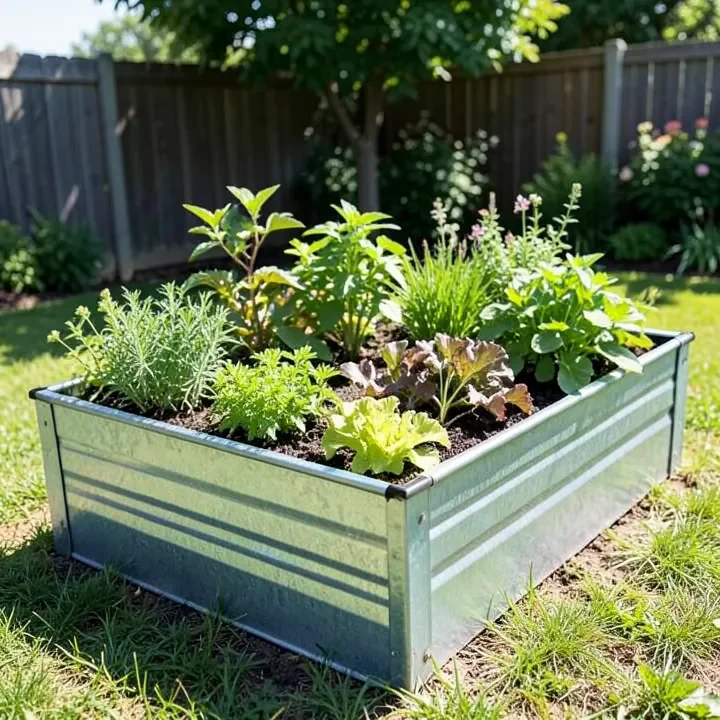
SnugNiture Galvanized Steel Raised Garden Bed Kit (4x2x2 ft) – $49.99 A 2-foot-deep galvanized steel kit skips wood rot entirely and ships pre-cut — no cutting or fastening tools needed, unlike the stacked-block method covered below.
|
Four materials cover almost every wood-free raised bed build: cinder/concrete block, natural stone, galvanized steel, and recycled plastic lumber. Each trades off differently on cost, assembly time, and how deep you can build without extra bracing.
| Material | Typical Cost | Assembly | Best Depth | Watch For |
|---|---|---|---|---|
| Cinder/concrete block | $60–$240 per linear ft | Dry-stack, no mortar needed | 8–16" (2–4 courses) | Avoid painted or sealed blocks of unknown origin |
| Galvanized steel kit | $20–$130 per kit | Bolt-together, under an hour | 12–24" | Runs hotter in full sun; mulch to retain moisture |
| Natural stone | Varies by local supply | Dry-stack or mortared | 8–12" without mortar | Heaviest option; hardest to reposition later |
| Recycled plastic lumber | $300–$900 per bed | Screwed panels, similar to wood | Any — rigid like lumber | Highest upfront cost of the four |
How Deep Does a Wood-Free Raised Bed Need to Be?
Depth matters more with non-wood materials because stacking extra courses of block or stone adds real cost and weight. Shallow crops like lettuce, herbs, and most greens only need 6–8 inches of soil. Tomatoes, peppers, and squash want 12–18 inches. Carrots, potatoes, and other deep root vegetables perform best at 18–24 inches — which is why taller galvanized steel kits exist as a specific product category, not just a size option.

Building a Wood-Free Raised Bed, Step by Step
- Pick the spot: choose level ground with 6+ hours of direct sun and easy hose access.
- Mark and level the footprint: use a string line and a level to keep block or steel wall courses even.
- Lay landscape fabric or cardboard: this suppresses weeds from below without blocking drainage into native soil.
- Build the walls: dry-stack block or stone in a running-bond pattern for stability, or bolt together a pre-cut steel kit per its instructions.
- Add a coarse drainage layer: 1–2 inches of gravel or coarse wood chips at the bottom keeps roots from sitting in standing water.
- Fill with a soil blend: roughly 60% topsoil, 30% compost, 10% aeration material (perlite or coarse sand) suits most vegetables.
- Mulch the surface: 2–3 inches of mulch matters even more on metal beds, since it slows the extra heat metal walls transfer into the soil.

📊 A dry-stacked cinder block wall runs about $60 to $240 per linear foot in materials alone, while a comparable pre-made galvanized steel kit is frequently priced under $130 — making steel kits the faster and often cheaper route for a standard 4×2-foot bed. — Source: HomeGuide raised garden bed cost data, 2026
“The mistake we see most with metal raised beds is skipping mulch because the bed looks ‘finished’ right out of the box — bare soil against galvanized walls dries out noticeably faster than the same bed with a mulch layer on top.”
Common Mistakes With Wood-Free Raised Beds
- Skipping the drainage layer — without it, water can pool at the bottom of a metal or block bed and cause root rot.
- Using reclaimed block or stone of unknown origin — old construction rubble can carry sealants or residues you don’t want near food crops.
- Building too shallow for the crop — an 8-inch bed works for lettuce but starves carrots and tomatoes of root room.
- Placing a metal bed in full afternoon sun with no mulch — the walls heat the soil faster than wood or stone would.
Frequently Asked Questions
What can I use instead of wood for a raised garden bed?
Concrete or cinder blocks, natural stone, galvanized steel panels or kits, and recycled plastic lumber all work as wood-free raised bed walls. Concrete block is the cheapest per linear foot; galvanized steel kits are the fastest to assemble since they arrive pre-cut and don’t need cutting tools or fasteners.
Is a galvanized metal raised bed better than a cinder block bed?
It depends on budget and depth needs. A cinder block wall costs roughly $60 to $240 per linear foot in materials, while pre-made galvanized steel kits are commonly available for $20 to $130 depending on footprint and depth. Galvanized steel goes together faster with no cutting, and taller kits (18-24 inches) suit deep-rooted crops that shallow block walls can’t match without extra courses.
Do metal raised garden beds get too hot for plant roots?
Metal walls do transfer more heat than stone, block, or wood, which can dry soil faster along the edges during peak summer sun. A 2-3 inch mulch layer and consistent watering offsets this in most climates; gardeners in very hot regions sometimes add a partial shade cloth or set the bed where it gets afternoon shade.
Do concrete or cinder blocks leach chemicals into garden soil?
Standard concrete masonry units are generally considered safe for food gardening once cured, but avoid blocks that are painted, sealed with an unknown coating, or reused from unrelated construction sites, since those coatings and residues are the actual risk — not the concrete itself.
Bottom Line
Skipping wood for a raised bed comes down to trading upfront cost for zero rot risk: cinder block is cheapest per foot but labor-heavy, galvanized steel kits assemble fastest but run hotter in full sun, and recycled plastic lumber costs the most while behaving most like traditional wood construction. Match the material and depth to what you’re actually growing, and mulch metal beds a little heavier than you would wood or stone.
Sponsored / affiliate links. As an Amazon Associate I earn from qualifying purchases. I may earn additional commission from eligible campaigns.