Table Saw Retractable Casters: Mechanism, Capacity & Setup
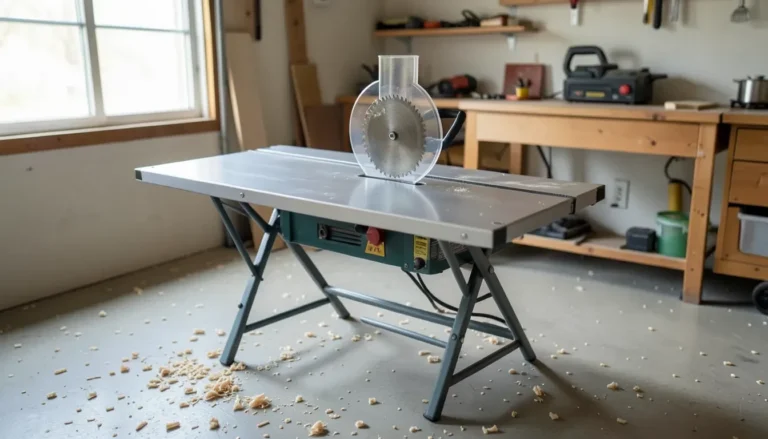
Retractable casters let you roll a 250-plus-pound table saw across the shop with one foot, then lock it back down onto fixed, non-moving feet the instant you start cutting — a fixed swivel caster stays on its wheels permanently, which can let the saw drift slightly during a cut unless every wheel is individually locked. The tradeoff is cost and installation: a retractable kit needs a lever or pedal mechanism, so it runs $40–$120 versus $15–$30 for basic fixed casters. This guide covers how the retraction mechanism works, real weight ratings by kit, and the installation steps that trip people up.
How Retractable Casters Actually Work
Best Retractable Caster Kit Pick
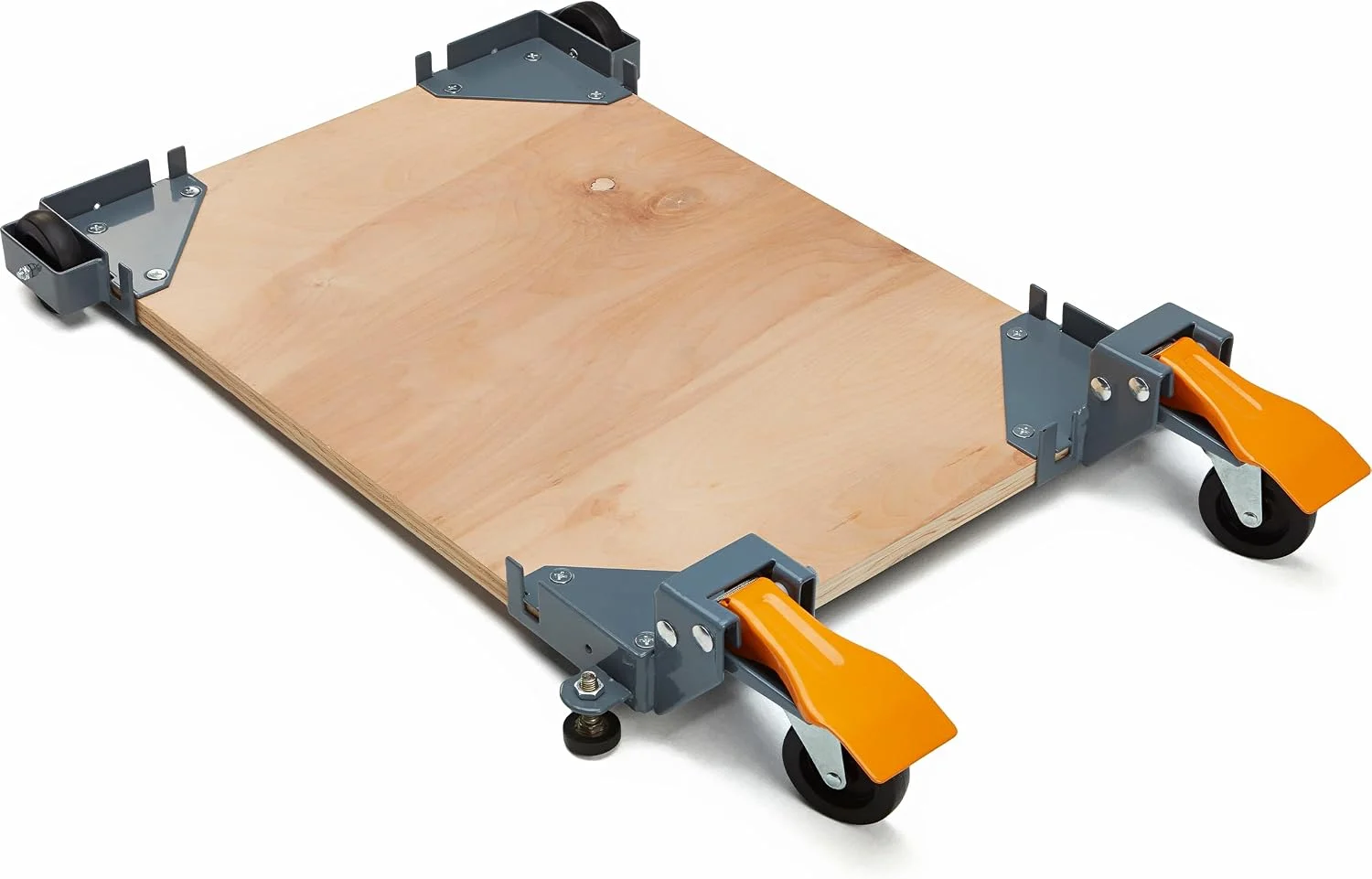 |
Bora Portamate Mobile Base Kit (PM-1100) – $48.74 A universal retractable-caster kit you bolt to a plywood platform sized to your saw — the exact mechanism this guide explains, rated for tools up to 400 lbs.
|
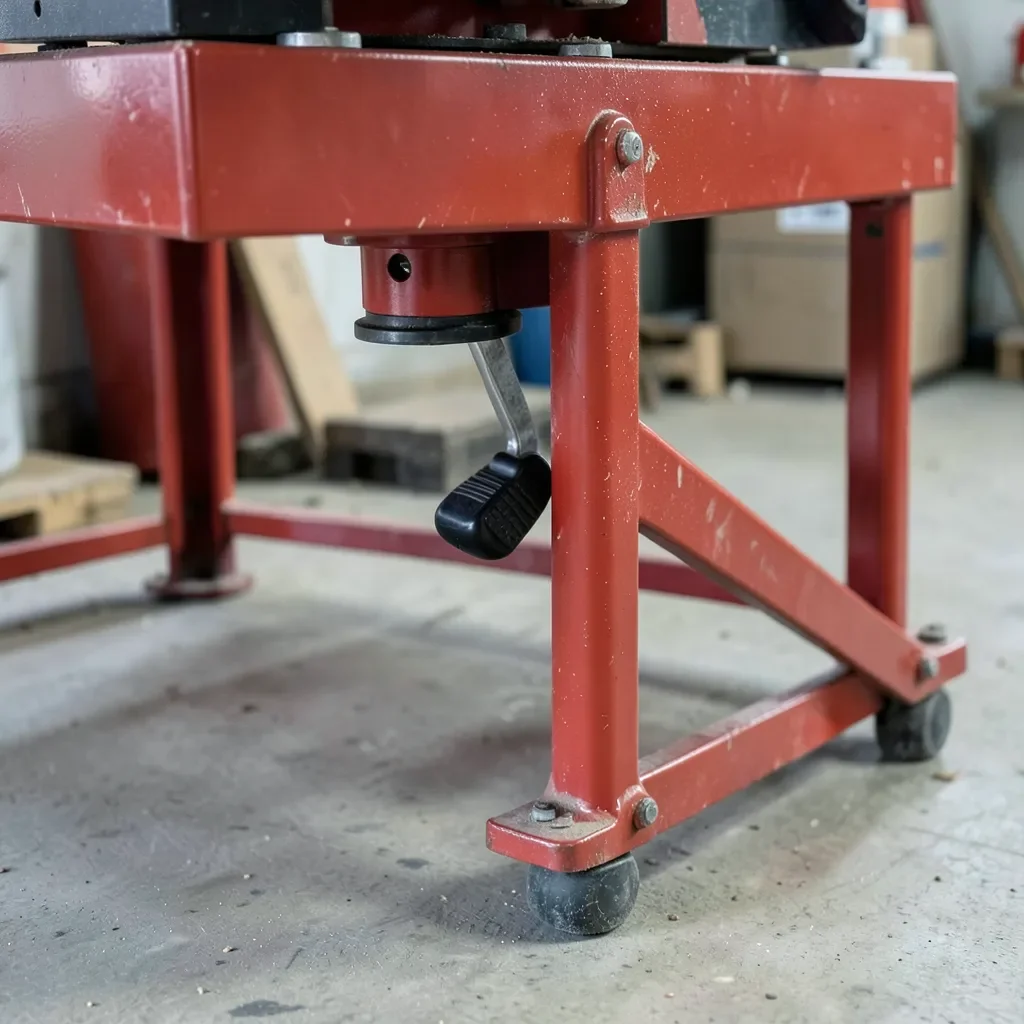
A retractable caster kit bolts to the underside of your table saw’s base (or to a plywood platform you build to the saw’s footprint) at all four corners. Pressing a foot pedal or pulling a lever drops the wheels below the saw’s fixed feet, lifting the whole tool onto the casters so you can roll it. Releasing the pedal reverses the motion — the wheels retract upward and the saw’s own feet (or the mobile base’s fixed pads) touch the floor again, taking the full weight off the wheels entirely. This is the detail that matters most for cut accuracy: a saw resting on solid feet doesn’t have any wheel give or roll during a cut, unlike a saw left sitting on locked-but-still-present caster wheels.
Weight Capacity by Kit Type
Capacity is rated per full set, not per wheel, and matters more than most buyers assume — undersizing it is the most common mistake.
📊 Retractable caster kit capacities range from 400 lbs (Bora Portamate PM-1100) up to 650–660 lbs on heavier-duty kits (Bora PM-2500, SpaceCare/SpaceKeeper sets) — Source: manufacturer product specifications, checked live September 2026.
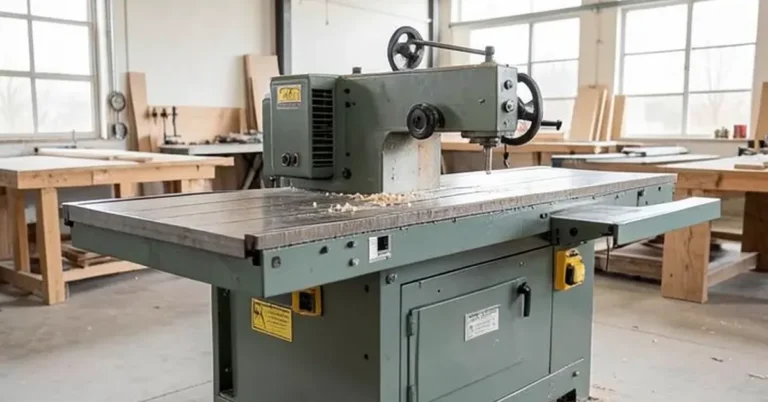
A contractor-style table saw with a stand typically weighs 45–90 lbs and needs nowhere near a 400 lb-rated kit — but a cabinet saw with an extension table and a dust collector mounted underneath can easily clear 300 lbs, and that’s before you add material sitting on the table mid-cut. Rate the kit for your saw’s weight plus at least 25% headroom, not the bare tool spec sheet number.
Choosing Wheel Material for Your Floor
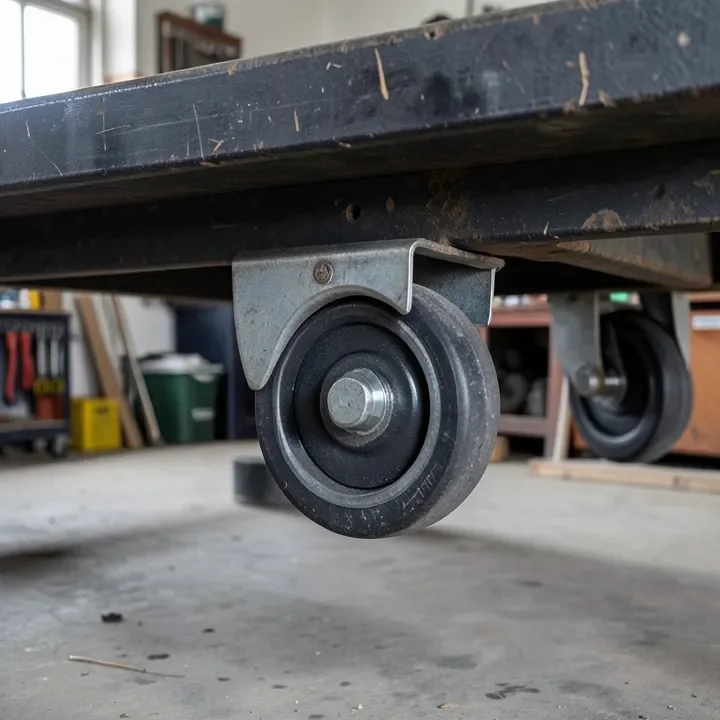
- Urethane or rubber: Quiet, grips concrete and hardwood without marking either, and is the standard material on most current retractable kits (Bora, SpaceKeeper, Ronlap all ship 2.5–3 in. urethane wheels). This is the right default for a home shop.
- Hard plastic/nylon: Cheapest option, but transmits more vibration and can leave black marks or scuffs on finished concrete or vinyl flooring over time.
- Steel: Rare on modern retractable kits — mainly seen on older or industrial mobile bases. Handles the highest loads but will mark or gouge softer floors.
Installing a Retractable Caster Kit
Most universal kits, including the Bora PM-1100, don’t come with a fixed-size frame — you build a plywood platform sized to your saw’s base and bolt the pre-drilled caster corners to it. Skipping accurate measurement here is the most common installation mistake.
- Measure the saw’s base footprint: Record the exact length and width of the saw’s mounting feet or base plate before cutting any plywood.
- Cut a 3/4 in. plywood platform: Size it about 1–2 inches larger than the saw’s footprint on each side so the caster corner brackets have room to sit flush.
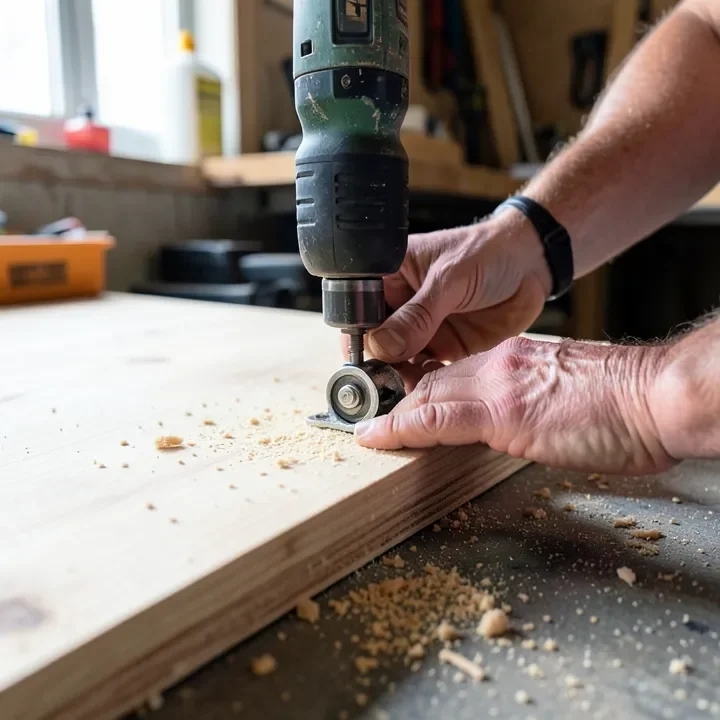
- Mark and drill the corner brackets: Position each caster bracket at a true 90-degree corner — an out-of-square platform is the most common cause of a base that rocks after installation.
- Bolt the saw to the platform: Use the saw’s existing mounting holes where possible, or lag bolts through the base into the plywood for saws without pre-drilled mounts.
- Test the pedal or lever under load: With the saw mounted, engage the retraction mechanism and confirm all four fixed feet touch the floor evenly when disengaged — a gap under any one foot means the platform isn’t flat and the saw will rock during cuts.
Maintenance
- Check bolts monthly: Vibration from cutting loosens mounting hardware over time — a quarter-turn check on all corner bolts once a month catches this before it becomes a wobble.
- Clear debris from the wheel wells: Sawdust packed around the retraction mechanism is the most common cause of a pedal that sticks or won’t fully engage.
- Inspect wheels for flat spots: A caster left in one position for months under load can develop a flat spot that causes a bump every rotation — rotate or replace if you feel a rhythmic thump when rolling.
Frequently Asked Questions
What are retractable casters for table saws?
Retractable casters are a wheel kit that mounts to a table saw’s base and uses a foot pedal or lever to lift the saw onto wheels for rolling, then lower it back onto fixed feet for a stable, wheel-free stance during cuts.
How do retractable casters improve saw mobility?
They let one person roll a 200-plus-pound saw across the shop without lifting it, then drop it back onto solid feet in seconds — no separate dolly, hand truck, or second person needed.
Are retractable casters easy to install?
Most kits bolt on with a drill and wrench in under an hour, but universal kits like the Bora PM-1100 require building a plywood mounting platform sized to your specific saw first — that step, not the caster hardware itself, is where most installation time goes.
Do retractable casters affect saw stability during cuts?
No, when installed correctly — the mechanism’s entire purpose is to lift the wheels clear of the floor and rest the saw on fixed feet while cutting, so the saw sits exactly as stable as it would bolted directly to the floor.
A retractable caster kit is worth the extra cost over basic fixed casters specifically when floor space is tight enough that the saw needs to move regularly — a saw that stays in one spot permanently doesn’t need the mechanism at all, and a simple locking base or dedicated stand costs less.
Sponsored / affiliate links. As an Amazon Associate I earn from qualifying purchases. I may earn additional commission from eligible campaigns.