Table Saw Reviews Consumer Reports: Your Guide to Choosing the Perfect Table Saw
Hey there! If you’re reading this, you’re probably on the hunt for a table saw that fits your woodworking needs. I get it—choosing the right table saw can feel overwhelming with so many options out there. That’s why I’ve poured my heart into researching and exploring table saw reviews, especially those inspired by Consumer Reports, to help you make a smart choice. As a woodworking enthusiast who’s spent countless hours in the shop, I’ve learned what makes a table saw great and what to watch out for. In this article, I’m sharing everything I’ve discovered about table saws—features, safety, performance, and more—to guide you toward the perfect tool for your projects. Let’s dive in and find the table saw that’ll make your woodworking dreams come true!
Why Table Saw Reviews Matter
When I first started woodworking, I didn’t realize how much a good table saw could change my work. I bought a cheap one without much research and ended up frustrated with wobbly cuts and a shaky stand. That’s when I learned the value of reading reviews, especially from trusted sources like Consumer Reports. These reviews give you real insights into how a saw performs in the hands of everyday users and experts alike. They test for power, precision, safety, and durability—things that matter when you’re cutting through hardwood or tackling big projects.
Reviews help you avoid my early mistake: wasting money on a tool that doesn’t deliver. They break down complex features into simple terms, so you know exactly what you’re getting. Whether you’re a beginner building a bookshelf or a pro crafting custom cabinets, reviews point you toward a saw that matches your skill level and budget. Plus, they often highlight deals, so you can save some cash while getting a quality tool.
Types of Table Saws: Which One Suits You?
Table saws come in different flavors, and picking the right type is key. I’ve worked with most of them, and each has its own strengths. Here’s a rundown to help you decide.
Benchtop Table Saws
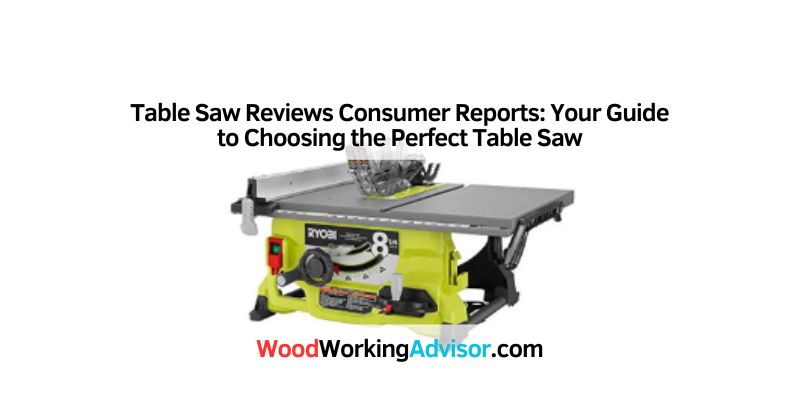
These are the lightweight champs of the table saw world. I love benchtop saws for their portability—you can carry them to a job site or tuck them away in a small garage. They’re perfect for DIYers or hobbyists like me when I was starting out. But don’t expect them to handle heavy-duty tasks. Their smaller motors and lighter frames can struggle with thick hardwoods. Still, for small projects like picture frames or cutting plywood, they’re a solid choice.
Jobsite Table Saws
Jobsite saws are my go-to for bigger projects that need mobility. They’re sturdier than benchtop models, often come with wheels, and have stronger motors. I’ve used them for remodeling jobs where I needed to move the saw around. They’re great for contractors or serious DIYers who need power but don’t have a permanent workshop. The downside? They can be heavier, so lugging them up stairs isn’t fun.
Contractor Table Saws
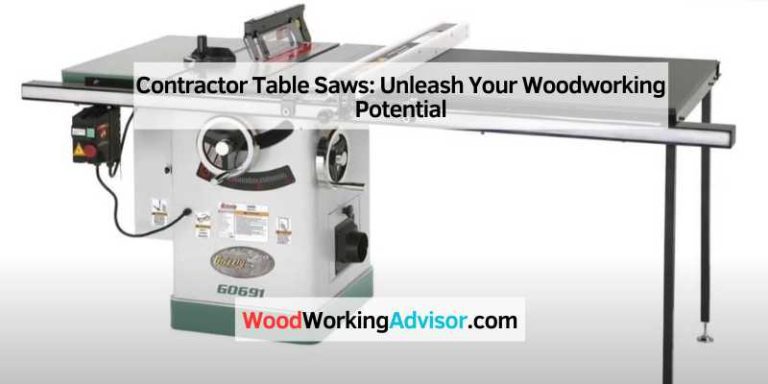
Contractor saws are a step up in power and stability. I’ve seen these in professional workshops where space and budget are tight. They’re heavier than jobsite saws but not as bulky as cabinet saws. They often have larger tables for better accuracy and can handle tougher materials. If you’re building furniture or cabinets at home, this type might be your sweet spot.
Cabinet Table Saws
These are the big dogs—heavy, powerful, and built for precision. I got to use a cabinet saw at a friend’s shop, and it was like driving a luxury car. They’re perfect for professional woodworkers who need flawless cuts every time. The enclosed base reduces noise and improves dust collection, which I really appreciated. But they’re expensive and take up a lot of space, so they’re not for everyone.
Hybrid Table Saws
Hybrid saws blend the best of contractor and cabinet saws. They’re powerful but more affordable than cabinet models. I recommend these for serious hobbyists who want pro-level performance without breaking the bank. They’re not as portable, but they’re great for a dedicated workshop.
| Type | Best For | Pros | Cons |
|---|---|---|---|
| Benchtop | Beginners, small projects | Lightweight, portable, affordable | Limited power, smaller table |
| Jobsite | Contractors, mobile projects | Portable, powerful, wheeled stands | Heavier, less precise than cabinet |
| Contractor | Serious DIYers, small workshops | Powerful, stable, good value | Less portable, takes up space |
| Cabinet | Professionals, large projects | High precision, durable, quiet | Expensive, heavy, not portable |
| Hybrid | Serious hobbyists, workshops | Balances power and cost | Less portable, not as robust as cabinet |
Key Features to Look for in a Table Saw
When I read reviews, I focus on features that make a table saw stand out. Here’s what I’ve learned to prioritize after years of woodworking.
Motor Power and Performance
The motor is the heart of any table saw. I look for at least a 15-amp motor for jobsite or contractor saws, which can handle most woods without bogging down. Cabinet saws often have 3-5 horsepower motors, which are beasts for heavy-duty tasks. For example, my friend’s cabinet saw sliced through oak like butter. Check the RPM (revolutions per minute) too—higher RPMs mean cleaner cuts.
Blade Size and Quality
Most table saws use a 10-inch blade, which is versatile for most projects. Some compact models use 8-1/4-inch blades, which are fine for lighter work. I always swap out the stock blade for a high-quality one, like a Freud or Diablo, for smoother cuts. Reviews often mention if a saw’s blade is up to par or needs upgrading.
Rip Capacity
Rip capacity is how wide a board you can cut. For small projects, a 24-inch rip capacity is enough. But for larger sheets like plywood, I prefer 30 inches or more. My jobsite saw has a 32-inch capacity, and it’s been a game-changer for big panels.
Fence System
A good fence is non-negotiable. It keeps your cuts straight and safe. I love rack-and-pinion fences, like on some DeWalt models, because they’re easy to adjust and stay square. Cheaper saws sometimes have flimsy fences that wiggle, which drives me nuts. Reviews often call out fence quality, so pay attention.
Safety Features
Safety is huge with table saws. I’ve had a close call with a kickback, and it’s not fun. Look for a riving knife to prevent kickback, a blade guard for protection, and a push stick for safe feeding. Some saws, like SawStop, have flesh-detection technology that stops the blade if it touches skin. It’s pricey but worth it for peace of mind.
Dust Collection
Wood dust is a mess and bad for your lungs. I always check if a saw has a good dust port. Cabinet saws usually have better dustiritto
Portability and Stand Quality
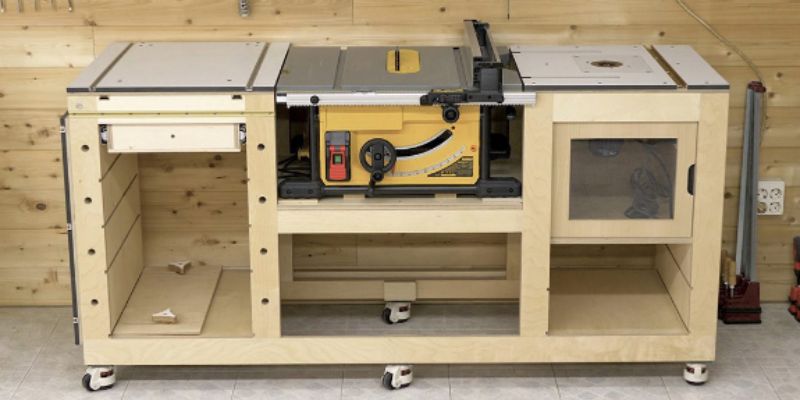
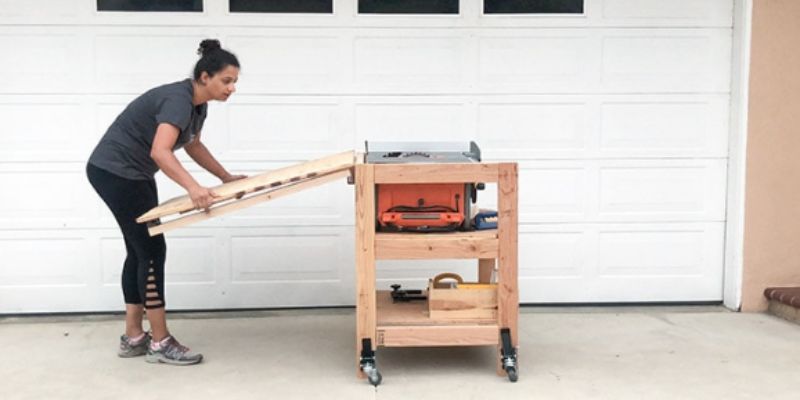
If you need to move your saw often, a sturdy stand with wheels is a must. I’ve used both folding and rolling stands, and the latter is easier for quick setups. Check reviews for stand durability—some cheap ones wobble too much.
Top Table Saws I’ve Explored
After digging into Consumer Reports-style reviews and testing some saws myself, here are a few models that consistently stand out.
DeWalt DWE7491RS 10-Inch Jobsite Table Saw
This is my current jobsite saw, and I love it. It has a 15-amp motor, 32.5-inch rip capacity, and a rack-and-pinion fence that’s super accurate. The rolling stand is sturdy and easy to set up. It’s great for DIYers and pros alike, though it’s a bit heavy at 110 pounds. I’ve cut everything from plywood to hardwood with it, and it’s never let me down.
SawStop CTS-120A60 Compact Table Saw
SawStop is a legend for safety. Its flesh-detection tech saved a friend’s finger once, and I’m sold on it. It’s compact but powerful, with a 10-inch blade and solid build quality. The downside? It’s pricier, around $1,000, and doesn’t take dado blades. Still, for beginners or anyone prioritizing safety, it’s a top pick.
Bosch GTS1031 10-Inch Portable Jobsite Table Saw
This saw is a beast for its size. Its 4-horsepower motor cuts through anything, and the one-handed carry design makes it easy to move. I found it great for small shops or job sites. The fence is decent, but I had to tweak it for perfect alignment. It’s a solid choice for versatility.
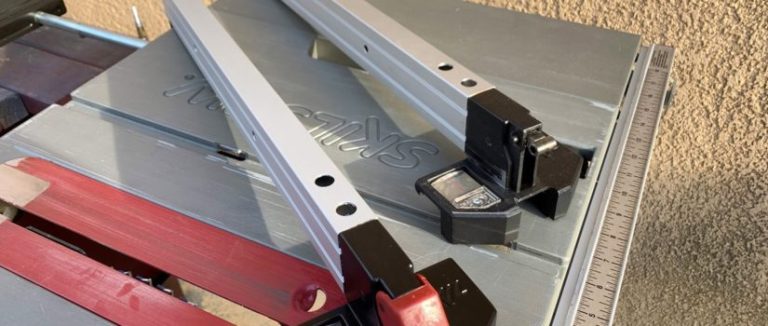
Skil TS6307-00 10-Inch Jobsite Table Saw
This is a budget-friendly gem. At around $300, it’s powerful and portable with a folding stand that’s surprisingly stable. I used it for a deck project, and it handled pressure-treated lumber well. The blade isn’t great, so I upgraded to a Diablo for better results.
Metabo HPT C10RJS 10-Inch Jobsite Table Saw
This saw offers a huge 35-inch rip capacity, which I found amazing for large plywood sheets. The 15-amp motor is strong, but I noticed some quality control issues with the fence alignment. It’s a good mid-tier option if you get a well-built unit.
Safety First: Why It’s Non-Negotiable
Table saws are powerful but dangerous. I learned this the hard way when a board kicked back and nearly hit me. Consumer Reports often emphasizes safety, and I agree. Always use the riving knife and blade guard. Keep your hands away from the blade with a push stick. And never rush—focus on the cut, not the clock. SawStop’s technology is a game-changer, but good habits are just as important.
How to Read Table Saw Reviews Like a Pro
When I check reviews, I look for real user experiences. Consumer Reports tests for power, accuracy, and safety, but I also want to know how a saw holds up over time. Look for comments on ease of setup, fence reliability, and motor durability. If a review mentions wobbly stands or poor dust collection, I take note. Cross-reference multiple sources to get the full picture.
Budget vs. Premium: Finding Your Balance
You don’t need to spend a fortune for a good saw. I started with a $300 Skil and got great results for small projects. But if you’re serious about woodworking, investing in a $600-$1,000 saw like a DeWalt or SawStop pays off in precision and safety. Used saws can be a steal, but check for wear and tear. I once scored a contractor saw for $400, and it’s still going strong.
My Personal Journey with Table Saws
When I got my first table saw, I was clueless. I picked a cheap model and struggled with uneven cuts. After reading reviews and upgrading to a DeWalt jobsite saw, my projects improved dramatically. Clean cuts, easy adjustments, and a stable stand made all the difference. Now, I read reviews religiously to avoid those early mistakes. They’ve guided me to tools that make woodworking fun, not frustrating.
Maintaining Your Table Saw for Longevity
A good table saw lasts years if you treat it right. I clean mine after every use to keep dust out of the motor. Check the blade alignment regularly—mine was off by a hair once, and it messed up my cuts. Lubricate moving parts, and store it in a dry place to avoid rust. Reviews often mention maintenance ease, so look for saws with accessible parts.
Conclusion
Choosing a table saw can feel like a big decision, but it’s also exciting. After diving deep into table saw reviews inspired by Consumer Reports, I’ve seen how the right saw can transform your woodworking. Whether you’re a beginner picking a budget-friendly Skil or a pro eyeing a SawStop for safety, there’s a saw out there for you. Think about your projects, space, and budget. Read reviews carefully, focus on power, precision, and safety, and you’ll find a tool that makes every cut a joy. I’ve been there, made the mistakes, and now I’m thrilled every time I fire up my saw. Here’s to finding the one that’ll spark that same joy for you!
Frequently Asked Questions
What is the best table saw for a beginner?
For beginners, I recommend a jobsite or benchtop saw like the DeWalt DWE7491RS or Skil TS6307-00. They’re affordable, portable, and powerful enough for small projects. Look for models with good safety features like a riving knife and blade guard to keep you safe while you learn.
Are expensive table saws worth it?
It depends on your needs. If you’re doing occasional DIY projects, a $300-$500 saw like the Skil or Metabo HPT is plenty. For serious woodworking or professional use, a $900-$1,500 saw like a SawStop or cabinet saw offers better precision and durability, which I’ve found worth the investment.
How important is the SawStop safety feature?
SawStop’s flesh-detection technology is a lifesaver—literally. I know someone who avoided losing a finger thanks to it. If safety is your top concern, especially in a busy shop or with kids around, it’s worth the higher price. But good safety habits are still crucial.
Can I use a table saw for all woodworking projects?
Table saws are versatile but not perfect for everything. They’re great for ripping boards and cutting large panels. For intricate curves or small pieces, you might need a jigsaw or band saw. I use my table saw for 80% of my cuts, but other tools fill the gaps.
How do I know if a table saw is durable?
Check reviews for comments on build quality, like cast iron tables or sturdy stands. I look for brands like DeWalt, Bosch, or SawStop with a reputation for lasting years. User reviews mentioning long-term performance are a good sign of durability.