Best Finishes for MCM Interiors: Based on Specs and Reviews
For a mid-century modern interior, choose a satin or low-luster finish for most woodwork; use a durable satin polyurethane on high-traffic floors, matte oil or hardwax on teak, and clear low-sheen protection on walnut and oak. Too much gloss can flatten the era’s warm, restrained look and show scratches fast. This guide compares finish options by species, sheen, and room use.
Best finish for mid-century interiors
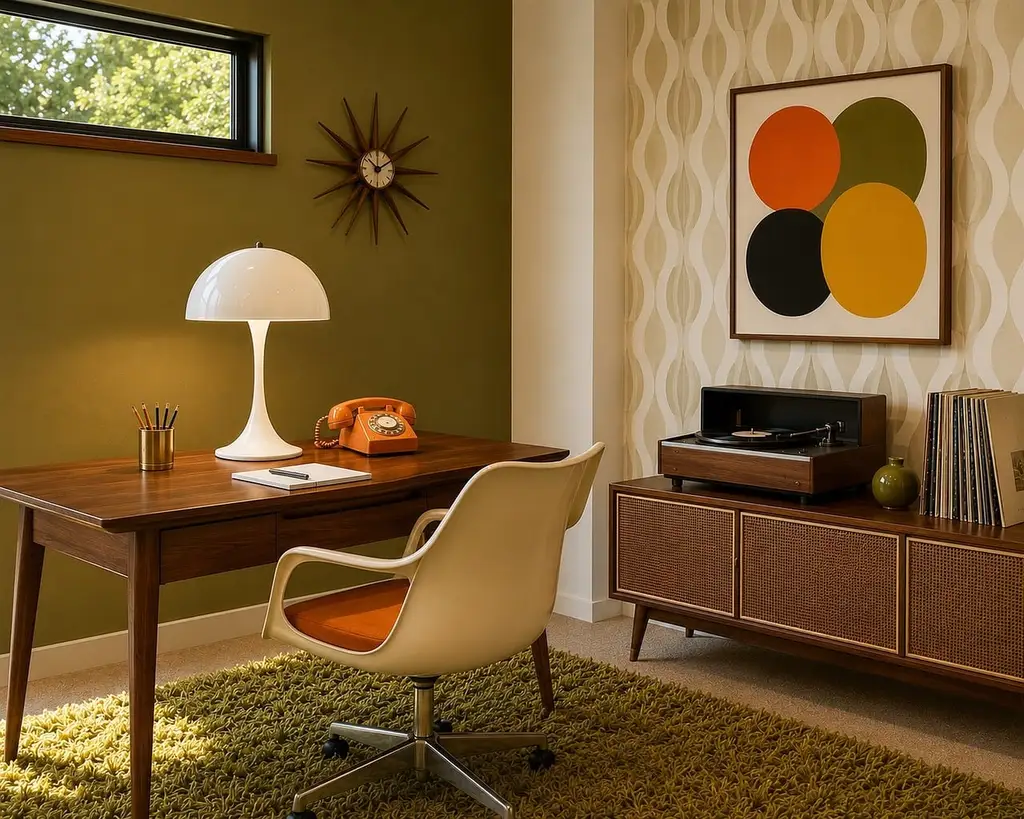
Satin or low-luster is the safest finish choice for most mid-century modern rooms. It keeps grain readable, cuts glare on clean-lined furniture, and fits the style’s neutral base with controlled color accents and natural materials. High gloss usually feels louder than the room needs.
Matte can work when you want the wood to read soft and understated, especially on teak furniture, built-ins, or accent panels with moderate wear. The tradeoff is that matte can show handling marks sooner than satin on horizontal surfaces. On floors, satin usually gives a better balance of style and maintenance.
Why high gloss usually fights the style
Mid-century modern design values clean lines and minimal decor, and it often pairs wood with metal, glass, vinyl, and plastics. Glossy finish reflects more light, which can make those restrained forms look busier than intended. On walnut or oak, extra reflection can also expose scratches and patchy stain more easily.
That matters in rooms with bright windows, white walls, or saturated accents such as turquoise, burnt orange, dark green, or red. The wood should anchor the room, not compete with it.
Where matte can still work
Matte works best on vertical surfaces and low-touch pieces: wall paneling, cabinet fronts behind glass, or teak case goods that benefit from a softer patina. Use it when you want the surface to look close to unfinished wood without losing protection. Avoid matte on stairs, dining-table tops, and other high-contact surfaces unless the maintenance plan is simple.
Quick comparison
| Product | Badge | Best for | Price | ||
|---|---|---|---|---|---|
 |
Minwax 63333444 Polycrylic Protective Finish, Satin, Clear,Minwax | Our pick | 1 Quart · Satin · Clear | $23.48
Price as of 27 Oct 2026
|
View |
 |
General Finishes Arm-R-Seal Oil Based Topcoat, 1 Quart,General Finishes | Also great | 1 Quart · Satin · Oil Based | $46.39
Price as of 27 Oct 2026
|
View |
 |
Varathane Water-Based Ultimate Satin Polyurethane |Varathane | Budget pick | 1 Quart · Satin · Water-Based | $26.87
Price as of 27 Oct 2026
|
View |
 |
Osmo – Polyx-Oil – 3054 Clear Satin – 2.5 LitersOsmo | Upgrade pick | 2.5 Liters · Clear · Satin | $169.99
Price as of 27 Oct 2026
|
View |
 |
Bona Mega Wood Floor Finish Satin 1 GallonBona | Pair with it | 1 Gallon · Satin · Floor Finish | $98.99
Price as of 27 Oct 2026
|
View |
The best overall choice is satin, because it suits most mid-century rooms without throwing light back at you. Move to low-luster for teak and display pieces, and use a durable satin floor finish when foot traffic matters most.
How we chose
This guide uses four checks: sheen control, species compatibility, traffic and light exposure, and how easy the finish is to test before you commit. That matters because the same stain or topcoat can look very different on teak, walnut, or oak.
The recommendations also account for room function. A living room cabinet, a foyer floor, and a dining table do not need the same abrasion resistance or reflection control.
Finally, the finish should be practical to verify. A good choice lets you compare swatches, judge dry time, and check color shift under room light before you coat a full surface.
Mid-century finish decision table
| Wood species | Room function | Light exposure | Recommended sheen | Stain family | Maintenance risk | Avoid if |
|---|---|---|---|---|---|---|
| Teak | Living room furniture | Medium daylight, mixed lamp light | Matte to satin | Clear or lightly toned water-based stain | Low | Avoid high gloss if you want to keep teak’s warm patina and reduce visible reflection. |
| Walnut | Cabinet fronts or sideboards | Bright room near windows | Satin | Clear or neutral brown oil-based stain | Moderate | Avoid amber-heavy stain if you want to limit an orange cast under warm bulbs. |
| Oak | Floors in open plans | High daylight and foot traffic | Satin | Water-based neutral brown or natural tone | Moderate to high | Avoid very dark stain on open-grain oak if you do not want the pores to read unevenly. |
| Rosewood | Accent furniture or trim | Low to medium light | Low-luster | Clear or very light tint | Moderate | Avoid heavy stain if you want the natural reddish-brown color to stay visible. |
| Mahogany | Dining pieces or case goods | Warm lamp light, limited sun | Satin | Clear or subdued red-brown stain | Moderate | Avoid gloss if you want to keep the surface from looking too formal or mirror-like. |
Teak, walnut, oak, rosewood, and mahogany are all era-appropriate, but they do not all accept stain the same way. Oak in particular varies by species and grain structure, so the same stain can read cooler on one board and warmer on another. That is why the sample board step matters.
Room-by-room takeaways
For a sunny living room, satin on walnut or teak usually gives the best balance of color and control. For a hallway or family room floor, satin polyurethane is the most practical choice because it holds up better to foot traffic than a softer display finish. For trim and furniture, low-luster keeps the profile quiet.
Say your dining room has large south-facing windows and an oak sideboard sits across from them. A glossy clear coat will bounce a lot of light into the room, which can make the wood look harder and the grain more distracting. Satin keeps the surface calmer and still reads finished.
Teak, walnut, or oak?
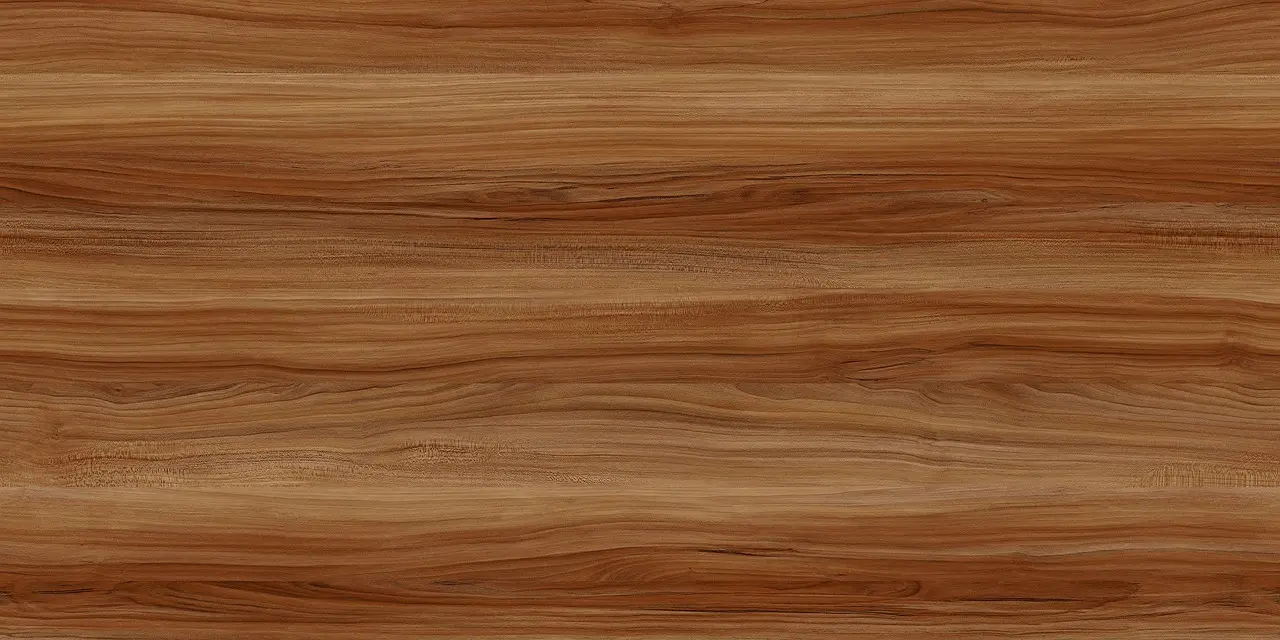
Teak is often the best match for authentic mid-century character because it is prized for patina, durability, and moisture resistance. Walnut is the best choice when you want a dark brown reference point that reads clearly as mid-century without looking heavy. Oak works well, but it needs more careful stain selection.
Teak: warm patina and moisture resistance
Teak suits mid-century rooms that lean warm and restrained. Its natural oils and durability make it a strong choice for furniture, cabinet faces, and pieces that may see occasional moisture. Keep the finish understated so the wood’s patina stays visible instead of buried under shine.
Walnut: preserve depth without orange cast
Walnut is one of the most common visual anchors for mid-century furniture. Use a clear or lightly toned satin finish to preserve depth and prevent a strong amber shift. Warm room lighting can push walnut warmer, so a sample board under your actual bulbs is essential.
Oak: watch species variation and stain uptake
Oak accepts stain differently depending on species and cut. That is why a stain that looks balanced on one board can look blotchy or overly warm on another. If you want oak to read period-correct, start with a neutral brown stain and a satin topcoat rather than a strong color shift.
Rosewood and mahogany: keep color subdued
Rosewood already carries a deep reddish-brown look, and mahogany brings a warm tone. Both can look too formal if you add too much sheen or too much stain color. A clear low-sheen finish usually keeps the wood grounded in the room instead of turning it decorative.
Water-based or oil-based stain?

Water-based stain is the better starting point when you want faster dry time, lower odor, easier cleanup, and less disruption in occupied spaces. Oil-based stain gives more working time and often deeper color movement, but it dries slower and smells stronger. For mid-century rooms, the right answer depends on the wood and the amount of color correction needed.
Dry time and odor
Water-based stains are quick-drying and are often described as odorless in product literature. That makes them easier to use in rooms that need to stay livable. Oil-based stains take longer to set up, so they can be better when you need more time to wipe and blend, especially on large surfaces.
Minwax penetrating stain dry time is roughly 2-3 hours, which gives you a useful baseline when planning recoats or topcoats. Dry time still depends on temperature, airflow, and how heavily the stain is applied.
Coverage and working time
Oil-based stain is usually more forgiving on large, open-grain surfaces because you have more working time before wipe-off. That can help on oak floors or wide cabinet panels. Water-based stain can still work well, but you need a tighter pace to avoid lap marks.
Cleanup and application difficulty
Water-based products clean up with soap and water, which makes them easier to manage on interior projects. They also tend to require more careful application because they can flash quickly. Oil-based stain is messier to clean, but it may be simpler to blend on a full room of wood if you need slower movement.
When each stain family fits mid-century wood
Choose water-based stain when you want a neutral, controlled look on oak floors, teak furniture, or any space where odor matters. Choose oil-based stain when you need more open time or a deeper color result on walnut, mahogany, or rosewood accents. Either way, keep the color restrained.
Suppose you are finishing a walnut credenza in a small den with warm bulbs and little daylight. A heavy amber oil stain can push the piece toward orange-brown faster than expected. A neutral water-based tone or a very restrained oil-based color is easier to control in that room.
What finish sheen looks best?
Satin is often a strong all-around sheen for a mid-century modern interior because it controls reflection without making the surface look flat. Low-luster works when you want even less shine on display pieces. Semi-gloss and gloss are usually too reflective for this style unless you are matching an existing period look.
Best use cases for satin
Satin suits floors, cabinetry, sideboards, and most furniture. It keeps the wood visible while allowing the room’s other materials to stay balanced. It also hides minor wear better than gloss because light does not bounce off every small scratch.
When low-luster is better than satin
Use low-luster on teak, rosewood, or mahogany when you want the finish to disappear into the wood grain. It is especially useful on vertical panels and occasional-use furniture. Low-luster can also work well in rooms with strong daylight where extra reflection would feel out of place.
When semi-gloss is too reflective
Semi-gloss is often too shiny for mid-century interiors unless you are deliberately chasing a polished period look. It can make walnut look harder and can make oak grain patterns stand out more than you want. On floors, it also tends to show dust and wear faster than satin.
What wood stain color looks best in a mid-century modern living room?
The best stain color is usually a restrained natural brown, medium walnut brown, or soft teak-toned finish that keeps the wood warm without turning it red or orange. Mid-century modern rooms pair best with neutral floors and controlled accent colors, so the stain should support the palette, not dominate it.
If the room already has strong color from textiles or artwork, keep the wood closer to its natural tone. If the space is very pale, a slightly deeper brown can help the furniture anchor the room.
How do I keep wood finishes from looking too orange or shiny?
Choose a satin or low-luster topcoat, avoid heavily amber stains, and test the finish under the same bulbs used in the room. Orange cast often comes from the combined effect of wood species, stain family, and warm lighting. Shine usually comes from the topcoat sheen, not the stain itself.
Warm bulbs can make teak, walnut, and mahogany read warmer than they do in daylight. If the room uses very warm lamps, a neutral stain and a less reflective topcoat are the safest way to keep the finish balanced.
How do I test a stain before finishing a whole floor or cabinet?
Test a sample board made from the same species as the project wood. Apply multiple swatches, let them dry fully, and check each one under daylight and under the room’s artificial light. That is the only reliable way to see how sheen and color will read in the actual space.
- Cut a sample board from the same species and, if possible, the same cut as the project wood.
- Sand it with the same grit sequence you plan to use on the final piece.
- Apply several stain swatches, leaving space between each one.
- Let the board dry completely, then note the dry-time behavior and wipe-off ease.
- Move the board through the room and check it in daylight, evening lamp light, and near windows.
- Compare the swatches again after the topcoat, because sheen can shift the final color.
For a floor, repeat the test in a hidden area or on offcuts before you commit to the full space. For cabinets, hold the sample against doors and drawers so you can judge the finish beside the actual hardware and wall color.
Product roundup
Minwax Polycrylic Satin: best for quick interior protection
This suits smaller interior projects that need a clear satin coat with fast recoat timing and easy soap-and-water cleanup. It is a practical choice for trim, furniture, and decorative panels when you want a lighter protective layer.
Its main advantage is the crystal-clear satin look. The drawback is that a water-based protective coat can require careful application to avoid lap marks, especially on large or absorbent surfaces.
General Finishes Arm-R-Seal Satin: best for hand-rubbed depth
This is a good fit when you want a satin urethane topcoat with a more hand-rubbed look on furniture and cabinets. It works well for walnut, teak, and mahogany pieces that need a warmer visual finish.
The drawback is the stronger odor and slower drying of an oil-based product. It also asks for more ventilation and more patience between coats than a fast-drying waterborne option.
Varathane Water-Based Ultimate Satin Polyurethane: best for clear floor protection
This is a practical choice for interior floors or other high-contact wood surfaces when you want a clear satin finish with faster dry time. It fits mid-century rooms that need protection without much color shift.
The drawback is that water-based formulas can be less forgiving if you pause too long during application. On long boards or broad floor areas, you need steady pacing to keep the surface even.
Osmo Polyx-Oil Clear Satin: best for repairable teak finishes
This is a strong option for teak furniture or woodwork where spot repair matters. Based on the manufacturer’s published details and buyer feedback, it suits people who want a hardwearing satin surface that resists water and household spills.
The drawback is cost. At this size and price point, it is harder to justify for large projects than for smaller, high-value pieces.
Bona Mega Wood Floor Finish Satin: best for durable floor use
This is a floor-focused satin finish for rooms that need a one-component waterborne polyurethane with good flow and leveling. It fits mid-century spaces where the goal is a clean, durable floor finish without a heavy gloss.
The drawback is that a floor product is less useful for furniture and smaller pieces. It is also more specialized than a general-purpose topcoat, so it makes the most sense when the floor is the priority.
Which one should you buy?
For floors, start with Bona Mega Wood Floor Finish Satin if you want a dedicated floor product, or Varathane Water-Based Ultimate Satin Polyurethane if you want a clear, straightforward satin finish at a lower price. For furniture, General Finishes Arm-R-Seal Satin is the strongest fit when you want a warmer hand-rubbed look.
For teak pieces, Osmo Polyx-Oil Clear Satin is the best fit when spot repair and water resistance matter more than price. For trim or lighter-duty interior work, Minwax Polycrylic Satin is the easiest option to live with because it dries quickly and cleans up easily.
A common first-timer mistake is choosing the finish by brand name instead of by room use. A glossy cabinet top in a bright living room can look louder than the room wants, while the same sheen on a small accent table may be acceptable. Match the sheen to the surface first.
Frequently asked questions
What is the best wood finish for a mid-century modern interior?
Satin is the best all-around finish for most mid-century modern interiors because it limits reflection and keeps wood grain readable. Low-luster is a close second for teak and display pieces. High gloss usually works against the style’s calm, restrained look and can make wear show more clearly.
Should mid-century modern wood be matte or glossy?
Neither extreme is ideal for most rooms. Matte can work on select furniture and vertical surfaces, but satin usually gives the best balance of warmth, durability, and reflection control. Gloss is the least forgiving choice in bright rooms because it draws attention to scratches and uneven stain.
Is teak a good finish choice for mid-century modern design?
Yes. Teak is one of the most authentic mid-century woods, and it is valued for patina, durability, and moisture resistance. A matte to satin finish usually suits it best because the goal is to keep the warm look visible, not to bury it under shine.
Should I use water-based or oil-based stain for interior wood?
Use water-based stain when you want faster drying, lower odor, easier cleanup, and a cleaner setup in occupied rooms. Use oil-based stain when you need more working time or a deeper color blend. Both can work well, but the wood species and room light should guide the choice.
Sponsored / affiliate links. As an Amazon Associate I earn from qualifying purchases. I may earn additional commission from eligible campaigns.