Transition between Tile And Hardwood Floor: Expert Tips for Flawless Style
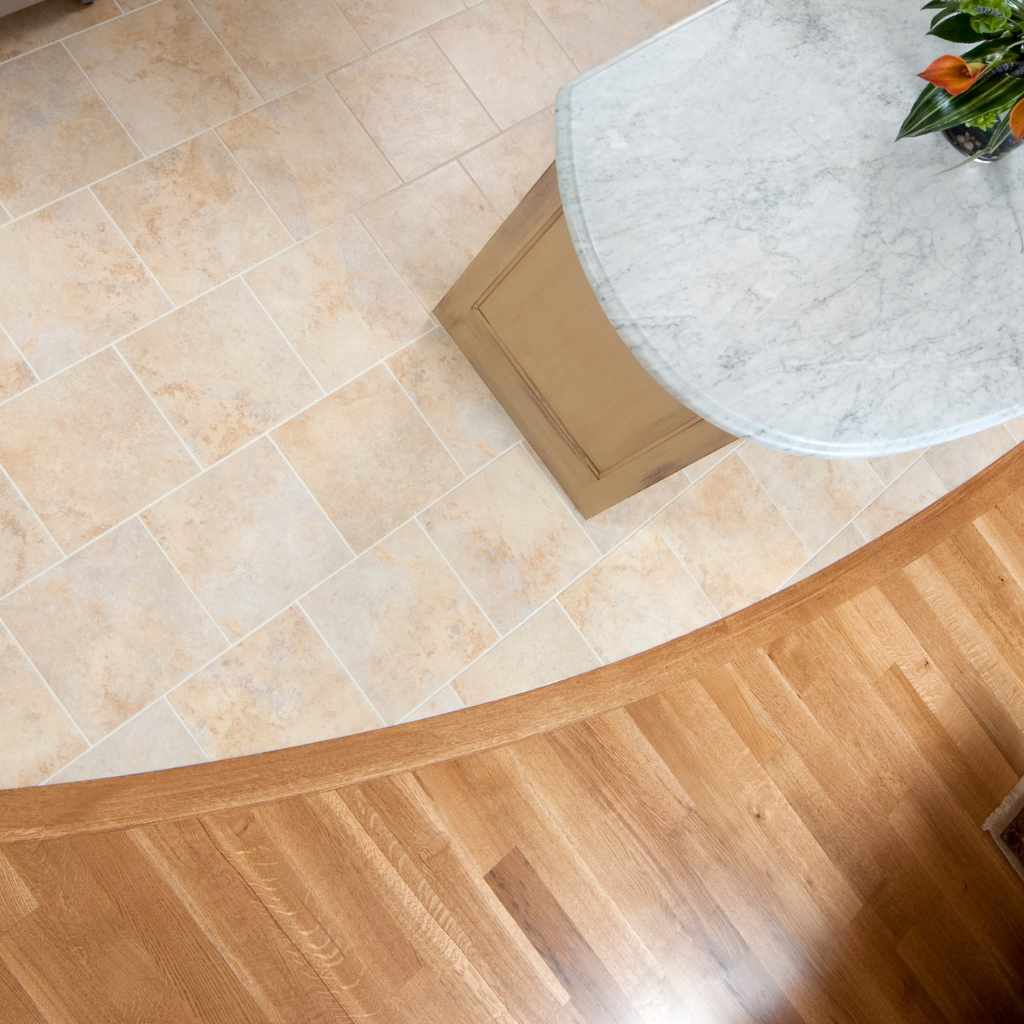
Transition between tile and hardwood floor can be tricky. Different materials, different heights. How to make it smooth? This guide helps you understand simple steps. No hard words. Just easy tips for a nice floor look.
Biography
| Aspect | Details |
|---|---|
| Definition | Flooring transitions are finishing pieces that bridge the gap between two different floor surfaces, such as tile and hardwood, to create a smooth, safe, and visually appealing junction. |
| Common Transition Pieces |
|
| Design Principles |
|
| Installation Tips |
|
| Common Problems |
|
| Materials |
|
| Resale Considerations | Limiting flooring types and ensuring seamless, visually cohesive transitions can increase home appeal and ease of resale. |
| Helpful Resources & Videos |
|
Early Life
The transition between tile and hardwood floor began as a simple idea to join two different floor types in a home. It was first used when people wanted to connect kitchen tiles to living room wood floors. At first, the floors met with a clear edge, which could be uneven or hard to walk on. Over time, this idea moved forward and found ways to make the change between floors smooth and safe. People learned to use strips or borders to cover the gap and adjust for height differences. This transition idea grew in homes, especially in places like Austin, Texas, where different rooms have different flooring needs. Now, the transition is a key part of flooring design, making rooms look neat and helping floors last longer.
Family
| Relation | Name | Information |
|---|---|---|
| Parent 1 | Tile Flooring | Tile floors are strong and water-resistant. They work well in kitchens and bathrooms. Tile is usually harder and cooler to walk on. |
| Parent 2 | Hardwood Flooring | Hardwood floors are warm and elegant. They suit living rooms and hallways. Hardwood adds value and a cozy feeling to a home. |
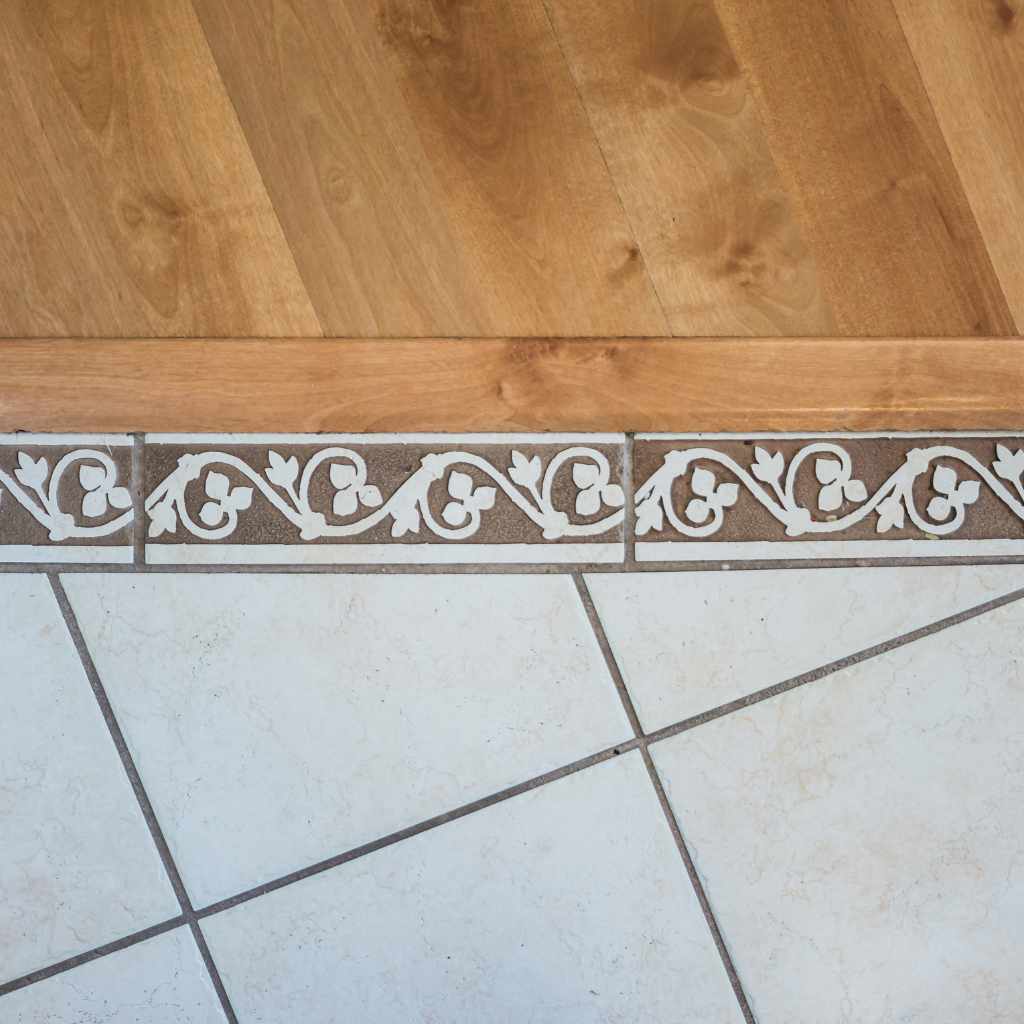
| Sibling 1 | Transition Strip | These strips join tile and hardwood floors smoothly. They cover gaps and help with height differences between floors. |
| Sibling 2 | Reducer Molding | Used when floors have different heights. It creates a small step so the change feels natural and safe to walk over. |
| Sibling 3 | Blended Level Transition | This method works when floor heights are almost the same. It blends the two floors without a step for a smooth look. |
When you move from tile to hardwood floors, it is important to join them well. Tile is hard and cool, good for wet areas. Hardwood is warm and nice for living spaces. Transition strips or moldings help make the change between floors look clean and safe. Sometimes a small step is needed if floors are different heights. Other times, the floors can blend together. Good transitions make your home look neat and feel comfortable.
Height, Weight, And Other Body Measurements
| Measurement Type | Typical Range / Standard | Description / Notes | Source / Reference |
|---|---|---|---|
| Height Difference Between Tile & Hardwood | 0 – 1/4 inch (0 – 6 mm) preferred | Ideal to keep floor heights level or nearly level for smooth transition; if difference exceeds this, use reducer strips or sloped transitions. | Houzz Discussion |
| Transition Piece Slope | Gentle slope over 2-4 inches length | Sloped hardwood transition pieces fill height gaps and create gradual incline to avoid trip hazards. | EngineerYourSpace YouTube |
| Transition Strip Width | 1 to 3 inches (25 to 75 mm) | Width depends on gap and aesthetic preference; wider strips can include mosaic or pebble borders for design. | San Diego Marble Tile |
| Grout Line for Transition Piece | 1/8 inch (3 mm) typical | Leave a grout line between tile and transition piece; fill with color-matched flexible grout or caulking for seamless look. | DIY Tile Guy Blog |
| Underlayment Thickness | Varies, commonly 1/4 inch (6 mm) | Used beneath tile or hardwood to help match heights and provide stable base. | EngineerYourSpace YouTube |
| Acceptable Floor Transition Height | Maximum 1/2 inch (12 mm) difference with transition piece | Building codes and safety recommend maximum height differences to prevent tripping hazards. | ICC Safe |
| Flexible Grout/Caulking | Color matched; flexible | Used to fill grout lines at transitions to accommodate movement and prevent cracking. | DIY Tile Guy Blog |
Note: This table provides general guidelines for transitioning between tile and hardwood floors, especially focusing on height and measurement considerations for a smooth, safe, and aesthetically pleasing floor transition. Always consider specific product recommendations and local building codes when planning your flooring project.
Wife/husband / Girlfriend/boyfriend
“Transition between Tile And Hardwood Floor” is not a person but a home design topic.
So, it does not have a wife, husband, girlfriend, or boyfriend.
This topic deals with how to join or connect two different floor types: tile and hardwood.
People often want a smooth change from one floor to another in their homes.
There are many ways to do this, such as using special strips or making the floors meet evenly.
Over time, many methods have been used to make these floor transitions look nice and work well.
Some use wood strips, others use rubber mats, or even grout between the floors.
These methods help avoid bumps or gaps.
Since this is a design idea, it does not have personal relationships like people.
But it has many different styles and methods that have been tried before to make homes look better.
Career, Achievements And Controversies
The idea of transitioning between tile and hardwood floors became well known as more people wanted to mix these two types of flooring in their homes. It became popular because tile and hardwood each have good qualities. Tile is strong and water-resistant. Hardwood looks warm and natural. But joining them smoothly was a challenge. This topic gained attention on websites, videos, and home improvement forums. Many homeowners and builders searched for ways to make the change between these floors look nice and last long.
The “career” of transitioning between tile and hardwood floors started with simple ideas like using transition strips. These strips connect two floors and cover the edge where they meet. Some common strips are called T-molding and reducer strips. T-molding works when both floors are about the same height. Reducer strips help when one floor is higher than the other.
Other popular methods include changing the direction of wood planks near the transition or adding a small border of different material like stone or a contrasting wood. Some also use a seam binder, a strip that is attached to the floor to allow the two floors to expand and contract without damage. Videos and blogs show how to cut and install these pieces.
While the transition between tile and hardwood floor is not a person but a topic, it has seen achievements in how well it is understood and shared. Many flooring experts and companies have made guides and tools for better transitions. This helped homeowners avoid damage and make their floors look better.
Some flooring brands and websites have won praise for clear instructions and creative ideas. These have helped make transitions safer and more beautiful. The use of transition strips and creative designs has become a standard part of flooring work. This shows progress in home design and building.
Despite its usefulness, the transition between tile and hardwood floors has some controversies. One main issue is whether to use visible strips or try to make the floors meet without any cover. Some people think transition strips look ugly or break the flow of the floor. Others argue they protect the edges and stop damage.
Another problem is with uneven floors. Some floors do not line up well, causing trips or damage. Builders sometimes disagree on the best way to fix this. There are also debates about whether hardwood is practical near water areas like kitchens, since water can harm wood.
Lastly, some argue if tile-to-hardwood transitions are out of style or not. While some designs avoid them by using one floor type for the whole space, many still find transitions necessary in open floor plans.
The transition between tile and hardwood floors is a useful way to join two different floor types. It became known through home projects and online guides. Popular methods include using transition strips, changing plank directions, and adding borders. The topic has helped many people improve home floors but also has some debates about style and function. Overall, it remains an important part of flooring work.
FAQ
1. Why Do I Need A Transition Between Tile And Hardwood Floors?
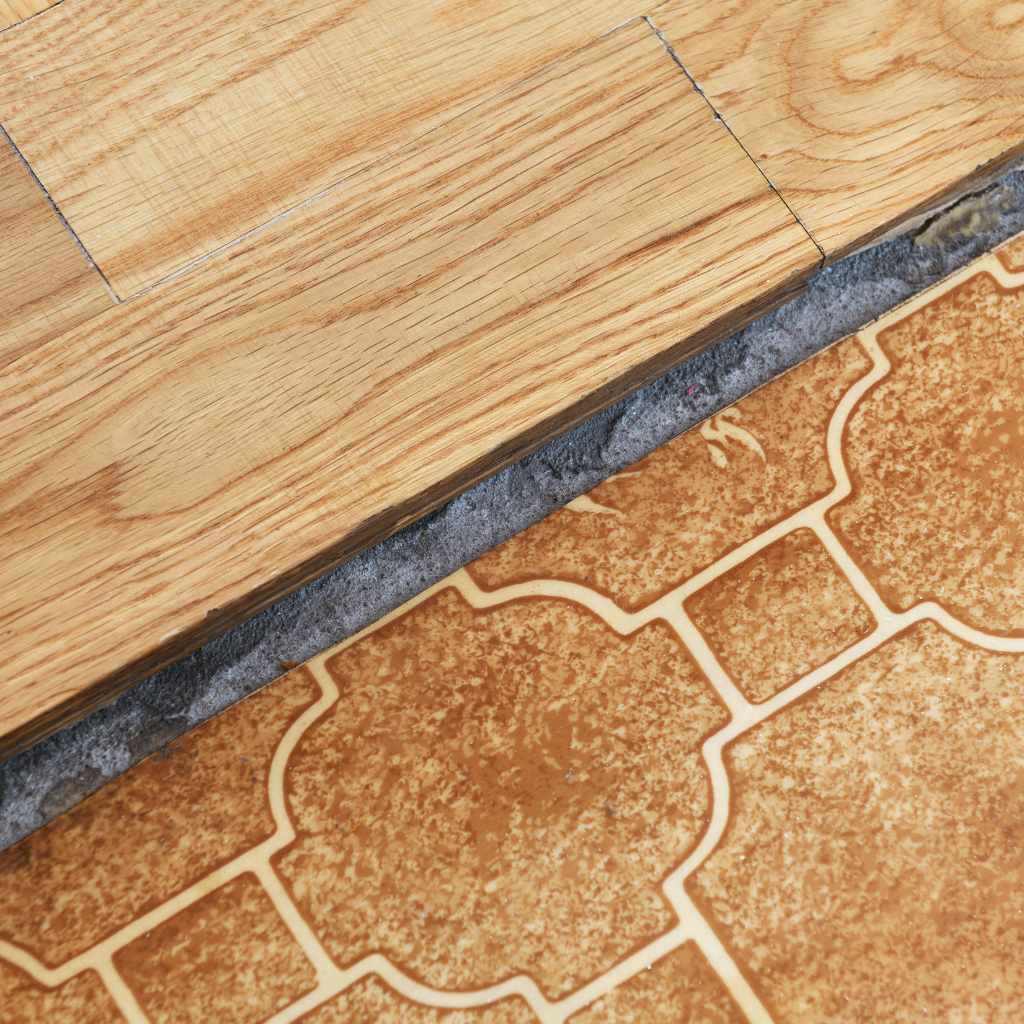
A transition helps cover the gap where two different floors meet. It makes the floor look nice and stops dirt from getting stuck in the space.
2. What Types Of Transition Strips Can I Use?
You can use wood, metal, or vinyl strips. Wood matches hardwood floors well. Metal is strong and modern. Vinyl is soft and flexible.
3. How Do I Choose The Right Height For The Transition?
Look at the height of both floors. The strip should fit between them without making a big step. This helps avoid tripping.
4. Can I Install The Transition Strip Myself?
Yes, you can. Most strips come with instructions. Use glue or screws to fix the strip. But if unsure, ask a professional for help.
5. Will The Transition Strip Last A Long Time?
Good quality strips can last many years. It depends on the material and how well you install it. Keep it clean to help it last.
6. Can I Use Grout Or Caulk As A Transition?
Sometimes people use grout or caulk to fill small gaps. But they don’t protect the edges like strips do. Strips are better for strong, safe transitions.